
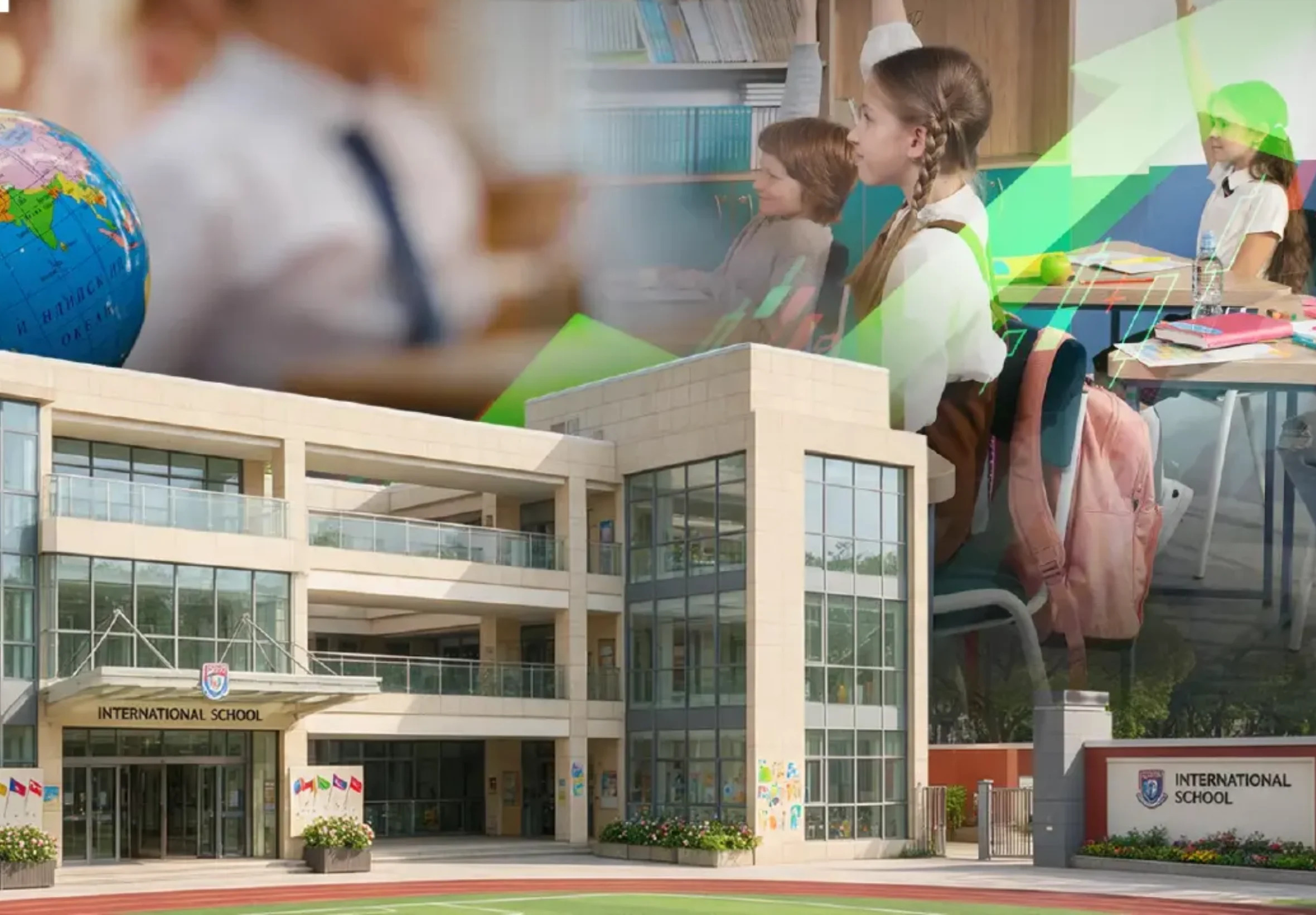
 Thailand international schools set to reach 280 in 2026
Thailand is projected to have 280 international schools in 2026, as new openings continue to outpace student enrolment growth and intensify competition among operators.
Kasikorn Research Center, or KResearch, said the number of schools had increased by about 5.3% this year, compared with enrolment growth of 3.8%. For foreign families in Thailand, this may mean a wider choice of schools, but also higher fees as operators seek to protect income.
More schools, but fewer pupils per campus
Thailand’s international school sector has expanded from 234 schools in 2022 to 280 in 2026, and KResearch forecasts 293 schools by 2027.
Student numbers rose from 66,352 in 2022 to 86,056 this year, with 89,200 expected in 2027. However, the growth in schools means the average enrolment at each one is falling.
Average enrolment stood at 312 pupils per school in both 2024 and 2025, falling to 307 in 2026. It is expected to decline again, to 304 pupils per school, in 2027.
KResearch’s analysis, said the trend points to mounting competition despite the overall rise in student numbers. New schools may be particularly vulnerable as they face start-up investment and operating costs before building a sufficiently large student base.
Bangkok remains the main market, home to more than 45% of international schools nationwide. The concentration is expected to make competition especially fierce in the capital.
Bangkok fees forecast to rise 5%
Average annual tuition fees at Bangkok international schools are forecast to reach 839,184 baht for the 2026/27 academic year, an increase of about 5%.
That follows a rise of around 3%, from 776,887 baht in 2024/25 to 799,818 baht in 2025/26. For expatriate parents and overseas families relocating to Bangkok, tuition costs should therefore remain a major consideration alongside curriculum, location and available places.
Higher fees can increase revenue per pupil and offset lower average enrolment, but KResearch said schools must also consider what parents can afford. With more schools available, fee rises could affect where families choose to enrol their children.
Revenue rises, while pressure remains
International-school revenue is forecast to reach 128 billion baht in 2026 and 141 billion baht in 2027, according to KResearch. Revenue rose from 75 billion baht in 2022 to 87 billion baht in 2023, 103 billion baht in 2024 and 116 billion baht in 2025.
The research centre cautioned that rising revenue does not automatically translate into higher profits. Schools with smaller student populations must still fund facilities and services while competing for families.
KResearch said reputation and widely available international curricula may no longer be enough. Educational quality, specialist programmes, skill-building activities, safety, the school environment and a supportive learning culture are increasingly important in attracting and retaining pupils.
Source: https://aseannow.com/thailand-news/thailand-international-schools-set-to-reach-280-in-2026-r4340/
Google Translation:
[We apologise if any of the translation is incorrect: google Translation occasionally gets it wrong]
คาดจำนวนโรงเรียนนานาชาติในไทยจะแตะ 280 แห่งภายในปี 2026
มีการคาดการณ์ว่าประเทศไทยจะมีโรงเรียนนานาชาติรวมทั้งสิ้น 280 แห่งภายในปี 2026 โดยจำนวนโรงเรียนที่เปิดใหม่ยังคงเพิ่มขึ้นในอัตราที่เร็วกว่าการเติบโตของจำนวนนักเรียน ซึ่งส่งผลให้การแข่งขันระหว่างผู้ประกอบการทวีความรุนแรงยิ่งขึ้น
ศูนย์วิจัยกสิกรไทย (KResearch) ระบุว่า ในปีนี้จำนวนโรงเรียนนานาชาติเพิ่มขึ้นประมาณ 5.3% ในขณะที่จำนวนนักเรียนเติบโตขึ้น 3.8% สำหรับครอบครัวชาวต่างชาติที่พำนักอยู่ในประเทศไทย สถานการณ์นี้อาจหมายถึงทางเลือกโรงเรียนที่หลากหลายมากขึ้น แต่ในขณะเดียวกันก็อาจมาพร้อมกับค่าเล่าเรียนที่สูงขึ้น เนื่องจากผู้ประกอบการต่างพยายามรักษาเสถียรภาพของรายได้เอาไว้
จำนวนโรงเรียนเพิ่มขึ้น แต่จำนวนนักเรียนต่อแห่งกลับลดลง
ภาคธุรกิจโรงเรียนนานาชาติในประเทศไทยมีการขยายตัวจาก 234 แห่งในปี 2022 ไปสู่ 280 แห่งในปี 2026 และศูนย์วิจัยกสิกรไทยคาดการณ์ว่าจำนวนโรงเรียนจะเพิ่มขึ้นเป็น 293 แห่งภายในปี 2027
จำนวนนักเรียนเพิ่มขึ้นจาก 66,352 คนในปี 2022 เป็น 86,056 คนในปีนี้ และคาดว่าจะอยู่ที่ 89,200 คนในปี 2027 อย่างไรก็ตาม การที่จำนวนโรงเรียนเพิ่มขึ้นในอัตราที่สูงกว่า ส่งผลให้จำนวนนักเรียนเฉลี่ยต่อโรงเรียนมีแนวโน้มลดลง
จำนวนนักเรียนเฉลี่ยต่อโรงเรียนอยู่ที่ 312 คน ทั้งในปี 2024 และ 2025 ก่อนจะลดลงเหลือ 307 คนในปี 2026 และคาดว่าจะลดลงอีกเหลือ 304 คนต่อโรงเรียนในปี 2027
บทวิเคราะห์จากศูนย์วิจัยกสิกรไทยชี้ให้เห็นว่า แนวโน้มดังกล่าวสะท้อนถึงการแข่งขันที่รุนแรงขึ้น แม้ว่าจำนวนนักเรียนโดยรวมจะเพิ่มขึ้นก็ตาม โดยโรงเรียนที่เพิ่งเปิดใหม่มีความเสี่ยงสูงกว่า เนื่องจากต้องแบกรับทั้งเงินลงทุนเริ่มต้นและค่าใช้จ่ายในการดำเนินงาน ในขณะที่ยังไม่มีฐานนักเรียนจำนวนมากพอ
กรุงเทพมหานครยังคงเป็นตลาดหลัก โดยเป็นที่ตั้งของโรงเรียนนานาชาติมากกว่า 45% ของจำนวนโรงเรียนทั้งหมดในประเทศไทย ซึ่งคาดว่าจะทำให้การแข่งขันในเมืองหลวงแห่งนี้มีความดุเดือดเป็นพิเศษ
คาดค่าเล่าเรียนในกรุงเทพฯ ปรับตัวสูงขึ้น 5%
มีการคาดการณ์ว่าค่าเล่าเรียนเฉลี่ยต่อปีของโรงเรียนนานาชาติในกรุงเทพมหานครจะอยู่ที่ 839,184 บาท ในปีการศึกษา 2026/27 ซึ่งเป็นการปรับตัวสูงขึ้นประมาณ 5% ตัวเลขดังกล่าวสะท้อนถึงการปรับเพิ่มขึ้นประมาณ 3% จาก 776,887 บาท ในปีการศึกษา 2024/25 เป็น 799,818 บาท ในปีการศึกษา 2025/26 ดังนั้น สำหรับผู้ปกครองชาวต่างชาติหรือครอบครัวที่ย้ายเข้ามาพำนักในกรุงเทพฯ ค่าเล่าเรียนจึงยังคงเป็นปัจจัยสำคัญที่ต้องนำมาพิจารณา ควบคู่ไปกับหลักสูตร ที่ตั้งของโรงเรียน และจำนวนที่นั่งที่ว่างอยู่
แม้การขึ้นค่าเล่าเรียนจะช่วยเพิ่มรายได้ต่อหัวและชดเชยจำนวนนักเรียนเฉลี่ยที่ลดลงได้ แต่ศูนย์วิจัยกสิกรไทย (KResearch) ระบุว่า โรงเรียนจำเป็นต้องคำนึงถึงความสามารถในการจ่ายของผู้ปกครองด้วยเช่นกัน ในสภาวะที่มีโรงเรียนให้เลือกมากขึ้น การปรับขึ้นค่าเล่าเรียนอาจส่งผลต่อการตัดสินใจของครอบครัวในการเลือกโรงเรียนให้แก่บุตรหลาน
รายได้เพิ่มขึ้น ท่ามกลางแรงกดดันที่ยังคงอยู่
ศูนย์วิจัยกสิกรไทยคาดการณ์ว่า รายได้ของโรงเรียนนานาชาติจะแตะระดับ 1.28 แสนล้านบาทในปี 2026 และ 1.41 แสนล้านบาทในปี 2027 โดยรายได้มีการเติบโตอย่างต่อเนื่องจาก 7.5 หมื่นล้านบาทในปี 2022 เป็น 8.7 หมื่นล้านบาทในปี 2023, 1.03 แสนล้านบาทในปี 2024 และ 1.16 แสนล้านบาทในปี 2025
อย่างไรก็ตาม ศูนย์วิจัยฯ เตือนว่ารายได้ที่เพิ่มขึ้นไม่ได้หมายความว่าผลกำไรจะเพิ่มขึ้นตามไปด้วย โรงเรียนที่มีจำนวนนักเรียนน้อยยังคงต้องแบกรับภาระค่าใช้จ่ายด้านสิ่งอำนวยความสะดวกและการบริการต่างๆ ในขณะที่ยังต้องแข่งขันกันเพื่อดึงดูดครอบครัวต่างๆ เข้ามาใช้บริการ
ศูนย์วิจัยกสิกรไทยระบุว่า ชื่อเสียงของโรงเรียนหรือการใช้หลักสูตรนานาชาติที่เป็นที่รู้จักทั่วไปอาจไม่เพียงพออีกต่อไป ปัจจัยด้านคุณภาพการศึกษา หลักสูตรเฉพาะทาง กิจกรรมเสริมสร้างทักษะ ความปลอดภัย สภาพแวดล้อมภายในโรงเรียน รวมถึงวัฒนธรรมการเรียนรู้ที่ส่งเสริมศักยภาพนักเรียน ได้กลายเป็นปัจจัยที่มีความสำคัญมากขึ้นเรื่อยๆ ในการดึงดูดและรักษาจำนวนนักเรียนไว้


