
 Thailand explores Moscow Metro’s formula for reliable rail services
THIS NEWS ARTICLE KINDLY SPONSORED BY FALLPROTEC, A WORLD-RENOWNED NAME IN THE DESIGN AND MANUFACTURE OF PREMIUM FALL PROTECTION SYSTEMS AND HEIGHT ACCESS SOLUTIONS
Thailand’s Ministry of Transport visited Moscow Metro yesterday, August 5, to study rail operations, digital passenger services and maintenance practices that could be adapted for the country’s railway network.
Deputy Prime Minister and Transport Minister Phiphat Ratchakitprakarn led the Thai delegation during the visit, which followed the signing of a transport cooperation MOU between Thailand and Russia.
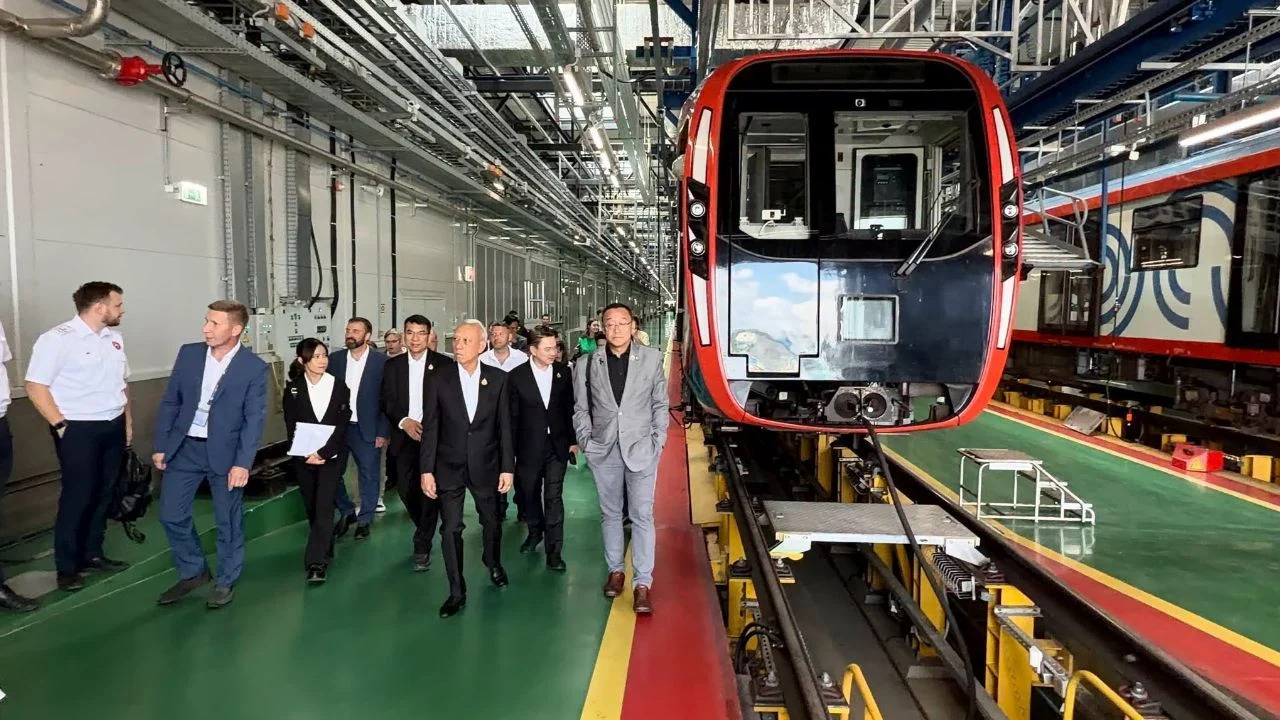
Phiphat and senior transport officials also toured Maryina Roshcha station and the Aminevskoye Electric Depot to study Moscow Metro’s operational systems and exchange technical expertise.
Phiphat said the discussions focused on how Moscow Metro handles large numbers of passengers while keeping services safe, reliable and cost-effective. The talks covered digital passenger services, ticketing systems, train operations and maintenance.
Moscow Metro demonstrated several cashless payment options, including bank cards, QR codes, digital devices, biometric verification and Face Pay. According to the operator, around 93% of passengers use cashless payment methods, although cash payment and staffed services remain available.
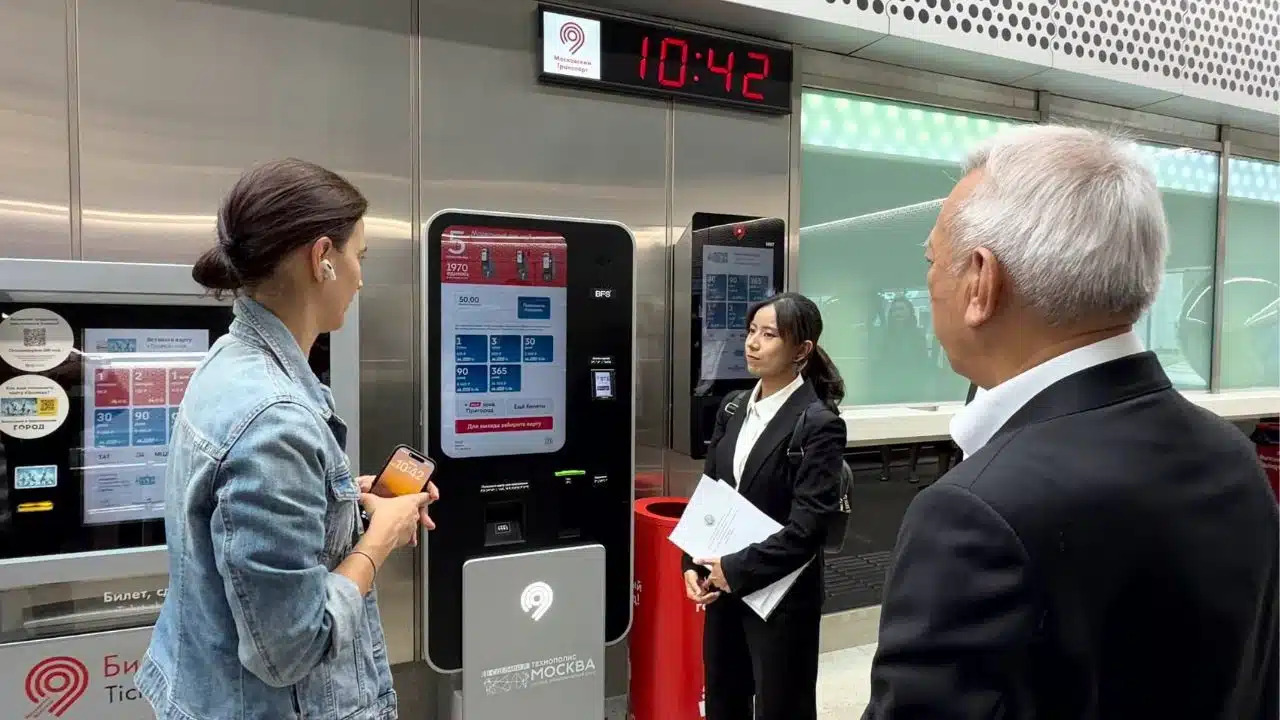 The Thai delegation also reviewed technologies aimed at improving passenger services while reducing routine workloads. These included ticket gates that accept multiple payment methods, remote customer support that allows passengers to contact station staff, and a digital assistant that provides travel information.
Officials also discussed how Moscow Metro gathers passenger feedback through QR codes before introducing new services on a wider scale. The ministry said the approach helps ensure new technologies meet passenger needs rather than being introduced simply because they are new.
The delegation also travelled on the Moscow Metro to examine its operations and onboard passenger information systems. Officials examined onboard displays showing current and next stations, journey times and interchange information.
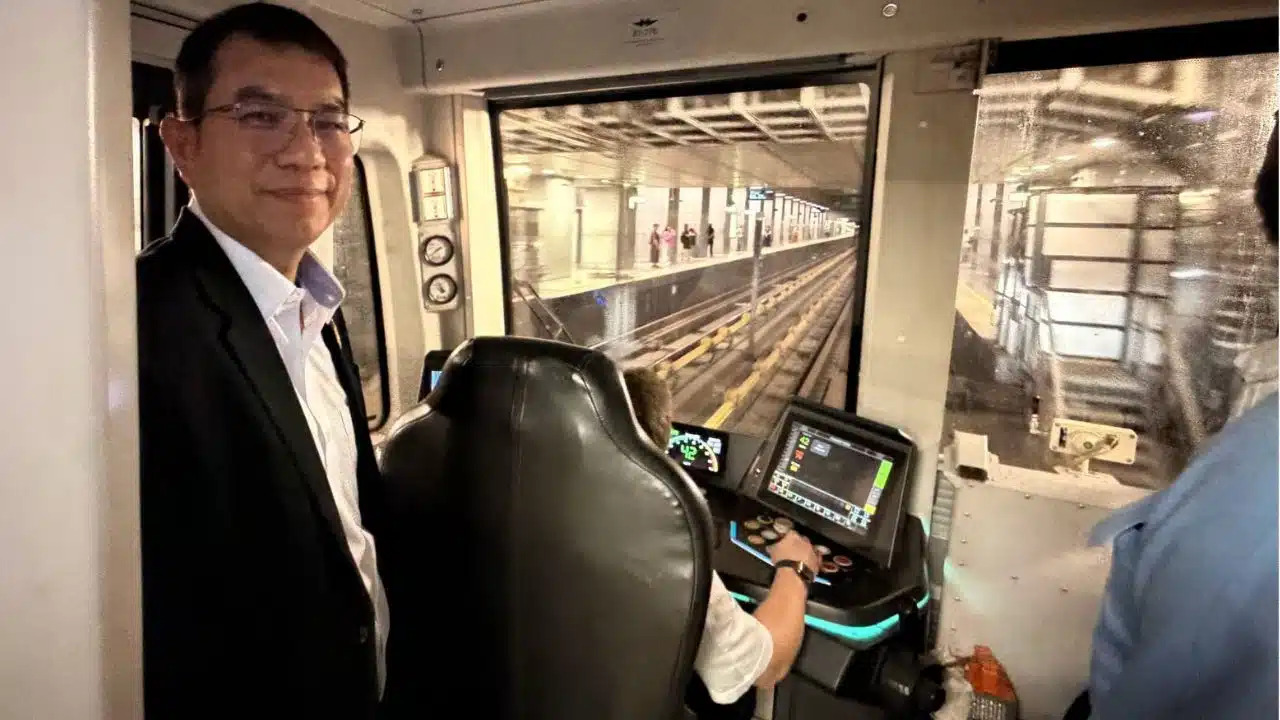 Moscow Metro said trains can arrive as often as every 90 seconds during peak periods, made possible by coordinated scheduling, trains ready for service and regular maintenance.
State Railway of Thailand Governor Anan Phonimdaeng also discussed how Moscow Metro keeps its trains in service through regular inspections and scheduled maintenance designed to prevent breakdowns.
At the Aminevskoye Electric Depot, Russian officials outlined how they prepare trains for daily operations, inspect equipment and manage maintenance schedules across the fleet.
Moscow Metro currently operates nearly 7,000 rail cars, while the depot supports 31 eight-car trainsets. During peak hours, 28 trainsets are in service while the remaining three undergo inspection and maintenance.
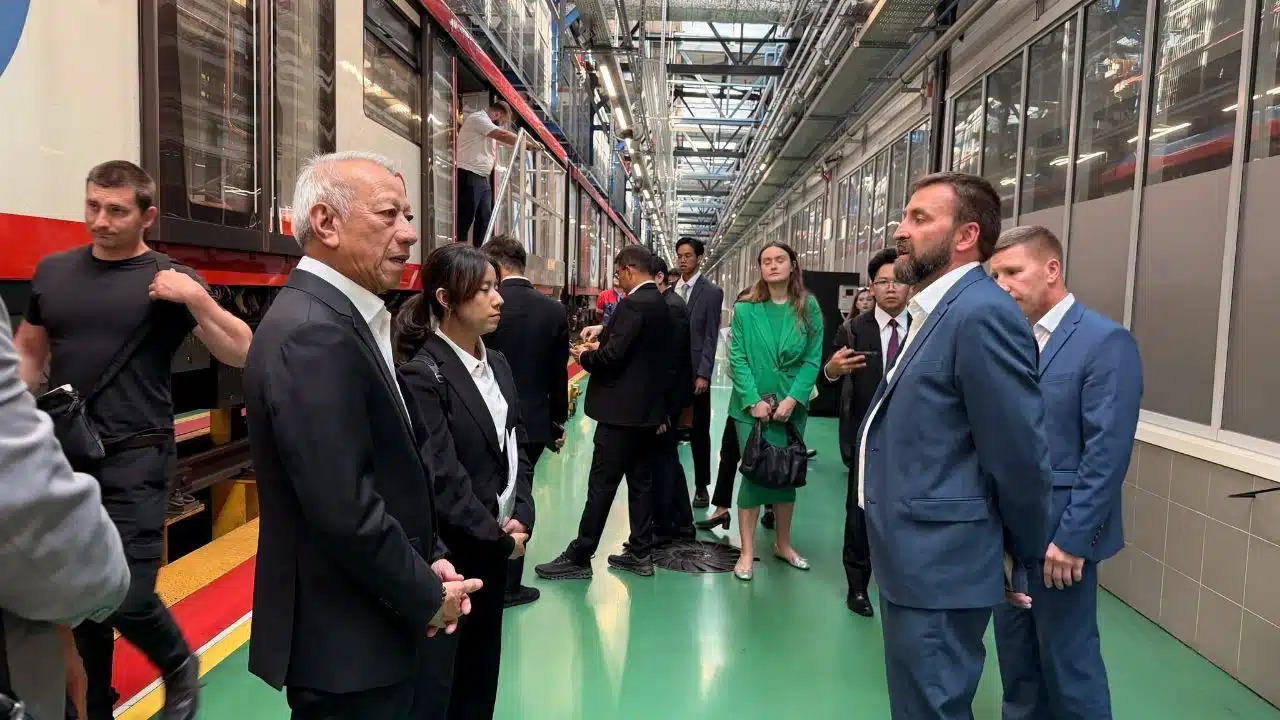 Russian officials also outlined a maintenance model that keeps manufacturers responsible for servicing trains after they enter service. Using mileage and performance data, parts are repaired or replaced before they fail to reduce breakdowns and improve reliability.
The Ministry of Transport said the approach could help Thailand improve train reliability and assess the full cost of buying and maintaining trains over their service life.
The visit forms part of a wider transport cooperation agreement between Thailand and Russia. The Ministry of Transport said both sides will continue exploring ways to improve rail services, including station technology, ticketing systems, train maintenance and staff training.
Source: https://thethaiger.com/news/national/thailand-explores-moscow-metro-reliable-rail-services
Google Translation:
ไทยศึกษาแนวทางการให้บริการรถไฟฟ้าใต้ดินมอสโกที่เชื่อถือได้
(ภาพประกอบจากกระทรวงคมนาคม)
ข่าวนี้ได้รับการสนับสนุนโดย FALLPROTEC บริษัทชั้นนำระดับโลกด้านการออกแบบและผลิตระบบป้องกันการตกจากที่สูงและโซลูชันการเข้าถึงที่สูง
กระทรวงคมนาคมของไทยได้เดินทางไปเยี่ยมชมรถไฟฟ้าใต้ดินมอสโกเมื่อวานนี้ (5 สิงหาคม) เพื่อศึกษาการเดินรถ บริการผู้โดยสารแบบดิจิทัล และแนวทางการบำรุงรักษาที่สามารถนำมาปรับใช้กับเครือข่ายรถไฟของประเทศ
นายพิพัฒน์ รัชกิจประการ รองนายกรัฐมนตรีและรัฐมนตรีว่าการกระทรวงคมนาคม นำคณะผู้แทนไทยในการเยือนครั้งนี้ ซึ่งเกิดขึ้นหลังจากการลงนามบันทึกความเข้าใจว่าด้วยความร่วมมือด้านคมนาคมระหว่างไทยและรัสเซีย
นายพิพัฒน์และเจ้าหน้าที่ระดับสูงของกระทรวงคมนาคมยังได้เยี่ยมชมสถานีมารีนา รอชชา และศูนย์ซ่อมบำรุงรถไฟฟ้าอามิเนฟสโกเย เพื่อศึกษาระบบการดำเนินงานของรถไฟฟ้าใต้ดินมอสโกและแลกเปลี่ยนความเชี่ยวชาญทางเทคนิค
นายพิพัฒน์กล่าวว่า การหารือมุ่งเน้นไปที่วิธีการที่รถไฟฟ้าใต้ดินมอสโกจัดการกับผู้โดยสารจำนวนมากในขณะที่ยังคงรักษาความปลอดภัย ความน่าเชื่อถือ และความคุ้มค่าของบริการ การพูดคุยครอบคลุมถึงบริการผู้โดยสารดิจิทัล ระบบจำหน่ายตั๋ว การเดินรถ และการบำรุงรักษา
รถไฟฟ้าใต้ดินมอสโกได้สาธิตวิธีการชำระเงินแบบไร้เงินสดหลายวิธี รวมถึงบัตรธนาคาร รหัส QR อุปกรณ์ดิจิทัล การตรวจสอบด้วยไบโอเมตริก และ Face Pay ตามข้อมูลของผู้ให้บริการ ผู้โดยสารประมาณ 93% ใช้วิธีการชำระเงินแบบไร้เงินสด แม้ว่าการชำระเงินด้วยเงินสดและบริการโดยเจ้าหน้าที่ยังคงมีให้บริการอยู่
คณะผู้แทนไทยยังได้ตรวจสอบเทคโนโลยีที่มุ่งปรับปรุงบริการผู้โดยสารในขณะที่ลดภาระงานประจำ ซึ่งรวมถึงประตูตรวจตั๋วที่รองรับวิธีการชำระเงินหลายวิธี การสนับสนุนลูกค้าทางไกลที่ช่วยให้ผู้โดยสารสามารถติดต่อเจ้าหน้าที่สถานี และผู้ช่วยดิจิทัลที่ให้ข้อมูลการเดินทาง
เจ้าหน้าที่ยังได้หารือเกี่ยวกับวิธีการที่รถไฟฟ้าใต้ดินมอสโกเก็บรวบรวมข้อเสนอแนะจากผู้โดยสารผ่านรหัส QR ก่อนที่จะนำบริการใหม่มาใช้ในวงกว้าง กระทรวงกล่าวว่าวิธีการนี้ช่วยให้มั่นใจได้ว่าเทคโนโลยีใหม่ตอบสนองความต้องการของผู้โดยสารมากกว่าที่จะนำมาใช้เพียงเพราะเป็นของใหม่
คณะผู้แทนยังได้เดินทางโดยรถไฟฟ้าใต้ดินมอสโกเพื่อตรวจสอบการดำเนินงานและระบบข้อมูลผู้โดยสารบนรถไฟ เจ้าหน้าที่ตรวจสอบจอแสดงผลบนรถไฟที่แสดงสถานีปัจจุบันและสถานีถัดไป เวลาเดินทาง และข้อมูลการเปลี่ยนเส้นทาง
รถไฟฟ้าใต้ดินมอสโกกล่าวว่า รถไฟสามารถมาถึงได้บ่อยถึงทุกๆ 90 วินาทีในช่วงเวลาเร่งด่วน ซึ่งเป็นไปได้ด้วยการจัดตารางเวลาที่ประสานงานกัน รถไฟที่พร้อมให้บริการ และการบำรุงรักษาอย่างสม่ำเสมอ
นายอนันต์ โพนิมแดง ผู้ว่าการการรถไฟแห่งประเทศไทย ยังได้กล่าวถึงวิธีการที่รถไฟฟ้าใต้ดินมอสโกดูแลรักษารถไฟให้พร้อมใช้งานอยู่เสมอผ่านการตรวจสอบอย่างสม่ำเสมอและการบำรุงรักษาตามกำหนดเวลาที่ออกแบบมาเพื่อป้องกันการชำรุด
ที่ศูนย์ซ่อมบำรุงรถไฟฟ้าอามิเนฟสโกเย เจ้าหน้าที่รัสเซียได้อธิบายถึงวิธีการเตรียมรถไฟสำหรับการใช้งานประจำวัน ตรวจสอบอุปกรณ์ และจัดการตารางการบำรุงรักษาทั่วทั้งขบวนรถ
ปัจจุบันรถไฟฟ้าใต้ดินมอสโกมีรถไฟใช้งานเกือบ 7,000 คัน ในขณะที่ศูนย์ซ่อมบำรุงรองรับขบวนรถไฟ 8 ตู้จำนวน 31 ขบวน ในช่วงเวลาเร่งด่วน จะมีรถไฟให้บริการ 28 ขบวน ในขณะที่อีก 3 ขบวนอยู่ระหว่างการตรวจสอบและบำรุงรักษา
เจ้าหน้าที่รัสเซียยังได้อธิบายถึงแบบจำลองการบำรุงรักษาที่ให้ผู้ผลิตรับผิดชอบในการซ่อมบำรุงรถไฟหลังจากที่รถไฟเริ่มให้บริการแล้ว การใช้ข้อมูลระยะทางและประสิทธิภาพ ทำให้สามารถซ่อมแซมหรือเปลี่ยนชิ้นส่วนได้ก่อนที่จะเกิดความเสียหาย เพื่อลดการเสียและเพิ่มความน่าเชื่อถือ
กระทรวงคมนาคมกล่าวว่า แนวทางนี้จะช่วยให้ประเทศไทยปรับปรุงความน่าเชื่อถือของรถไฟ และประเมินต้นทุนทั้งหมดของการซื้อและการบำรุงรักษารถไฟตลอดอายุการใช้งาน
การเยือนครั้งนี้เป็นส่วนหนึ่งของข้อตกลงความร่วมมือด้านการขนส่งระหว่างประเทศไทยและรัสเซีย กระทรวงคมนาคมกล่าวว่าทั้งสองฝ่ายจะยังคงสำรวจวิธีการปรับปรุงบริการรถไฟต่อไป รวมถึงเทคโนโลยีสถานี ระบบจำหน่ายตั๋ว การบำรุงรักษารถไฟ และการฝึกอบรมบุคลากร