
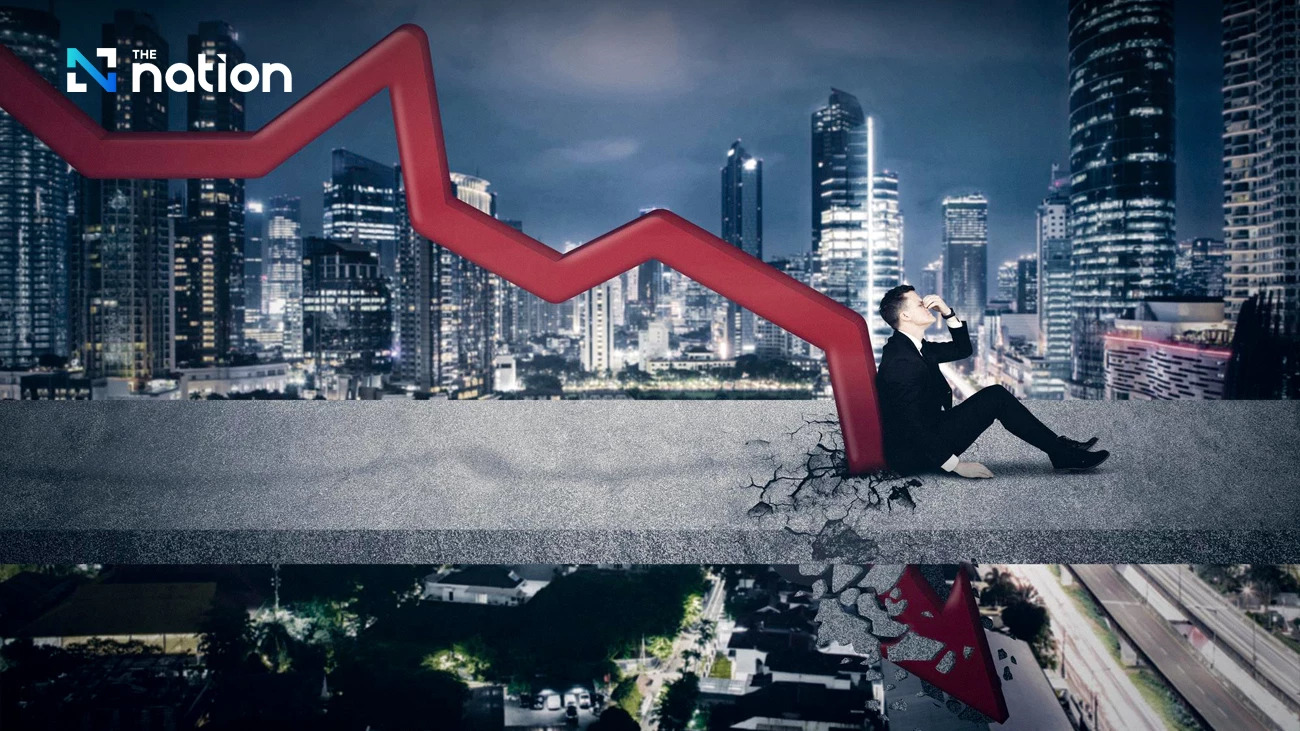
 Thai Property Market Faces Worst Slowdown in Nearly 30 Years
Thailand’s real estate market faces its worst slump since the 1997 crisis, with over 400,000 unsold condos. High debt and rising interest rates hamper recovery.
The Thai real estate market is experiencing its most severe downturn in nearly three decades, since the 1997 financial crisis. The stock of unsold residential properties has skyrocketed, with new project launches falling sharply. Consumer purchasing power has weakened due to high household debt, and the mortgage lending situation is tighter than ever before.
Experts are uncertain whether the market will recover within the next 2–3 years, especially given the ongoing low economic growth in Thailand. The International Monetary Fund (IMF) forecasts that Thailand’s economy will grow by only 1.6% in 2026, reflecting the deep structural issues still present in the economy. This downturn may not just be a cyclical slow down but could be a prolonged adjustment, with no clear end in sight.
400,000 Unsold Condominiums
One of the most concerning signs of the downturn in the Thai real estate market is the volume of unsold housing units, which has been building up over the years and has become a significant financial burden for property developers.
Dr Sopon Pornchokchai, President of the Thai Real Estate Information Center at the Agency of Real Estate Affairs, told Nikkei Asia that there are about 220,000 unsold condominium units in Bangkok alone, and the total number nationwide could reach 400,000 units. These unsold units are mostly held by property developers and have become a major financial liability for them.
These unsold units are not only “unsold homes” but also represent ongoing financial costs, including loan interest, property holding costs, project management expenses, and the pressure of upcoming bond repayments, particularly when the capital market is not favorable.
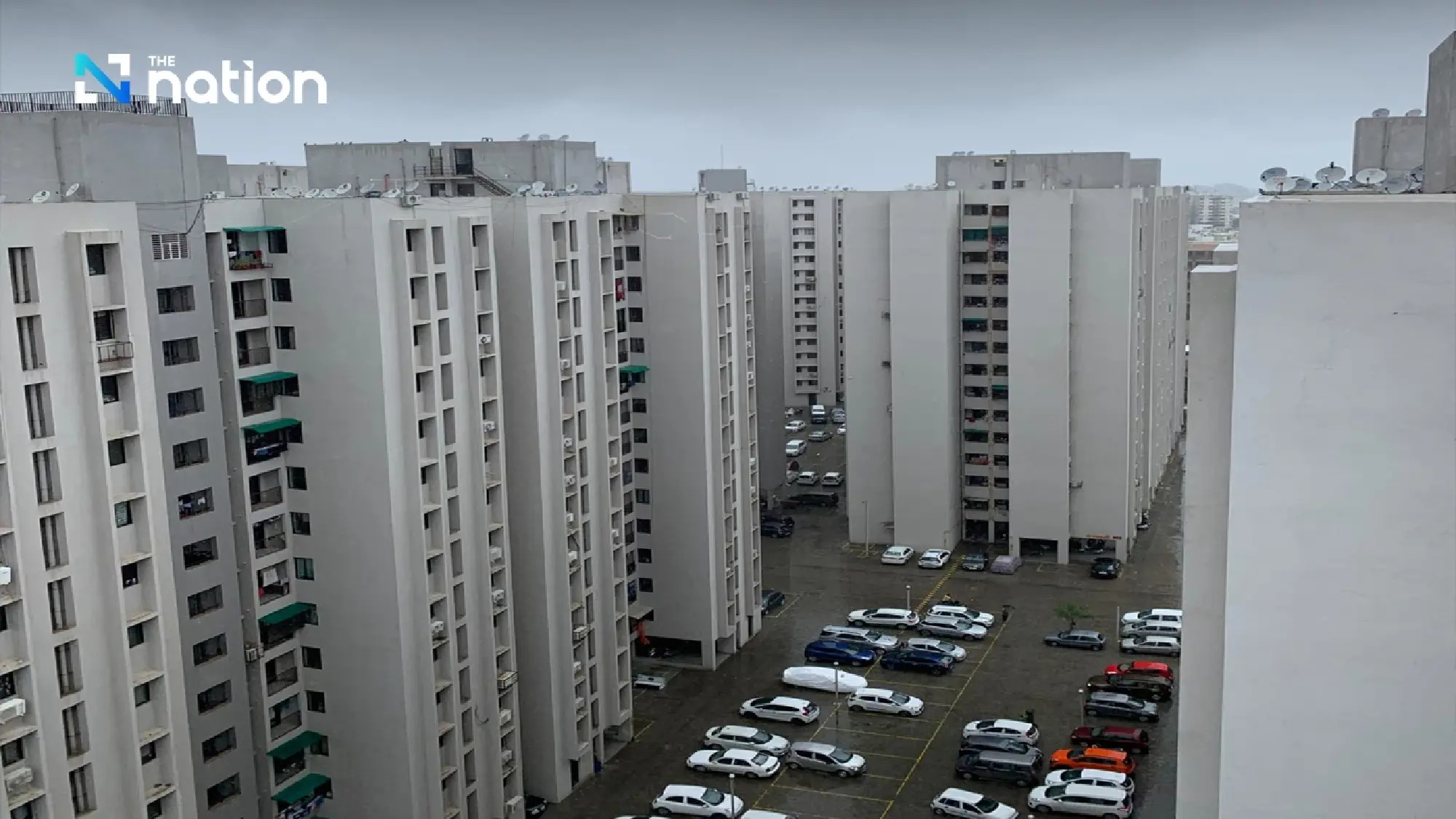 Data from real estate consulting firm CBRE clearly shows the “slowdown” in the market, with only 13,700 new condominium units launched in Bangkok in the first 9 months of 2025, compared to an average of around 52,000 units per year between 2014 and 2024, including the COVID-19 pandemic period.
The contraction in new supply is not a sign that demand is returning but indicates that many developers are choosing to “pause before facing more losses” as launching new projects amid the oversupply of existing units only increases liquidity risks and the potential for debt repayment problems.
CBRE predicts that new condominium supply in Bangkok will continue to decrease, dropping to below 40,000 units in 2026, and further falling to around 20,000 units in 2027, with only about 10,000 units per year in the following two years. These levels are abnormally low for the capital and signal that the real estate business is entering a “long-term defensive mode.”
Interest Rate Hikes Stifle the Thai Property Market
The core issue behind this crisis is the rapid expansion during the low-interest rate period, which encouraged borrowing. Many real estate developers accelerated new projects, expanded their portfolios, and used high leverage, operating under the assumption that interest rates would stay low and the middle class would recover quickly after the COVID-19 pandemic.
However, this assumption collapsed abruptly when the Bank of Thailand raised its policy interest rate from a record low of 0.5% to 2.5% within just a year. This sharp increase in mortgage rates has led to a surge in borrowing costs, while the demand for housing has decreased.
At the same time, the government has become more serious about controlling the country’s high household debt, which, as of the first quarter of 2025, stood at 88.2% of the country’s GDP, the second highest in Asia after South Korea, according to data from Trading Economics. This has led commercial banks to tighten credit standards, directly impacting the housing market.
The Real Estate Developers Association reported that the average rejection rate for housing loans has reached 40%, and in some cases, it has nearly doubled, especially for projects priced below 3 million THB. The main reasons for rejections include high debt burdens, unstable income, and weak financial histories.
“One analyst stated, ‘This is a very high number. Some publicly listed property developers have become ‘zombie companies,’ unable to repay their loans or trying to restructure their bond payments, and they can hardly sell any of their projects.’”
Mass Market Stagnation, but High-End Market Still Moving
The Thai Stock Exchange’s real estate and construction index has dropped more than 42% from its peak in early 2023, though it has slightly recovered following interest rate cuts. Stocks that have seen sharp declines include WHA Corporation, Land and Houses, and Sansiri.
However, in Bangkok, real estate in locations connected to public transport systems, near hospitals and educational institutions, and within business districts is still performing relatively well.
 “For example, in areas near Chulalongkorn University, real estate is still selling, and we are still doing business quite well,” said Poomipak Julmanichoti, Director and Chief Strategy Officer of Sansiri, in an interview with Nikkei Asia.
He added, “Frankly, as long as we continue operating at the current level, we’ll be fine. Therefore, we have no issues with our inventory.” He further pointed out that unsold inventory is mostly found in peripheral areas and in the mass-market segment, with units priced at 3 million THB or lower.
Signs of Recovery Outside Bangkok – FDI Boosts Industrial Property
According to a survey by the Agency of Real Estate Affairs (AREA), certain regions outside Bangkok are showing brighter prospects in the housing market, including Phuket, Pattaya, Koh Samui, Hua Hin, and Sriracha, particularly in the Eastern Seaboard area. Sriracha, in particular, is home to a large Japanese expatriate community, the second largest in Thailand after Bangkok, most of whom work in industrial estates within the Eastern Economic Corridor (EEC).
At the same time, the “industrial and logistics real estate sector” has performed better compared to other sectors, buoyed by strong foreign direct investment (FDI) in 2025.
“The manufacturing sector is relatively strong,” said Marcus Burtenshaw, Head of Strategy and Industrial Solutions at global real estate firm Knight Frank. “We’re seeing very high demand, not only from China but from across the region, including ASEAN, Europe, and the US. The export-oriented manufacturing sector remains quite stable.”
Additionally, the tightening of credit standards has made “second-hand homes,” which are more affordable, an increasingly attractive option. This has led to a slight improvement in the secondary housing market, which typically has lower liquidity. At the same time, it has increased pressure on new housing projects.
Summary:
While certain segments and areas of the real estate market still show promise, the overall market remains sluggish, with properties continuing to be difficult to sell. Sopon Pornchokchai from AREA stated that for the real estate market to stabilize in the long term, Thailand needs political stability, effective property tax reforms for vacant properties to boost liquidity, increased infrastructure investments, and additional measures to reduce household debt.
“If we really want to help the market, the first thing to do is reduce interest rates,” he said.
“Many expect that next year, economic growth may be below 2%, so the property market likely won’t see a major turnaround unless we do more than what we are doing now,” Sopon concluded.
Source: https://www.nationthailand.com/business/property/40061239
Google Translation:
ตลาดอสังหาริมทรัพย์ไทยเผชิญภาวะชะลอตัวที่รุนแรงที่สุดในรอบเกือบ 30 ปี
ตลาดอสังหาริมทรัพย์ของไทยกำลังเผชิญกับภาวะตกต่ำที่เลวร้ายที่สุดนับตั้งแต่เกิดวิกฤตการณ์ทางการเงินปี 1997 โดยมีคอนโดมิเนียมขายไม่ออกกว่า 400,000 ยูนิต หนี้สินสูงและอัตราดอกเบี้ยที่เพิ่มสูงขึ้นเป็นอุปสรรคต่อการฟื้นตัว
ตลาดอสังหาริมทรัพย์ไทยกำลังประสบกับภาวะตกต่ำที่รุนแรงที่สุดในรอบเกือบสามทศวรรษ นับตั้งแต่เกิดวิกฤตการณ์ทางการเงินปี 1997 จำนวนที่อยู่อาศัยที่ขายไม่ออกพุ่งสูงขึ้นอย่างมาก ในขณะที่การเปิดตัวโครงการใหม่ลดลงอย่างรวดเร็ว กำลังซื้อของผู้บริโภคอ่อนแอลงเนื่องจากหนี้สินครัวเรือนสูง และสถานการณ์การปล่อยสินเชื่อจำนองก็ตึงตัวกว่าที่เคยเป็นมา
ผู้เชี่ยวชาญไม่แน่ใจว่าตลาดจะฟื้นตัวได้ภายใน 2-3 ปีข้างหน้าหรือไม่ โดยเฉพาะอย่างยิ่งเมื่อพิจารณาจากอัตราการเติบโตทางเศรษฐกิจที่ต่ำอย่างต่อเนื่องในประเทศไทย กองทุนการเงินระหว่างประเทศ (IMF) คาดการณ์ว่าเศรษฐกิจของไทยจะเติบโตเพียง 1.6% ในปี 2026 ซึ่งสะท้อนให้เห็นถึงปัญหาเชิงโครงสร้างที่ยังคงมีอยู่ในเศรษฐกิจ ภาวะเศรษฐกิจตกต่ำครั้งนี้อาจไม่ใช่แค่การชะลอตัวตามวัฏจักร แต่อาจเป็นการปรับตัวที่ยืดเยื้อและยังไม่มีทีท่าว่าจะสิ้นสุดลงเมื่อใด
คอนโดมิเนียมขายไม่ออก 400,000 ยูนิต
หนึ่งในสัญญาณที่น่ากังวลที่สุดของภาวะเศรษฐกิจตกต่ำในตลาดอสังหาริมทรัพย์ไทยคือปริมาณห้องชุดที่ขายไม่ออก ซึ่งสะสมมาหลายปีและกลายเป็นภาระทางการเงินที่สำคัญสำหรับผู้พัฒนาอสังหาริมทรัพย์
ดร.โสภณ พรโชคชัย ประธานศูนย์ข้อมูลอสังหาริมทรัพย์แห่งประเทศไทย สังกัดสำนักงานกิจการอสังหาริมทรัพย์ กล่าวกับนิกกี้ เอเชีย ว่ามีคอนโดมิเนียมขายไม่ออกประมาณ 220,000 ยูนิตในกรุงเทพฯ เพียงแห่งเดียว และจำนวนรวมทั่วประเทศอาจสูงถึง 400,000 ยูนิต ห้องชุดที่ขายไม่ออกเหล่านี้ส่วนใหญ่เป็นของผู้พัฒนาอสังหาริมทรัพย์และกลายเป็นภาระทางการเงินที่สำคัญสำหรับพวกเขา
ห้องชุดที่ขายไม่ออกเหล่านี้ไม่เพียงแต่เป็น “บ้านที่ขายไม่ออก” เท่านั้น แต่ยังแสดงถึงต้นทุนทางการเงินที่เกิดขึ้นอย่างต่อเนื่อง รวมถึงดอกเบี้ยเงินกู้ ค่าใช้จ่ายในการถือครองทรัพย์สิน ค่าใช้จ่ายในการบริหารโครงการ และแรงกดดันจากการชำระหนี้จำนองที่จะเกิดขึ้น โดยเฉพาะอย่างยิ่งเมื่อตลาดทุนไม่เอื้ออำนวย
ข้อมูลจากบริษัทที่ปรึกษาด้านอสังหาริมทรัพย์ CBRE แสดงให้เห็นอย่างชัดเจนถึง “การชะลอตัว” ในตลาด โดยมีคอนโดมิเนียมใหม่เปิดตัวเพียง 13,700 ยูนิตในกรุงเทพฯ ในช่วง 9 เดือนแรกของปี 2025 เทียบกับค่าเฉลี่ยประมาณ 52,000 ยูนิตต่อปีระหว่างปี 2014 ถึง 2024 ซึ่งรวมถึงช่วงการระบาดของโควิด-19 ด้วย
การลดลงของอุปทานใหม่ไม่ได้บ่งชี้ว่าความต้องการกำลังกลับมา แต่แสดงให้เห็นว่าผู้พัฒนาหลายรายเลือกที่จะ “ชะลอไว้ก่อนที่จะถูกขาดทุนมากขึ้น” เนื่องจากการเปิดตัวโครงการใหม่ท่ามกลางอุปทานส่วนเกินของยูนิตที่มีอยู่จะเพิ่มความเสี่ยงด้านสภาพคล่องและปัญหาการชำระหนี้
CBRE คาดการณ์ว่าอุปทานคอนโดมิเนียมใหม่ในกรุงเทพฯ จะลดลงอย่างต่อเนื่อง โดยลดลงต่ำกว่า 40,000 ยูนิตในปี 2026 และลดลงอีกเหลือประมาณ 20,000 ยูนิตในปี 2027 โดยมีเพียงประมาณ 10,000 ยูนิตต่อปีในอีกสองปีถัดไป ระดับเหล่านี้ถือว่าต่ำผิดปกติสำหรับเงินทุน และเป็นสัญญาณบ่งชี้ว่าธุรกิจอสังหาริมทรัพย์กำลังเข้าสู่ “โหมดป้องกันความเสี่ยงระยะยาว”
การขึ้นอัตราดอกเบี้ยทำให้ตลาดอสังหาริมทรัพย์ไทยชะงักงัน
ปัญหาหลักที่อยู่เบื้องหลังวิกฤตนี้คือการขยายตัวอย่างรวดเร็วในช่วงที่อัตราดอกเบี้ยต่ำ ซึ่งกระตุ้นให้เกิดการกู้ยืม ผู้พัฒนาอสังหาริมทรัพย์หลายรายเร่งโครงการใหม่ ขยายพอร์ตโฟลิโอ และใช้ประโยชน์จากเงินกู้สูง โดยคาดการณ์ว่าอัตราดอกเบี้ยจะยังคงต่ำ และชนชั้นกลางจะฟื้นตัวได้อย่างรวดเร็วหลังจากการระบาดของโควิด-19
อย่างไรก็ตาม สมมติฐานนี้พังทลายลงอย่างฉับพลันเมื่อธนาคารแห่งประเทศไทยปรับขึ้นอัตราดอกเบี้ยนโยบายจากระดับต่ำสุดเป็นประวัติการณ์ที่ 0.5% เป็น 2.5% ภายในเวลาเพียงหนึ่งปี การเพิ่มขึ้นอย่างรวดเร็วของอัตราดอกเบี้ยจำนองนี้ส่งผลให้ต้นทุนการกู้ยืมพุ่งสูงขึ้น ในขณะที่ความต้องการที่อยู่อาศัยลดลง
ในขณะเดียวกัน รัฐบาลก็ให้ความสำคัญมากขึ้นกับการควบคุมหนี้ครัวเรือนที่สูงของประเทศ ซึ่ง ณ ไตรมาสแรกของปี 2568 อยู่ที่ 88.2% ของ GDP ของประเทศ สูงเป็นอันดับสองในเอเชียรองจากเกาหลีใต้ ตามข้อมูลจาก Trading Economics ส่งผลให้ธนาคารพาณิชย์เข้มงวดมาตรฐานการให้สินเชื่อมากขึ้น ซึ่งส่งผลกระทบโดยตรงต่อตลาดที่อยู่อาศัย
สมาคมผู้พัฒนาอสังหาริมทรัพย์รายงานว่า อัตราการปฏิเสธสินเชื่อที่อยู่อาศัยโดยเฉลี่ยสูงถึง 40% และในบางกรณีเพิ่มขึ้นเกือบเท่าตัว โดยเฉพาะโครงการที่มีราคาต่ำกว่า 3 ล้านบาท สาเหตุหลักของการปฏิเสธ ได้แก่ ภาระหนี้สินสูง รายได้ไม่มั่นคง และประวัติทางการเงินที่ไม่แข็งแรง
“นักวิเคราะห์คนหนึ่งกล่าวว่า ‘นี่เป็นตัวเลขที่สูงมาก บริษัทพัฒนาอสังหาริมทรัพย์ที่จดทะเบียนในตลาดหลักทรัพย์บางแห่งกลายเป็น ‘บริษัทซอมบี้’ ที่ไม่สามารถชำระหนี้หรือพยายามปรับโครงสร้างการชำระหนี้จำนอง และแทบจะขายโครงการใดๆ ไม่ได้เลย’”
ตลาดอสังหาริมทรัพย์ระดับกลางชะงักงัน แต่ตลาดระดับไฮเอนด์ยังคงเคลื่อนไหว
ดัชนีอสังหาริมทรัพย์และการก่อสร้างของตลาดหลักทรัพย์ไทยลดลงมากกว่า 42% จากจุดสูงสุดในช่วงต้นปี 2566 แม้ว่าจะฟื้นตัวขึ้นเล็กน้อยหลังจากการปรับลดอัตราดอกเบี้ย หุ้นที่ร่วงลงอย่างมาก ได้แก่ บริษัท ดับเบิลยูเอชเอ คอร์ปอเรชั่น, แลนด์แอนด์เฮาส์ และแสนสิริ
อย่างไรก็ตาม ในกรุงเทพฯ อสังหาริมทรัพย์ในทำเลที่เชื่อมต่อกับระบบขนส่งสาธารณะ ใกล้โรงพยาบาลและสถาบันการศึกษา และภายในย่านธุรกิจ ยังคงมีผลการดำเนินงานค่อนข้างดี
“ตัวอย่างเช่น ในพื้นที่ใกล้กับมหาวิทยาลัยจุฬาลงกรณ์ อสังหาริมทรัพย์ยังคงขายได้ และเรายังคงทำธุรกิจได้ค่อนข้างดี” ภูมิภักดิ์ จุลมณีโชติ กรรมการและประธานเจ้าหน้าที่ฝ่ายกลยุทธ์ของแสนสิริ กล่าวในการสัมภาษณ์กับนิกเกอิ เอเชีย
เขากล่าวเสริมว่า “พูดตามตรง ตราบใดที่เรายังคงดำเนินงานในระดับปัจจุบัน เราก็จะไม่มีปัญหา ดังนั้นเราจึงไม่มีปัญหาเรื่องสินค้าคงคลัง” เขายังชี้ให้เห็นเพิ่มเติมว่า สินค้าคงคลังที่ขายไม่ออกส่วนใหญ่อยู่ในพื้นที่รอบนอกและในกลุ่มตลาดระดับกลาง โดยมีราคาหน่วยลงทุนอยู่ที่ 3 ล้านบาทหรือต่ำกว่า
สัญญาณการฟื้นตัวนอกกรุงเทพฯ – การลงทุนโดยตรงจากต่างประเทศกระตุ้นอสังหาริมทรัพย์เพื่ออุตสาหกรรม
จากการสำรวจของสำนักงานกำกับดูแลกิจการอสังหาริมทรัพย์ (AREA) พบว่าบางภูมิภาคนอกกรุงเทพฯ มีแนวโน้มที่ดีขึ้นในตลาดที่อยู่อาศัย ได้แก่ ภูเก็ต พัทยา เกาะสมุย หัวหิน และศรีราชา โดยเฉพาะในพื้นที่ชายฝั่งทะเลตะวันออก ศรีราชาเป็นที่ตั้งของชุมชนชาวญี่ปุ่นขนาดใหญ่ ซึ่งเป็นอันดับสองในประเทศไทยรองจากกรุงเทพฯ โดยส่วนใหญ่ทำงานในนิคมอุตสาหกรรมภายในเขตเศรษฐกิจพิเศษภาคตะวันออก (EEC)
ในขณะเดียวกัน “ภาคอสังหาริมทรัพย์เพื่ออุตสาหกรรมและโลจิสติกส์” มีผลการดำเนินงานที่ดีกว่าภาคส่วนอื่นๆ โดยได้รับแรงหนุนจากการลงทุนโดยตรงจากต่างประเทศ (FDI) ที่แข็งแกร่งในปี 2025
“ภาคการผลิตค่อนข้างแข็งแกร่ง” มาร์คัส เบอร์เทนชอว์ หัวหน้าฝ่ายกลยุทธ์และโซลูชันอุตสาหกรรมของบริษัทอสังหาริมทรัพย์ระดับโลก ไนท์ แฟรงค์ กล่าว “เราเห็นความต้องการสูงมาก ไม่เพียงแต่จากจีนเท่านั้น แต่มาจากทั่วทั้งภูมิภาค รวมถึงอาเซียน ยุโรป และสหรัฐอเมริกา ภาคการผลิตเพื่อการส่งออกยังคงมีเสถียรภาพค่อนข้างดี”
นอกจากนี้ การเข้มงวดมาตรฐานสินเชื่อทำให้ “บ้านมือสอง” ซึ่งมีราคาไม่แพงกว่า กลายเป็นตัวเลือกที่น่าสนใจมากขึ้น ส่งผลให้ตลาดบ้านมือสองซึ่งโดยทั่วไปมีสภาพคล่องต่ำกว่า ปรับตัวดีขึ้นเล็กน้อย ในขณะเดียวกันก็เพิ่มแรงกดดันต่อโครงการบ้านใหม่
สรุป:
แม้ว่าบางส่วนและบางพื้นที่ของตลาดอสังหาริมทรัพย์ยังคงมีแนวโน้มที่ดี แต่ตลาดโดยรวมยังคงซบเซา โดยอสังหาริมทรัพย์ยังคงขายได้ยาก นายโสภณ พรโชคชัย จาก AREA กล่าวว่า เพื่อให้ตลาดอสังหาริมทรัพย์มีเสถียรภาพในระยะยาว ประเทศไทยต้องการเสถียรภาพทางการเมือง การปฏิรูปภาษีที่ดินและสิ่งปลูกสร้างที่ว่างเปล่าอย่างมีประสิทธิภาพเพื่อเพิ่มสภาพคล่อง การลงทุนด้านโครงสร้างพื้นฐานที่เพิ่มขึ้น และมาตรการเพิ่มเติมเพื่อลดหนี้ครัวเรือน
“หากเราต้องการช่วยเหลือตลาดอย่างแท้จริง สิ่งแรกที่ต้องทำคือลดอัตราดอกเบี้ย” เขากล่าว
“หลายคนคาดการณ์ว่าปีหน้า การเติบโตทางเศรษฐกิจอาจต่ำกว่า 2% ดังนั้น ตลาดอสังหาริมทรัพย์จึงไม่น่าจะฟื้นตัวอย่างมาก เว้นแต่เราจะทำมากกว่าที่เรากำลังทำอยู่ตอนนี้” โสภณสรุป