 State Railway of Thailand (SRT) to seek Cabinet approval for three-airport high-speed rail contract changes
- The State Railway of Thailand (SRT) will ask the Cabinet to approve changes to the project’s payment structure, shifting the state’s investment to installments based on construction progress and allowing the private partner to pay its concession fee in seven annual installments.
- These amendments are the result of negotiations that began after the COVID-19 pandemic impacted passenger forecasts, leading the private partner, Asia Era One Co., Ltd., to seek compensation.
- The SRT is targeting a July 2026 contract signing to prevent delays to the interconnected Thai-Chinese high-speed rail project, with the three-airport line now projected to open in 2032.
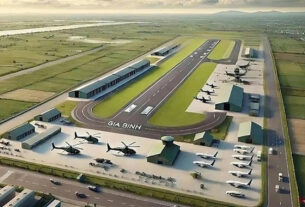
The high-speed rail project linking three airports (Don Mueang, Suvarnabhumi and U-Tapao) is a public-private partnership (PPP) scheme.
The investment contract was signed between the State Railway of Thailand (SRT) and Asia Era One Co., Ltd., in which the Charoen Pokphand Group (CP Group) is the major shareholder, on October 24, 2019, after the company won the tender by proposing the lowest state co-investment request of THB117.226 billion.
After that, the Covid-19 outbreak affected the project as passenger forecasts fell, and the private partner sought compensation.
The Cabinet approved the compensation measures on October 19, 2021, under the government of Gen Prayut Chan-o-cha, and negotiations to amend the contract have continued through the administrations of Srettha Thavisin, Paetongtarn Shinawatra and Anutin Charnvirakul.
However, the draft contract amendments have still not been approved.
Overall, the public has missed out on the opportunity to use this high-speed rail line for more than six years.
Anan Phonimdaeng, deputy governor of the State Railway of Thailand and acting governor, spoke after the SRT board meeting on February 18, 2026.
He said the board had acknowledged progress on the three-airport high-speed rail project, and that the SRT has submitted a report seeking approval to revise the project’s underlying principles to the Eastern Economic Corridor Office (EECO), ahead of a proposal to the Cabinet.
The Cabinet will be asked to consider amendments to the PPP principles, in line with the earlier resolution of the Eastern Economic Corridor Policy Committee.
The key points of the proposed revisions include:
The payment method for the state’s Public Investment Cost (PIC. Previously, once the private partner began operating the high-speed rail service, the state would pay a total of THB149.65 billion. This would be adjusted to instalment payments based on work progress as certified by the SRT, capped at no more than THB120 billion.
The schedule for paying the concession fee under the Airport Rail Link (ARL) investment rights. The private partner would pay the THB10.67109 billion concession fee in seven equal annual instalments, with the first instalment due on the date the amended contract is signed.
“Revising the underlying principles is now considered complete on the SRT’s side. We have concluded with the private partner and submitted it to the EECO. After that, the EECO will forward it to the Cabinet for approval of the principal changes, based on the principles already considered by the Eastern Economic Corridor Policy Committee, namely, shifting to a build-and-pay-as-you-go method and splitting the ARL concession payments.”
While awaiting consideration of the principal changes, the SRT will also consult the Office of the Attorney-General to prepare the “final draft contract” before signing the amended contract with the private partner.
The SRT has set out the following working timeline:
- Submit the draft contract to the Cabinet for consideration in June 2026
- Sign the contract in July 2026
- Issue the Notice to Proceed (NTP) within 30 days, or in August 2026
- Construction period of five years
- System testing for a further six months
- Expected opening in 2032
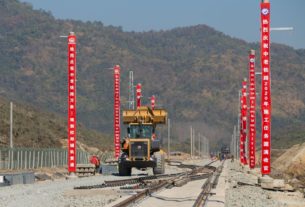
Because the three-airport high-speed rail project shares civil works with the Thai–Chinese high-speed rail project on the Bang Sue–Don Mueang section, the contract amendment must be concluded to avoid affecting the Thai–Chinese project’s civil works.
Under the conditions for the shared civil works on that section, Asia Era One Co., Ltd. is responsible for construction.
The latest timeline is therefore considered appropriate.
If the contract cannot be signed within the planned timeframe in July 2026, the SRT will need to submit the matter to the Cabinet to consider changing the scope of work.
This would require the SRT to take back and construct the shared civil works under Contract 4-1 (Bang Sue–Don Mueang) itself, to avoid affecting the overall construction of the Thai–Chinese high-speed rail project.
The SRT assesses that the proposed timeline aligns with Contract 4-5 (Ban Pho–Phra Kaew), which is currently in the process of finalising the Ayutthaya station design adjustments and preparing to open bidding to appoint contractors.
Source: https://www.nationthailand.com/blogs/news/general/40062817
Google Translation:
การรถไฟแห่งประเทศไทย (ร.ฟ.) จะขออนุมัติจากคณะรัฐมนตรีเพื่อแก้ไขสัญญาโครงการรถไฟความเร็วสูง 3 สนามบิน
การรถไฟแห่งประเทศไทย (ร.ฟ.) จะขออนุมัติจากคณะรัฐมนตรีเพื่อแก้ไขโครงสร้างการชำระเงินของโครงการ โดยเปลี่ยนการลงทุนของรัฐเป็นการจ่ายเป็นงวดตามความคืบหน้าของการก่อสร้าง และอนุญาตให้ภาคเอกชนชำระค่าสัมปทานเป็นงวดรายปี 7 งวด
การแก้ไขเหล่านี้เป็นผลมาจากการเจรจาที่เริ่มต้นขึ้นหลังจากสถานการณ์การระบาดของโควิด-19 ส่งผลกระทบต่อการคาดการณ์จำนวนผู้โดยสาร ทำให้บริษัท เอเชีย เอรา วัน จำกัด ซึ่งเป็นพันธมิตรภาคเอกชน เรียกร้องค่าชดเชย
ร.ฟ. ตั้งเป้าที่จะลงนามในสัญญาภายในเดือนกรกฎาคม 2569 เพื่อป้องกันความล่าช้าของโครงการรถไฟความเร็วสูงเชื่อมต่อไทย-จีน ซึ่งคาดว่าจะเปิดให้บริการในปี 2565
โครงการรถไฟความเร็วสูงเชื่อมต่อสนามบิน 3 แห่ง (ดอนเมือง สุวรรณภูมิ และอู่ตะเภา) เป็นโครงการความร่วมมือระหว่างภาครัฐและเอกชน (PPP)
สัญญาการลงทุนได้ลงนามระหว่างการรถไฟแห่งประเทศไทย (ร.ฟ.ท.) และบริษัท เอเชีย เอรา วัน จำกัด ซึ่งกลุ่มบริษัทเจริญโภคภัณฑ์ (ซีพี กรุ๊ป) เป็นผู้ถือหุ้นรายใหญ่ เมื่อวันที่ 24 ตุลาคม 2562 หลังจากที่บริษัทชนะการประมูลโดยเสนอส่วนแบ่งการลงทุนจากภาครัฐต่ำที่สุดที่ 117.226 พันล้านบาท
ต่อมา การระบาดของโควิด-19 ส่งผลกระทบต่อโครงการ เนื่องจากจำนวนผู้โดยสารที่คาดการณ์ไว้ลดลง และภาคเอกชนจึงเรียกร้องค่าชดเชย
คณะรัฐมนตรีอนุมัติมาตรการชดเชยเมื่อวันที่ 19 ตุลาคม 2564 ในสมัยรัฐบาลของพลเอกประยุทธ์ จันทร์โอชา และการเจรจาแก้ไขสัญญายังคงดำเนินต่อไปในสมัยรัฐบาลของนายศเรษฐา ทวีสินธ์ นายแพทองธาร ชินวัตร และนายอนุทิน ชาญวีรกุล
อย่างไรก็ตาม ร่างแก้ไขสัญญายังไม่ได้รับการอนุมัติ
โดยรวมแล้ว ประชาชนพลาดโอกาสในการใช้บริการรถไฟความเร็วสูงสายนี้มานานกว่า 6 ปีแล้ว
นายอนันต์ โภนิมแดง รองผู้ว่าการการรถไฟแห่งประเทศไทย (รักษาการ) กล่าวหลังการประชุมคณะกรรมการบริษัทการรถไฟแห่งประเทศไทย เมื่อวันที่ 18 กุมภาพันธ์ 2569 ว่า
คณะกรรมการฯ รับทราบความคืบหน้าของโครงการรถไฟความเร็วสูง 3 สนามบิน และการรถไฟแห่งประเทศไทยได้ส่งรายงานขออนุมัติแก้ไขหลักการพื้นฐานของโครงการไปยังสำนักงานเขตเศรษฐกิจพิเศษภาคตะวันออก (EECO) ก่อนที่จะเสนอต่อคณะรัฐมนตรี
คณะรัฐมนตรีจะพิจารณาแก้ไขหลักการความร่วมมือระหว่างภาครัฐและเอกชน (PPP) ให้สอดคล้องกับมติก่อนหน้านี้ของคณะกรรมการนโยบายเขตเศรษฐกิจพิเศษภาคตะวันออก
ประเด็นสำคัญของการแก้ไขที่เสนอมีดังนี้:
วิธีการชำระเงินสำหรับต้นทุนการลงทุนภาครัฐ (PIC) ก่อนหน้านี้ เมื่อภาคเอกชนเริ่มดำเนินการให้บริการรถไฟความเร็วสูง ภาครัฐจะจ่ายเงินรวมทั้งสิ้น 149.65 พันล้านบาท ซึ่งจะปรับเป็นการชำระเป็นงวดตามความคืบหน้าของงานที่ได้รับการรับรองจาก ก.พ. โดยมีวงเงินสูงสุดไม่เกิน 120 พันล้านบาท
กำหนดการชำระค่าสัมปทานภายใต้สิทธิการลงทุนโครงการแอร์พอร์ตเรลลิงก์ (ARL) ภาคเอกชนจะชำระค่าสัมปทานจำนวน 10.67109 พันล้านบาท เป็น 7 งวดเท่าๆ กันทุกปี โดยงวดแรกจะครบกำหนดชำระในวันที่ลงนามในสัญญาที่แก้ไขแล้ว
“การแก้ไขหลักการพื้นฐานในส่วนของ ก.พ. ถือว่าเสร็จสมบูรณ์แล้ว เราได้ข้อสรุปกับภาคเอกชนและส่งให้ ก.ล.บ. แล้ว หลังจากนั้น ก.ล.บ. จะส่งต่อไปยังคณะรัฐมนตรีเพื่อขออนุมัติการเปลี่ยนแปลงหลักการ โดยอิงจากหลักการที่คณะกรรมการนโยบายระเบียงเศรษฐกิจภาคตะวันออกได้พิจารณาไว้แล้ว กล่าวคือ การเปลี่ยนไปใช้… วิธีการก่อสร้างแบบจ่ายตามการใช้งาน และการแบ่งชำระค่าสัมปทาน ARL”
ในระหว่างรอการพิจารณาการเปลี่ยนแปลงหลักการ การรถไฟฟ้าขนส่งมวลชนแห่งประเทศไทย (ร.ฟ.ท.) จะปรึกษาหารือกับสำนักงานอัยการสูงสุดเพื่อเตรียม “ร่างสัญญาฉบับสุดท้าย” ก่อนลงนามในสัญญาฉบับแก้ไขกับภาคเอกชน
ร.ฟ.ท. ได้กำหนดระยะเวลาการทำงานดังนี้:
ส่งร่างสัญญาให้คณะรัฐมนตรีพิจารณาในเดือนมิถุนายน 2569
ลงนามในสัญญาในเดือนกรกฎาคม 2569
ออกหนังสือแจ้งให้เริ่มดำเนินการ (NTP) ภายใน 30 วัน หรือในเดือนสิงหาคม 2569
ระยะเวลาก่อสร้าง 5 ปี
ทดสอบระบบอีก 6 เดือน
คาดว่าจะเปิดให้บริการในปี 2575
เนื่องจากโครงการรถไฟฟ้าขนส่งมวลชน 3 สนามบิน มีงานก่อสร้างร่วมกับโครงการรถไฟฟ้าขนส่งมวลชนไทย-จีน ในส่วนบางซื่อ-ดอนเมือง การแก้ไขสัญญาจึงต้องดำเนินการให้เสร็จสิ้นเพื่อหลีกเลี่ยงผลกระทบต่องานก่อสร้างของโครงการไทย-จีน
ภายใต้เงื่อนไขสำหรับงานก่อสร้างร่วมในส่วนนั้น ในส่วนนี้ บริษัท เอเชีย เอรา วัน จำกัด รับผิดชอบงานก่อสร้าง
ดังนั้น กำหนดเวลาล่าสุดจึงถือว่าเหมาะสมแล้ว
หากไม่สามารถลงนามในสัญญาได้ภายในกรอบเวลาที่วางแผนไว้ในเดือนกรกฎาคม 2569 การรถไฟแห่งประเทศไทย (รฟ.ท.) จะต้องนำเรื่องนี้เสนอต่อคณะรัฐมนตรีเพื่อพิจารณาเปลี่ยนแปลงขอบเขตงาน
ซึ่งจะทำให้การรถไฟแห่งประเทศไทย (รฟ.ท.) ต้องรับช่วงงานก่อสร้างส่วนที่ใช้ร่วมกันภายใต้สัญญา 4-1 (บางซื่อ-ดอนเมือง) กลับมาดำเนินการเอง เพื่อไม่ให้กระทบต่อการก่อสร้างโครงการรถไฟความเร็วสูงไทย-จีนโดยรวม
การรถไฟฟ้าขนส่งมวลชนแห่งประเทศไทย (SRT) ประเมินว่ากรอบเวลาที่เสนอสอดคล้องกับสัญญาฉบับที่ 4-5 (บ้านโพธิ์-พระแก้ว) ซึ่งขณะนี้อยู่ในขั้นตอนการสรุปการปรับปรุงการออกแบบสถานีอยุธยาและเตรียมเปิดประมูลเพื่อแต่งตั้งผู้รับเหมา