Second-hand homes in Bangkok take centre stage in new cycle, Buyers prioritise value and certainty
THIS NEWS ARTICLE KINDLY SPONSORED BY FALLPROTEC, A WORLD-RENOWNED NAME IN THE DESIGN AND MANUFACTURE OF PREMIUM FALL PROTECTION SYSTEMS AND HEIGHT ACCESS SOLUTIONS
The residential market may have already bottomed out, but a recovery is unlikely to resemble previous cycles, with second-hand homes expected to become the primary growth engine as affordability challenges continue to reshape buyer behaviour.
Vichai Viratkapan, an independent housing and urban development analyst and manager of the Housing Finance Association, said the market has begun to stabilise, but the recovery will be gradual and led by resale housing rather than newly launched projects.
“The market has started to recover, but not every segment will recover at the same pace,” he said. “Resale homes will become the key driver of the next growth cycle.”
Second-hand homes are better aligned with current market conditions because they offer lower prices, established neighbourhoods and immediate occupancy at a time when purchasing power remains under pressure, said Mr Vichai.
Households are making more practical purchasing decisions as economic uncertainty, elevated household debt and stricter mortgage lending standards continue to limit affordability, he noted.
Affordability has overtaken speculative investment and new project launches as the dominant factor influencing purchasing decisions, prompting buyers to focus on homes that fit their financial capacity, said Mr Vichai.
The structural shift has been building for nearly two decades. Before 2007, second-hand homes accounted for 48% of residential transfers by unit, while new homes represented 52%.
The gap was even wider by transaction value, with resale homes comprising only 38% of the market compared with 62% for newly built housing.
That balance has now reversed. In the first quarter of 2026, second-hand homes represented 67% of residential transfers by unit, leaving new homes with only a 33% share.
The value gap has also narrowed significantly. Existing homes accounted for 48% of total transfer value, while new homes captured 52%, highlighting stronger demand for higher-value resale properties.
Mr Vichai said the figures indicate that the resale market is no longer limited to lower-income buyers, but has become a mainstream option across several price segments.
He attributed the trend partly to changing buyer preferences following the pandemic, with purchasers increasingly favouring completed homes that allow them to inspect actual units, neighbourhoods and facilities before committing.
“Unlike off-plan projects, completed homes eliminate construction risks and allow buyers to secure mortgage approval immediately before transfer, reducing uncertainty throughout the purchasing process,” said Mr Vichai.
Mortgage approval remains another major hurdle, although rejection rates have improved markedly, falling to around 45% in the first quarter of 2026 from a peak of about 70% at the end of 2025, as financially weaker borrowers had already exited the market.
He compared the lending process to a water filter, saying stricter underwriting has screened out high-risk applicants, leaving a larger proportion of financially disciplined buyers with genuine housing needs.
“The quality of borrowers is improving. Those who remain in the market generally have stronger financial discipline and clearer purchasing intentions,” said Mr Vichai.
Developers should adjust their strategies by aligning new supply with genuine demand instead of relying on expectations of a rapid market rebound, he noted.
Projects targeting owner-occupiers with practical unit sizes, competitive pricing and completed or near-completed homes are expected to outperform more speculative developments over the coming years, said Mr Vichai.
Demographic changes, including slower household formation and an ageing population, are further reshaping residential demand and will require developers to rethink both product design and pricing strategies, he said.
“The market is unlikely to return to the rapid growth seen in previous cycles,” Mr Vichai said. “The next phase will be driven by real demand, with second-hand housing playing a far larger role than many expected.”
Source: https://www.bangkokpost.com/property/3289625/secondhand-homes-take-centre-stage-in-new-cycle
Google Translation:
บ้านมือสองในกรุงเทพฯ กลับมาเป็นที่สนใจอีกครั้ง ผู้ซื้อให้ความสำคัญกับความคุ้มค่าและความมั่นใจ
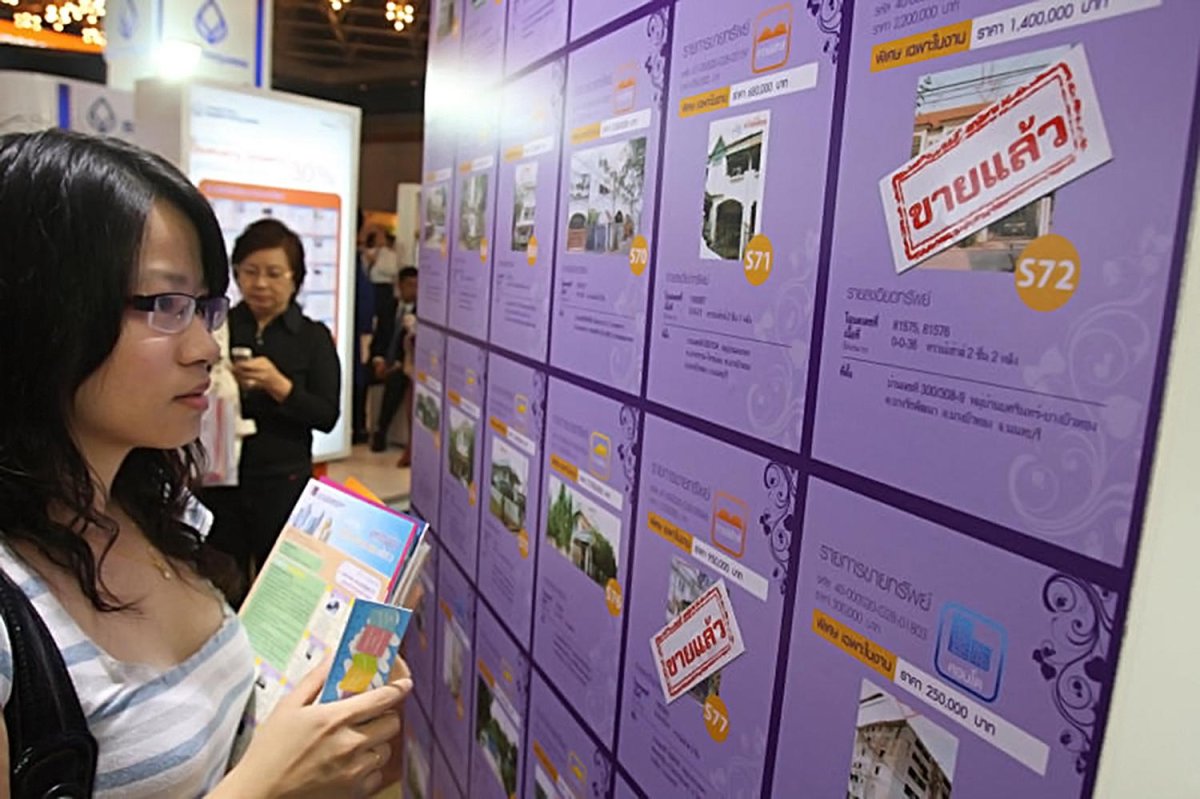
หญิงคนหนึ่งกำลังดูรายการบ้านมือสองที่จัดแสดงในงานแฟร์ที่กรุงเทพฯ (ภาพ: พระกฤษณะ จันทวงศ์)
บทความข่าวนี้ได้รับการสนับสนุนโดย FALLPROTEC บริษัทชั้นนำระดับโลกด้านการออกแบบและผลิตระบบป้องกันการตกจากที่สูงและโซลูชั่นสำหรับการทำงานบนที่สูง
ตลาดที่อยู่อาศัยอาจแตะจุดต่ำสุดไปแล้ว แต่การฟื้นตัวไม่น่าจะเหมือนกับวัฏจักรที่ผ่านมา โดยคาดว่าบ้านมือสองจะกลายเป็นเครื่องยนต์ขับเคลื่อนการเติบโตหลัก เนื่องจากความท้าทายด้านกำลังซื้อยังคงเปลี่ยนแปลงพฤติกรรมของผู้ซื้อ
วิชัย วิรัตกะพันธ์ นักวิเคราะห์อิสระด้านที่อยู่อาศัยและการพัฒนาเมือง และผู้จัดการสมาคมการเงินเพื่อที่อยู่อาศัย กล่าวว่า ตลาดเริ่มมีเสถียรภาพแล้ว แต่การฟื้นตัวจะเป็นไปอย่างค่อยเป็นค่อยไปและนำโดยบ้านมือสองมากกว่าโครงการที่เปิดตัวใหม่
“ตลาดเริ่มฟื้นตัวแล้ว แต่ไม่ใช่ทุกภาคส่วนจะฟื้นตัวในอัตราเดียวกัน” เขากล่าว “บ้านมือสองจะเป็นตัวขับเคลื่อนสำคัญของวัฏจักรการเติบโตครั้งต่อไป”
นายวิชัยกล่าวว่า บ้านมือสองเหมาะสมกับสภาวะตลาดปัจจุบันมากกว่า เพราะมีราคาที่ต่ำกว่า อยู่ในย่านที่พัฒนาแล้ว และสามารถเข้าอยู่ได้ทันที ในขณะที่กำลังซื้อยังคงอยู่ภายใต้แรงกดดัน
เขาตั้งข้อสังเกตว่า ครัวเรือนกำลังตัดสินใจซื้ออย่างรอบคอบมากขึ้น เนื่องจากความไม่แน่นอนทางเศรษฐกิจ หนี้สินครัวเรือนที่สูงขึ้น และมาตรฐานการให้สินเชื่อจำนองที่เข้มงวดขึ้น ยังคงจำกัดความสามารถในการซื้อ
นายวิชัยกล่าวว่า ความสามารถในการซื้อได้แซงหน้าการลงทุนเก็งกำไรและการเปิดตัวโครงการใหม่ๆ ในฐานะปัจจัยหลักที่มีอิทธิพลต่อการตัดสินใจซื้อ ทำให้ผู้ซื้อหันมาสนใจบ้านที่เหมาะสมกับกำลังทางการเงินของตน
การเปลี่ยนแปลงเชิงโครงสร้างนี้เกิดขึ้นมาเกือบสองทศวรรษแล้ว ก่อนปี 2550 บ้านมือสองคิดเป็น 48% ของการโอนกรรมสิทธิ์ที่อยู่อาศัยตามจำนวนหน่วย ในขณะที่บ้านใหม่คิดเป็น 52%
ช่องว่างยิ่งกว้างขึ้นไปอีกเมื่อพิจารณาจากมูลค่าการทำธุรกรรม โดยบ้านมือสองคิดเป็นเพียง 38% ของตลาด เทียบกับ 62% สำหรับบ้านสร้างใหม่
แต่ปัจจุบันสถานการณ์ได้กลับกันแล้ว ในไตรมาสแรกของปี 2026 บ้านมือสองคิดเป็น 67% ของการโอนกรรมสิทธิ์ที่อยู่อาศัยทั้งหมด ทำให้บ้านใหม่มีส่วนแบ่งเพียง 33%
ช่องว่างด้านมูลค่าก็แคบลงอย่างเห็นได้ชัดเช่นกัน บ้านมือสองคิดเป็น 48% ของมูลค่าการโอนกรรมสิทธิ์ทั้งหมด ในขณะที่บ้านใหม่คิดเป็น 52% ซึ่งแสดงให้เห็นถึงความต้องการที่แข็งแกร่งขึ้นสำหรับอสังหาริมทรัพย์มือสองที่มีมูลค่าสูง
นายวิชัยกล่าวว่าตัวเลขดังกล่าวบ่งชี้ว่าตลาดบ้านมือสองไม่ได้จำกัดอยู่เฉพาะผู้ซื้อที่มีรายได้น้อยอีกต่อไป แต่ได้กลายเป็นตัวเลือกหลักในหลายช่วงราคา
เขาให้เหตุผลว่าแนวโน้มนี้ส่วนหนึ่งมาจากความต้องการของผู้ซื้อที่เปลี่ยนแปลงไปหลังจากการระบาดใหญ่ โดยผู้ซื้อหันมานิยมบ้านที่สร้างเสร็จแล้วมากขึ้น ซึ่งช่วยให้พวกเขาสามารถตรวจสอบตัวบ้านจริง สภาพแวดล้อม และสิ่งอำนวยความสะดวกต่างๆ ก่อนตัดสินใจซื้อ
นายวิชัยกล่าวว่า “ต่างจากโครงการที่ยังไม่สร้างเสร็จ บ้านที่สร้างเสร็จแล้วจะช่วยลดความเสี่ยงจากการก่อสร้างและทำให้ผู้ซื้อสามารถขออนุมัติสินเชื่อได้ทันทีก่อนการโอนกรรมสิทธิ์ ซึ่งช่วยลดความไม่แน่นอนตลอดกระบวนการซื้อ”
การอนุมัติสินเชื่อยังคงเป็นอุปสรรคสำคัญอีกประการหนึ่ง แม้ว่าอัตราการปฏิเสธจะดีขึ้นอย่างเห็นได้ชัด โดยลดลงเหลือประมาณ 45% ในไตรมาสแรกของปี 2026 จากจุดสูงสุดประมาณ 70% ในช่วงปลายปี 2025 เนื่องจากผู้กู้ที่มีฐานะทางการเงินอ่อนแอได้ออกจากตลาดไปแล้ว
เขาเปรียบเทียบกระบวนการให้สินเชื่อกับเครื่องกรองน้ำ โดยกล่าวว่าการพิจารณาอนุมัติสินเชื่อที่เข้มงวดขึ้นได้คัดกรองผู้สมัครที่มีความเสี่ยงสูงออกไป ทำให้เหลือผู้ซื้อที่มีวินัยทางการเงินและมีความต้องการที่อยู่อาศัยอย่างแท้จริงในสัดส่วนที่มากขึ้น
“คุณภาพของผู้กู้กำลังดีขึ้น ผู้ที่ยังคงอยู่ในตลาดโดยทั่วไปมีวินัยทางการเงินที่แข็งแกร่งกว่าและมีความตั้งใจในการซื้อที่ชัดเจนกว่า” นายวิชัยกล่าว
เขาตั้งข้อสังเกตว่าผู้พัฒนาควรปรับกลยุทธ์โดยการจัดหาอุปทานใหม่ให้สอดคล้องกับความต้องการที่แท้จริง แทนที่จะพึ่งพาความคาดหวังของการฟื้นตัวของตลาดอย่างรวดเร็ว
นายวิชัยกล่าวว่า โครงการที่มุ่งเป้าไปที่ผู้ซื้อเพื่ออยู่อาศัยเอง โดยมีขนาดห้องที่เหมาะสม ราคาที่แข่งขันได้ และบ้านที่สร้างเสร็จแล้วหรือใกล้เสร็จสมบูรณ์ คาดว่าจะทำผลงานได้ดีกว่าโครงการพัฒนาอสังหาริมทรัพย์เพื่อการเก็งกำไรในอีกไม่กี่ปีข้างหน้า
การเปลี่ยนแปลงทางด้านประชากรศาสตร์ รวมถึงการก่อตัวของครัวเรือนที่ช้าลงและประชากรสูงวัยที่เพิ่มขึ้น กำลังเปลี่ยนแปลงความต้องการที่อยู่อาศัย และจะทำให้นักพัฒนาต้องคิดใหม่ทั้งในด้านการออกแบบผลิตภัณฑ์และกลยุทธ์การกำหนดราคา
“ตลาดไม่น่าจะกลับไปสู่การเติบโตอย่างรวดเร็วเหมือนในรอบก่อนๆ” นายวิชัยกล่าว “ระยะต่อไปจะขับเคลื่อนด้วยความต้องการที่แท้จริง โดยบ้านมือสองจะมีบทบาทมากกว่าที่หลายคนคาดคิด”