
 Costs jump for Rama-Treasury senior living project in Samut Prakan, Thailand
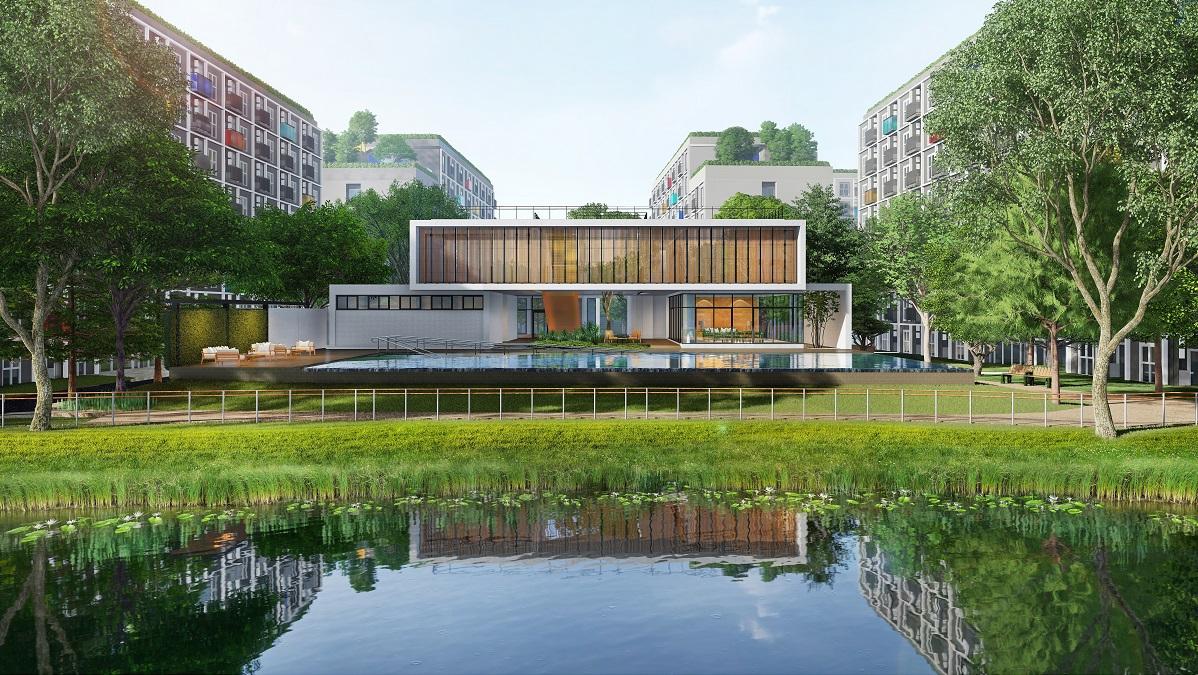
An artist’s rendition of the Rama-Treasury senior living project in Samut Prakan.
THIS NEWS ARTICLE KINDLY SPONSORED BY FALLPROTEC, A WORLD-RENOWNED NAME IN THE DESIGN AND MANUFACTURE OF PREMIUM FALL PROTECTION SYSTEMS AND HEIGHT ACCESS SOLUTIONS
The Rama-Treasury senior complex project, a pioneering model for elderly housing in Thailand, expects construction costs to rise by 20-30% as a result of economic conditions, according to the chief of Dhanarak Asset Development (DAD).
DAD president Titus Suksaard said the company, which oversees project construction, began discussing the details in 2020.
The project’s start date was significantly delayed because Ramathibodi Hospital, which jointly owns the project with the Treasury Department, subsequently revised and modified the project specifications, causing construction to be shelved for an extended period.
Due to the prolonged delay, material prices and construction costs have changed considerably, resulting in the 20-30% uptick in the construction budget, he noted.
Ramathibodi Hospital plans to request additional funding from the cabinet for the construction budget, said Mr Titus.
In addition, it may be necessary to reduce the project size, including the number of units.
No final decision has been reached yet, and further clarification is needed from the project review committee, which comprises representatives from Ramathibodi Hospital and the Treasury Department, he said.
In 2022, the cabinet approved the Treasury Department and DAD to jointly implement the “Rama-Treasury Senior Living Project” on state-owned land in Samut Prakan province, with an approved budget framework of roughly 1.35 billion baht.
Construction was scheduled to begin only after all residential units had been leased. At the time, 1,310 elderly individuals expressed interest in reserving the right to lease units in the project.
Residents receive various benefits, including the right to reside in their units for 30 years and access to healthcare benefits.
The original development plan comprised seven eight-storey residential buildings, with a total of 891 residential units.
The project’s primary objective is to provide the elderly with suitable housing equipped with facilities and amenities that support their daily living needs.
The project makes use of vacant state-owned land while creating business opportunities and additional revenue streams for DAD and the government.
According to the National Economic and Social Development Council, Thailand became an aged society in 2024, with around 14 million people 60 or older, representing roughly 20% of the population.
By 2033, the elderly population is expected to reach 28%, moving Thailand into the ranks of a “super-aged” society.
Thailand Development Research Institute projects senior citizens will account for as much as one-third of the Thai population by 2050.
Meanwhile, the number of elderly people who are homebound or bedridden is expected to increase.
However, the responsibility for providing care continues to fall largely on women within families, particularly wives and daughters.
Although local administrative organisations currently receive support from the National Health Security Office of 10,442 baht per person per year to provide individual care for dependent older adults, access to these services remains limited.
Source: https://www.bangkokpost.com/business/general/3346805/costs-jump-for-senior-living-project
Google Translation:
[We apologise if any of the translation is incorrect: google Translation occasionally gets it wrong]
ต้นทุนโครงการที่พักอาศัยสำหรับผู้สูงอายุ “รามา-ธนารักษ์” ในจังหวัดสมุทรปราการ พุ่งสูงขึ้น
ภาพจำลองโครงการที่พักอาศัยสำหรับผู้สูงอายุ “รามา-ธนารักษ์” ในจังหวัดสมุทรปราการ
บทความข่าวนี้ได้รับการสนับสนุนโดย Fallprotec แบรนด์ระดับโลกที่มีชื่อเสียงด้านการออกแบบและผลิตระบบป้องกันการตกจากที่สูงและโซลูชันสำหรับการเข้าถึงพื้นที่สูงระดับพรีเมียม
โครงการที่พักอาศัยสำหรับผู้สูงอายุ “รามา-ธนารักษ์” ซึ่งถือเป็นต้นแบบโครงการที่อยู่อาศัยสำหรับผู้สูงอายุแห่งแรกๆ ในประเทศไทย กำลังเผชิญกับภาวะต้นทุนการก่อสร้างที่คาดว่าจะปรับตัวสูงขึ้นถึง 20-30% อันเป็นผลมาจากสถานการณ์ทางเศรษฐกิจ ตามข้อมูลจากผู้บริหารบริษัท ธนารักษ์พัฒนาสินทรัพย์ จำกัด (DAD)
นายไททัส สุขสะอาด กรรมการผู้จัดการบริษัท ธนารักษ์พัฒนาสินทรัพย์ จำกัด (DAD) ซึ่งเป็นหน่วยงานกำกับดูแลการก่อสร้างโครงการ กล่าวว่า บริษัทได้เริ่มหารือรายละเอียดโครงการมาตั้งแต่ปี 2563
ทั้งนี้ การเริ่มต้นโครงการต้องล่าช้าออกไปอย่างมาก เนื่องจากโรงพยาบาลรามาธิบดี ซึ่งเป็นเจ้าของโครงการร่วมกับกรมธนารักษ์ ได้มีการปรับปรุงและแก้ไขรายละเอียดข้อกำหนดของโครงการ ส่งผลให้การก่อสร้างต้องหยุดชะงักไปเป็นเวลานาน
นายไททัสระบุว่า จากความล่าช้าที่ยืดเยื้อดังกล่าว ส่งผลให้ราคาวัสดุและต้นทุนการก่อสร้างมีการเปลี่ยนแปลงไปอย่างมาก นำไปสู่การปรับเพิ่มงบประมาณการก่อสร้างขึ้นอีก 20-30%
นายไททัสกล่าวเสริมว่า ทางโรงพยาบาลรามาธิบดีมีแผนที่จะเสนอขออนุมัติงบประมาณการก่อสร้างเพิ่มเติมจากคณะรัฐมนตรี
นอกจากนี้ อาจมีความจำเป็นต้องปรับลดขนาดของโครงการลง รวมถึงจำนวนยูนิตที่พักอาศัยด้วย
อย่างไรก็ตาม ยังไม่มีการตัดสินใจขั้นสุดท้ายในเรื่องนี้ โดยจำเป็นต้องรอความชัดเจนเพิ่มเติมจากคณะกรรมการพิจารณาโครงการ ซึ่งประกอบด้วยตัวแทนจากโรงพยาบาลรามาธิบดีและกรมธนารักษ์
ย้อนกลับไปในปี 2565 คณะรัฐมนตรีได้อนุมัติให้กรมธนารักษ์และ DAD ดำเนินโครงการที่พักอาศัยสำหรับผู้สูงอายุ “รามา-ธนารักษ์” บนที่ราชพัสดุในจังหวัดสมุทรปราการ โดยมีกรอบงบประมาณที่ได้รับอนุมัติอยู่ที่ประมาณ 1.35 พันล้านบาท
โดยกำหนดเงื่อนไขว่าการก่อสร้างจะเริ่มขึ้นได้ก็ต่อเมื่อมีการจองสิทธิ์เช่าที่พักอาศัยครบทุกยูนิตแล้ว ซึ่งในขณะนั้นมีผู้สูงอายุจำนวน 1,310 คน แสดงความสนใจจองสิทธิ์เช่าที่พักอาศัยในโครงการดังกล่าว
ทั้งนี้ ผู้พักอาศัยจะได้รับสิทธิประโยชน์ต่างๆ รวมถึงสิทธิ์ในการอยู่อาศัยในยูนิตของตนเป็นเวลา 30 ปี และการเข้าถึงสิทธิประโยชน์ด้านการดูแลสุขภาพ แผนการพัฒนาเดิมประกอบด้วยอาคารที่อยู่อาศัยสูง 8 ชั้น จำนวน 7 อาคาร รวมทั้งสิ้น 891 ยูนิต
วัตถุประสงค์หลักของโครงการคือการจัดหาที่อยู่อาศัยที่เหมาะสมสำหรับผู้สูงอายุ โดยเพียบพร้อมไปด้วยสิ่งอำนวยความสะดวกที่ตอบโจทย์ความต้องการในชีวิตประจำวัน
โครงการนี้ใช้ประโยชน์จากที่ดินว่างเปล่าของรัฐ พร้อมทั้งสร้างโอกาสทางธุรกิจและแหล่งรายได้เพิ่มเติมให้กับ DAD และภาครัฐ
ข้อมูลจากสำนักงานสภาพัฒนาการเศรษฐกิจและสังคมแห่งชาติระบุว่า ในปี 2567 ประเทศไทยได้ก้าวเข้าสู่สังคมผู้สูงอายุ โดยมีประชากรที่มีอายุ 60 ปีขึ้นไปประมาณ 14 ล้านคน หรือคิดเป็นสัดส่วนราวร้อยละ 20 ของประชากรทั้งหมด
คาดการณ์ว่าภายในปี 2576 สัดส่วนประชากรผู้สูงอายุจะเพิ่มขึ้นถึงร้อยละ 28 ซึ่งจะทำให้ประเทศไทยก้าวเข้าสู่ “สังคมสูงวัยระดับสุดยอด” (super-aged society)
สถาบันวิจัยเพื่อการพัฒนาประเทศไทย (TDRI) คาดการณ์ว่าภายในปี 2593 ประชากรผู้สูงอายุจะมีสัดส่วนสูงถึงหนึ่งในสามของประชากรไทยทั้งหมด
ในขณะเดียวกัน จำนวนผู้สูงอายุที่ไม่สามารถออกจากบ้านได้หรือต้องติดเตียงมีแนวโน้มที่จะเพิ่มสูงขึ้น
อย่างไรก็ตาม ภาระในการดูแลผู้สูงอายุยังคงตกอยู่กับสมาชิกในครอบครัวที่เป็นผู้หญิงเป็นหลัก โดยเฉพาะภรรยาและบุตรสาว
แม้ว่าปัจจุบันองค์กรปกครองส่วนท้องถิ่นจะได้รับการสนับสนุนงบประมาณจากสำนักงานหลักประกันสุขภาพแห่งชาติ (สปสช.) จำนวน 10,442 บาทต่อคนต่อปี เพื่อจัดบริการดูแลผู้สูงอายุที่มีภาวะพึ่งพิง แต่การเข้าถึงบริการเหล่านี้ยังคงมีจำกัด

