Cambodia’s Funan Techo Canal Remains Stalled Amid Compensation Concerns
Construction of the nearly $1.2 billion Funan Techo Canal, expected to ramp up by late 2025, remains stalled more than a month into the new year, CamboJA News observed Monday.
The government says the delay comes as the construction firms, a Cambodia–China partnered venture with local companies holding a 51% stake, move to settle compensation with residents along the canal route, arguing that unresolved land disputes could disrupt work once building begins.
The stated reason for the holdup runs counter to long-standing patterns of land grabs in Cambodia, where rural communities often say they are undercompensated for development and commercial projects.
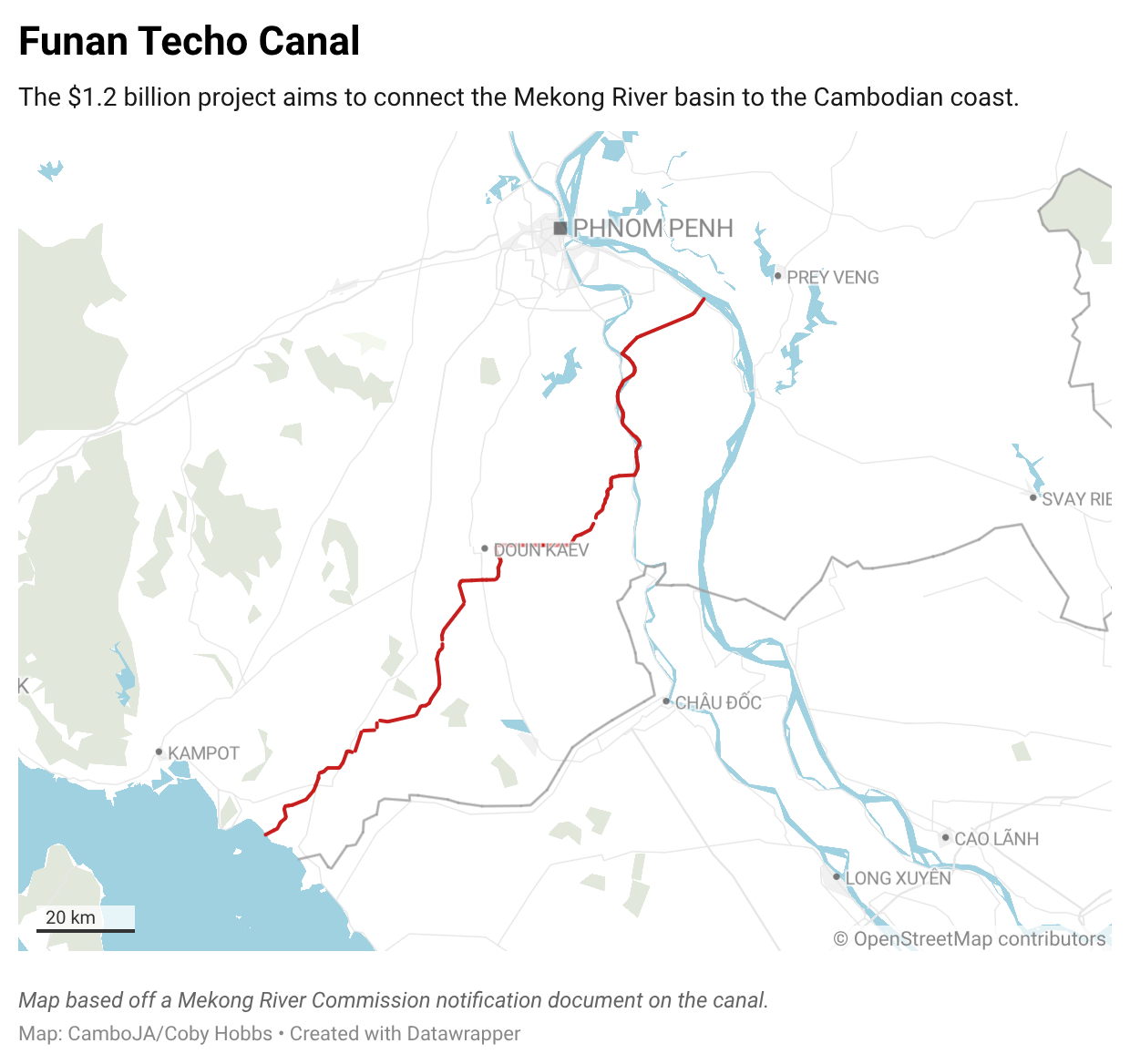
The proposed 180 km canal (about 112 miles) would link the Mekong River to the Gulf of Thailand and reduce Cambodia’s shipping reliance on Vietnam. The project officially broke ground in August 2024 and has drawn scrutiny over potential environmental impacts and limited information on compensation for displaced residents.
 Concerns persist, according to several affected residents who spoke with CamboJA News reporters, who also observed little to no construction activity at the broken-ground site between May 2025 and early February. Political analysts say unresolved border tensions with Thailand and financial constraints may also be contributing to the delay. The government maintains construction will begin only after a large number of compensation issues are resolved.
“I think they will dig, but I don’t know when – maybe after the war [border tensions] end,” said Dim Mech, a Kandal province resident who has lived along the proposed canal route for more than two decades. “At first it was hard, not knowing where we would go or whether we’d have money to buy land, but now we don’t even think about it. This is how they make us feel.”
Mech said that in November, local authorities asked villagers to collect their land titles from Ministry of Land Management surveyors but gave no explanation or indication that it was linked to the canal project. He added that officials and workers have regularly dug test holes near his home to examine the soil.
After more than a year of waiting for construction and compensation, Mech said his family now hopes the project will not move forward. “It’s been too long. If it isn’t constructed, we are happy,” he said, adding that residents want proper compensation if the project proceeds. “If they pay less, there will be no results, only crying.”
Phan Rim, spokesperson for the Ministry of Public Works and Transport, said excavation will begin once the Ministry of Economy settles compensation issues, adding that the ministry is “handling impacts on affected people.” He did not comment on whether border tensions may be contributing to the delay.
Meas Soksensan, spokesperson for the Ministry of Economy, did not respond to requests for comment. At a public forum on macroeconomic management and the 2026 National Budget Law on Monday, he said efforts to address the canal’s impacts are ongoing and the project remains on track for completion by 2028.
He told the forum that some preliminary digging could start in certain areas, but the construction company wants compensation issues with residents resolved first to avoid pauses once work begins, without specifying which company. “So we need to resolve it a little longer to make it run smoothly,” Meas said.
For Phnom Penh-based independent political analyst Ly Sreysrors, border tensions remain a factor in the delay.
“When there is fighting along the Cambodian-Thai border, it can affect government planning, since authorities focus on the conflict rather than digging the canal,” she said, referring to recent hostilities with Thailand before a ceasefire was reached in December. She added that financial challenges may also be slowing progress.
Few details on the project’s financing have been released. Only a $26.8 million loan from the Cambodian government is committed in this year’s national budget.
While Chinese investors hold a 49% share, Cambodian investors Phnom Penh Autonomous Port (PPAP) and Sihanoukville Autonomous Port (PAS), both publicly listed, have reportedly provided little information to shareholders about their involvement, prompting some investors to question the canal’s return potential under a build-operate-transfer model.
Civil society groups said the lack of financial transparency and slow progress is leaving residents uncertain and vulnerable.
Oum Somaly, program manager at Solidarity Actions for Community Harmonization and Sustainability at the NGO Forum, said the government should provide transparent and timely communication with affected communities.
“The government should share compensation information or hold public discussions on a clear assessment of the affected land, assets and livelihoods,” she said
She warned that prolonged delays could disrupt livelihoods, reduce income sources, heighten tensions and erode community trust in authorities.
Source: https://cambojanews.com/funan-techo-canal-remains-stalled-amid-compensation-concerns/
Google Translation:
โครงการคลองฟูนันเทโชของกัมพูชายังคงหยุดชะงักท่ามกลางความกังวลเรื่องค่าชดเชย
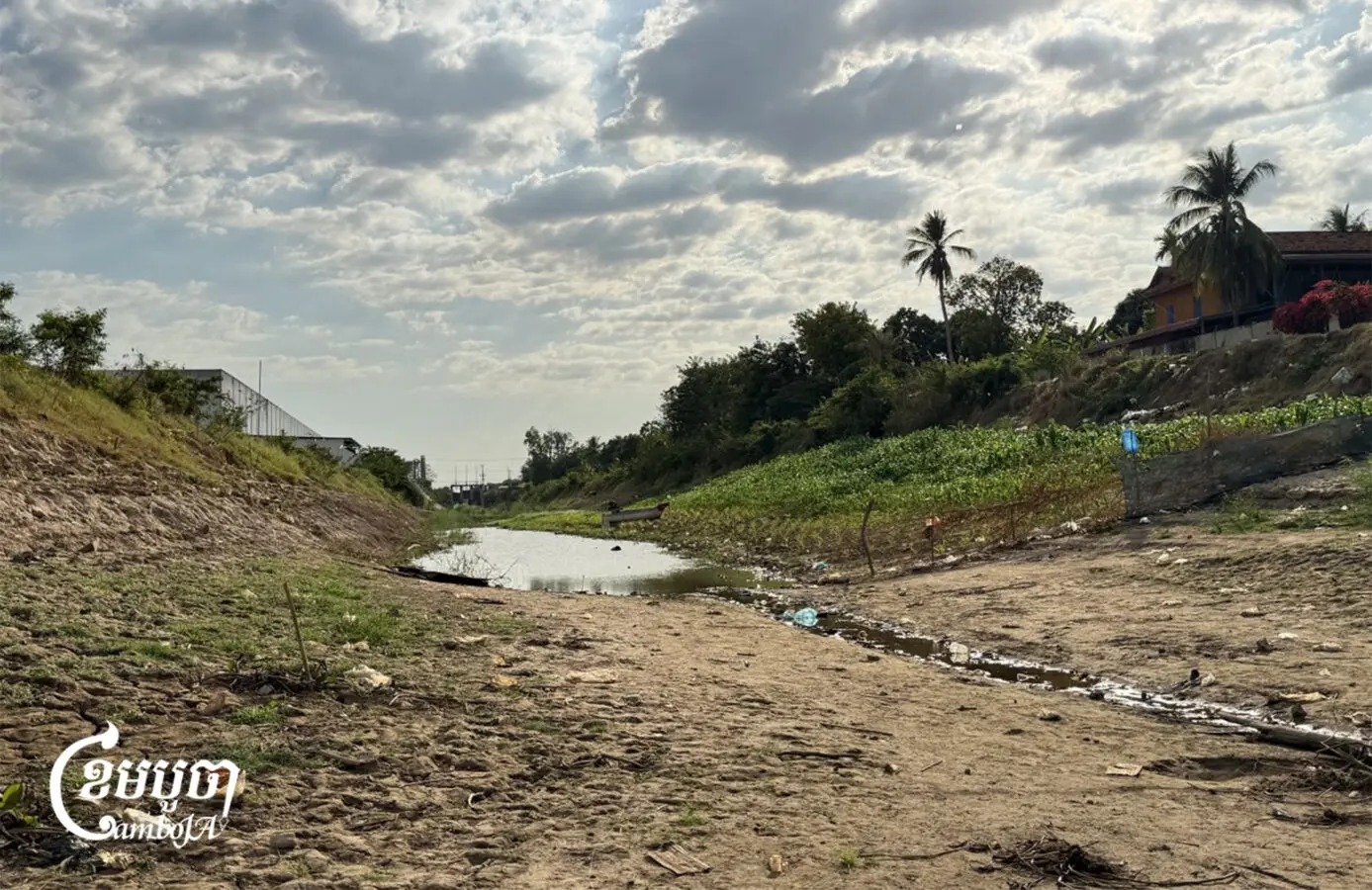
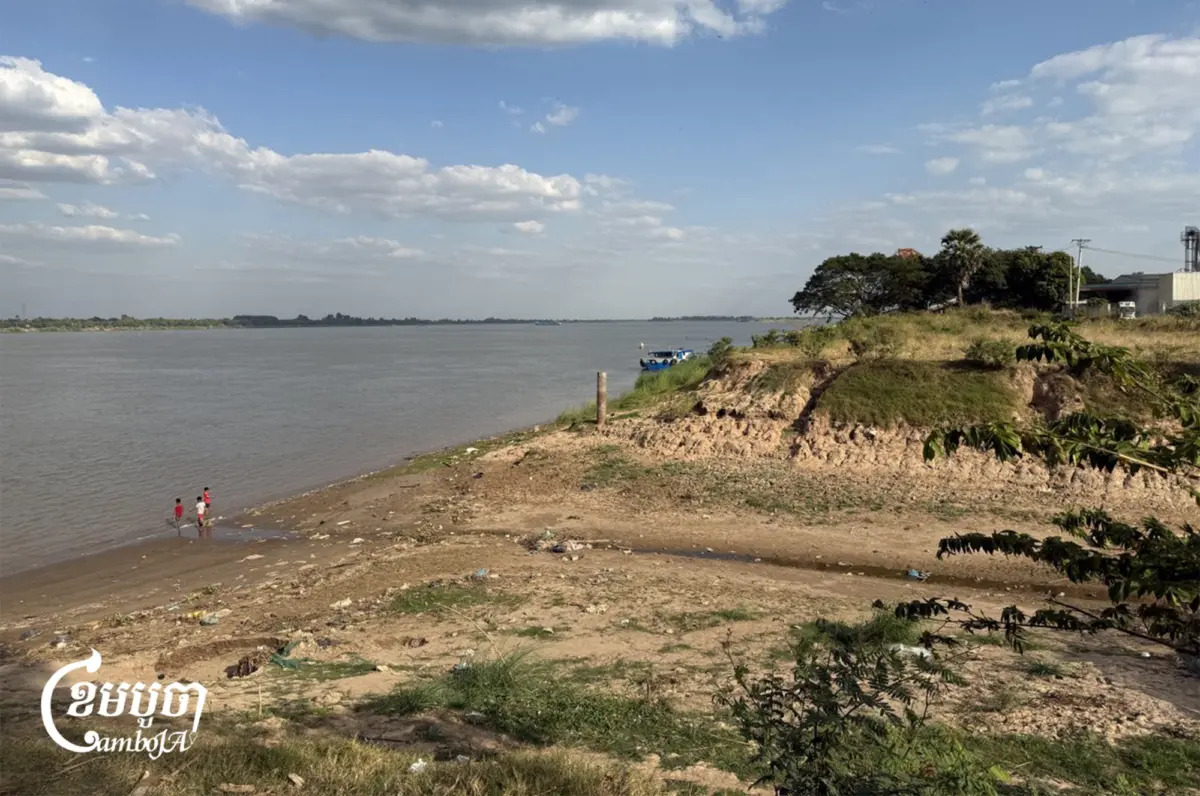
ลำน้ำสาขาของแม่น้ำโขงที่กำหนดไว้สำหรับส่วนแรกของคลองฟูนันเทโชในหมู่บ้านเปรคตาแก้ว อำเภอเกียนสวาย จังหวัดกันดาล 2 กุมภาพันธ์ 2569 (CamboJA/Seoung Nimol)
การก่อสร้างคลองฟูนันเทโช มูลค่าเกือบ 1.2 พันล้านดอลลาร์ ซึ่งคาดว่าจะเร่งดำเนินการภายในปลายปี 2568 ยังคงหยุดชะงักอยู่มากกว่าหนึ่งเดือนนับตั้งแต่เริ่มต้นปีใหม่ ตามที่ CamboJA News รายงานเมื่อวันจันทร์
รัฐบาลกล่าวว่าความล่าช้าเกิดจากบริษัทก่อสร้าง ซึ่งเป็นการร่วมทุนระหว่างกัมพูชาและจีน โดยมีบริษัทท้องถิ่นถือหุ้น 51% กำลังดำเนินการเพื่อตกลงเรื่องค่าชดเชยกับชาวบ้านตามแนวคลอง โดยอ้างว่าข้อพิพาทเรื่องที่ดินที่ยังไม่ได้รับการแก้ไขอาจขัดขวางการทำงานเมื่อเริ่มการก่อสร้าง
เหตุผลที่กล่าวมานั้นขัดแย้งกับรูปแบบการยึดครองที่ดินที่มีมายาวนานในกัมพูชา ซึ่งชุมชนในชนบทมักกล่าวว่าพวกเขาได้รับค่าชดเชยน้อยเกินไปสำหรับโครงการพัฒนาและเชิงพาณิชย์
โครงการขุดคลองความยาว 180 กิโลเมตร (ประมาณ 112 ไมล์) จะเชื่อมแม่น้ำโขงกับอ่าวไทย และลดการพึ่งพาการขนส่งทางเรือของกัมพูชาจากเวียดนาม โครงการนี้เริ่มก่อสร้างอย่างเป็นทางการในเดือนสิงหาคม 2567 และได้รับความสนใจอย่างมากจากสาธารณชนเกี่ยวกับผลกระทบต่อสิ่งแวดล้อมที่อาจเกิดขึ้น และข้อมูลที่จำกัดเกี่ยวกับการชดเชยให้กับผู้อยู่อาศัยที่ถูกย้ายถิ่นฐาน
ความกังวลยังคงมีอยู่ ตามที่ผู้อยู่อาศัยที่ได้รับผลกระทบหลายคนซึ่งได้พูดคุยกับผู้สื่อข่าวของ CamboJA News ระบุว่า พวกเขายังสังเกตเห็นว่ามีการก่อสร้างน้อยมากหรือไม่มีเลยในพื้นที่ที่เริ่มก่อสร้างระหว่างเดือนพฤษภาคม 2568 ถึงต้นเดือนกุมภาพันธ์ นักวิเคราะห์ทางการเมืองกล่าวว่า ความตึงเครียดชายแดนที่ยังไม่คลี่คลายกับไทยและข้อจำกัดทางการเงินอาจเป็นปัจจัยที่ทำให้เกิดความล่าช้า รัฐบาลยืนยันว่าการก่อสร้างจะเริ่มขึ้นก็ต่อเมื่อปัญหาการชดเชยจำนวนมากได้รับการแก้ไขแล้ว
“ผมคิดว่าพวกเขาจะเริ่มขุด แต่ผมไม่รู้ว่าเมื่อไหร่ อาจจะหลังจากสงคราม [ความตึงเครียดชายแดน] สิ้นสุดลง” ดิม เมช ผู้อยู่อาศัยในจังหวัดกันดาลซึ่งอาศัยอยู่ตามเส้นทางคลองที่เสนอมานานกว่าสองทศวรรษกล่าว “ตอนแรกมันลำบากมาก ไม่รู้ว่าจะไปอยู่ที่ไหน หรือจะมีเงินซื้อที่ดินหรือไม่ แต่ตอนนี้เราไม่คิดถึงเรื่องนั้นแล้ว นี่คือสิ่งที่พวกเขาทำให้เรารู้สึก”
เมคกล่าวว่า ในเดือนพฤศจิกายน ทางการท้องถิ่นขอให้ชาวบ้านไปรับโฉนดที่ดินจากเจ้าหน้าที่สำรวจของกระทรวงการจัดการที่ดิน แต่ไม่ได้ให้คำอธิบายหรือบ่งชี้ว่าเกี่ยวข้องกับโครงการคลองแต่อย่างใด เขากล่าวเสริมว่า เจ้าหน้าที่และคนงานได้ขุดหลุมทดสอบใกล้บ้านของเขาเป็นประจำเพื่อตรวจสอบดิน
หลังจากรอการก่อสร้างและการชดเชยมานานกว่าหนึ่งปี เมคกล่าวว่าครอบครัวของเขาหวังว่าโครงการจะไม่ดำเนินการต่อ “มันนานเกินไปแล้ว ถ้าไม่สร้าง เราก็มีความสุข” เขากล่าว พร้อมเสริมว่าชาวบ้านต้องการค่าชดเชยที่เหมาะสมหากโครงการดำเนินต่อไป “ถ้าพวกเขาจ่ายน้อยกว่านี้ ก็จะไม่มีผลลัพธ์อะไร มีแต่ความเสียใจ”
ฟาน ริม โฆษกกระทรวงโยธาธิการและการขนส่ง กล่าวว่า การขุดจะเริ่มขึ้นเมื่อกระทรวงเศรษฐกิจจัดการเรื่องค่าชดเชยเรียบร้อยแล้ว พร้อมเสริมว่ากระทรวงกำลัง “จัดการผลกระทบต่อผู้ที่ได้รับผลกระทบ” เขาไม่ได้แสดงความคิดเห็นว่าความตึงเครียดบริเวณชายแดนอาจเป็นปัจจัยหนึ่งที่ทำให้โครงการล่าช้าหรือไม่
เมียส โซกเส็นสัน โฆษกกระทรวงเศรษฐกิจ ไม่ได้ตอบคำขอให้แสดงความคิดเห็น ในการประชุมสาธารณะเกี่ยวกับการบริหารเศรษฐกิจมหภาคและกฎหมายงบประมาณแห่งชาติปี 2026 เมื่อวันจันทร์ที่ผ่านมา เขาได้กล่าวว่าความพยายามในการแก้ไขผลกระทบจากโครงการคลองยังคงดำเนินอยู่ และโครงการยังคงอยู่ในกำหนดการที่จะแล้วเสร็จภายในปี 2028
เขาบอกกับที่ประชุมว่าการขุดเบื้องต้นอาจเริ่มต้นได้ในบางพื้นที่ แต่บริษัทก่อสร้างต้องการให้แก้ไขปัญหาเรื่องค่าชดเชยกับผู้อยู่อาศัยก่อน เพื่อหลีกเลี่ยงการหยุดชะงักเมื่อเริ่มงาน โดยไม่ได้ระบุว่าบริษัทใด “ดังนั้นเราจึงต้องใช้เวลาแก้ไขปัญหานี้อีกสักหน่อยเพื่อให้โครงการดำเนินไปอย่างราบรื่น” เมียสกล่าว
สำหรับลี สเรย์สรอร์ส นักวิเคราะห์การเมืองอิสระในกรุงพนมเปญ ความตึงเครียดบริเวณชายแดนยังคงเป็นปัจจัยหนึ่งที่ทำให้เกิดความล่าช้า
“เมื่อมีการสู้รบตามแนวชายแดนกัมพูชา-ไทย มันอาจส่งผลกระทบต่อการวางแผนของรัฐบาล เนื่องจากเจ้าหน้าที่มุ่งเน้นไปที่ความขัดแย้งมากกว่าการขุดคลอง” เธอกล่าว โดยอ้างถึงความขัดแย้งล่าสุดกับไทยก่อนที่จะมีการหยุดยิงในเดือนธันวาคม เธอยังเสริมว่าความท้าทายทางการเงินอาจทำให้ความคืบหน้าช้าลงด้วย
รายละเอียดเกี่ยวกับการจัดหาเงินทุนของโครงการยังไม่ได้รับการเปิดเผยมากนัก มีเพียงเงินกู้ 26.8 ล้านดอลลาร์สหรัฐจากรัฐบาลกัมพูชาเท่านั้นที่ได้รับการจัดสรรในงบประมาณแผ่นดินปีนี้
แม่น้ำโขงบริเวณจุดบรรจบกับลำน้ำสาขาของคลองฟูนันเทโชส่วนแรก 2 กุมภาพันธ์ 2026 (CamboJA/Seoung Nimol)
ในขณะที่นักลงทุนชาวจีนถือหุ้น 49% นักลงทุนชาวกัมพูชาอย่างท่าเรือปกครองตนเองพนมเปญ (PPAP) และท่าเรือปกครองตนเองสีหนุวิลล์ (PAS) ซึ่งทั้งสองแห่งจดทะเบียนในตลาดหลักทรัพย์ ได้ให้ข้อมูลแก่ผู้ถือหุ้นเกี่ยวกับส่วนร่วมของพวกเขาน้อยมาก ทำให้ผู้ลงทุนบางรายตั้งคำถามถึงศักยภาพในการคืนทุนของคลองภายใต้รูปแบบการสร้าง-ดำเนินการ-โอน
กลุ่มภาคประชาสังคมกล่าวว่า การขาดความโปร่งใสทางการเงินและความคืบหน้าที่ล่าช้า ทำให้ประชาชนรู้สึกไม่มั่นใจและเปราะบาง
อุม โซมาลี ผู้จัดการโครงการด้านความสามัคคีเพื่อการประสานกลมกลืนและความยั่งยืนของชุมชน ณ เวทีองค์กรพัฒนาเอกชน กล่าวว่า รัฐบาลควรสื่อสารกับชุมชนที่ได้รับผลกระทบอย่างโปร่งใสและทันท่วงที
“รัฐบาลควรเปิดเผยข้อมูลค่าชดเชย หรือจัดการประชุมสาธารณะเพื่อประเมินความเสียหายของที่ดิน ทรัพย์สิน และวิถีชีวิตที่ได้รับผลกระทบอย่างชัดเจน” เธอกล่าว
เธอยังเตือนด้วยว่า ความล่าช้าเป็นเวลานานอาจส่งผลกระทบต่อวิถีชีวิต ลดแหล่งรายได้ เพิ่มความตึงเครียด และบั่นทอนความไว้วางใจของชุมชนต่อเจ้าหน้าที่