 Bangkok Moves to Plug Urban Property Loophole Used by Landowners to Avoid Taxes
THIS NEWS ARTICLE KINDLY SPONSORED BY FALLPROTEC, A WORLD-RENOWNED NAME IN THE DESIGN AND MANUFACTURE OF PREMIUM FALL PROTECTION SYSTEMS AND HEIGHT ACCESS SOLUTIONS
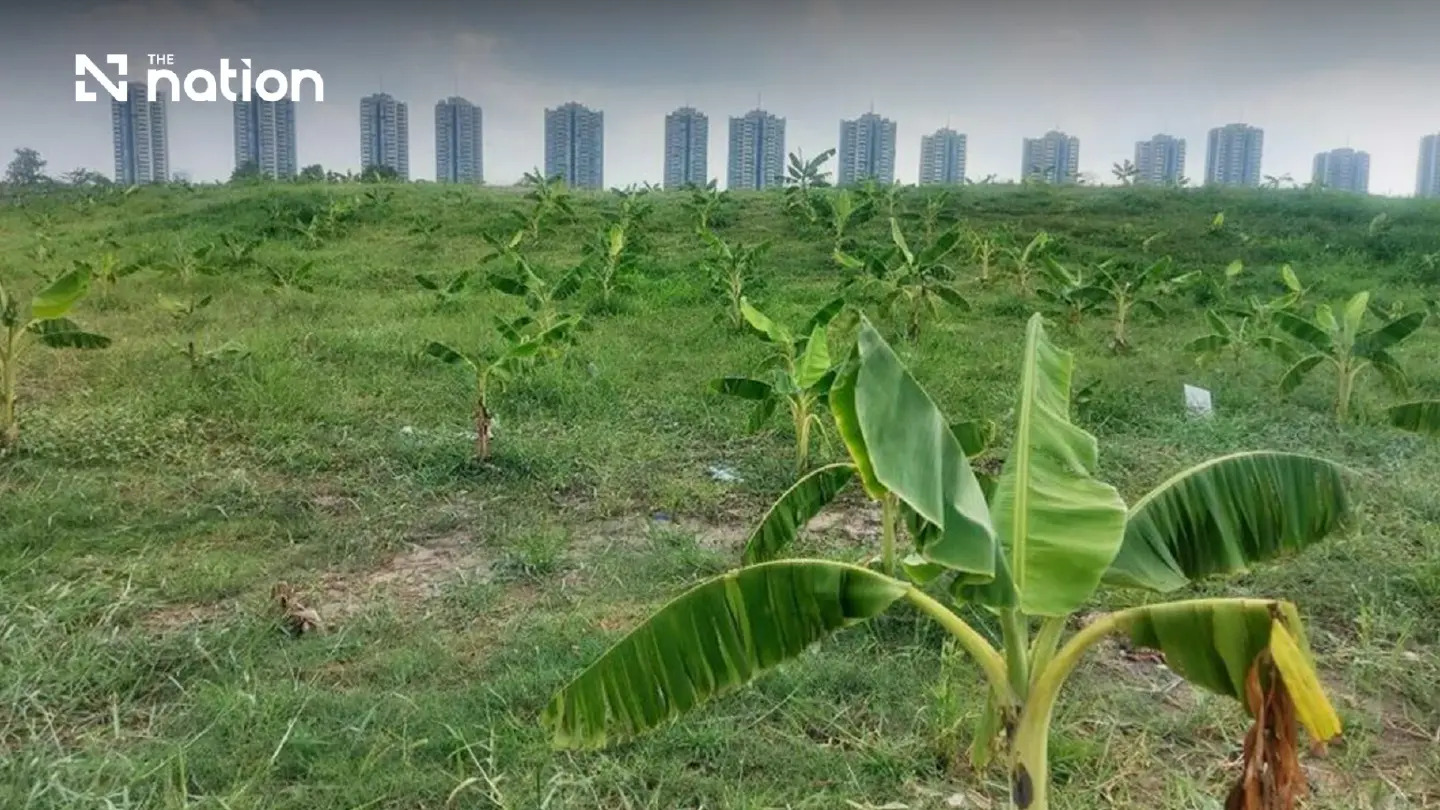
- Landowners in prime urban areas of Bangkok are planting minimal crops like bananas and limes on valuable plots to classify them as “agricultural land,” which allows them to pay significantly lower property taxes than the rate for vacant land.
- To close this loophole, the Bangkok Metropolitan Administration (BMA) is proposing to raise the baseline agricultural land tax rate, potentially tripling it from 0.01% to 0.03%, to reduce the financial incentive for this practice.
- The proposed tax overhaul aims to restore tax equity, ensuring that owners holding idle, high-value land under an agricultural classification do not avoid taxes while commercial developers face higher burdens.
- An academic expert suggests that a flat rate increase is a superficial fix and recommends a more nuanced, zone-based tax system that aligns tax rates with the land’s designated use in city planning laws.
City Hall proposes raising agricultural land tax rates to discourage prime central site owners from planting token crops to evade higher liabilities.
The Bangkok Metropolitan Administration (BMA) is preparing its first major overhaul of property tax collection in nearly seven years, aiming to close a loophole in the Land and Building Tax Act B.E. 2562 (2019) that has allowed prime urban plots to avoid vacant land levies.
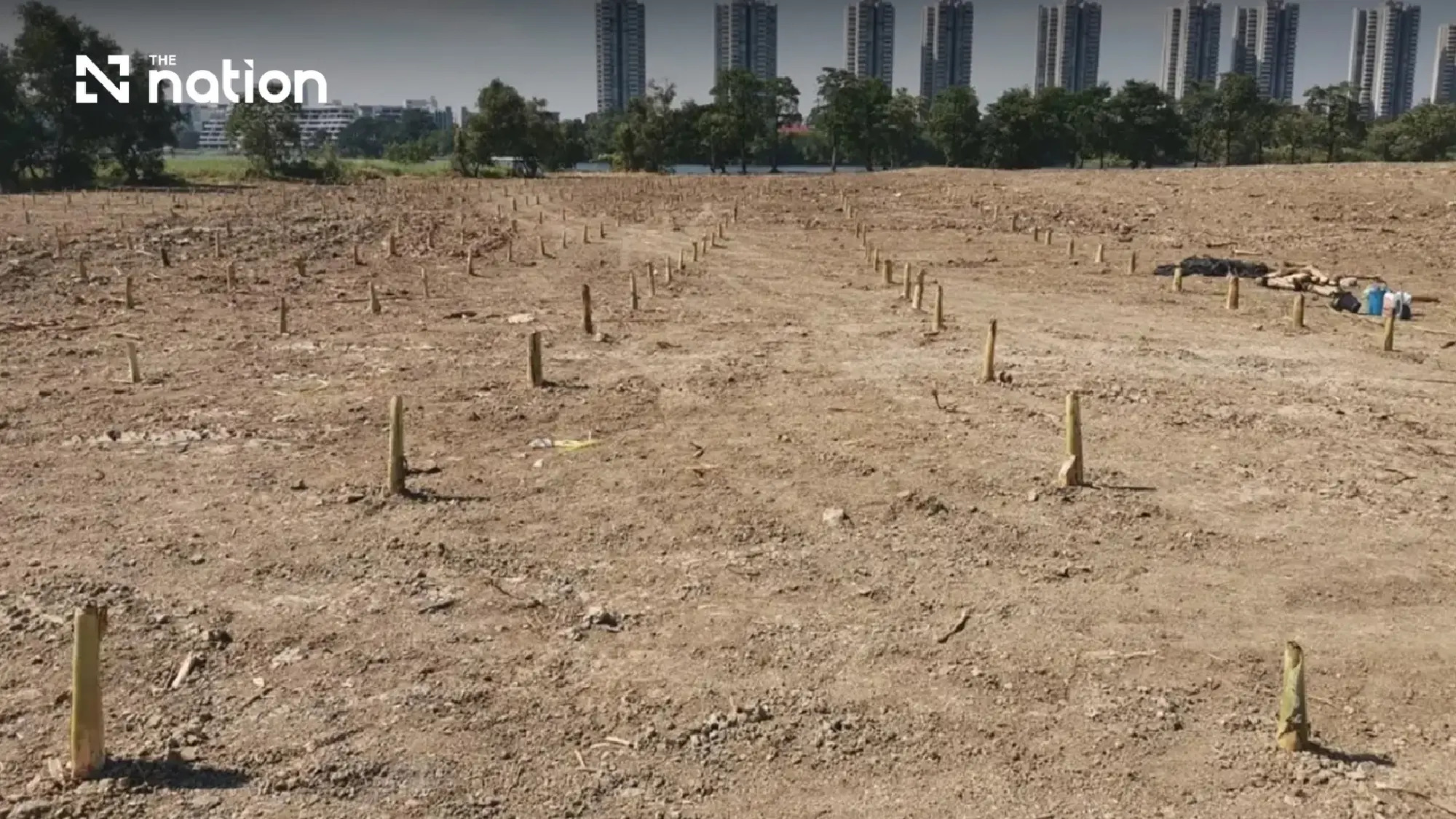
Under current practice, owners of multi-million-baht plots in central Bangkok frequently cultivate small numbers of crops—such as bananas, limes, mangoes, or sugarcane—to reclassify their holdings as “agricultural land”.
The tactic reduces their tax liabilities significantly compared to the rates levied on unutilised urban sites. Sources at Bangkok City Hall revealed that executive officials are drafting revised tax mechanisms to submit to Bangkok Governor Chadchart Sittipunt.
The proposal will require approvals from the Bangkok Metropolitan Council, the Ministry of Interior, and the Ministry of Finance to amend relevant ordinances.
Closing the “Pretend Farming” Discrepancy
A key proposal involves raising the baseline agricultural tax rate from the current 0.01%–0.10% range to 0.03%–0.12%. This triples the starting base rate from 100 baht to 300 baht per million baht of assessed land value.
While the numeric increase appears modest, the financial burden rises substantially for owners of central Bangkok plots valued in the hundreds of millions or billions of baht, reducing the financial incentive to maintain token urban crops solely for tax arbitrage.
Under current statutory rates, agricultural land attracts a 0.01%–0.10% tax rate, whereas vacant or unutilised land is taxed between 0.3% and 0.7%. Unused land left undeveloped for more than three consecutive years incurs an additional 0.3% surcharge every three years, up to the legal ceiling.
Ministry guidelines stipulate density requirements—such as a minimum of 200 banana trees or 20 mango trees per rai (1,600 square metres)—to qualify for agricultural classification. However, local authorities face practical enforcement challenges when inspecting large urban plots maintained purely for tax preservation.
City officials emphasise that the overhaul aims to restore tax equity, as active commercial developers currently bear significantly higher tax burdens than owners holding idle, high-value land under agricultural status.
Academic Perspective: Zoning-Based Taxing Over Flat Rate Increases
In a report published by Thansettakij, Assistant Professor Saharat Augnistasat from the Faculty of Law at Thammasat University observed that while reviewing agricultural tax rates is timely, relying solely on a flat rate increase addresses symptoms rather than root causes.
 Asst Prof. Saharat pointed out that setting a single citywide tax increase could trigger unintended consequences, such as landowners clearing green spaces or selling off suburban plots to minimise tax liabilities.
He noted that agricultural activity in outlying districts like Nong Chok carries a vastly different urban planning context than farming in central business districts like Silom or Bang Rak.
He recommended that the BMA utilise its statutory flexibility under the Land and Building Tax Act to align tax rates directly with land-use categories defined by city planning laws.
In the longer term, he advocated amending the primary legislation to explicitly support zone-based tax structures tied to urban planning.
Furthermore, regarding proposals to lower the tax exemption threshold for agricultural land from 50 million baht to 20 million baht, Asst Prof. Saharat noted that tax mechanisms must be integrated with broader land management strategies—including environmental protection, social equity, and housing affordability—rather than being used strictly as revenue-raising tools.
Source: https://www.nationthailand.com/thailand/bangkok/40069038
Google Translation:
กรุงเทพฯ เตรียมอุดช่องโหว่ภาษีที่ดินในเขตเมืองที่เจ้าของที่ดินใช้หลีกเลี่ยงภาษี
ข่าวนี้ได้รับการสนับสนุนโดย FALLPROTEC บริษัทชั้นนำระดับโลกด้านการออกแบบและผลิตระบบป้องกันการตกจากที่สูงและโซลูชันการเข้าถึงที่สูงระดับพรีเมียม
เจ้าของที่ดินในเขตเมืองชั้นดีของกรุงเทพฯ ปลูกพืชผลเล็กน้อย เช่น กล้วยและมะนาว บนที่ดินที่มีมูลค่าสูง เพื่อจัดประเภทที่ดินเหล่านั้นเป็น “ที่ดินเกษตรกรรม” ซึ่งทำให้พวกเขาจ่ายภาษีที่ดินในอัตราที่ต่ำกว่าที่ดินว่างเปล่าอย่างมาก
เพื่อปิดช่องโหว่นี้ กรุงเทพมหานคร (BMA) เสนอให้ปรับเพิ่มอัตราภาษีที่ดินเกษตรกรรมขั้นพื้นฐาน อาจเพิ่มขึ้นเป็นสามเท่าจาก 0.01% เป็น 0.03% เพื่อลดแรงจูงใจทางการเงินสำหรับการกระทำดังกล่าว
การปรับปรุงภาษีที่เสนอมานี้มีเป้าหมายเพื่อฟื้นฟูความเท่าเทียมกันทางภาษี ทำให้มั่นใจได้ว่าเจ้าของที่ดินที่ไม่ได้ใช้งานและมีมูลค่าสูงภายใต้การจัดประเภทเกษตรกรรมจะไม่หลีกเลี่ยงภาษี ในขณะที่ผู้พัฒนาเชิงพาณิชย์ต้องแบกรับภาระที่สูงขึ้น
ผู้เชี่ยวชาญด้านวิชาการชี้ว่า การขึ้นภาษีแบบอัตราคงที่นั้นเป็นการแก้ไขปัญหาแบบผิวเผิน และแนะนำให้ใช้ระบบภาษีแบบแบ่งโซนที่ละเอียดกว่า โดยกำหนดอัตราภาษีให้สอดคล้องกับการใช้ประโยชน์ที่ดินตามกฎหมายผังเมือง
กรุงเทพมหานครเสนอให้ขึ้นภาษีที่ดินเกษตรกรรม เพื่อยับยั้งเจ้าของที่ดินทำเลดีใจกลางเมืองจากการปลูกพืชเพียงเล็กน้อยเพื่อหลีกเลี่ยงภาระภาษีที่สูงขึ้น
กรุงเทพมหานครกำลังเตรียมการปรับปรุงระบบการจัดเก็บภาษีที่ดินครั้งใหญ่ที่สุดในรอบเกือบเจ็ดปี โดยมีเป้าหมายเพื่ออุดช่องโหว่ในพระราชบัญญัติภาษีที่ดินและสิ่งปลูกสร้าง พ.ศ. 2562 ที่ทำให้ที่ดินทำเลดีในเมืองสามารถหลีกเลี่ยงการเสียภาษีที่ดินว่างเปล่าได้
ตามแนวทางปฏิบัติในปัจจุบัน เจ้าของที่ดินมูลค่าหลายล้านบาทในใจกลางกรุงเทพฯ มักปลูกพืชจำนวนเล็กน้อย เช่น กล้วย มะนาว มะม่วง หรืออ้อย เพื่อเปลี่ยนประเภทที่ดินของตนเป็น “ที่ดินเกษตรกรรม”
กลยุทธ์นี้ช่วยลดภาระภาษีของพวกเขาลงอย่างมากเมื่อเทียบกับอัตราภาษีที่เรียกเก็บจากที่ดินว่างเปล่าในเมือง แหล่งข่าวจากศาลาว่าการกรุงเทพมหานครเปิดเผยว่า เจ้าหน้าที่กำลังร่างกลไกภาษีฉบับปรับปรุงใหม่เพื่อเสนอต่อผู้ว่าราชการกรุงเทพมหานคร นายชาดชาติ สิทธิพันธุ์
ข้อเสนอดังกล่าวจะต้องได้รับการอนุมัติจากองค์การบริหารส่วนกรุงเทพมหานคร กระทรวงมหาดไทย และกระทรวงการคลัง เพื่อแก้ไขกฎหมายที่เกี่ยวข้อง
การปิดช่องโหว่เรื่อง “การทำเกษตรปลอม”
ข้อเสนอสำคัญประการหนึ่งคือ การปรับเพิ่มอัตราภาษีเกษตรขั้นพื้นฐานจากปัจจุบัน 0.01%–0.10% เป็น 0.03%–0.12% ซึ่งเพิ่มขึ้นสามเท่าจากอัตราพื้นฐาน 100 บาท เป็น 300 บาทต่อล้านบาทของมูลค่าที่ดินที่ประเมินไว้
แม้ว่าตัวเลขที่เพิ่มขึ้นจะดูไม่มาก แต่ภาระทางการเงินจะเพิ่มขึ้นอย่างมากสำหรับเจ้าของที่ดินในใจกลางกรุงเทพฯ ที่มีมูลค่าหลายร้อยล้านหรือพันล้านบาท ซึ่งจะลดแรงจูงใจทางการเงินในการปลูกพืชในเมืองเพียงเล็กน้อยเพื่อหวังผลประโยชน์ทางภาษี
ภายใต้อัตราภาษีตามกฎหมายปัจจุบัน ที่ดินเกษตรกรรมมีอัตราภาษี 0.01%–0.10% ในขณะที่ที่ดินว่างเปล่าหรือไม่ได้ใช้ประโยชน์มีอัตราภาษีระหว่าง 0.3% ถึง 0.7% ที่ดินที่ไม่ได้ใช้ประโยชน์และปล่อยทิ้งไว้โดยไม่พัฒนาเป็นเวลามากกว่าสามปีติดต่อกัน จะถูกเรียกเก็บภาษีเพิ่มเติม 0.3% ทุกสามปี จนถึงอัตราสูงสุดตามกฎหมาย
แนวทางของกระทรวงกำหนดข้อกำหนดด้านความหนาแน่น เช่น ต้นกล้วยอย่างน้อย 200 ต้น หรือต้นมะม่วงอย่างน้อย 20 ต้นต่อไร่ (1,600 ตารางเมตร) เพื่อให้มีคุณสมบัติในการจัดประเภทเป็นที่ดินเกษตรกรรม อย่างไรก็ตาม หน่วยงานท้องถิ่นเผชิญกับความท้าทายในการบังคับใช้ในทางปฏิบัติเมื่อตรวจสอบที่ดินขนาดใหญ่ในเขตเมืองที่เก็บรักษาไว้เพื่อการอนุรักษ์ภาษีโดยเฉพาะ
เจ้าหน้าที่ของเมืองเน้นย้ำว่าการปรับปรุงครั้งนี้มีเป้าหมายเพื่อฟื้นฟูความเท่าเทียมกันทางภาษี เนื่องจากปัจจุบันผู้พัฒนาเชิงพาณิชย์ที่ดำเนินงานอยู่มีภาระภาษีสูงกว่าเจ้าของที่ดินที่ไม่ได้ใช้ประโยชน์และมีมูลค่าสูงซึ่งจัดอยู่ในสถานะเกษตรกรรมอย่างมาก
มุมมองทางวิชาการ: การเก็บภาษีตามเขตพื้นที่ ดีกว่าการขึ้นภาษีแบบอัตราคงที่
ในรายงานที่ตีพิมพ์โดย Thansettakij ผู้ช่วยศาสตราจารย์ สหรัตน์ อัคนิสษฐาษฏร์ จากคณะนิติศาสตร์ มหาวิทยาลัยธรรมศาสตร์ ตั้งข้อสังเกตว่า แม้การทบทวนอัตราภาษีเกษตรจะเป็นเรื่องที่เหมาะสม แต่การพึ่งพาการขึ้นภาษีแบบอัตราคงที่เพียงอย่างเดียวเป็นการแก้ปัญหาที่ปลายเหตุมากกว่าต้นตอของปัญหา
ผู้ช่วยศาสตราจารย์ สหรัตน์ ชี้ให้เห็นว่า การกำหนดอัตราภาษีขึ้นทั่วทั้งเมืองเพียงครั้งเดียว อาจก่อให้เกิดผลกระทบที่ไม่พึงประสงค์ เช่น เจ้าของที่ดินอาจถางพื้นที่สีเขียว หรือขายที่ดินชานเมืองเพื่อลดภาระภาษี
เขากล่าวว่า กิจกรรมทางการเกษตรในเขตชานเมือง เช่น หนองจ๊ก มีบริบทการวางผังเมืองที่แตกต่างอย่างมากจากการทำเกษตรในเขตศูนย์กลางธุรกิจ เช่น สีลม หรือ บางรัก
เขาแนะนำให้กรุงเทพมหานครใช้ความยืดหยุ่นตามกฎหมายภายใต้พระราชบัญญัติภาษีที่ดินและสิ่งปลูกสร้าง เพื่อกำหนดอัตราภาษีให้สอดคล้องกับประเภทการใช้ที่ดินที่กำหนดโดยกฎหมายผังเมืองโดยตรง
ในระยะยาว เขาเสนอให้แก้ไขกฎหมายหลักเพื่อให้สนับสนุนโครงสร้างภาษีตามเขตพื้นที่ที่เชื่อมโยงกับการวางผังเมืองอย่างชัดเจน
นอกจากนี้ ในส่วนของข้อเสนอที่จะลดเกณฑ์การยกเว้นภาษีที่ดินเกษตรกรรมจาก 50 ล้านบาท เหลือ 20 ล้านบาท ผู้ช่วยศาสตราจารย์สหรัตน์กล่าวว่า กลไกด้านภาษีจะต้องบูรณาการเข้ากับกลยุทธ์การจัดการที่ดินในวงกว้าง ซึ่งรวมถึงการคุ้มครองสิ่งแวดล้อม ความเสมอภาคทางสังคม และความสามารถในการเข้าถึงที่อยู่อาศัย มากกว่าที่จะนำมาใช้เป็นเพียงมาตรการจัดเก็บรายได้เท่านั้น