Asian countries step up coal-fired power output
Countries looking at all options as Middle East conflict chokes LNG supply
Asian utilities are boosting coal-fired power generation to cut costs and safeguard energy supply, industry executives say, as the US-Israeli war on Iran chokes liquefied natural gas (LNG) shipments and soaring prices threaten to suppress LNG demand.
Spot LNG prices in Asia have doubled to three-year highs in the second major supply shock in four years, as shipping through the Strait of Hormuz has all but stopped and Qatar, the world’s second-largest LNG exporter, has halted shipments.
In South Asia, Bangladesh is increasing coal-fired power generation and coal-fired power imports in March, daily government data shows.
Pakistan, meanwhile, aims to further increase power generated from domestic sources after solar additions helped it avoid a repeat of the LNG supply volatility behind widespread outages following Russia’s 2022 Ukraine invasion, Power Minister Awais Leghari said.
“With the reduction in LNG generation, plants running on locally mined coal will be able to produce more during off-peak hours,” Leghari told Reuters.
In Southeast Asia, the Philippines is ramping up coal-fired power and slashing LNG-fired output, while EVN in Vietnam told Reuters last week it was negotiating coal supply.
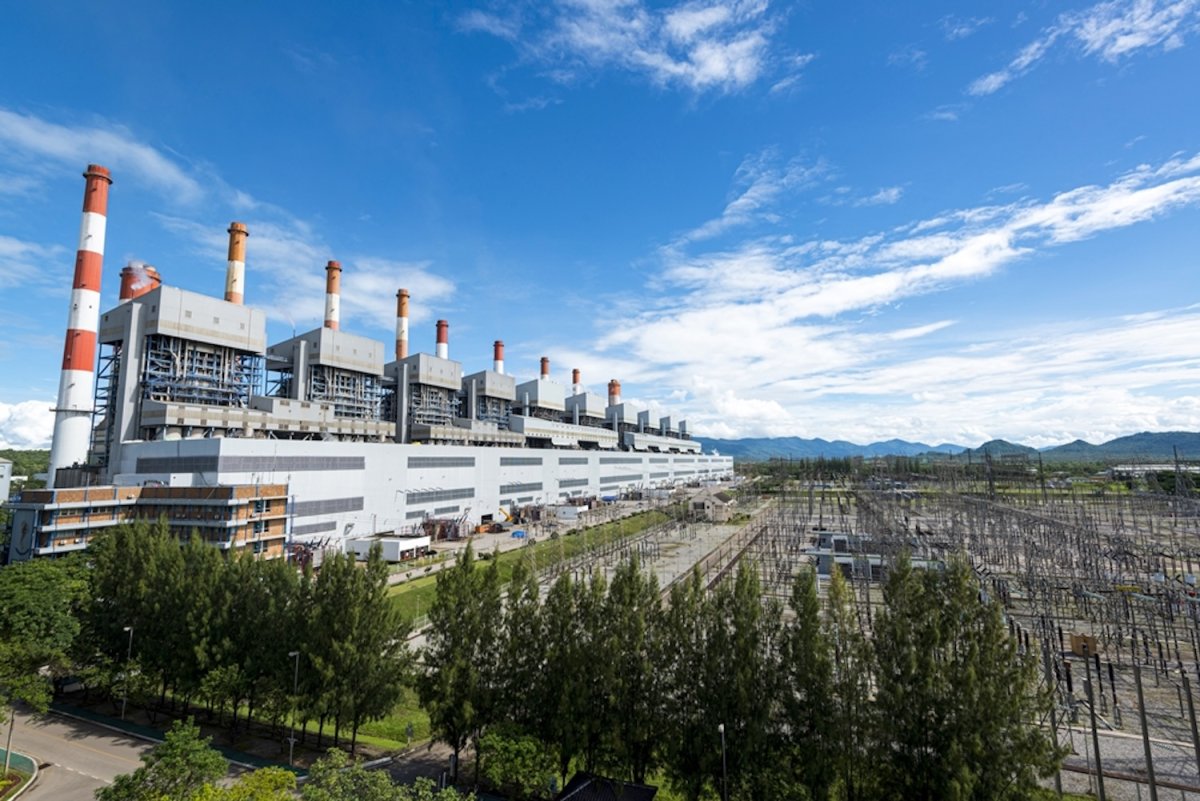
In Thailand, the state-owned Electricity Generating Authority of Thailand is boosting generation from the Mae Moh Power Station in Lampang province, the country’s largest coal-fired plant. Coal still accounts for about 13% of the fuel used in power generation in Thailand, compared with 58% for natural gas. The rest is made up of electricity imports from Laos (14%), renewables (12%), and Hydropower (3%)
South Korea plans to remove ceilings on coal-fired output and increase nuclear generation, while Japan’s top utility JERA told Reuters last week it will keep coal-fired power generation at high utilisation rates.
Natural gas has accounted for a declining share of Asia’s power generation for nearly a decade due to surging use of renewables, data from the energy consultancy Ember shows, despite global energy majors betting billions of dollars on regional LNG demand growth.
And because renewables cannot yet fill the gap, many countries including Thailand have delayed the decommissioning of heavily polluting coal-fired power plants.
Demand destruction
War-driven supply disruptions are expected to trigger LNG demand destruction across Asia, analysts and industry executives say, with prices likely to remain elevated and volatile even after the crisis.
High LNG costs after Moscow’s invasion of Ukraine, as well as shortages of urban gas pipeline networks, have led to widespread cancellations or delays of proposed LNG import capacity in South Asia, where copy07 billion worth of infrastructure investments could be at risk, Global Energy Monitor said in a report last week.
Aziz Khan, chairman of Bangladesh’s Summit Group, which owns an LNG regasification unit, told Reuters that it is difficult to pass along higher power costs.
“You’re breaking the backbone of the economies of poorer countries,” he said.
Since most LNG contracts are linked to oil prices on a three-month lag, Asian buyers will pay more from June, the consultancy Wood Mackenzie said.
“The conflict will significantly reduce Asian LNG demand growth in 2026,” said Lucas Schmitt, an analyst at Wood Mackenzie, which cut its annual forecast for Asian LNG imports to about 5 million tonnes from 12.4 million tonnes, assuming a two-month disruption to Middle East supply.
The key Asian benchmark for thermal coal has risen 13.2% this month. By comparison, European coal futures are 14.2% higher, with analysts at the commodities data analytics firm Kpler expecting EU thermal coal imports to rise 36% to 30 million tonnes this year on low gas inventories.
Still, the rally is dwarfed by the acceleration in global LNG prices and will be limited by imports remaining muted for now, as utilities in major Asian buyers China, India, Japan and South Korea draw on ample coal stockpiles and assured supply through long-term contracts, according to analysts.
Rising fuel import costs bolster the argument for renewables, they say.
“Recent shocks once again refute the case for relying on imported fossil fuels in energy sector development plans, potentially creating more opportunities for renewables,” said Sam Reynolds, LNG research lead at the energy think tank IEEFA.
Source: https://www.bangkokpost.com/business/general/3218640/asia-steps-up-coalfired-power-output
Google Translation:
ประเทศในเอเชียเร่งเพิ่มกำลังการผลิตไฟฟ้าจากถ่านหิน
หลายประเทศกำลังพิจารณาทุกทางเลือก เนื่องจากความขัดแย้งในตะวันออกกลางทำให้การจัดส่งก๊าซธรรมชาติเหลว (LNG) หยุดชะงัก
โรงไฟฟ้าแม่เมาะ จังหวัดลำปาง เป็นโรงไฟฟ้าถ่านหินลิกไนต์ที่ใหญ่ที่สุดของประเทศ มีกำลังการผลิต 2,220 ถึง 2,400 เมกะวัตต์ แม้จะมีข้อร้องเรียนอย่างกว้างขวางเกี่ยวกับมลพิษ การไฟฟ้าฝ่ายผลิตแห่งประเทศไทย (กฟ.ด.) ก็ได้เลื่อนการปิดโรงไฟฟ้าอย่างเต็มรูปแบบออกไปเป็นปี 2048 เป็นอย่างเร็วที่สุด (ภาพ: กฟ.ด.)
ผู้บริหารในอุตสาหกรรมกล่าวว่า บริษัทสาธารณูปโภคในเอเชียกำลังเพิ่มการผลิตไฟฟ้าจากถ่านหินเพื่อลดต้นทุนและรักษาความมั่นคงด้านพลังงาน เนื่องจากสงครามระหว่างสหรัฐฯ และอิสราเอลกับอิหร่านทำให้การขนส่งก๊าซธรรมชาติเหลว (LNG) หยุดชะงัก และราคาที่พุ่งสูงขึ้นคุกคามความต้องการ LNG
ราคาก๊าซธรรมชาติเหลว (LNG) ในตลาดเอเชียพุ่งสูงขึ้นเป็นสองเท่าแตะระดับสูงสุดในรอบสามปี ซึ่งเป็นวิกฤตอุปทานครั้งใหญ่ครั้งที่สองในรอบสี่ปี เนื่องจากการขนส่งผ่านช่องแคบฮอร์มุซหยุดชะงักลงเกือบทั้งหมด และกาตาร์ ผู้ส่งออก LNG รายใหญ่เป็นอันดับสองของโลก ได้ระงับการส่งออก
ในเอเชียใต้ บังกลาเทศกำลังเพิ่มการผลิตไฟฟ้าจากถ่านหินและการนำเข้าไฟฟ้าจากถ่านหินในเดือนมีนาคม ตามข้อมูลรายวันของรัฐบาล
ขณะเดียวกัน ปากีสถานตั้งเป้าที่จะเพิ่มการผลิตไฟฟ้าจากแหล่งภายในประเทศให้มากขึ้น หลังจากที่การติดตั้งพลังงานแสงอาทิตย์ช่วยให้หลีกเลี่ยงความผันผวนของอุปทาน LNG ที่เป็นสาเหตุของการไฟฟ้าดับเป็นวงกว้างหลังจากการรุกรานยูเครนของรัสเซียในปี 2022 รัฐมนตรีว่าการกระทรวงพลังงาน อาวาอิส เลการี กล่าว
“ด้วยการลดการผลิต LNG โรงไฟฟ้าที่ใช้ถ่านหินที่ขุดได้ในประเทศจะสามารถผลิตไฟฟ้าได้มากขึ้นในช่วงนอกเวลาทำการ” เลการีกล่าวกับรอยเตอร์
ในเอเชียตะวันออกเฉียงใต้ ฟิลิปปินส์กำลังเร่งเพิ่มกำลังการผลิตไฟฟ้าจากถ่านหินและลดกำลังการผลิตจากก๊าซธรรมชาติเหลว (LNG) ขณะที่ EVN ในเวียดนามแจ้งกับรอยเตอร์เมื่อสัปดาห์ที่แล้วว่ากำลังเจรจาเรื่องการจัดหาถ่านหิน
ในประเทศไทย การไฟฟ้าฝ่ายผลิตแห่งประเทศไทย (กฟผ.) กำลังเพิ่มกำลังการผลิตจากโรงไฟฟ้าแม่เมาะ จังหวัดลำปาง ซึ่งเป็นโรงไฟฟ้าถ่านหินที่ใหญ่ที่สุดของประเทศ
ถ่านหินยังคงคิดเป็นประมาณ 13% ของเชื้อเพลิงที่ใช้ในการผลิตไฟฟ้าในประเทศไทย เทียบกับ 58% สำหรับก๊าซธรรมชาติ ส่วนที่เหลือประกอบด้วยการนำเข้าไฟฟ้าจากลาว (14%) พลังงานหมุนเวียน (12%) และพลังงานน้ำ (3%)
เกาหลีใต้มีแผนที่จะยกเลิกข้อจำกัดด้านกำลังการผลิตจากถ่านหินและเพิ่มการผลิตไฟฟ้าจากพลังงานนิวเคลียร์ ขณะที่ JERA บริษัทสาธารณูปโภคชั้นนำของญี่ปุ่นแจ้งกับรอยเตอร์เมื่อสัปดาห์ที่แล้วว่าจะรักษากำลังการผลิตไฟฟ้าจากถ่านหินไว้ในระดับสูง
ข้อมูลจากบริษัทที่ปรึกษาด้านพลังงาน Ember แสดงให้เห็นว่า ก๊าซธรรมชาติมีสัดส่วนลดลงในการผลิตไฟฟ้าของเอเชียมาเกือบสิบปีแล้ว เนื่องจากการใช้พลังงานหมุนเวียนที่เพิ่มขึ้นอย่างรวดเร็ว แม้ว่าบริษัทพลังงานยักษ์ใหญ่ระดับโลกจะทุ่มเงินหลายพันล้านดอลลาร์ไปกับการเติบโตของความต้องการก๊าซธรรมชาติเหลว (LNG) ในภูมิภาคนี้ก็ตาม
และเนื่องจากพลังงานหมุนเวียนยังไม่สามารถเติมเต็มช่องว่างนี้ได้ หลายประเทศรวมถึงประเทศไทยจึงได้ชะลอการปิดโรงไฟฟ้าถ่านหินที่ก่อให้เกิดมลพิษสูง
การลดลงของความต้องการ
นักวิเคราะห์และผู้บริหารในอุตสาหกรรมกล่าวว่า การหยุดชะงักของอุปทานที่เกิดจากสงครามคาดว่าจะกระตุ้นให้ความต้องการ LNG ทั่วเอเชียลดลง โดยราคาน่าจะยังคงอยู่ในระดับสูงและผันผวนแม้หลังวิกฤต
ต้นทุน LNG ที่สูงขึ้นหลังจากการรุกรานยูเครนของมอสโก รวมถึงการขาดแคลนเครือข่ายท่อส่งก๊าซในเมือง ส่งผลให้มีการยกเลิกหรือเลื่อนการนำเข้า LNG ที่เสนอไว้ในเอเชียใต้เป็นจำนวนมาก ซึ่งการลงทุนด้านโครงสร้างพื้นฐานมูลค่า 7 พันล้านดอลลาร์อาจตกอยู่ในความเสี่ยง รายงานของ Global Energy Monitor เมื่อสัปดาห์ที่แล้วระบุ
อาซิซ ข่าน ประธานกลุ่มบริษัทซัมมิท กรุ๊ป ของบังกลาเทศ ซึ่งเป็นเจ้าของโรงงานแปรสภาพก๊าซธรรมชาติเหลว (LNG) กล่าวกับรอยเตอร์ว่า เป็นเรื่องยากที่จะผลักภาระต้นทุนค่าไฟฟ้าที่สูงขึ้นไปให้ผู้บริโภค
“คุณกำลังทำลายรากฐานทางเศรษฐกิจของประเทศที่ยากจนกว่า” เขากล่าว
เนื่องจากสัญญาซื้อขาย LNG ส่วนใหญ่เชื่อมโยงกับราคาน้ำมันโดยมีระยะเวลาล่าช้าสามเดือน ผู้ซื้อในเอเชียจึงจะต้องจ่ายมากขึ้นตั้งแต่เดือนมิถุนายน บริษัทที่ปรึกษา Wood Mackenzie กล่าว
“ความขัดแย้งจะลดการเติบโตของความต้องการ LNG ในเอเชียลงอย่างมากในปี 2026” ลูคัส ชมิตต์ นักวิเคราะห์จาก Wood Mackenzie กล่าว ซึ่งได้ปรับลดการคาดการณ์การนำเข้า LNG ของเอเชียประจำปีลงเหลือประมาณ 5 ล้านตัน จาก 12.4 ล้านตัน โดยสมมติว่าอุปทานจากตะวันออกกลางจะหยุดชะงักเป็นเวลาสองเดือน
ราคาถ่านหินความร้อนซึ่งเป็นดัชนีสำคัญของเอเชียเพิ่มขึ้น 13.2% ในเดือนนี้ เมื่อเปรียบเทียบกันแล้ว ราคาถ่านหินล่วงหน้าของยุโรปสูงขึ้น 14.2% โดยนักวิเคราะห์จากบริษัทวิเคราะห์ข้อมูลสินค้าโภคภัณฑ์ Kpler คาดการณ์ว่าการนำเข้าถ่านหินความร้อนของสหภาพยุโรปจะเพิ่มขึ้น 36% เป็น 30 ล้านตันในปีนี้ เนื่องจากปริมาณก๊าซธรรมชาติสำรองอยู่ในระดับต่ำ
อย่างไรก็ตาม การปรับตัวขึ้นนี้ยังน้อยกว่าการเร่งตัวขึ้นของราคาก๊าซธรรมชาติเหลว (LNG) ทั่วโลก และจะถูกจำกัดด้วยการนำเข้าที่ยังคงอยู่ในระดับต่ำในขณะนี้ เนื่องจากบริษัทสาธารณูปโภคในผู้ซื้อรายใหญ่ในเอเชีย เช่น จีน อินเดีย ญี่ปุ่น และเกาหลีใต้ มีถ่านหินสำรองจำนวนมากและอุปทานที่แน่นอนผ่านสัญญาซื้อขายระยะยาว ตามที่นักวิเคราะห์กล่าว
ต้นทุนการนำเข้าเชื้อเพลิงที่เพิ่มสูงขึ้นช่วยสนับสนุนข้อโต้แย้งเรื่องพลังงานหมุนเวียน พวกเขากล่าว
“วิกฤตการณ์ล่าสุดได้หักล้างข้อโต้แย้งเรื่องการพึ่งพาเชื้อเพลิงฟอสซิลนำเข้าในแผนพัฒนาภาคพลังงานอีกครั้ง ซึ่งอาจสร้างโอกาสมากขึ้นสำหรับพลังงานหมุนเวียน” แซม เรย์โนลด์ส หัวหน้าฝ่ายวิจัย LNG ของ IEEFA ซึ่งเป็นสถาบันวิจัยด้านพลังงานกล่าว