
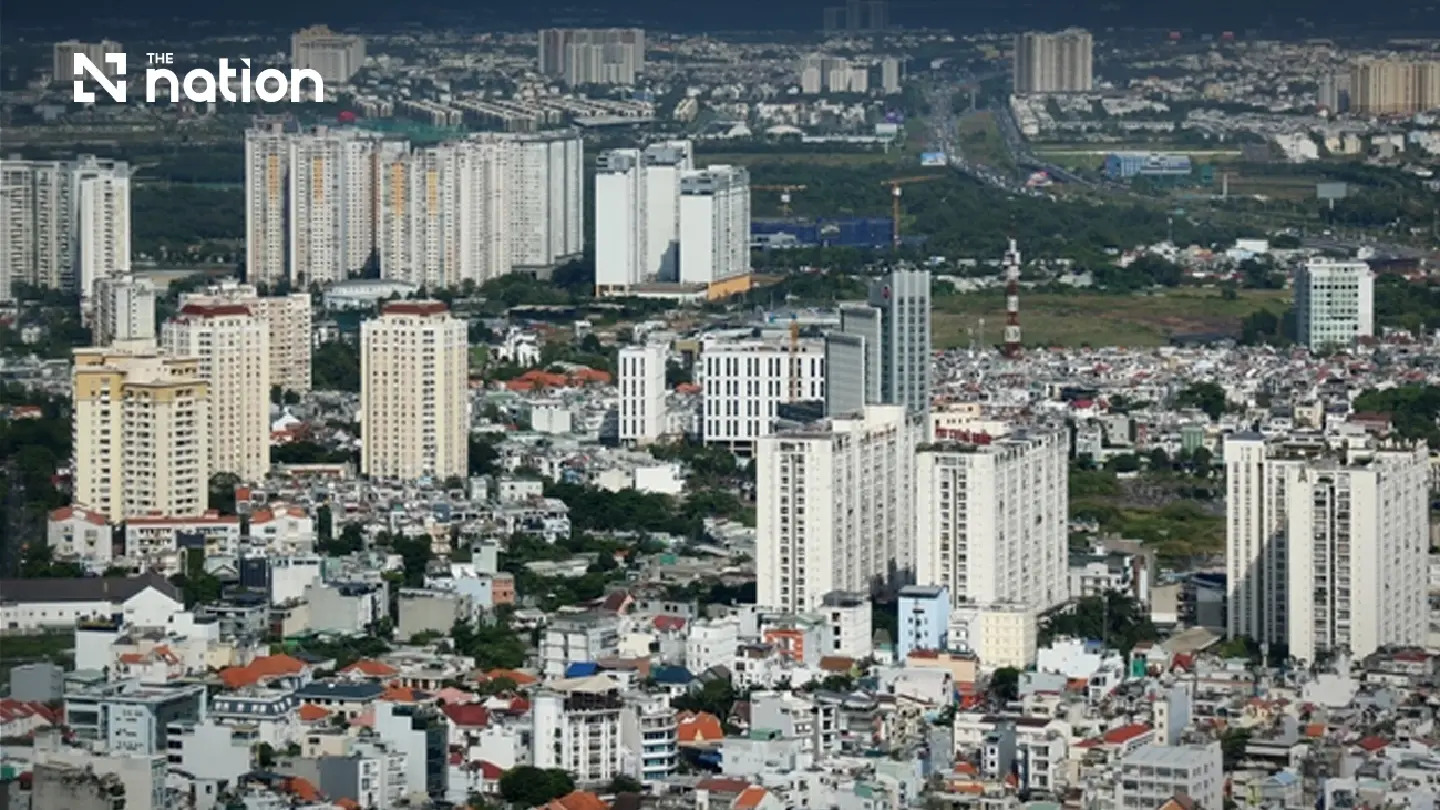
 Vietnam proposed housing draft limits foreign buyers to apartment ownership
THIS NEWS ARTICLE KINDLY SPONSORED BY FALLPROTEC, A WORLD-RENOWNED NAME IN THE DESIGN AND MANUFACTURE OF PREMIUM FALL PROTECTION SYSTEMS AND HEIGHT ACCESS SOLUTIONS
- A proposed revision to Vietnam’s Law on Housing would remove landed houses from the types of property that foreigners are eligible to own.
- Under the draft, eligible foreign individuals and organisations would still be permitted to purchase and own apartments, subject to certain restrictions like a 30% cap per building.
- The change is intended to align housing regulations with a national land policy resolution that prevents foreigners from receiving transfers of land-use rights, which are tied to landed houses.
- The proposal specifies that foreigners who already hold legally valid ownership certificates for homes in Vietnam will retain full protection of their property rights.
Foreign home ownership would continue in Vietnam under a proposed revision of the Law on Housing released on September 13.
The general rules would allow eligible foreign individuals and organisations to own apartments, while removing the provisions for landed houses.
Foreigners already holding legally valid ownership certificates for homes in Vietnam should retain full protection for their property rights, Danny Vo, vice president of the Ho Chi Minh City Association for Liaison with Overseas Vietnamese, said.
He specified transfers, gifts, mortgages and inheritance.
The Ministry of Construction estimates that foreign individuals and organisations hold more than 6,000 homes in Vietnam, including acquisitions made before the 2023 Law on Housing took effect.
Its figures show 1,519 homes acquired nationwide since the law took effect.
Foreign ownership remains relatively small.
Nguyen Duy Thanh, vice chairman of the Ho Chi Minh City Apartment Building Operation and Management Association, cited the small number of landed houses owned by foreigners as the reason he expected only a limited effect on property prices and liquidity from Vietnam’s proposed housing change.
Vietnam draft preserves rights for foreign spouses
The draft would preserve the same home ownership rights as Vietnamese citizens for foreigners married to Vietnamese citizens living in Vietnam.
For foreigners married to overseas Vietnamese, corresponding rights would apply provided the overseas Vietnamese spouse is permitted to enter Vietnam.
Equal home ownership rights for foreign spouses of Vietnamese citizens should attach only to housing jointly owned by the couple, Hanoi Bar Association lawyer Nguyen Van Dinh proposed.
He called for clearer rules, with separately owned property still subject to the restrictions for foreigners.
Foreign nationals, overseas Vietnamese, people of Vietnamese origin and dual nationals need clearer distinctions in the rules, Vo said.
To encourage overseas Vietnamese investment in Vietnam, he proposed simpler procedures for verifying Vietnamese origin and consistent procedures from one locality to another.
Vietnam draft keeps apartments open to eligible foreigners
For foreign organisations operating in Vietnam and foreign individuals permitted to enter the country, the draft would allow eligible apartments to be received as gifts or inherited.
Commercial apartments could also be bought or acquired through lease-purchase from project developers.
Eligible foreigners can currently own apartments and landed houses within housing development projects in Vietnam, subject to limits on numbers and locations.
The Ministry of Construction said existing restrictions already cover the number of units held by foreigners in each condominium building, project location and national defence and security.
Foreign apartment ownership in Vietnam would run from the date the ownership certificate is issued, with a maximum term of 50 years under the draft.
Any extension would depend on the building’s remaining useful life and could be granted only once, for up to another 50 years.
In Vietnam’s draft, foreign individuals and organisations could together hold no more than 30% of the apartments in any condominium building.
The same ceiling would apply separately to each building where a project contains several.
Project lists published by local authorities would identify where foreign home ownership is allowed.
Under the draft, Vietnam’s government would define areas needing protection for national defence and security, and housing projects in those areas would be excluded from foreign ownership.
Vietnam links housing revision to land-use policy
The housing revision is intended to align with Resolution 21-NQ/TW, the Ministry of Construction said.
Adopted by the Communist Party of Vietnam’s Central Committee on July 28, the resolution states that land cannot be privatised and foreigners cannot receive transfers of land-use rights.
Overseas Vietnamese are exempt from the transfer restriction.
Dinh pointed out that apartment owners in Vietnam already share land-use rights over their condominium project’s site.
He argued that foreigners could be allowed to own landed houses without acquiring land-use rights, if ownership of the house were recognised separately from rights to the land beneath it.
Dinh said separating house ownership from land-use rights could satisfy Resolution 21-NQ/TW while encouraging foreign workers, specialists and businesspeople to live and work in Vietnam.
Vo proposed considering a long-term leasing framework for designated areas in Vietnam, allowing strategic investors, specialists and foreigners married to Vietnamese citizens to rent landed houses.
Careful management of land access is necessary for national defence and security in Vietnam’s strategically important locations, including border, coastal and island areas, Thanh said.
He emphasised that land is a finite national resource with strategic importance.
Excluding landed houses would align Vietnam’s foreign home ownership rules with land policy, the Ministry of Construction said.
Continuing to allow foreign apartment ownership under strict conditions would not affect national defence or security, it added.
Source: https://www.nationthailand.com/news/world/40071804 (Vietnam News)
Google Translation:
[We apologise if any of the translation is incorrect: google Translation occasionally gets it wrong]
ร่างกฎหมายว่าด้วยที่อยู่อาศัยของเวียดนามจำกัดสิทธิ์การซื้อของชาวต่างชาติเฉพาะการเป็นเจ้าของห้องชุด
บทความข่าวนี้ได้รับการสนับสนุนโดย FALLPROTEC บริษัทชั้นนำระดับโลกด้านการออกแบบและผลิตระบบป้องกันการตกจากที่สูงและโซลูชันการเข้าถึงที่สูงระดับพรีเมียม
การแก้ไขกฎหมายว่าด้วยที่อยู่อาศัยของเวียดนามที่เสนอมานั้น จะตัดบ้านเดี่ยวออกจากประเภททรัพย์สินที่ชาวต่างชาติมีสิทธิ์เป็นเจ้าของ
ภายใต้ร่างกฎหมายนี้ บุคคลและองค์กรต่างชาติที่มีคุณสมบัติเหมาะสมจะยังคงได้รับอนุญาตให้ซื้อและเป็นเจ้าของห้องชุดได้ โดยอยู่ภายใต้ข้อจำกัดบางประการ เช่น จำกัดสัดส่วนการถือครองไม่เกิน 30% ต่ออาคาร
การเปลี่ยนแปลงนี้มีจุดประสงค์เพื่อให้กฎระเบียบด้านที่อยู่อาศัยสอดคล้องกับนโยบายที่ดินของประเทศที่ป้องกันไม่ให้ชาวต่างชาติได้รับโอนสิทธิ์การใช้ที่ดิน ซึ่งผูกติดอยู่กับบ้านเดี่ยว
ข้อเสนอดังกล่าวระบุว่า ชาวต่างชาติที่ถือครองใบรับรองกรรมสิทธิ์บ้านในเวียดนามอย่างถูกต้องตามกฎหมายอยู่แล้ว จะยังคงได้รับการคุ้มครองสิทธิ์ในทรัพย์สินอย่างเต็มที่
ภายใต้ร่างแก้ไขกฎหมายว่าด้วยที่อยู่อาศัยที่เสนอเมื่อวันที่ 13 กันยายน การเป็นเจ้าของบ้านของชาวต่างชาติจะยังคงดำเนินต่อไปในเวียดนาม
กฎทั่วไปจะอนุญาตให้บุคคลและองค์กรต่างชาติที่มีคุณสมบัติเหมาะสมสามารถเป็นเจ้าของอพาร์ตเมนต์ได้ ในขณะที่ยกเลิกข้อกำหนดสำหรับบ้านเดี่ยว
นายแดนนี่ โว รองประธานสมาคมประสานงานชาวเวียดนามในต่างแดนแห่งนครโฮจิมินห์ กล่าวว่า ชาวต่างชาติที่ถือครองเอกสารสิทธิ์การเป็นเจ้าของบ้านในเวียดนามอย่างถูกต้องตามกฎหมายอยู่แล้ว ควรได้รับการคุ้มครองสิทธิ์ในทรัพย์สินอย่างเต็มที่
เขาระบุรายละเอียดเกี่ยวกับการโอน การให้ของขวัญ การจำนอง และการรับมรดก
กระทรวงการก่อสร้างประเมินว่า บุคคลและองค์กรต่างชาติถือครองบ้านมากกว่า 6,000 หลังในเวียดนาม รวมถึงการซื้อกิจการก่อนที่กฎหมายว่าด้วยที่อยู่อาศัยปี 2023 จะมีผลบังคับใช้
ตัวเลขแสดงให้เห็นว่ามีการซื้อบ้าน 1,519 หลังทั่วประเทศนับตั้งแต่กฎหมายมีผลบังคับใช้
การเป็นเจ้าของโดยชาวต่างชาติยังคงมีขนาดค่อนข้างเล็ก
เหงียน ดุย ทันห์ รองประธานสมาคมผู้ประกอบการและบริหารจัดการอาคารชุดนครโฮจิมินห์ กล่าวว่า จำนวนบ้านเดี่ยวที่ชาวต่างชาติเป็นเจ้าของมีจำนวนน้อย จึงทำให้เขาคาดหวังว่าการเปลี่ยนแปลงกฎหมายที่อยู่อาศัยของเวียดนามจะมีผลกระทบต่อราคาและสภาพคล่องในตลาดอสังหาริมทรัพย์อย่างจำกัด
ร่างกฎหมายของเวียดนามยังคงรักษาสิทธิของคู่สมรสชาวต่างชาติ
ร่างกฎหมายฉบับนี้จะรักษาสิทธิในการเป็นเจ้าของบ้านเช่นเดียวกับพลเมืองเวียดนามสำหรับชาวต่างชาติที่แต่งงานกับพลเมืองเวียดนามที่อาศัยอยู่ในเวียดนาม
สำหรับชาวต่างชาติที่แต่งงานกับชาวเวียดนามในต่างประเทศ สิทธิที่เทียบเท่ากันจะใช้ได้ก็ต่อเมื่อคู่สมรสชาวเวียดนามในต่างประเทศได้รับอนุญาตให้เข้าประเทศเวียดนาม
เหงียน วัน ดินห์ ทนายความจากสมาคมทนายความฮานอย เสนอว่า สิทธิในการเป็นเจ้าของบ้านที่เท่าเทียมกันสำหรับคู่สมรสชาวต่างชาติของพลเมืองเวียดนาม ควรใช้เฉพาะกับบ้านที่คู่สมรสเป็นเจ้าของร่วมกันเท่านั้น
เขาเรียกร้องให้มีกฎเกณฑ์ที่ชัดเจนยิ่งขึ้น โดยทรัพย์สินที่เป็นเจ้าของแยกกันยังคงอยู่ภายใต้ข้อจำกัดสำหรับชาวต่างชาติ
โว กล่าวว่า ชาวต่างชาติ ชาวเวียดนามในต่างประเทศ ผู้ที่มีเชื้อสายเวียดนาม และผู้ที่มีสัญชาติคู่ จำเป็นต้องมีการแบ่งแยกที่ชัดเจนยิ่งขึ้นในกฎเกณฑ์
เพื่อส่งเสริมการลงทุนของชาวเวียดนามในต่างประเทศ เขาเสนอขั้นตอนที่ง่ายขึ้นสำหรับการตรวจสอบสัญชาติเวียดนาม และขั้นตอนที่สอดคล้องกันในแต่ละพื้นที่
สำหรับองค์กรต่างชาติที่ดำเนินงานในเวียดนาม และบุคคลต่างชาติที่ได้รับอนุญาตให้เข้าประเทศ ร่างกฎหมายฉบับนี้จะอนุญาตให้รับอพาร์ตเมนต์ที่มีคุณสมบัติเหมาะสมเป็นของขวัญหรือมรดกได้
อพาร์ตเมนต์เชิงพาณิชย์ยังสามารถซื้อหรือได้มาผ่านการเช่าซื้อจากผู้พัฒนาโครงการได้
ปัจจุบันชาวต่างชาติที่มีคุณสมบัติเหมาะสมสามารถเป็นเจ้าของอพาร์ตเมนต์และบ้านเดี่ยวในโครงการพัฒนาที่อยู่อาศัยในเวียดนามได้ โดยอยู่ภายใต้ข้อจำกัดด้านจำนวนและสถานที่ตั้ง
กระทรวงการก่อสร้างกล่าวว่าข้อจำกัดที่มีอยู่แล้วครอบคลุมถึงจำนวนหน่วยที่ชาวต่างชาติถือครองในอาคารคอนโดมิเนียมแต่ละแห่ง สถานที่ตั้งโครงการ และการป้องกันประเทศและความมั่นคงของชาติ
การเป็นเจ้าของอพาร์ตเมนต์ของชาวต่างชาติในเวียดนามจะมีผลตั้งแต่วันที่ออกใบรับรองกรรมสิทธิ์ โดยมีระยะเวลาสูงสุด 50 ปีตามร่างกฎหมาย
การต่ออายุใดๆ จะขึ้นอยู่กับอายุการใช้งานที่เหลืออยู่ของอาคาร และสามารถต่ออายุได้เพียงครั้งเดียว สูงสุดไม่เกิน 50 ปี
ในร่างกฎหมายของเวียดนาม บุคคลและองค์กรต่างชาติสามารถถือครองอพาร์ตเมนต์รวมกันได้ไม่เกิน 30% ในอาคารคอนโดมิเนียมใดๆ
เพดานเดียวกันนี้จะใช้แยกต่างหากกับแต่ละอาคารในกรณีที่โครงการหนึ่งๆ ประกอบด้วยหลายอาคาร
รายชื่อโครงการที่เผยแพร่โดยหน่วยงานท้องถิ่นจะระบุว่าอนุญาตให้ชาวต่างชาติเป็นเจ้าของบ้านได้ที่ใดบ้าง
ภายใต้ร่างกฎหมาย รัฐบาลเวียดนามจะกำหนดพื้นที่ที่ต้องได้รับการคุ้มครองเพื่อการป้องกันและความมั่นคงของชาติ และโครงการที่อยู่อาศัยในพื้นที่เหล่านั้นจะไม่อยู่ในขอบเขตการเป็นเจ้าของของชาวต่างชาติ
เวียดนามเชื่อมโยงการแก้ไขกฎหมายที่อยู่อาศัยกับนโยบายการใช้ที่ดิน
กระทรวงการก่อสร้างกล่าวว่า การแก้ไขกฎหมายที่อยู่อาศัยมีจุดประสงค์เพื่อให้สอดคล้องกับมติที่ 21-NQ/TW
มติดังกล่าวซึ่งคณะกรรมการกลางพรรคคอมมิวนิสต์เวียดนามรับรองเมื่อวันที่ 28 กรกฎาคม ระบุว่าที่ดินไม่สามารถแปรรูปเป็นของเอกชนได้ และชาวต่างชาติไม่สามารถรับโอนสิทธิ์การใช้ที่ดินได้
ชาวเวียดนามในต่างประเทศได้รับการยกเว้นจากข้อจำกัดการโอนสิทธิ์
ดินห์ชี้ให้เห็นว่า เจ้าของห้องชุดในเวียดนามต่างมีสิทธิในการใช้ที่ดินร่วมกันภายในโครงการคอนโดมิเนียมนั้น ๆ อยู่แล้ว
เขาเสนอว่า ชาวต่างชาติอาจได้รับอนุญาตให้เป็นเจ้าของบ้านพร้อมที่ดินได้ โดยไม่จำเป็นต้องได้มาซึ่งสิทธิในการใช้ที่ดิน หากมีการแยกสถานะความเป็นเจ้าของตัวบ้านออกจากสิทธิในที่ดินที่ตั้งอยู่
ดินห์กล่าวว่า การแยกความเป็นเจ้าของบ้านออกจากสิทธิในการใช้ที่ดินนั้น สามารถตอบโจทย์ตามมติที่ 21-NQ/TW (Resolution 21-NQ/TW) อีกทั้งยังเป็นการส่งเสริมให้แรงงาน ผู้เชี่ยวชาญ และนักธุรกิจชาวต่างชาติเข้ามาอยู่อาศัยและทำงานในเวียดนามได้
โว (Vo) เสนอให้พิจารณากรอบการเช่าระยะยาวสำหรับพื้นที่ที่กำหนดไว้โดยเฉพาะในเวียดนาม เพื่อเปิดโอกาสให้นักลงทุนเชิงกลยุทธ์ ผู้เชี่ยวชาญ และชาวต่างชาติที่สมรสกับพลเมืองเวียดนาม สามารถเช่าบ้านพร้อมที่ดินได้
ธานห์ (Thanh) กล่าวว่า การบริหารจัดการการเข้าถึงที่ดินอย่างรอบคอบเป็นสิ่งจำเป็นต่อการป้องกันประเทศและความมั่นคง ในพื้นที่ที่มีความสำคัญเชิงยุทธศาสตร์ของเวียดนาม ซึ่งรวมถึงพื้นที่บริเวณชายแดน ชายฝั่ง และเกาะต่าง ๆ
เขาย้ำว่า ที่ดินเป็นทรัพยากรของชาติที่มีจำกัดและมีความสำคัญเชิงยุทธศาสตร์
กระทรวงการก่อสร้างระบุว่า การยกเว้นไม่ให้ชาวต่างชาติเป็นเจ้าของบ้านพร้อมที่ดิน จะช่วยให้กฎระเบียบว่าด้วยการถือครองที่อยู่อาศัยของชาวต่างชาติในเวียดนามสอดคล้องกับนโยบายด้านที่ดินของประเทศ
ทั้งนี้ กระทรวงฯ เสริมว่า การยังคงอนุญาตให้ชาวต่างชาติเป็นเจ้าของห้องชุดได้ภายใต้เงื่อนไขที่เข้มงวดนั้น จะไม่ส่งผลกระทบต่อการป้องกันประเทศหรือความมั่นคงแต่อย่างใด


