 Rayong’s U-Tapao airport expansion and High-Speed Rail: EEC’s Make-or-Break Infrastructure Bet
THIS NEWS ARTICLE KINDLY SPONSORED BY FALLPROTEC, A WORLD-RENOWNED NAME IN THE DESIGN AND MANUFACTURE OF PREMIUM FALL PROTECTION SYSTEMS AND HEIGHT ACCESS SOLUTIONS
- After significant delays, the U-Tapao airport expansion is proceeding with a smaller, more pragmatic initial phase and is no longer waiting for the stalled high-speed rail link.
- The high-speed rail project, a key anchor of the EEC, remains delayed, forcing developers to decouple their timelines and rely on existing motorways for connectivity.
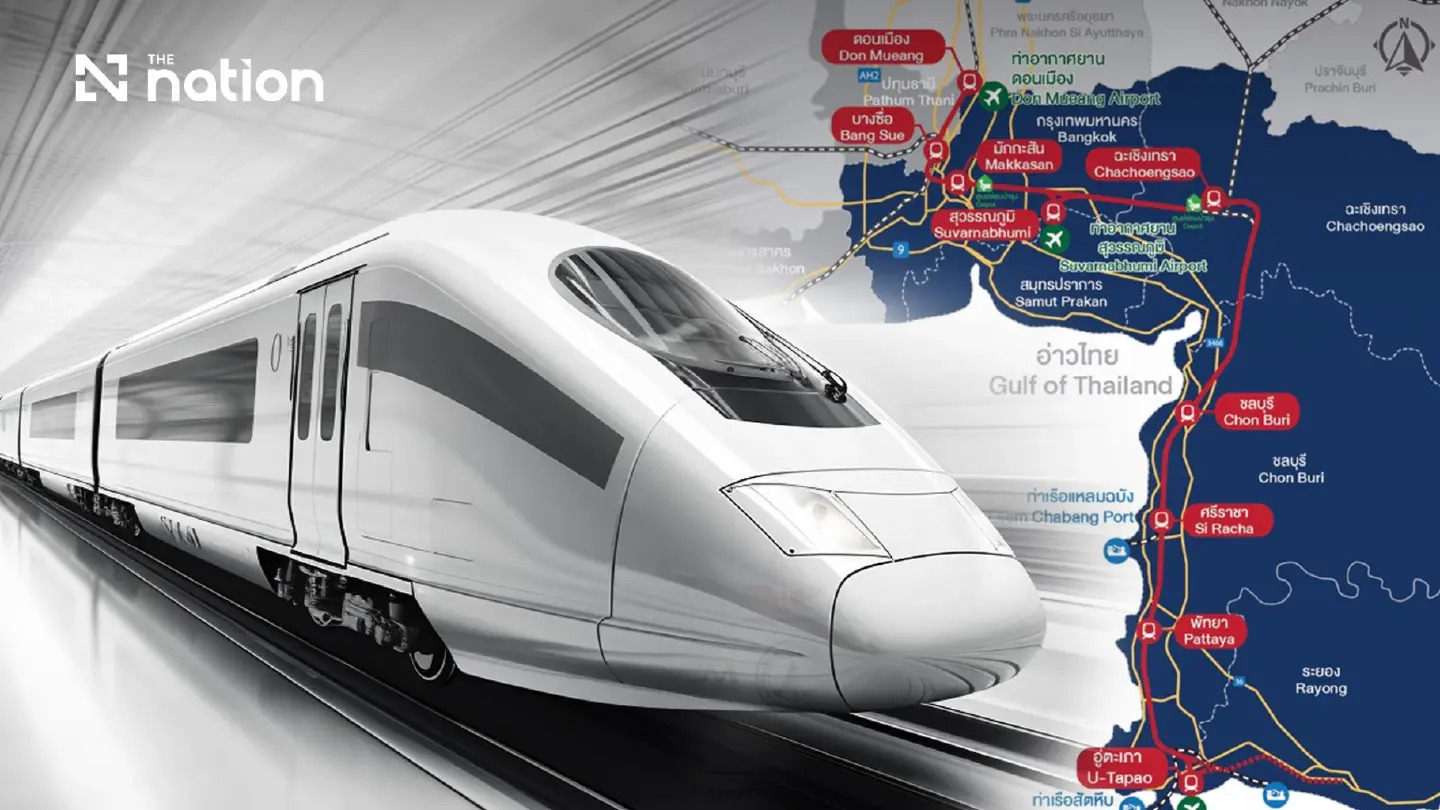
- With the rail project deadlocked, a potential fallback solution is a scaled-down “Super Express” service with fewer stops to prioritize a fast connection between Bangkok and U-Tapao.
With Uttapao’s construction notice issued and rail delayed, aviation, industrial and estate developers set a pragmatic path to keep mega-projects moving.
The physical hardware of the Eastern Economic Corridor (EEC) is being forced to adapt. For years, the U-Tapao airport expansion and the high-speed rail link connecting Bangkok’s three major airports have served as the corridor’s twin anchor projects—and its most visible bottlenecks.
Yet, discussions during the industrial and infrastructure track of the recent “EEC Never Stop: The Next Chapter” roundtable on Monday revealed a pragmatic shift: developers are recalibrating their scale and decoupling their timelines to get things moving.
Executives driving this logistics backbone—Wirawat Panthawangkun of U-Tapao International Aviation (UTA), Pajongwit Pongsivapai of WHA Industrial Development, and Sommat Khunset of the Federation of Thai Industries (FTI)—outlined how the region is adjusting to post-pandemic realities without abandoning its long-term ambitions.
U-Tapao: a smaller first step, not a smaller goal
Wirawat delivered the day’s most concrete progress update. Following years of pandemic and geopolitical delays, UTA officially received its Notice to Proceed (NTP) on 3 April 2026, finally unblocking the 50-year concession and clearing the way for construction.
The bigger story is a strategic pivot. Originally envisioned primarily as a manufacturing and maintenance, repair, and overhaul (MRO) hub, UTA is now positioning U-Tapao as a gateway for high-value tourism.
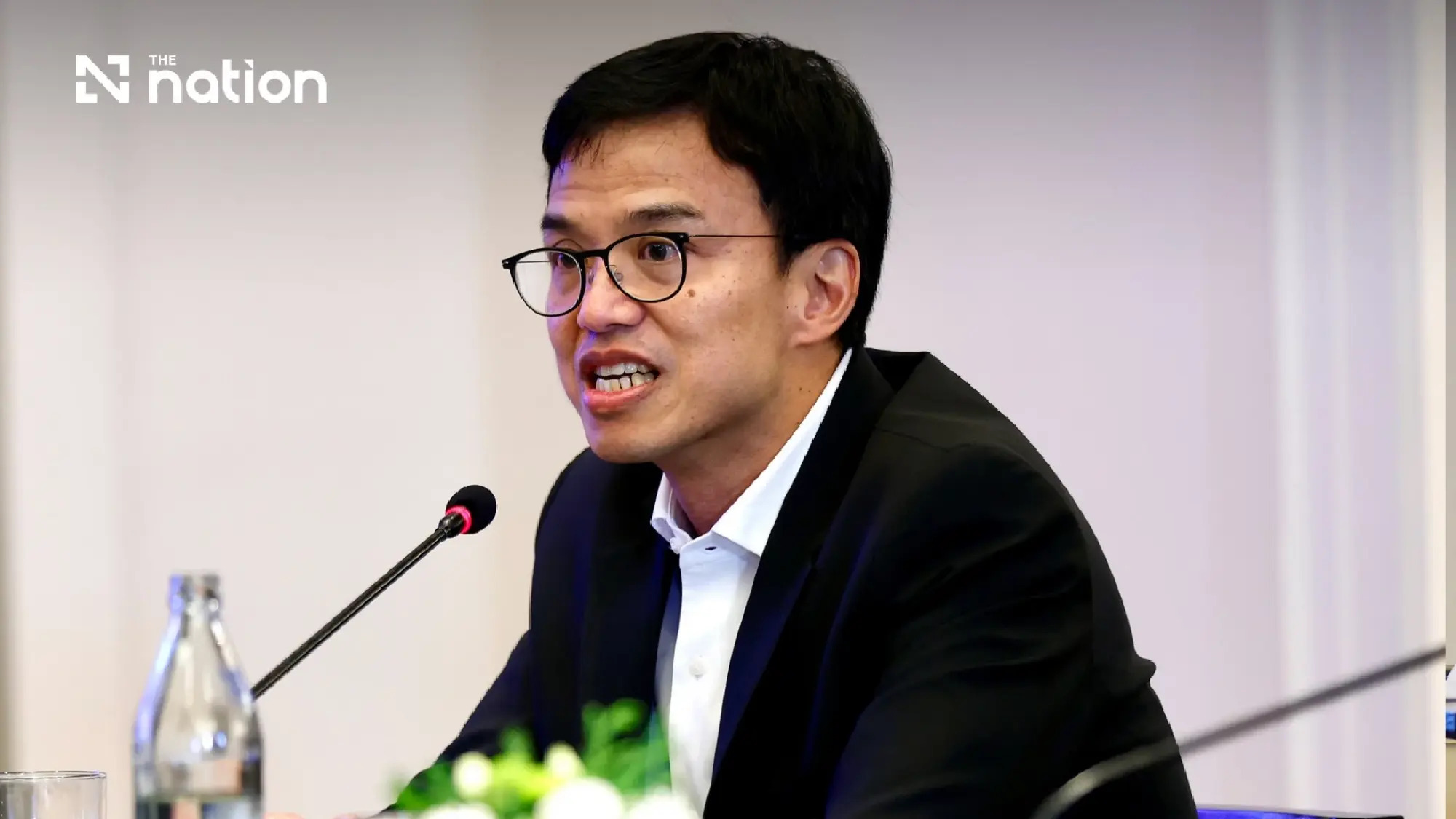
This approach is designed to channel spending directly into the local economy and leverage the region’s agricultural strength—noting that the surrounding area already accounts for 60–70% of Thailand’s fruit exports.
On scale, Wirawat was candid. Pre-pandemic passenger numbers at U-Tapao peaked at around 2 million annually; today, the airport handles roughly 300,000. Rather than pursuing the original 16-million-passenger first phase, UTA has proposed a right-sized starting point of 3 million to the EECO.
Crucially, the ultimate expansion capacity of 60 million remains intact, matching the runway investments already made by the state.
“We are not lowering our readiness, only lowering the scale to match real demand,” he explained, arguing for building capability first and letting volume follow.
Importantly, UTA is no longer waiting for the stalled high-speed rail link. Instead, it will rely on the M7 motorway as its primary artery while marketing the airport city to global investors.
U-Tapao, Wirawat said, must act as a “magnet”—drawing visitors who then radiate out to Pattaya, Rayong, Chonburi, and Chanthaburi, rather than relying on those destinations to justify the airport’s existence.
WHA: the case for water, power—and a warning on land
Pajongwit framed the EEC’s industrial competitiveness around its mature infrastructure, which gives Thailand a genuine regional edge: a natural-gas network, large-scale raw water supplies managed jointly by East Water and Wongsayam, efficient highways, and a highly stable power grid operated by the Electricity Generating Authority of Thailand.
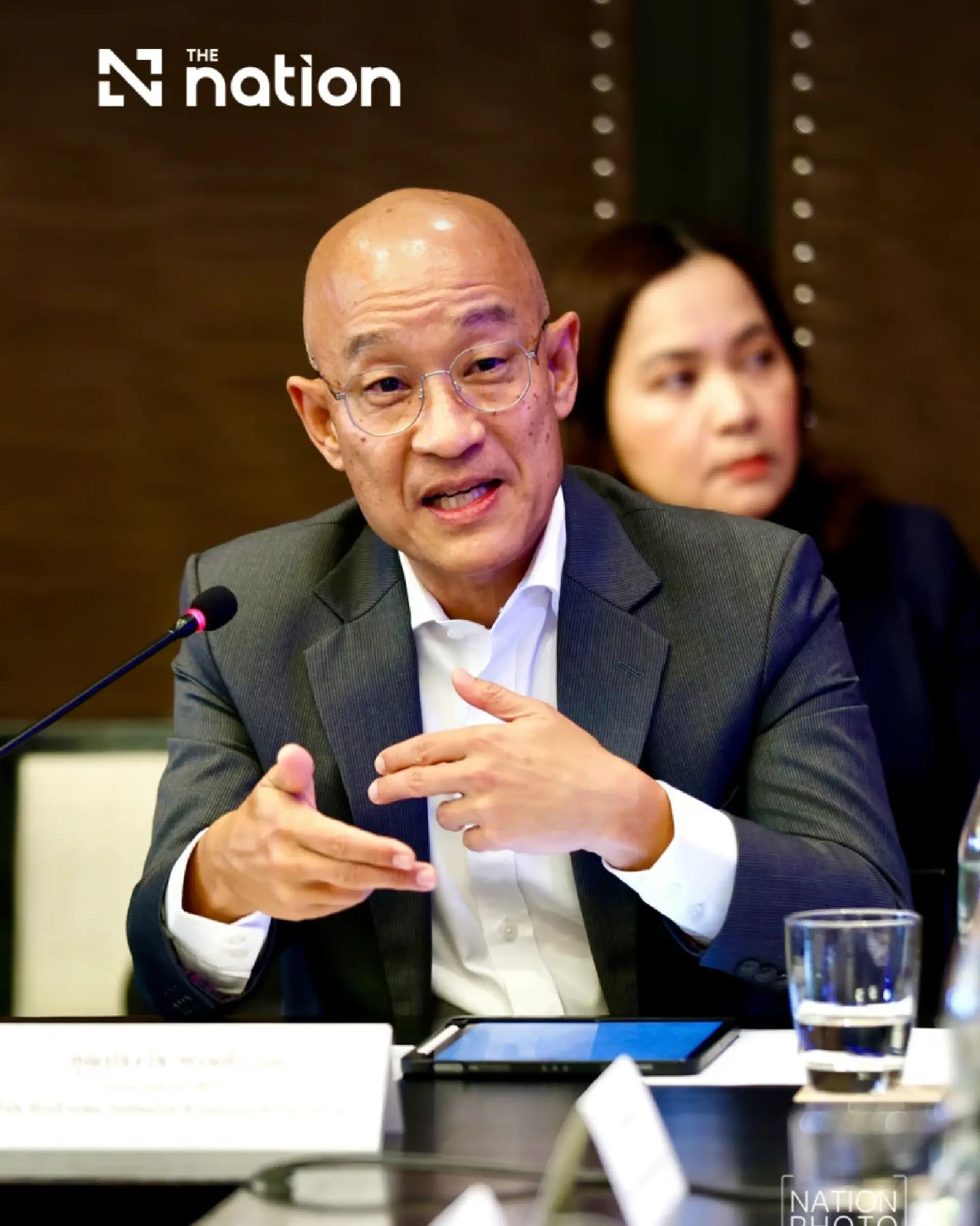
However, this confidence came with two caveats:
- Water security: Chachoengsao’s industrial growth continues to lag behind Chonburi and Rayong due to insufficient and occasionally brackish raw water. WHA is urging the state to prioritise a cleaner, comprehensive water system, even as the company deploys its own reclaimed-water treatments to reach net-zero targets.
- Land zoning constraints: Pajongwit raised a major red flag regarding a draft city zoning plan that could shrink designated industrial expansion land from roughly 2 million rai to just 300,000 rai.
With national data centre demand approaching 30,000 megawatts, he argued Thailand must stop passively accepting all investment and actively select high-value contributors—those bringing technology transfer, local supply-chain integration, and ESG-grade standards—while ensuring land supply doesn’t choke off the semiconductor and advanced-technology clusters the EEC was built to attract.
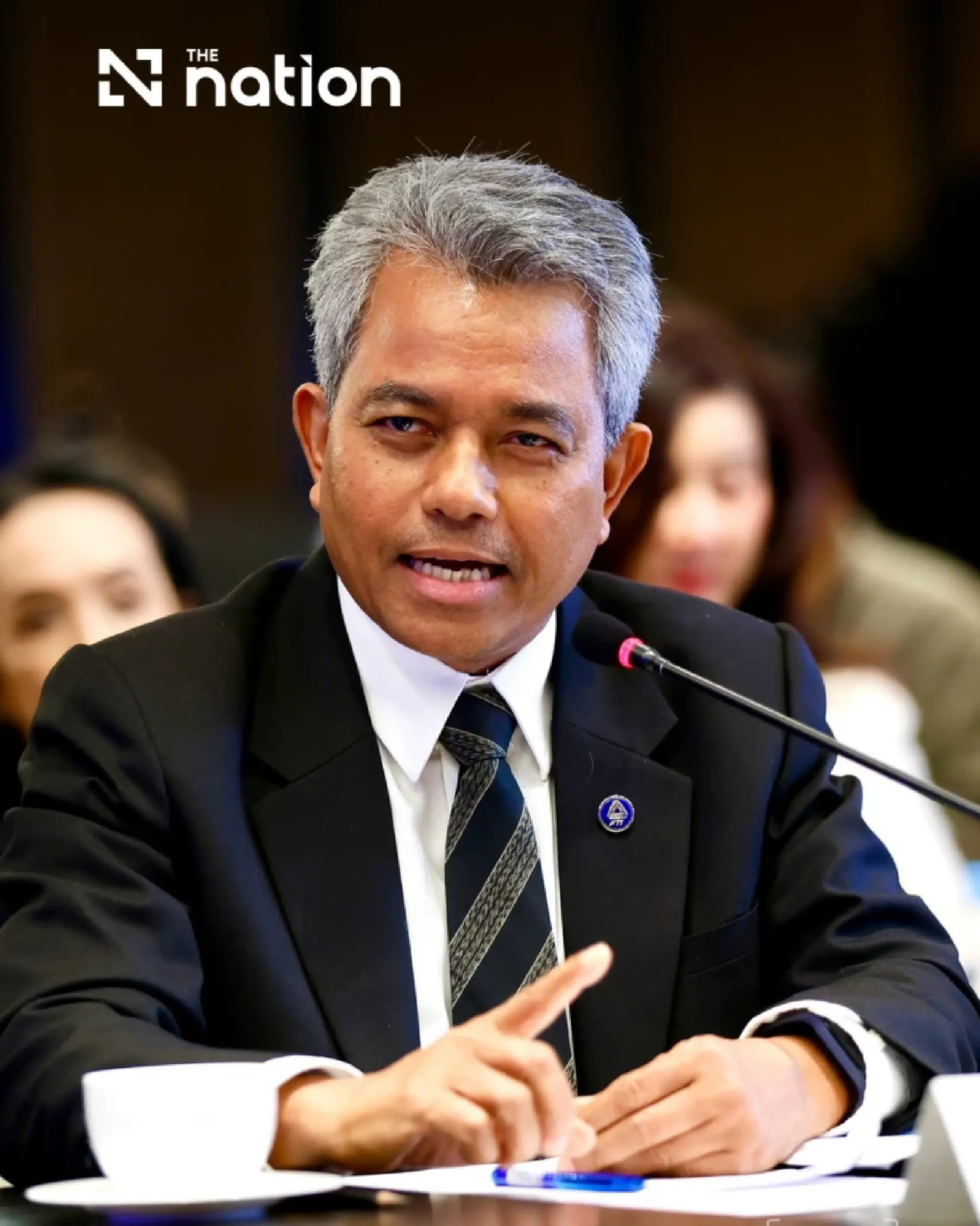
FTI: defending industry, chasing rail and skills
Sommat pushed back on industry’s role as the “usual suspect” for environmental complaints, arguing that most local pollution stems from untreated municipal waste rather than regulated factories, which face strict closure penalties for violations.
On electric vehicles (EVs), he credited Thailand’s deep automotive manufacturing roots—anchored by Honda and Toyota—for attracting global players like BYD and Changan. The EEC has already logged roughly 200 EV-related investment applications worth 140 billion baht.
However, he warned of a severe skills gap in battery technology, software, and specialised engineering, stressing that training capacity must precede demand.
Sommat made a strong case for incorporating Prachinburi as the EEC’s fourth province, highlighting its road connectivity, proximity to Laem Chabang, and the vital water reserves of the Nong Prue Chinda Reservoir.
However, despite intense industry lobbying, the government confirmed in August 2026 that Prachinburi would not be included following widespread local opposition.
Turning to logistics, Sommat pointed to a major structural weakness: rail accounts for just 7% of regional freight, leaving roads across Chonburi and Rayong heavily congested with container trucks.
He noted that the upcoming Laem Chabang Port Phase 3 expansion—which will boost capacity to nearly 18 million TEUs—alongside rail-linked port initiatives, is projected to lift rail’s share of freight transport to 30%.
Regarding the stalled high-speed rail public-private partnership (PPP), panellists broadly agreed the state might need to take a more active role in building core infrastructure if private talks remain deadlocked.
A pragmatic fallback was also floated: a “Super Express” service running at 140–160 km/h with fewer stops, prioritising speed between Bangkok and U-Tapao over comprehensive station coverage.
Ultimately, Sommat argued, the most valuable thing the government can offer private developers is not a faster train but policy clarity.
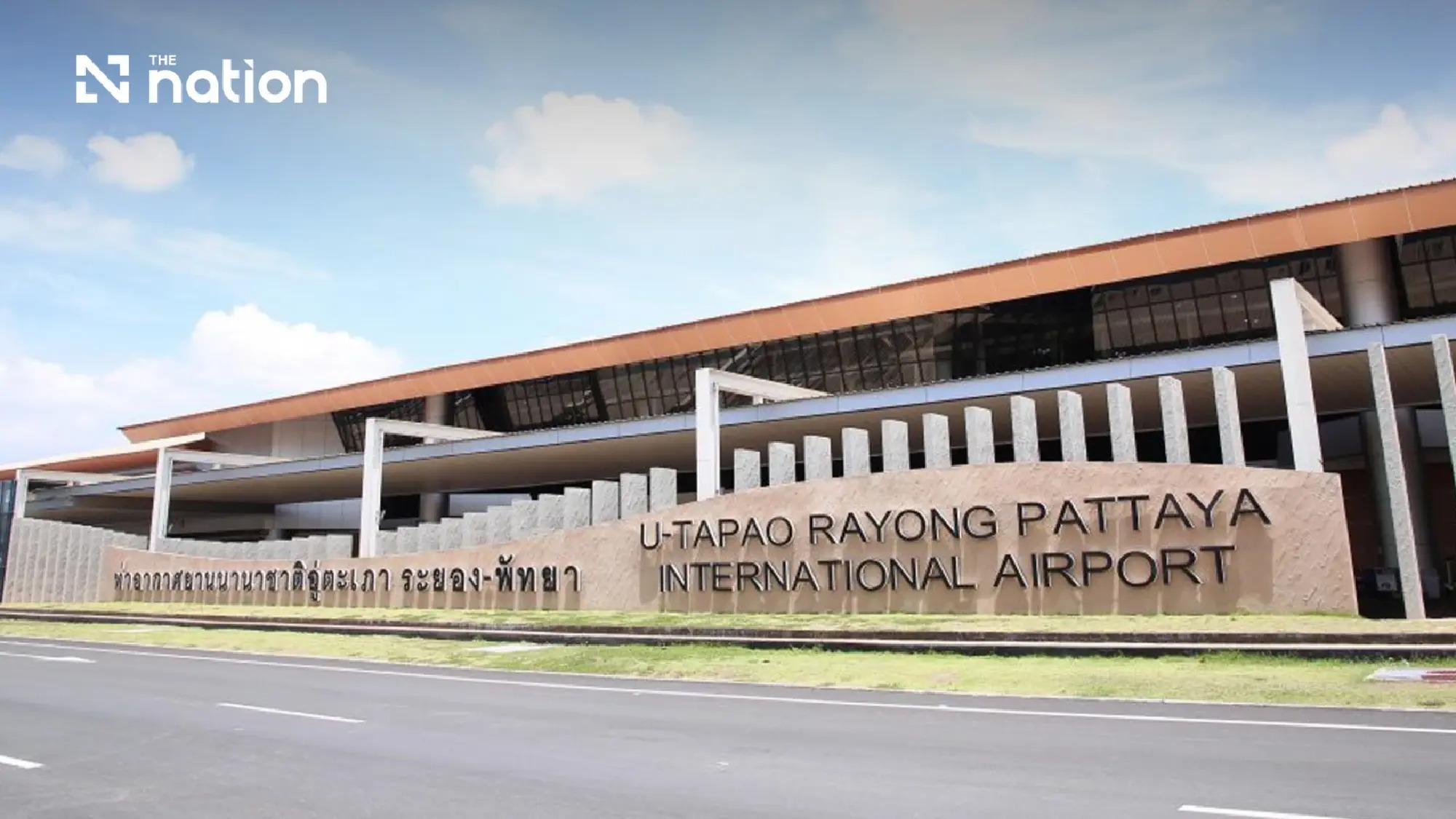
Background: rebuilding on the Eastern Seaboard
The EEC’s logistics network builds on four decades of Eastern Seaboard infrastructure, originally centred on the Laem Chabang and Map Ta Phut ports.
The corridor’s next phase depends on stitching together four unfinished pieces: two ports, one rail line, and one airport.
Independent analysis echoes the roundtable’s consensus: the EEC already possesses ASEAN’s strongest utility pipeline network, but converting that physical readiness into finished mega-projects—while reconciling zoning rules with industrial land needs—remains the central execution challenge of its second decade.
Source: https://www.nationthailand.com/business/economy/40070765
Google Translation:
[We apologise if any of the translation is incorrect: google Translation occasionally gets it wrong]
การขยายสนามบินอู่ตะเภาและรถไฟความเร็วสูงจังหวัดระยอง: การลงทุนด้านโครงสร้างพื้นฐานที่สำคัญยิ่งของภาคเศรษฐกิจภาคตะวันออกเฉียงเหนือ
บทความข่าวนี้ได้รับการสนับสนุนโดย FALLPROTEC บริษัทชั้นนำระดับโลกด้านการออกแบบและผลิตระบบป้องกันการตกจากที่สูงและโซลูชันสำหรับการทำงานบนที่สูง
หลังจากล่าช้ามาเป็นเวลานาน การขยายสนามบินอู่ตะเภาได้เริ่มดำเนินการในระยะเริ่มต้นที่เล็กลงและเหมาะสมยิ่งขึ้น โดยไม่รอการเชื่อมต่อรถไฟความเร็วสูงที่หยุดชะงักอีกต่อไป
โครงการรถไฟความเร็วสูง ซึ่งเป็นหัวใจสำคัญของภาคเศรษฐกิจภาคตะวันออกเฉียงเหนือ ยังคงล่าช้า ทำให้ผู้พัฒนาต้องแยกแผนงานและพึ่งพาทางหลวงที่มีอยู่เพื่อการเชื่อมต่อ
เมื่อโครงการรถไฟหยุดชะงัก ทางออกสำรองที่เป็นไปได้คือบริการ “ซูเปอร์เอ็กซ์เพรส” ขนาดเล็กที่มีจุดจอดน้อยลง เพื่อเน้นการเชื่อมต่อที่รวดเร็วระหว่างกรุงเทพฯ และอู่ตะเภา
หลังจากมีการออกประกาศก่อสร้างโครงการที่สนามบินอู่ตะเภาและโครงการรถไฟล่าช้า ผู้พัฒนาด้านการบิน อุตสาหกรรม และอสังหาริมทรัพย์จึงได้วางแผนอย่างรอบคอบเพื่อผลักดันโครงการขนาดใหญ่ให้เดินหน้าต่อไป
โครงสร้างพื้นฐานของระเบียงเศรษฐกิจภาคตะวันออก (EEC) กำลังถูกบีบให้ต้องปรับตัว เป็นเวลาหลายปีแล้วที่การขยายสนามบินอู่ตะเภาและการเชื่อมต่อรถไฟความเร็วสูงระหว่างสนามบินหลักสามแห่งของกรุงเทพฯ เป็นโครงการสำคัญสองโครงการหลักของระเบียงเศรษฐกิจนี้ และเป็นคอขวดที่เห็นได้ชัดที่สุด
อย่างไรก็ตาม การอภิปรายในหัวข้ออุตสาหกรรมและโครงสร้างพื้นฐานของการประชุมโต๊ะกลม “EEC Never Stop: The Next Chapter” เมื่อวันจันทร์ที่ผ่านมา ได้เผยให้เห็นถึงการเปลี่ยนแปลงที่เป็นรูปธรรม: ผู้พัฒนาต่างปรับขนาดโครงการและแยกช่วงเวลาการดำเนินงานเพื่อให้โครงการเดินหน้าต่อไปได้
ผู้บริหารที่ขับเคลื่อนโครงสร้างพื้นฐานด้านโลจิสติกส์นี้ ได้แก่ นายวิรวัฒน์ พันธวังคุณ จากบริษัท อู่ตะเภา อินเตอร์เนชั่นแนล เอวิเอชั่น (UTA), นายภาจงวิทย์ พงษ์สิวาไพ จากบริษัท ดับบลิวเอชเอ อินดัสเทรียล ดีเวลลอปเมนต์ และนายสมท คุณเสท จากสภาอุตสาหกรรมแห่งประเทศไทย (FTI) ได้ชี้แจงถึงการปรับตัวของภูมิภาคให้เข้ากับสถานการณ์หลังการระบาดใหญ่ โดยไม่ละทิ้งเป้าหมายระยะยาว
อู่ตะเภา: ก้าวแรกที่เล็กกว่า ไม่ใช่เป้าหมายที่เล็กลง
นายวิรวัฒน์ได้รายงานความคืบหน้าที่เป็นรูปธรรมที่สุดในวันนี้ หลังจากล่าช้ามาหลายปีเนื่องจากการระบาดใหญ่และสถานการณ์ทางภูมิรัฐศาสตร์ UTA ได้รับหนังสืออนุญาตให้ดำเนินการ (NTP) อย่างเป็นทางการเมื่อวันที่ 3 เมษายน 2569 ซึ่งเป็นการปลดล็อกสัมปทาน 50 ปี และเปิดทางให้เริ่มการก่อสร้างได้
เรื่องที่สำคัญกว่านั้นคือการปรับเปลี่ยนกลยุทธ์ เดิมที UTA ถูกวางแผนให้เป็นศูนย์กลางการผลิตและการบำรุงรักษา ซ่อมแซม และยกเครื่อง (MRO) แต่ปัจจุบัน UTA กำลังวางตำแหน่งอู่ตะเภาให้เป็นประตูสู่การท่องเที่ยวระดับสูง
วิรวัฒน์ พันธวังคุณ
แนวทางนี้ออกแบบมาเพื่อนำเงินไปใช้จ่ายโดยตรงในเศรษฐกิจท้องถิ่น และใช้ประโยชน์จากจุดแข็งด้านการเกษตรของภูมิภาค โดยสังเกตว่าพื้นที่โดยรอบคิดเป็น 60-70% ของการส่งออกผลไม้ของประเทศไทยอยู่แล้ว
ในแง่ของขนาด วิรวัฒน์กล่าวอย่างตรงไปตรงมา จำนวนผู้โดยสารที่สนามบินอู่ตะเภาในช่วงก่อนการระบาดใหญ่สูงสุดอยู่ที่ประมาณ 2 ล้านคนต่อปี ปัจจุบันสนามบินรองรับผู้โดยสารประมาณ 300,000 คน แทนที่จะดำเนินการตามแผนระยะแรกเดิมที่ 16 ล้านคน สนามบินอู่ตะเภาได้เสนอจุดเริ่มต้นที่เหมาะสมที่ 3 ล้านคนให้กับ EECO
ที่สำคัญคือ ศักยภาพในการขยายสูงสุดที่ 60 ล้านคนยังคงอยู่ ซึ่งสอดคล้องกับการลงทุนด้านรันเวย์ที่รัฐได้ดำเนินการไปแล้ว
“เราไม่ได้ลดความพร้อมลง เพียงแต่ลดขนาดลงเพื่อให้ตรงกับความต้องการที่แท้จริง” เขากล่าวอธิบาย โดยให้เหตุผลว่าควรสร้างศักยภาพก่อนแล้วค่อยให้ปริมาณตามมา
ที่สำคัญ สนามบินอู่ตะเภาไม่ได้รอการเชื่อมต่อรถไฟความเร็วสูงที่หยุดชะงักอีกต่อไปแล้ว แต่ในทางกลับกัน สนามบินจะอาศัยมอเตอร์เวย์ M7 เป็นเส้นทางหลักในการทำการตลาดเมืองสนามบินเพื่อดึงดูดนักลงทุนทั่วโลก
วิรวัฒน์กล่าวว่า สนามบินอู่ตะเภาต้องทำหน้าที่เป็น “แม่เหล็ก” ดึงดูดนักท่องเที่ยวให้กระจายตัวไปยังพัทยา ระยอง ชลบุรี และจันทบุรี แทนที่จะพึ่งพาจุดหมายปลายทางเหล่านั้นเพื่อพิสูจน์ความจำเป็นของการมีอยู่ของสนามบิน
WHA: กรณีของน้ำ พลังงาน และคำเตือนเกี่ยวกับที่ดิน
ปาจงวิทย์ได้วางกรอบความสามารถในการแข่งขันทางอุตสาหกรรมของ EEC โดยอิงจากโครงสร้างพื้นฐานที่พัฒนาแล้ว ซึ่งทำให้ประเทศไทยได้เปรียบในระดับภูมิภาคอย่างแท้จริง ได้แก่ เครือข่ายก๊าซธรรมชาติ แหล่งน้ำดิบขนาดใหญ่ที่บริหารจัดการร่วมกันโดย East Water และ Wongsayam ทางหลวงที่มีประสิทธิภาพ และโครงข่ายไฟฟ้าที่มีเสถียรภาพสูงซึ่งดำเนินการโดยการไฟฟ้าฝ่ายผลิตแห่งประเทศไทย
ปาจงวิทย์ พงษ์สิวาไพ
อย่างไรก็ตาม ความมั่นใจนี้มาพร้อมกับข้อควรระวังสองประการ:
ความมั่นคงด้านน้ำ: การเติบโตทางอุตสาหกรรมของฉะเชิงเทรายังคงล้าหลังชลบุรีและระยองเนื่องจากน้ำดิบไม่เพียงพอและบางครั้งก็มีรสเค็ม WHA เรียกร้องให้รัฐให้ความสำคัญกับระบบน้ำที่สะอาดและครอบคลุมมากขึ้น แม้ว่าบริษัทจะใช้ระบบบำบัดน้ำเสียของตนเองเพื่อให้บรรลุเป้าหมายการปล่อยก๊าซเรือนกระจกสุทธิเป็นศูนย์ก็ตาม
ข้อจำกัดด้านการจัดผังเมือง: ปาจงวิทย์ได้ยกประเด็นสำคัญเกี่ยวกับร่างแผนผังเมืองที่อาจลดพื้นที่ขยายอุตสาหกรรมที่กำหนดไว้จากประมาณ 2 ล้านไร่ เหลือเพียง 300,000 ไร่
ด้วยความต้องการศูนย์ข้อมูลระดับชาติที่ใกล้ถึง 30,000 เมกะวัตต์ เขาให้เหตุผลว่าประเทศไทยต้องหยุดรับการลงทุนทั้งหมดโดยไม่ไตร่ตรอง และคัดเลือกผู้ลงทุนที่มีมูลค่าสูงอย่างจริงจัง—ผู้ที่นำมาซึ่งการถ่ายทอดเทคโนโลยี การบูรณาการห่วงโซ่อุปทานในท้องถิ่น และมาตรฐาน ESG—พร้อมทั้งต้องมั่นใจว่าอุปทานที่ดินจะไม่ไปจำกัดกลุ่มอุตสาหกรรมเซมิคอนดักเตอร์และเทคโนโลยีขั้นสูงที่ EEC สร้างขึ้นเพื่อดึงดูด
สมมาต ขุนเศรษฐ์
FTI: ปกป้องอุตสาหกรรม ผลักดันระบบรางและทักษะ
สมมาทโต้แย้งบทบาทของอุตสาหกรรมในฐานะ “ผู้ต้องสงสัยหลัก” สำหรับข้อร้องเรียนด้านสิ่งแวดล้อม โดยกล่าวว่ามลพิษในท้องถิ่นส่วนใหญ่เกิดจากขยะมูลฝอยที่ไม่ได้บำบัดมากกว่าโรงงานที่ได้รับการควบคุม ซึ่งต้องเผชิญกับบทลงโทษปิดกิจการอย่างเข้มงวดหากฝ่าฝืน
ในส่วนของรถยนต์ไฟฟ้า (EV) เขาให้เครดิตรากฐานการผลิตยานยนต์ที่แข็งแกร่งของไทย ซึ่งมีฮอนด้าและโตโยต้าเป็นแกนหลัก ในการดึงดูดผู้เล่นระดับโลกอย่าง BYD และ Changan เขตเศรษฐกิจพิเศษภาคตะวันออก (EEC) ได้รับใบสมัครลงทุนที่เกี่ยวข้องกับรถยนต์ไฟฟ้าแล้วประมาณ 200 โครงการ มูลค่า 140 พันล้านบาท
อย่างไรก็ตาม เขาเตือนถึงช่องว่างด้านทักษะที่รุนแรงในด้านเทคโนโลยีแบตเตอรี่ ซอฟต์แวร์ และวิศวกรรมเฉพาะทาง โดยเน้นย้ำว่าความสามารถในการฝึกอบรมต้องมาก่อนความต้องการ
สมมาทได้เสนอเหตุผลอย่างหนักแน่นสำหรับการรวมจังหวัดปราจีนบุรีเป็นจังหวัดที่สี่ของ EEC โดยเน้นถึงการเชื่อมต่อทางถนน ความใกล้ชิดกับแหลมฉบัง และแหล่งน้ำที่สำคัญของอ่างเก็บน้ำหนองปรือชินดา
อย่างไรก็ตาม แม้จะมีการล็อบบี้อย่างหนักจากภาคอุตสาหกรรม รัฐบาลก็ยืนยันในเดือนสิงหาคม 2569 ว่าจังหวัดปราจีนบุรีจะไม่ถูกรวมอยู่ในโครงการนี้ เนื่องจากการต่อต้านอย่างกว้างขวางจากคนในพื้นที่
ในส่วนของโลจิสติกส์ นายสมทาห์ชี้ให้เห็นถึงจุดอ่อนเชิงโครงสร้างที่สำคัญ คือ การขนส่งทางรถไฟมีสัดส่วนเพียง 7% ของการขนส่งสินค้าในภูมิภาค ทำให้ถนนในจังหวัดชลบุรีและระยองแออัดไปด้วยรถบรรทุกตู้คอนเทนเนอร์
เขากล่าวว่า การขยายท่าเรือแหลมฉบังระยะที่ 3 ที่กำลังจะเกิดขึ้น ซึ่งจะเพิ่มขีดความสามารถเป็นเกือบ 18 ล้าน TEU ควบคู่ไปกับโครงการท่าเรือที่เชื่อมต่อกับทางรถไฟ คาดว่าจะเพิ่มส่วนแบ่งการขนส่งสินค้าทางรถไฟเป็น 30%
เกี่ยวกับโครงการรถไฟความเร็วสูงแบบ PPP ที่หยุดชะงัก ผู้ร่วมอภิปรายส่วนใหญ่เห็นพ้องต้องกันว่า รัฐบาลอาจจำเป็นต้องมีบทบาทเชิงรุกมากขึ้นในการสร้างโครงสร้างพื้นฐานหลัก หากการเจรจากับภาคเอกชนยังคงติดขัด
นอกจากนี้ ยังมีการเสนอทางเลือกที่เป็นไปได้ในทางปฏิบัติ คือ บริการ “ซูเปอร์เอ็กซ์เพรส” ที่วิ่งด้วยความเร็ว 140-160 กม./ชม. โดยมีสถานีจอดน้อยลง เน้นความเร็วระหว่างกรุงเทพฯ และอู่ตะเภา มากกว่าการครอบคลุมสถานีอย่างทั่วถึง
ในท้ายที่สุด สมัตให้เหตุผลว่า สิ่งที่มีค่าที่สุดที่รัฐบาลสามารถมอบให้แก่นักพัฒนาเอกชนได้นั้น ไม่ใช่รถไฟที่เร็วขึ้น แต่คือความชัดเจนด้านนโยบาย
ภูมิหลัง: การฟื้นฟูชายฝั่งทะเลตะวันออก
เครือข่ายโลจิสติกส์ของ EEC สร้างขึ้นบนโครงสร้างพื้นฐานชายฝั่งทะเลตะวันออกที่มีมานานกว่าสี่ทศวรรษ โดยเดิมทีมีศูนย์กลางอยู่ที่ท่าเรือแหลมฉบังและท่าเรือมาบตาพุด
ระยะต่อไปของระเบียงเศรษฐกิจนี้ขึ้นอยู่กับการเชื่อมต่อส่วนที่ยังไม่เสร็จสมบูรณ์สี่ส่วนเข้าด้วยกัน ได้แก่ ท่าเรือสองแห่ง เส้นทางรถไฟหนึ่งสาย และสนามบินหนึ่งแห่ง
การวิเคราะห์อิสระสะท้อนฉันทามติของโต๊ะกลม: EEC มีเครือข่ายท่อส่งสาธารณูปโภคที่แข็งแกร่งที่สุดในอาเซียนอยู่แล้ว แต่การเปลี่ยนความพร้อมทางกายภาพนั้นให้เป็นโครงการขนาดใหญ่ที่เสร็จสมบูรณ์—ในขณะที่ต้องประสานกฎการแบ่งเขตกับความต้องการที่ดินอุตสาหกรรม—ยังคงเป็นความท้าทายหลักในการดำเนินการในทศวรรษที่สอง