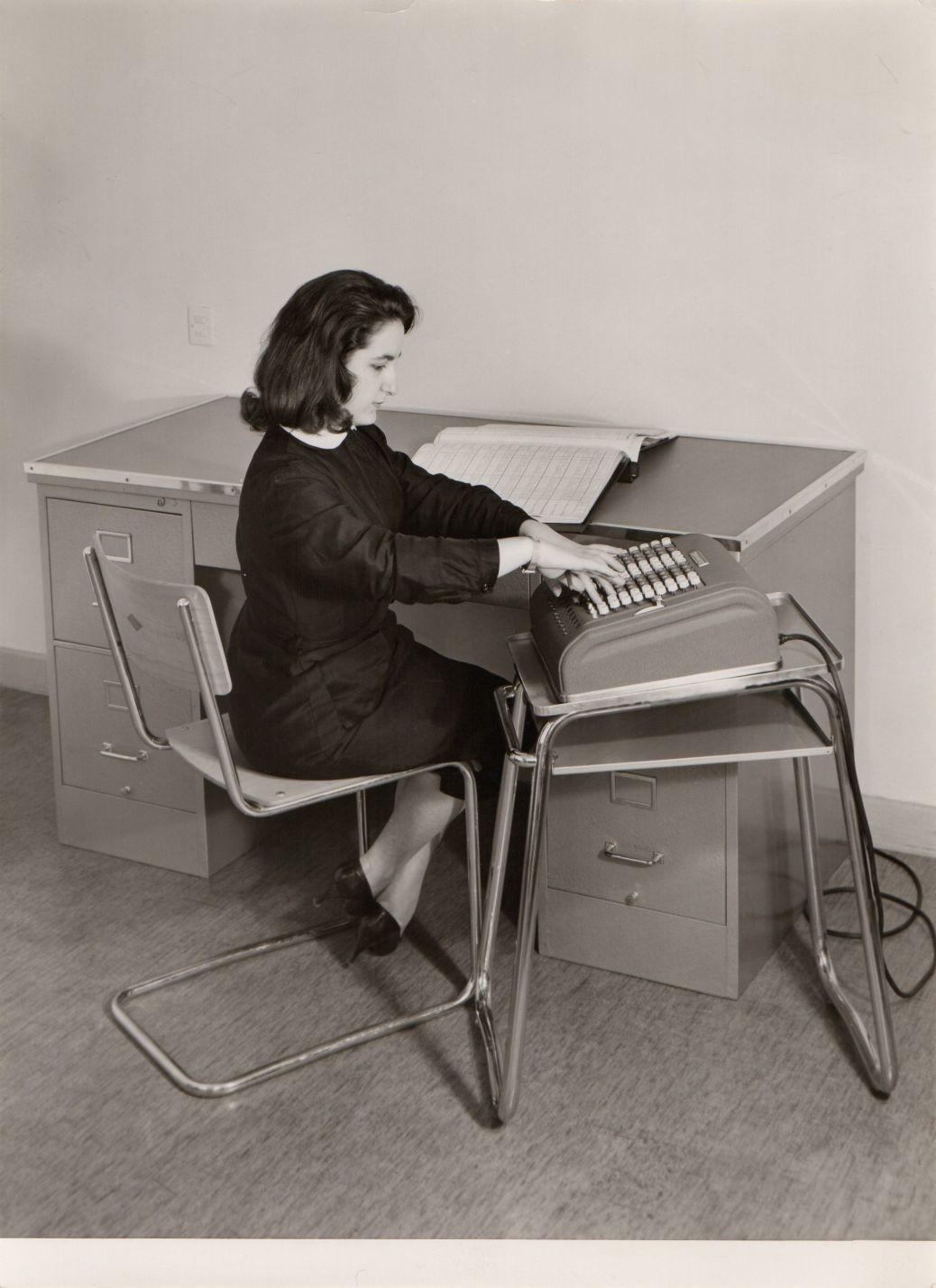
 Who Remembers the Days of Comptometers?
Who among the older generation of quantity surveyors remembers a comptometer being used in the office?
If you do, there is a good chance you began your career in the 1970s or even earlier. For younger surveyors, the word comptometer may be unfamiliar, yet for decades the comptometer played an important role in quantity surveying offices throughout the United Kingdom and many other countries.
What Was a Comptometer?
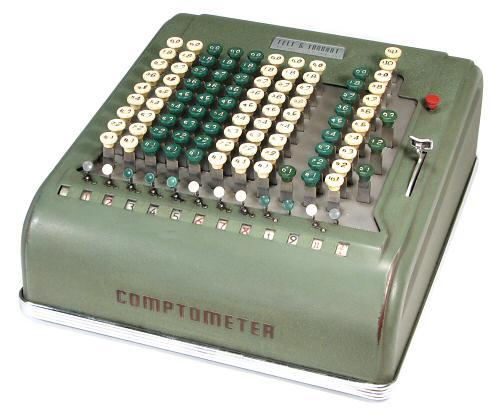
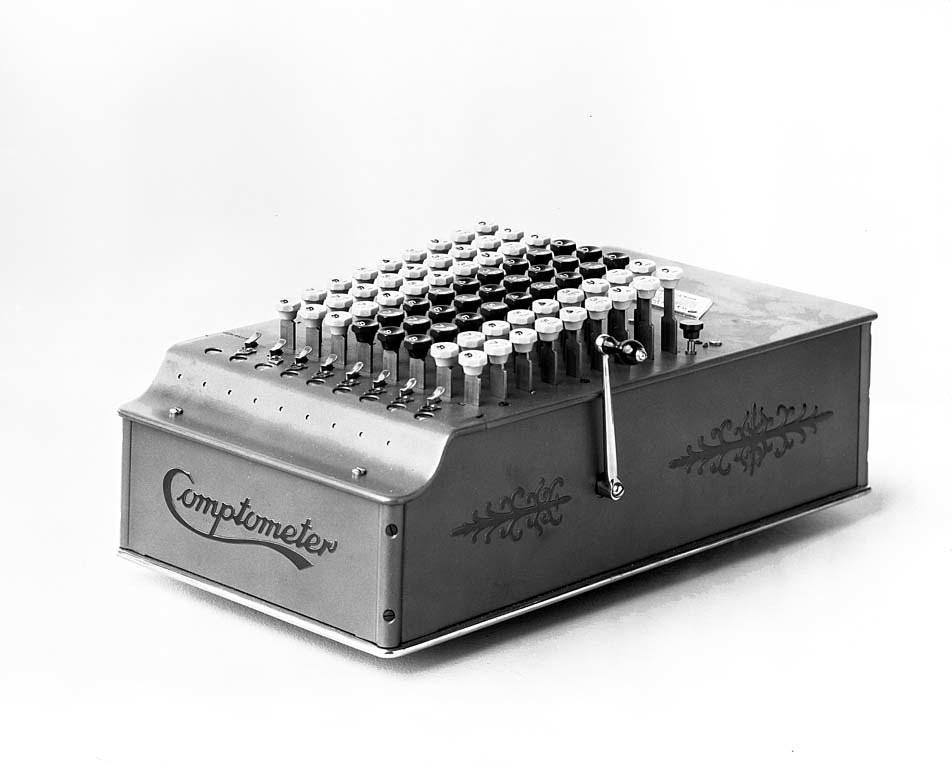
The comptometer was the world’s first commercially successful key-driven mechanical calculator. Invented in 1887 by an American inventor and industrialist Dorr Eugene Felt, it revolutionised office calculations long before electronic calculators and computers existed.
Unlike later adding machines, a comptometer responded instantly when a key was pressed. Skilled operators could enter entire numbers by pressing several keys simultaneously, making calculations remarkably fast. In experienced hands, a comptometer could outperform many of the early electronic calculators that appeared decades later.
For almost a century these machines were widely used in accounting departments, banks, commercial offices and quantity surveying practices. More than two million were produced before their eventual decline with the arrival of affordable electronic calculators.
Today they are museum pieces. Yet for many older QSs they remain a vivid memory of how the profession operated before computer software and digital take-off systems transformed the industry.
A Quantity Surveying Office in 1977
The summer of 1977 is remembered in Britain for many reasons.
It was the year of Queen Elizabeth II’s Silver Jubilee. Across the country there were street parties, parades, commemorative mugs, flags and celebrations of every description. My contribution to the national festivities was somewhat less historic: an all day pub crawl with several friends.
It was also a remarkable year in popular culture. Punk rock exploded into the mainstream, with bands such as The Clash dominating headlines. Later that year, Star Wars arrived in British cinemas and became an instant phenomenon. Virginia Wade won Wimbledon, a feat that remains the last British women’s singles victory at the Championships.
For me, however, 1977 was memorable for a more personal reason. It was the year I completed my A-levels—results were so so, it must be said—and started work as a Trainee Quantity Surveyor in a small professional quantity surveying practice in the suburbs of Stockport.
Another trainee joined at roughly the same time. We were probably recruited through some government employment scheme because our wages certainly suggested it. If memory serves correctly, I earned the princely sum of eighteen pounds per week.
Life in a Small QS Practice in the 1970s
The practice employed fewer than ten people.
There was one Partner, one Associate, a Senior QS in his early thirties, a recently qualified twenty-something QS, two trainee surveyors and a secretary. There was also an older, highly experienced but unqualified QS whose sole occupation seemed to be taking-off for Bills of Quantities while smoking continuously at his desk throughout the day.
And then there was an amiable elderly Scottish lady with a broad Glaswegian accent who worked several days each week.
At the time I had little idea that she represented a profession that was already approaching extinction.
The office provided quantity surveying services on a number of ongoing projects and produced Bills of Quantities for tendering work. Most of the processes were entirely manual. Compared with today’s offices, there was almost no technology.
We did possess a Xerox photocopier, which seemed advanced at the time.
In the late 1960s to 1970s prices dropped, faster models emerged, and the machines transitioned from expensive novelties to standard office fixtures. In the 1980s Photocopiers became completely common and ubiquitous across typical British workplaces.
Unfortunately, as the most junior employee in the office, I spent a substantial proportion of my working life either making photocopies or replenishing toner cartridges.
The Comptometer Operator
The Scottish lady was known as the Comptometer Operator, sometimes shortened to “Comp Operator.” In quantity surveying circles, similar roles were often referred to as a Squaring Clerk or simply the “Squaring Girl/Woman”.
This was not an informal title. It was a recognised occupation in its own right. Many people attended specialist comptometer schools to learn the necessary skills, and experienced operators were highly valued in offices that depended upon rapid and accurate calculations.
I found her work fascinating.
The Comp Operator served as a high-speed mechanical calculator used to rapidly add, multiply, and cross-check extensive dimensions, quantities, and monetary costs. Skilled operators used it to process “bill of quantities” paperwork, ensuring large-scale construction estimates and material tallies were mathematically correct before bidding or billing.
Seated behind the machine, she would use both hands simultaneously, pressing multiple keys with extraordinary speed and precision. The comptometer responded with a constant mechanical crunching sound as numbers were entered and calculations performed.
Whether the phrase “crunching the numbers” originated from such machines I have no idea, but the sound certainly suited the phrase.
Before electronic calculators and spreadsheets became commonplace, many quantity surveying practices relied on comptometers to speed up the process of squaring dimensions and preparing Bills of Quantities.
The End of an Era
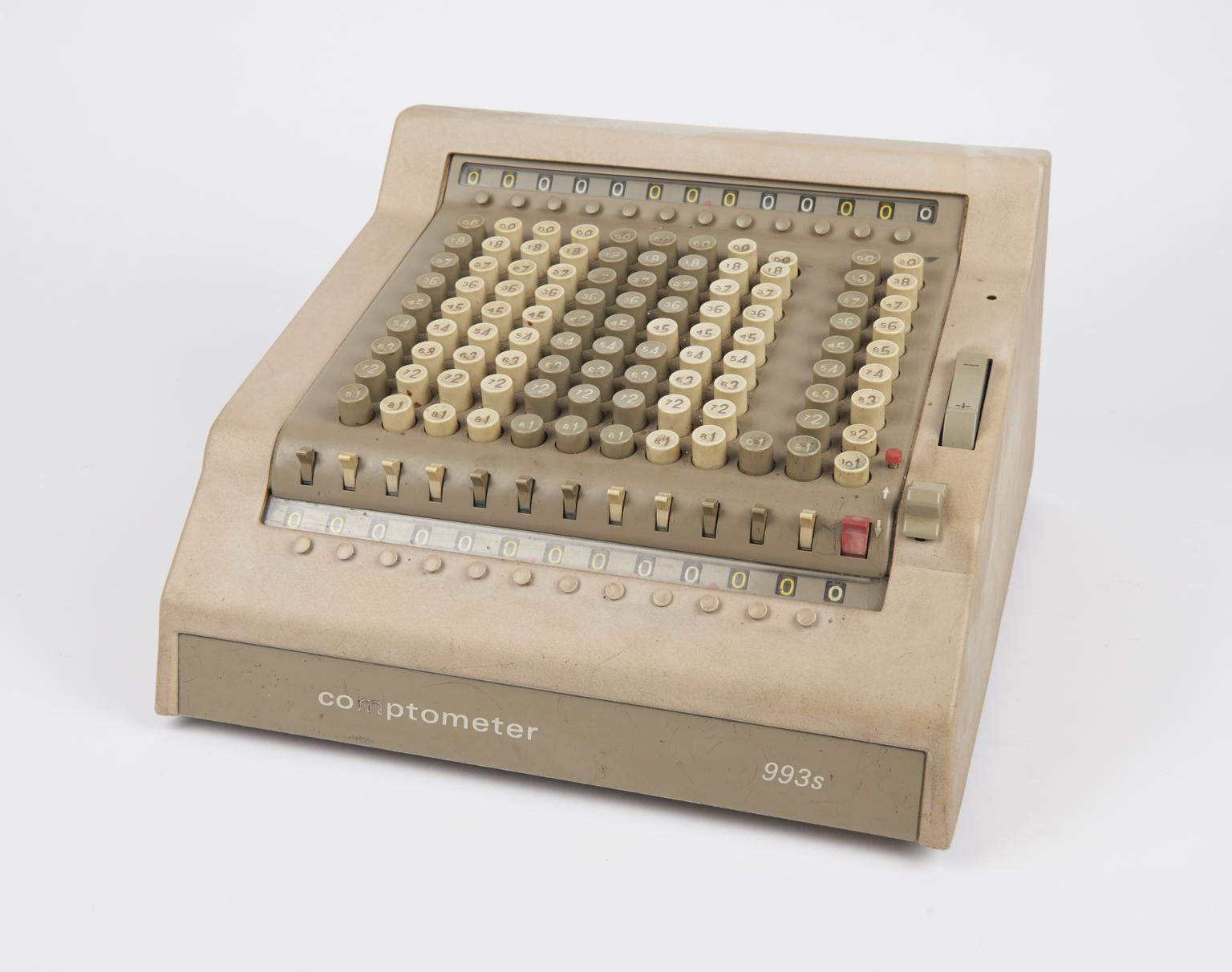
By the end of the 1970s and into the early 1980s, electronic calculators were rapidly replacing mechanical devices; every quantity surveyor would own and use their own calculator. Many quantity surveying practices had already abandoned comptometers, and it is quite possible that I worked alongside one of the last generation of dedicated comptometer operators.
The machines disappeared, the specialist training schools closed, and an entire occupation quietly faded into history.
For younger surveyors, the comptometer may seem as distant as the slide rule or the drawing board. For those of us who started our careers in the 1970s, however, it remains a reminder of a very different profession—one of dim paper, cigarette smoke in offices, filling up the xerox photocopier toner, and the rhythmic clatter of a remarkable machine operated by people whose skills have now largely been forgotten.
Google Translation:
[We apologise if any of the translation is incorrect: google Translation occasionally gets it wrong]
ใครยังจำยุคของเครื่องวัดปริมาณงาน (Comptometer) ได้บ้าง?
ในบรรดาผู้สำรวจปริมาณงานรุ่นเก่า ใครยังจำได้ว่าเคยมีการใช้เครื่องวัดปริมาณงานในสำนักงาน?
ถ้าคุณจำได้ มีโอกาสสูงที่คุณเริ่มต้นอาชีพในช่วงทศวรรษ 1970 หรือก่อนหน้านั้น สำหรับผู้สำรวจรุ่นใหม่ คำว่าเครื่องวัดปริมาณงานอาจไม่คุ้นเคย แต่เป็นเวลาหลายทศวรรษที่เครื่องวัดปริมาณงานมีบทบาทสำคัญในสำนักงานสำรวจปริมาณงานทั่วสหราชอาณาจักรและประเทศอื่นๆ อีกมากมาย
เครื่องวัดปริมาณงานคืออะไร?
เครื่องวัดปริมาณงานเป็นเครื่องคำนวณเชิงกลแบบใช้ปุ่มกดเครื่องแรกของโลกที่ประสบความสำเร็จในเชิงพาณิชย์ คิดค้นขึ้นในปี 1887 โดยนักประดิษฐ์และนักอุตสาหกรรมชาวอเมริกัน Dorr Eugene Felt มันได้ปฏิวัติการคำนวณในสำนักงานก่อนที่เครื่องคิดเลขอิเล็กทรอนิกส์และคอมพิวเตอร์จะถือกำเนิดขึ้น
แตกต่างจากเครื่องบวกเลขในภายหลัง เครื่องวัดปริมาณงานตอบสนองทันทีเมื่อกดปุ่ม ผู้ใช้งานที่มีทักษะสามารถป้อนตัวเลขทั้งหมดได้โดยการกดปุ่มหลายปุ่มพร้อมกัน ทำให้การคำนวณรวดเร็วอย่างน่าทึ่ง ในมือของผู้ที่มีประสบการณ์ เครื่องวัดปริมาณงานสามารถทำงานได้ดีกว่าเครื่องคิดเลขอิเล็กทรอนิกส์รุ่นแรกๆ ที่ปรากฏขึ้นในอีกหลายทศวรรษต่อมา
เป็นเวลานานเกือบศตวรรษที่เครื่องจักรเหล่านี้ถูกใช้งานอย่างแพร่หลายในแผนกบัญชี ธนาคาร สำนักงานพาณิชย์ และสำนักงานสำรวจปริมาณงานก่อสร้าง มีการผลิตเครื่องจักรเหล่านี้มากกว่าสองล้านเครื่องก่อนที่จะค่อยๆ ลดบทบาทลงเมื่อเครื่องคิดเลขอิเล็กทรอนิกส์ราคาประหยัดเข้ามา
ปัจจุบันเครื่องจักรเหล่านี้กลายเป็นของจัดแสดงในพิพิธภัณฑ์ แต่สำหรับนักสำรวจปริมาณงานก่อสร้างรุ่นเก่าหลายคน เครื่องจักรเหล่านี้ยังคงเป็นความทรงจำที่ชัดเจนเกี่ยวกับวิธีการทำงานของวิชาชีพนี้ก่อนที่ซอฟต์แวร์คอมพิวเตอร์และระบบการคำนวณปริมาณงานก่อสร้างแบบดิจิทัลจะเปลี่ยนแปลงอุตสาหกรรม
สำนักงานสำรวจปริมาณงานก่อสร้างในปี 1977
ฤดูร้อนปี 1977 เป็นที่จดจำในสหราชอาณาจักรด้วยเหตุผลหลายประการ
เป็นปีแห่งการเฉลิมฉลองครบรอบ 25 ปี (Silver Jubilee) ของสมเด็จพระราชินีนาถเอลิซาเบธที่ 2 ทั่วประเทศมีการจัดงานเลี้ยงตามท้องถนน ขบวนพาเหรด แก้วที่ระลึก ธง และการเฉลิมฉลองทุกรูปแบบ การมีส่วนร่วมของฉันในงานเฉลิมฉลองระดับชาติค่อนข้างไม่มีความสำคัญทางประวัติศาสตร์นัก นั่นคือการตะลุยผับทั้งวันกับเพื่อนหลายคน
นอกจากนี้ยังเป็นปีที่โดดเด่นในด้านวัฒนธรรมสมัยนิยม ดนตรีพังก์ร็อกได้ระเบิดเข้าสู่กระแสหลัก โดยมีวงดนตรีอย่าง The Clash ครองพาดหัวข่าว ต่อมาในปีนั้น Star Wars เข้าฉายในโรงภาพยนตร์ของอังกฤษและกลายเป็นปรากฏการณ์ในทันที เวอร์จิเนีย เวด คว้าแชมป์วิมเบิลดัน ซึ่งยังคงเป็นชัยชนะครั้งสุดท้ายของนักเทนนิสหญิงชาวอังกฤษในประเภทเดี่ยวในการแข่งขันชิงแชมป์ครั้งนี้
อย่างไรก็ตาม สำหรับฉัน ปี 1977 เป็นปีที่น่าจดจำด้วยเหตุผลส่วนตัวมากกว่านั้น มันเป็นปีที่ฉันเรียนจบระดับ A-levels—ต้องบอกว่าผลการเรียนก็ไม่ค่อยดีนัก—และเริ่มทำงานเป็นผู้สำรวจปริมาณงานฝึกหัดในสำนักงานสำรวจปริมาณงานมืออาชีพขนาดเล็กแห่งหนึ่งในชานเมืองสต็อกพอร์ต
มีผู้ฝึกหัดอีกคนหนึ่งเข้าร่วมงานในช่วงเวลาเดียวกัน เราน่าจะได้รับการคัดเลือกผ่านโครงการจ้างงานของรัฐบาล เพราะค่าจ้างของเราบ่งบอกเช่นนั้น ถ้าจำไม่ผิด ฉันได้รับเงินจำนวน 18 ปอนด์ต่อสัปดาห์
ชีวิตในสำนักงานสำรวจปริมาณงานขนาดเล็กในทศวรรษ 1970
สำนักงานแห่งนี้มีพนักงานน้อยกว่า 10 คน
มีหุ้นส่วน 1 คน ผู้ช่วย 1 คน ผู้สำรวจปริมาณงานอาวุโสอายุประมาณ 30 ต้นๆ ผู้สำรวจปริมาณงานที่เพิ่งจบการศึกษาอายุประมาณ 20 กว่าๆ ผู้สำรวจฝึกหัด 2 คน และเลขานุการ 1 คน นอกจากนี้ยังมีวิศวกรประมาณราคา (QS) สูงอายุที่มีประสบการณ์สูงแต่ไม่มีคุณวุฒิที่ดูเหมือนจะมีงานเดียวคือการจัดทำบัญชีปริมาณงาน (Bills of Quantities) พร้อมกับสูบบุหรี่อย่างต่อเนื่องที่โต๊ะทำงานตลอดทั้งวัน
และยังมีหญิงชราชาวสก็อตแลนด์ผู้มีอัธยาศัยดีและมีสำเนียงกลาสโกว์ชัดเจน ซึ่งทำงานหลายวันต่อสัปดาห์
ในเวลานั้นฉันแทบไม่รู้เลยว่าเธอเป็นตัวแทนของอาชีพที่กำลังจะสูญพันธุ์ไปแล้ว
สำนักงานแห่งนี้ให้บริการด้านการสำรวจปริมาณงานในโครงการที่กำลังดำเนินอยู่หลายโครงการ และจัดทำบัญชีปริมาณงานสำหรับงานประมูล กระบวนการส่วนใหญ่เป็นแบบใช้แรงงานคนทั้งหมด เมื่อเทียบกับสำนักงานในปัจจุบัน แทบไม่มีเทคโนโลยีเลย
เรามีเครื่องถ่ายเอกสารซีร็อกซ์ ซึ่งดูเหมือนจะล้ำสมัยในเวลานั้น
ในช่วงปลายทศวรรษ 1960 ถึง 1970 ราคาลดลง มีรุ่นที่เร็วขึ้นออกมา และเครื่องถ่ายเอกสารก็เปลี่ยนจากของแปลกใหม่ราคาแพงมาเป็นอุปกรณ์มาตรฐานในสำนักงาน ในทศวรรษ 1980 เครื่องถ่ายเอกสารกลายเป็นเรื่องธรรมดาและพบเห็นได้ทั่วไปในสถานที่ทำงานของชาวอังกฤษ
น่าเสียดายที่ในฐานะพนักงานที่อายุน้อยที่สุดในสำนักงาน ฉันใช้เวลาทำงานส่วนใหญ่ไปกับการถ่ายเอกสารหรือเติมหมึกพิมพ์
พนักงานควบคุมเครื่องคำนวณ
หญิงชาวสก็อตผู้นั้นเป็นที่รู้จักในชื่อ พนักงานควบคุมเครื่องคำนวณ บางครั้งเรียกสั้นๆ ว่า “พนักงานควบคุมเครื่องคำนวณ” ในแวดวงการสำรวจปริมาณงานก่อสร้าง บทบาทที่คล้ายกันมักถูกเรียกว่า เสมียนวัดมุม หรือเรียกง่ายๆ ว่า “หญิง/ชายวัดมุม”
นี่ไม่ใช่ชื่อเรียกที่ไม่เป็นทางการ มันเป็นอาชีพที่ได้รับการยอมรับอย่างเป็นทางการ หลายคนเข้าเรียนในโรงเรียนเฉพาะทางด้านเครื่องคำนวณเพื่อเรียนรู้ทักษะที่จำเป็น และพนักงานที่มีประสบการณ์เป็นที่ต้องการอย่างมากในสำนักงานที่ต้องพึ่งพาการคำนวณที่รวดเร็วและแม่นยำ
ฉันพบว่างานของเธอน่าสนใจมาก
พนักงานควบคุมเครื่องคำนวณทำหน้าที่เป็นเครื่องคิดเลขเชิงกลความเร็วสูงที่ใช้ในการบวก คูณ และตรวจสอบความถูกต้องของขนาด ปริมาณ และต้นทุนทางการเงินจำนวนมากอย่างรวดเร็ว พนักงานที่มีทักษะใช้มันในการประมวลผลเอกสาร “บัญชีปริมาณงาน” เพื่อให้แน่ใจว่าการประมาณการก่อสร้างขนาดใหญ่และการนับวัสดุนั้นถูกต้องตามหลักคณิตศาสตร์