Watching Bangkok Rise: Memories of Sathorn Road in the 1990s
Last week my wife and I met one of my oldest friends for lunch, along with his university-age daughter. We’ll call my friend “Hamish”, not his real name, but because, well, he’s Scottish.
It was the end of their holiday here and they were days away from returning back to Scotland, and it was a chance for us to catch-up having not seen each other much in recent times.
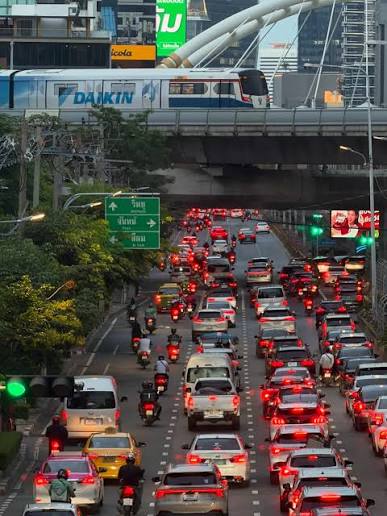
I generally don’t socialise these days. I’ve become something of a ‘misery guts’ in my old age, and I hate driving more the than an hour each way into Bangkok via the dreaded Bangna–Khlong Toei–Port Expressway. Traffic, incidentally, seems just as bad today as it was back in the 1990s no matter how many new roads and electric railways they build in and around Bangkok.
I wasn’t always like this.
During my early years in Thailand, first as a single man and later as a married one, I enjoyed nights out exploring Bangkok’s bars, pubs and clubs.
For the first decade or so here I was constantly out and about. Around 2004, however, I changed.
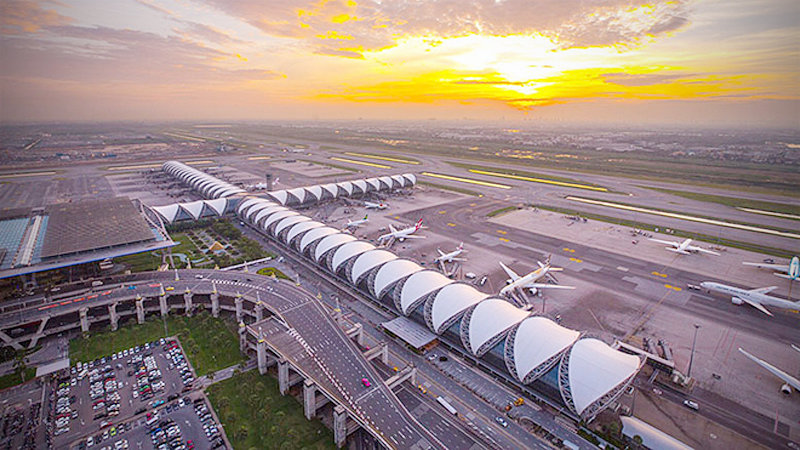
At the time my eldest son was just one year old. I was working on the construction of Suvarnabhumi Airport—known back then as the “Cobra Swamp Airport” or simply “Swampy”—for the façade subcontractor on the Main Terminal Building. We were living in an apartment on Sukhumvit Soi 56, close to On Nut BTS Station, which at the time marked the end of the line.
The daily commute to and from Swampy was a chore. So we decided to buy a house ‘out in the sticks’, in Samut Prakan, and after moving in, I rarely felt inclined to make that hour-long drive each way between home and Bangkok simply to socialise. More often than not, I preferred to stay home with a few beers, watch the football on the telly and spend time with my sons, while my wife headed into the city for a ‘girls night out’. A few years later, she too grew tired of the effort involved in Bangkok nights out, and we now generally stay close to home for entertainment.
A Different Sathorn Road
That lunch with Hamish brought back memories not only of old friendships, but also of a Bangkok that has largely disappeared.
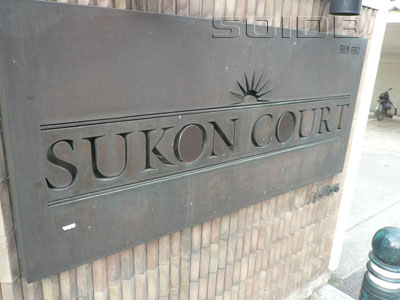
Over lunch we found ourselves reminiscing about the years when we shared an apartment called Sukon Court at 46 North Sathorn Road, and how dramatically Bangkok—and Sathorn Road in particular—had changed since those days. What began as a casual conversation over lunch quickly turned into an afternoon of stories stretching back more than three decades.
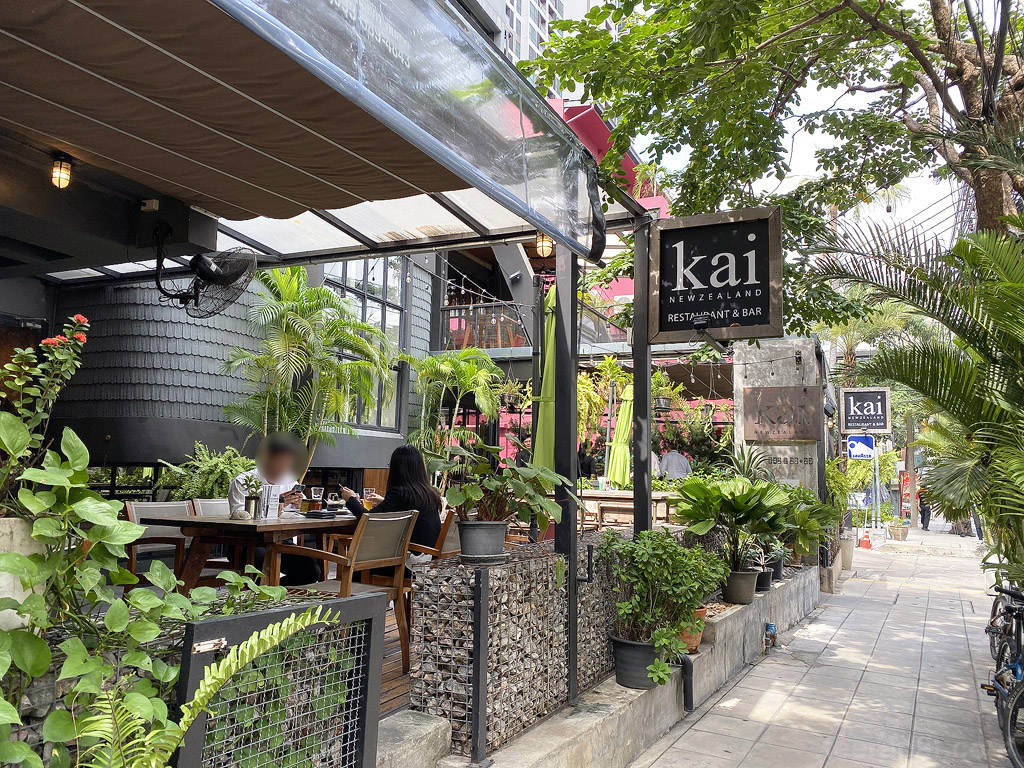
Before going any further, I should mention that we were eating at the excellent Kai New Zealand Restaurant (advertiser on Thailand-construction.com – thank you guys!) on Sathorn Soi 12, just a stone’s throw from St Louis BTS Station.
Hamish and I both ordered “fush and chups” as our Kiwi hosts call it. My wife chose the lamb, while Hamish’s daughter opted for bangers and mash after spending three weeks eating almost exclusively Thai and Isaan food. Everything was delicious and beautifully presented.
Kai is a sizeable restaurant with an enormous menu, making it genuinely difficult to decide what to order. Judging by the healthy Friday lunchtime crowd, we are clearly not the only people who appreciate the place.
One thing that struck me immediately was how much the surrounding area had changed.
Today, the Sathorn Soi 12 area is packed with restaurants, bars, apartments and office buildings. Back in the early 1990s, when I lived nearby and spent much of my free time wandering around Bangkok, I cannot remember there being much of an entertainment scene there at all. Like so many parts of the city, it has been transformed beyond recognition.
Long time friendship
Hamish and I go back a very long way.
We first worked together between 1988 and 1989 in Cambridge, England, at Davis Langdon & Everest. Later it became Davis Langdon, and in more recent years became part of AECOM.
Eventually our lives took us in different directions, and years later both of us found our way to Bangkok at different times where we agreed to share share an apartment, Sukon Court and life revolved around work, travel and socialising. Those Sukon court years years produced countless stories: long drunken nights in Bangkok’s bars, adventures exploring Thailand, road trips, holidays, and enough mischief to fill a book.
Life Moves On
Eventually, as often happens, life intervened.
I met my future wife. Later Hamish met his future wife. Careers advanced, children arrived, responsibilities increased, and our paths naturally diverged. Hamish eventually returned to Scotland with his young family, while we remained in Thailand.
For many years our contact became infrequent. Life has a habit of doing that.
Only in recent years, when he and his family visit Thailand to see relatives, have we begun meeting up again. Yet despite the passing decades, conversations quickly resume as though no time has passed at all.
And so it was that a simple lunch on Sathorn Road became a journey back to the Bangkok of the early 1990s, a city very different from the one we know today.
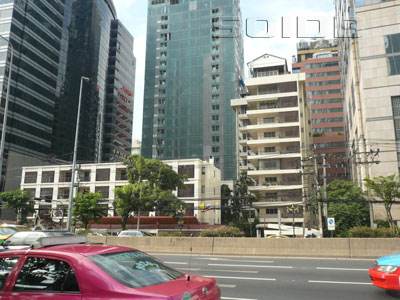
Sukon Court: Home on Sathorn Road
From around 1992 until 1998, Sukon Court was my home.
First I shared an apartment there with Hamish, then I spent a period living there alone after work took him elsewhere, and finally I lived there with my future wife.
Sukon Court stood near the northern end of Sathorn Road, close to the junction with Rama IV Road. In the early 1990s, however, it was an ideal base from which to experience Bangkok.
The building occupied a prime location. Silom Road was only a short walk away, with Robinson’s Department Store on the corner of Silom and Rama IV Roads.
Patpong, with all its bars, restaurants and notorious nightlife, was a 10 minute walk away.
Patpong, Pubs and Bangkok After Dark
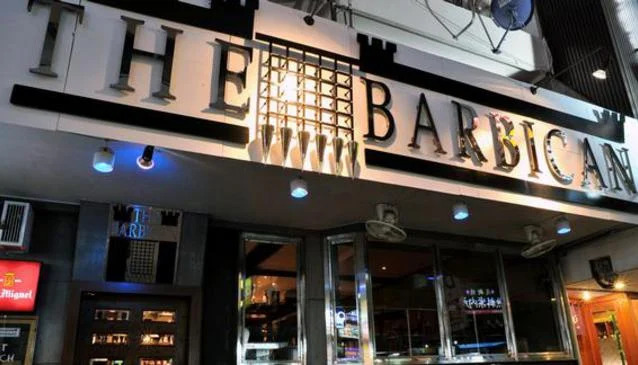
Back then, until first ‘Delaney’s’ Irish pub opened on Convent Road in 1995 and then ‘The Barbican’ pub in Soi Thaniya (I recall it used to be an Angus Steakhouse before) raised the standard of Bangkok pubs thereby attracting a female clientele, it was Patpong’s go-go bars, Toby Jug pub, and Bobby’s Arms that were the places to go to.
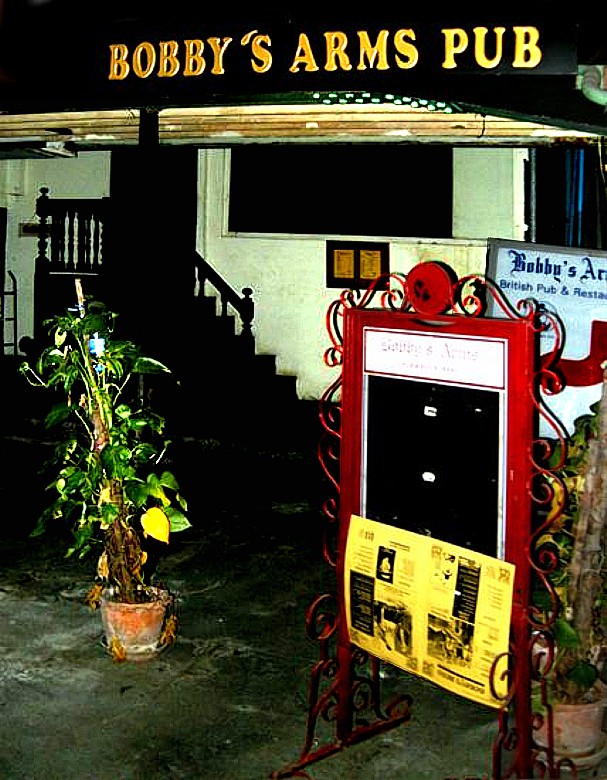
You can read a good account of Bobby’s Arms here:
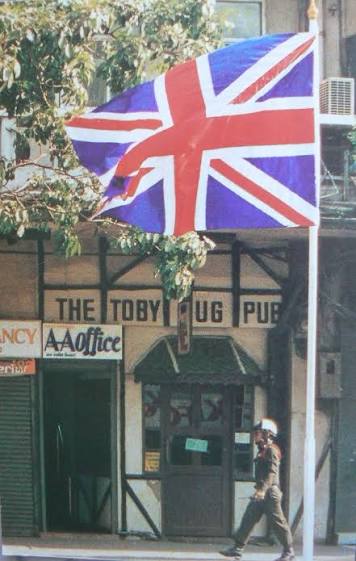
“The Toby Jug was a beloved British-style pub located on Silom Road in Bangkok, near where the the Sala Daeng BTS station is now. Despite being Thai-owned, it was renowned for its authentic British atmosphere and hearty pub fare, including dishes like fish and chips and cottage pie. The pub was owned by Anan, a Thai national who studied engineering at Swansea University in the late 1970s and later worked at the British Embassy in Bangkok“.
Lumpini Park was nearby for evening runs.
For a young expatriate working in Bangkok, it was difficult to imagine a more convenient place to live.
The Sathorn Motorcycle Grand Prix
Sukon Court was located at the U-turn junction connecting South Sathorn Road to North Sathorn Road.
There was an annoying period for several weeks, during the weekend’s early hours of the morning, when the area became an unofficial race circuit for hundreds of local motorcycle enthusiasts. The racers would thunder around a loop stretching from the Sathorn U-turn to the Sathorn–Rama IV intersection and back again. The noise could be deafening, keeping me awake.
Looking back, it seems almost unbelievable that such a thing could happen in the middle of what is now one of Bangkok’s premier business districts, the police eventually got wise to it, but Bangkok in the early 1990s was a very different city.
Trying to Learn Thai — and Avoiding My Teacher
Directly opposite Sukon Court stood Thai Wah Plaza and the YWCA.
For a period, I attended Thai language classes at the YWCA a couple of evenings each week after work. Like many foreigners who arrive in Thailand full of good intentions, I was determined to learn the language properly; I’m still trying.
Unfortunately, determination and enthusiasm are not always the same thing.
Occasionally, after a long day at work, I simply could not be bothered to attend class. This created a problem. My apartment faced the YWCA, and I was convinced that if I switched on the lights, my teacher would immediately realise I was at home and deliberately avoiding the lesson.
As a result, I would spend the hour of the lesson I didn’t attend creeping around the apartment in near darkness, staying below window level and avoiding turning on any lights until after the class had finished. Looking back, the effort involved in avoiding the lesson was probably greater than simply attending it in the first place.
The Landmarks of Old Sathorn
Also opposite Sukon Court stood the Alliance Française de Bangkok. In those days it was a familiar landmark on Sathorn Road, although it has since relocated to Wireless Road.
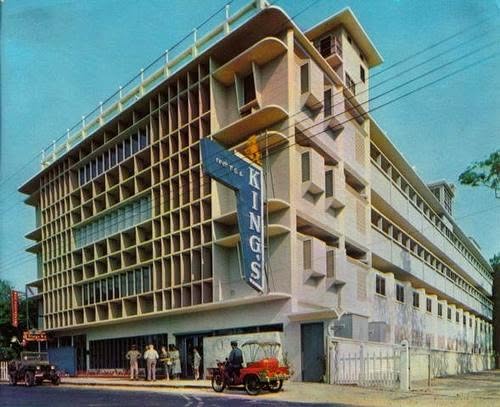
Next to it, and further down South Sathorn Road stood one of Bangkok’s historic hotels: the King’s Hotel.
Many newer residents of Bangkok may never have heard of it, but for decades the King’s Hotel was one of the city’s well-known establishments. Opened in 1959, it enjoyed a colourful history, serving diplomats, foreign visitors and, during the Vietnam War era, American military personnel stationed in Thailand.
By the time I arrived in Bangkok in the early 1990s, the hotel’s glory days were largely behind it. Nevertheless, it remained a familiar local landmark. I occasionally wandered across for breakfast in the ground-floor café and restaurant. I also happened to know a young lady who lived there at the time, but perhaps the less said about that the better.
The hotel eventually closed, was renovated and reopened under various names. Last time I checked, it was operating as The Embassy Sathorn Hotel. Like much of Bangkok, the building has continually reinvented itself while retaining traces of its past.
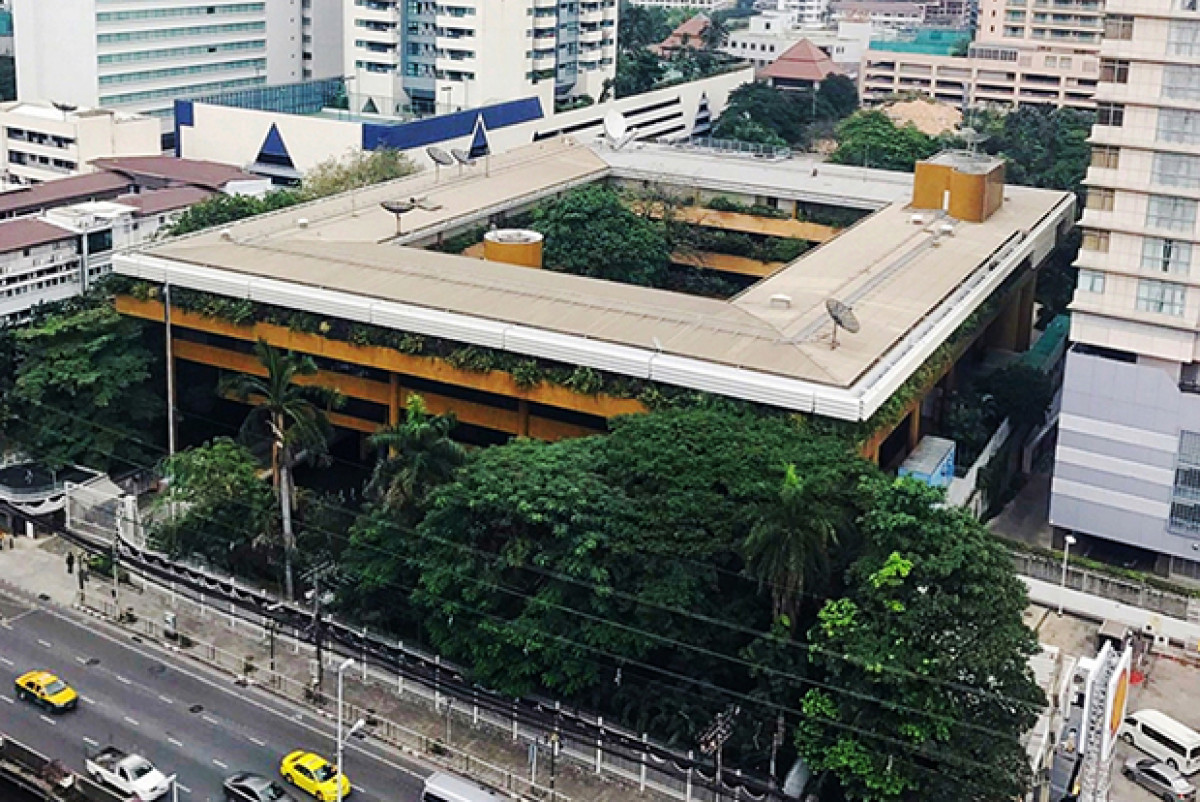
Next door to the King’s Hotel continuing down South Sathorn Road stood the Australian Embassy, on almost eight rai of land.
For years it occupied a prominent position on Sathorn Road before eventually relocating to its current premises on Wireless Road near Lumpini Park.
One of the great advantages of living at Sukon Court was the view.
My apartment was on the seventh or eighth floor, yet it offered remarkable views both north and south along Sathorn Road. We could also see across towards Silom Road, giving us something approaching a 270-degree panorama over one of Bangkok’s most rapidly developing districts.
Watching “Black May” nighttime curfew from the Balcony
I remember the military crackdown during “Black May” in Bangkok in May 1992, a curfew was imposed in Bangkok which ran from 9:00 PM to 4:00 AM. I was working on the construction site of a new hotel on Sathorn Road. Due to the curfew the whole of the site closed down and we all went home by 4 pm. Military vehicles would roam up and down Sathorn Road every night, shining their strong spotlights seeking to arrest anybody on the streets. From high up on my balcony, I had a grandstand view.
Construction was booming.
Everywhere you looked there were excavation works, piling rigs, cranes and partially completed towers.
Bangkok in the mid-1990s seemed convinced that the good times would never end. New office buildings, hotels, condominiums and mixed-use developments were appearing at an astonishing pace.
Thirty Tower Cranes from My Window
I remember standing at the apartment window one day and counting more than thirty tower cranes visible across the skyline.
At the time it seemed perfectly normal.
Today, looking back, it was a remarkable sight.
The city was reinventing itself before our eyes, and from my apartment balcony I had a front-row seat to one of the most extraordinary construction booms in Bangkok’s history.
Watching Bangkok Grow Upwards
If the view from Sukon Court was one of its great attractions, it was also one of its greatest sources of entertainment.
For six years or so I watched Bangkok grow upwards.
Today, many of the towers that define the Sathorn skyline seem as though they have always been there. In reality, many of them were built during the years I was living at Sukon Court. Looking out from my apartment windows was rather like watching a giant construction documentary unfold in real time.
Thai Wah Tower II: Watching a Tower Rise
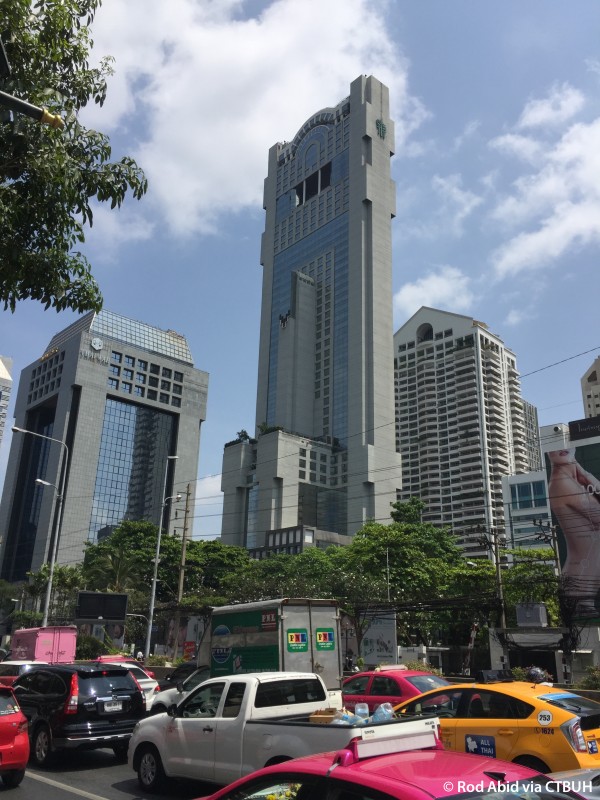
One of the most prominent developments was Thai Wah Tower II, famous for its popular rooftop bars, which stood adjacent to Thai Wah Plaza directly opposite the apartment.
Completed in the mid-1990s, it was one of the many buildings whose progress I followed from excavation to completion. Every few weeks there seemed to be another floor added to the structure. Gradually it climbed higher and higher above the surrounding buildings until it became one of the dominant features of the Sathorn skyline.
I particularly remember the fire-testing activities towards the end of construction. One day I noticed what appeared to be a tiny figure suspended from the side of the building. Upon closer inspection, it was a worker abseiling down the façade as part of the testing and inspection procedures. The tower stands approximately 194 metres tall and contains 61 floors!
Even from the relative safety of my apartment window, watching somebody dangling from the side of the building made me uncomfortable. There is absolutely no chance you would ever persuade me to do such a thing.
I once had to walk down thirty-two floors of Charn Issara Tower II during a fire evacuation exercise while working for Siemens and that alone nearly finished me off.
Tip: Never go higher than you can run down in case of emergency!
When the new buildings Started Stealing Our View
As the years passed, the skyline surrounding Sukon Court gradually closed in.
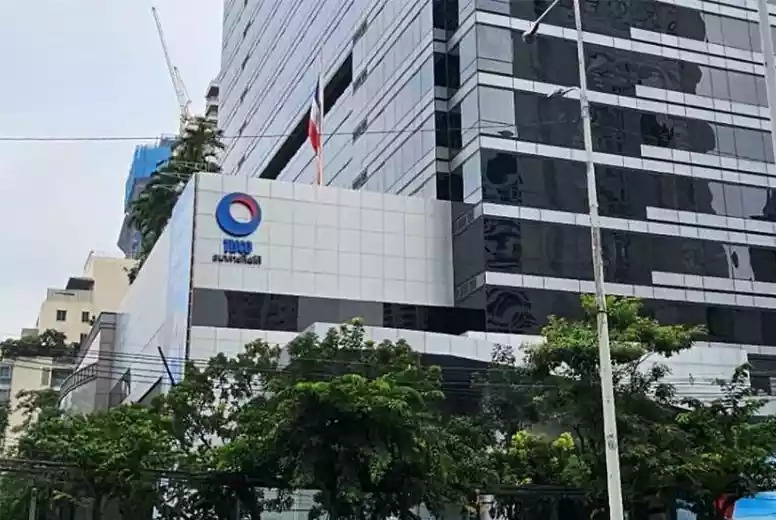
One of the first construction projects to ‘steal’ our view was Tisco Tower on the south side of my apartment.
Located on the corner of North Sathorn Road and Saladaeng Road, the tower rose steadily on the right-hand side of my apartment building. When construction was completed, a significant portion of our south-facing view disappeared behind it.
Reminiscing, Hamish recalled that we could watch the sunset down at the Chao Phraya River end of Sathorn Road until Tisco Tower was built.
That, of course, is the irony of living in a city undergoing rapid development. Everybody enjoys a good view, but sooner or later somebody builds in front of it.
When the Apartment Started Shaking
The most disruptive construction project, however, was on north side of my apartment.
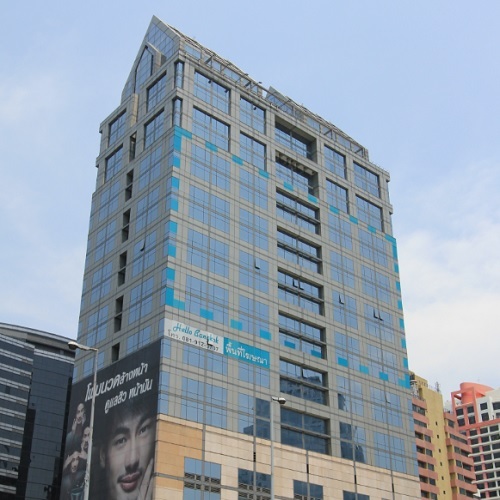
A twenty-six-storey office building at 44 North Sathorn Road, called Smooth Life Tower, was completed in 1999, so close to Sukon Court that it felt at times as though the builders were working inside our apartment.
The piling works were particularly memorable.
Whenever the piling rigs were operating, the entire apartment shook. Rationally, I assumed Sukon Court was perfectly safe, but that did not necessarily make it feel any more reassuring when you were lying in bed listening to the vibrations. Most the time I’d be at work so no problem but at weekends I tried to be out of the apartment as much as possible to avoid the banging and shaking caused by the piling works next door.
A Homecoming Covered in Cement Dust
That construction site also provided one of the more unusual housekeeping challenges of my Bangkok years.
On one occasion both Hamish and I happened to be away holidaying at roughly the same time, each on our own travels. He left after I did. The apartment remained empty for a period.
When I eventually returned and unlocked the front door, I immediately spotted that the living room parquet floor was coated in a layer of fine white dust. The bathroom was even worse, totally coated in dust.
Our bathroom window had been left open. Fine cement powder/dust had drifted from the construction site next door, through the window and settled over virtually every surface.
Instead of unpacking my luggage and relaxing after my long journey, I dropped my bags by the door and spent the next hour cleaning up.
It was not quite the return home I had imagined, yet, oddly it left a strong memory to this day.
The Buildings That Changed the View Forever
Behind the apartment on Saladaeng Soi 1, was the 25-storey building known now as Saladaeng Residences and the 19-storey now known as ‘Quarter Saladaeng by UHG’ were also being constructed.
Virtually all of the buildings mentioned above, surrounding Sukon Court on three sides, were built in the period of the 1990s when I was living in Sukon Court.
The ‘Court’ Apartments of Old Bangkok
Although I have referred to buildings that were being constructed all around Sukon Court, the apartment building itself belonged to an earlier Bangkok.
Sukon Court was completed in 1974 and was representative of a style of residential development that was once common throughout the city. If you have spent any time in Bangkok, particularly in the older expatriate districts of Sathorn, Silom, Sukhumvit and Dusit, you may have noticed the surprisingly large number of apartment buildings carrying names ending in “Court”.
There is a reason for that.
Many of these buildings were developed during a period when Bangkok was becoming increasingly international. Foreign diplomats, United Nations staff, airline personnel, engineers, consultants and expatriate managers were arriving in growing numbers. Developers adopted Western-style names such as Court, Mansion, Place and House because they sounded familiar, respectable and slightly prestigious.
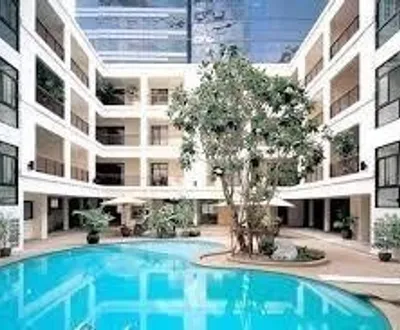
The word “Court” itself usually implied something more than simply an apartment block. It suggested a self-contained residential compound, often centred around a driveway, garden, swimming pool or internal courtyard. Many of these buildings offered spacious accommodation and practical layouts rather than the compact condominium living that would become common in later decades.
For expatriates arriving in Bangkok during the 1970s, 1980s and early 1990s, these apartments became a familiar part of city life. The apartments were usually large, well equipped and reasonably cheap.
Sukon Court was very much a product of that era.
Kanit House: A Darker Side of Old Sathorn
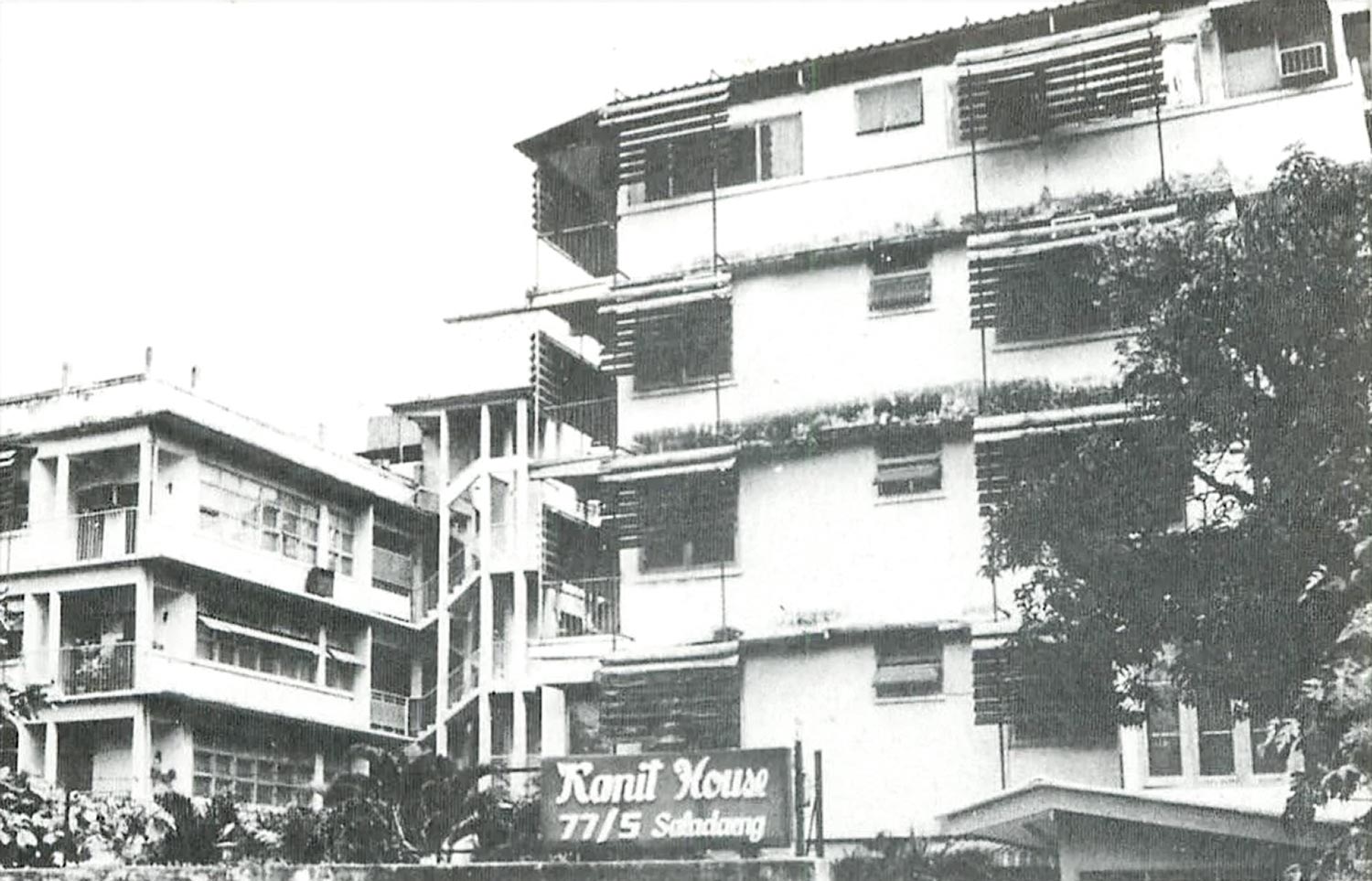
Behind Sukon Court, and about two minutes walk away, near the corner of Saladaeng Road and Saladaeng Soi 1, stood an apartment building called Kanit House.
Most people living in the area during the 1990s would probably have walked past it without giving it a second thought.
Yet Kanit House possessed a darker connection to Bangkok’s past.
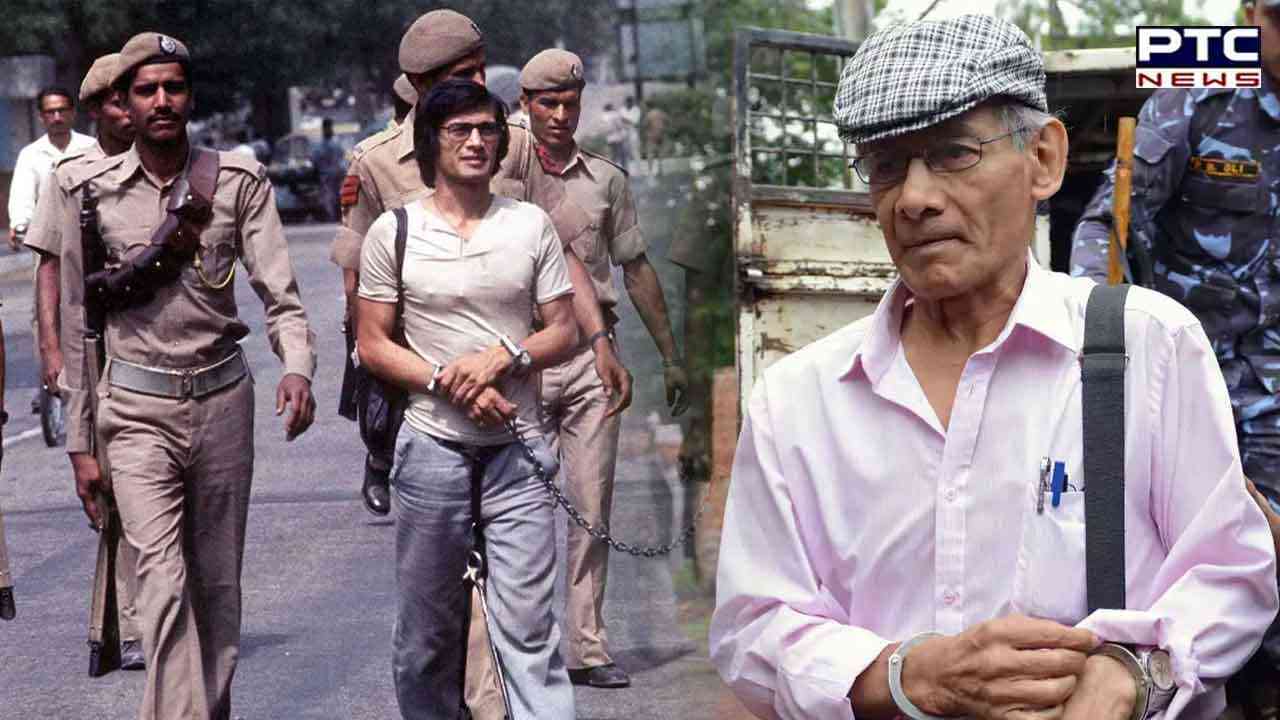
During the mid-1970s it had been home to one of the most notorious criminals ever associated with Thailand: Charles Sobhraj.
For those unfamiliar with the name, Sobhraj was the serial killer and fraudster whose crimes across Asia became the subject of the Netflix drama The Serpent. Operating during the era of the so-called Hippie Trail, he preyed upon young Western travellers moving through countries such as Thailand, Nepal, India, Pakistan and Afghanistan.
Bangkok served as one of his principal bases of operation.
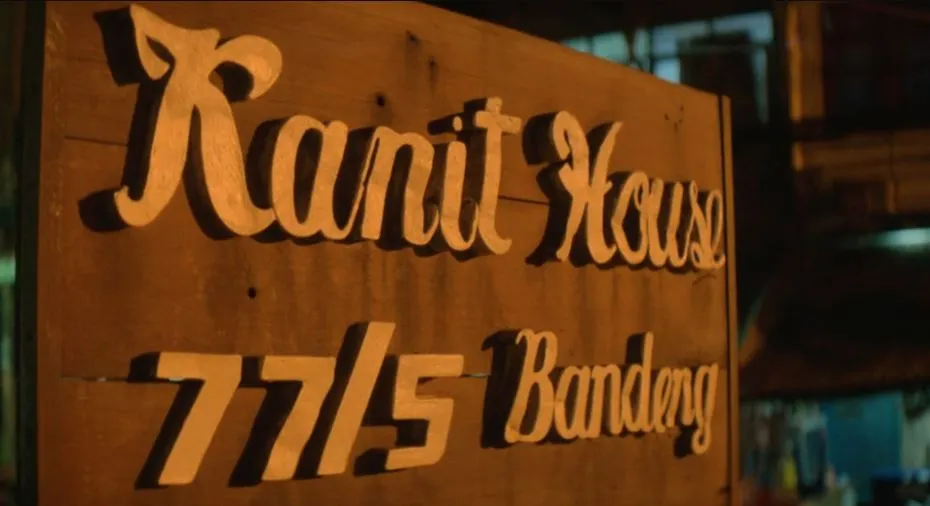
During 1975 and 1976, Sobhraj lived at Kanit House, from where many of his schemes and crimes were organised. Long before Netflix transformed the story into an international television success, his name was already part of Bangkok folklore.
Kanit House eventually closed down by 1994, after which it was demolished for good, and today few traces remain of its existence. Where Kanit House once stood is now The Legend Saladaeng.
The Serpent Comes to Sathorn
What struck me when watching The Serpent was how closely the apartment complex portrayed on screen resembled Sukon Court.
The production team used an older apartment building on Sukhumvit Soi 4 as a stand-in for the demolished Kanit House, called Baan Bellawin (often referenced as Bella Win House), a 27-story residential apartment building located at 219 Sukhumvit Soi 4 (Nana Tai), and the similarities were remarkable. The architecture, swimming pool, balconies and overall atmosphere all reminded me strongly of the kind of apartment living that characterised expatriate Bangkok during the 1970s to 1990s.
The Disappearing Bangkok
Many of those ‘Court’ buildings have now disappeared. Others survive but have been renovated beyond recognition.
Some have been replaced by luxury condominiums commanding prices that would have seemed unimaginable when I first arrived in Thailand.
The same story can be seen throughout Sathorn and around Bangkok.
The Sathorn Road area I moved into during the early 1990s still retained elements of old Bangkok. Embassies occupied large compounds, mature trees lined sections of the roads, and low-rise apartment buildings stood alongside traditional houses and small local businesses.
Today, much of that landscape has vanished beneath office towers, luxury hotels and condominium developments.
Progress, of course, is inevitable.
Yet there is something slightly nostalgic about remembering a Bangkok where expatriates lived in spacious apartments called “Courts”, where you could still recognise individual neighbourhoods by their character, and where much of Sathorn retained a quieter, less corporate atmosphere than it does today.
Perhaps that is why Sukon Court occupies such a special place in my memories.
Sukon Court Is No More
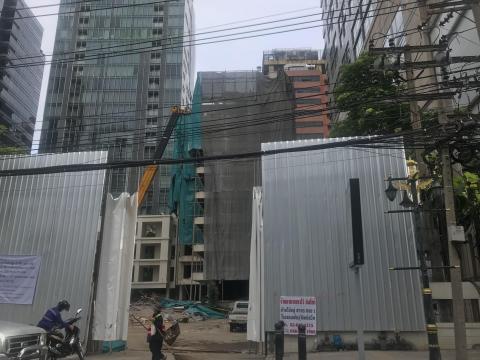
Time moved on. The apartments in Sukon Court looked old even when I lived there, and they were refurbished some years ago, and then it was demolished circa 2018. Driving home from lunch we passed where Sukon Court once stood. Kronos Office Building, an ultra-luxury 30-story commercial tower, has now been built on that plot since January 2021.
Sukon Court is no more.
A Bangkok That No Longer Exists
As I sat having lunch with Hamish, sharing stories that seemed simultaneously recent and impossibly distant, I realised that what we were really talking about was not simply our own lives.
We were talking about a Bangkok that no longer exists.
Many of the places we remembered have disappeared. Some have been demolished. Others have been renovated, redeveloped or reinvented. Entire streets have changed character. Buildings that once seemed impossibly tall now disappear amongst even taller neighbours.
The Boom Before the Bust
Back in the early 1990s, Bangkok still felt in many ways like a city in transition. It felt smaller, almost like a village. The BTS Skytrain did not yet exist. The MRT was still years away. Getting around was by taxi; first in non-airconditioned non-metred taxis and then thankfully in airconditioned metred taxis. Sathorn Road was already an important commercial district, but much of the skyline that people associate with modern Bangkok had yet to be built.
There was an optimism about the city during those years.
Thailand’s economy was booming. New developments were announced almost weekly. International companies were arriving in increasing numbers. Property developers seemed convinced that demand for office towers, hotels and condominiums would continue forever.
Then Came 1997
Then came 1997.
Almost overnight, the mood changed.
The Asian Financial Crisis brought an abrupt end to Bangkok’s seemingly unstoppable growth. Projects were delayed, cancelled or abandoned. Developers disappeared. Construction sites fell silent for months, some never recommenced works. The confidence that had characterised the first half of the decade evaporated.
Like many people who lived and worked in Thailand during that period, I witnessed both the boom and the bust.
At the time, nobody knew how long the downturn would last or what Bangkok would ultimately become.
The Bangkok That Replaced It
Gradually the economy recovered. Construction resumed. New investors arrived. The skyline began changing once again.
Today’s Bangkok is larger, wealthier and considerably more sophisticated than the city I first encountered.
The BTS and MRT networks have transformed how people move around the city. Areas that once felt distant are now easily accessible. International restaurants, luxury shopping centres and modern office towers can be found throughout the capital.
Yet despite all these changes, there are moments when the old Bangkok still reveals itself.
Do I like modern Bangkok compared to 1990s Bangkok? Not really. It’s now a busy multi-cultural city that has changed so much, with all ‘mod cons’, all whistles and bells’, but I do appreciate that the 1990s quiet, slightly backwards Bangkok had to modernise in order to compete with other Asian cities.
These days I rarely venture into Bangkok unless I have a good reason. The thought of spending hours battling traffic holds far less appeal than it once did. More often than not, I am quite content to remain at home with my wife, a few cold beers and a quieter pace of life.
Leaving Sathorn Behind
As we eventually paid the bill and went our separate ways, the wife and I drove up North Sathorn Road, passed where Sukon Court and all the demolished other buildings mentioned had once stood, towards Lumpini park, and out of Bangkok.
The traffic was still terrible.
The skyline was almost unrecognisable.
But for a few hours, thanks to an old friendship and a shared collection of memories, it was possible to see the Bangkok of the early 1990s once again.
Google Translation:
ชมความเจริญรุ่งเรืองของกรุงเทพฯ: ความทรงจำบนถนนสาทรในยุค 1990
สัปดาห์ที่แล้ว ผมกับภรรยาไปทานอาหารกลางวันกับเพื่อนเก่าแก่คนหนึ่ง พร้อมกับลูกสาววัยเรียนมหาวิทยาลัยของเขา เราจะเรียกเพื่อนคนนี้ว่า “แฮมิช” ไม่ใช่ชื่อจริง แต่เพราะ…เขาเป็นชาวสกอตแลนด์
เป็นช่วงสุดท้ายของวันหยุดของพวกเขาที่นี่ และอีกไม่กี่วันก็จะกลับสกอตแลนด์แล้ว นี่เป็นโอกาสที่เราจะได้พูดคุยกันหลังจากไม่ได้เจอกันมานาน
โดยทั่วไปแล้วช่วงนี้ผมไม่ค่อยออกไปสังสรรค์กับใคร ผมกลายเป็นคนเก็บตัวในวัยชรา และผมเกลียดการขับรถมากกว่าหนึ่งชั่วโมงไปกลับกรุงเทพฯ ผ่านทางด่วนบางนา-คลองเตย-ท่าเรือที่น่ากลัว การจราจรดูเหมือนจะแย่พอๆ กับในยุค 1990 ไม่ว่าจะมีถนนและรถไฟฟ้าสร้างใหม่ในและรอบๆ กรุงเทพฯ มากแค่ไหนก็ตาม
ผมไม่ได้เป็นแบบนี้เสมอไป
ในช่วงแรกๆ ที่ผมมาอยู่ประเทศไทย ทั้งตอนเป็นโสดและตอนแต่งงาน ผมสนุกกับการออกไปเที่ยวกลางคืน สำรวจบาร์ ผับ และคลับต่างๆ ในกรุงเทพฯ
ในช่วงสิบปีแรกที่อยู่ที่นี่ ผมออกไปเที่ยวตลอด แต่ประมาณปี 2004 ผมก็เปลี่ยนไป
สนามบินสุวรรณภูมิ
ตอนนั้นลูกชายคนโตของผมอายุแค่หนึ่งขวบ ผมทำงานก่อสร้างสนามบินสุวรรณภูมิ—ซึ่งในตอนนั้นรู้จักกันในชื่อ “สนามบินบึงงูเห่า” หรือเรียกสั้นๆ ว่า “สแวมปี้”—ในฐานะผู้รับเหมาช่วงด้านงานตกแต่งภายนอกอาคารผู้โดยสารหลัก เราอาศัยอยู่ในอพาร์ทเมนต์บนถนนสุขุมวิทซอย 56 ใกล้สถานีรถไฟฟ้าบีทีเอสอุดรธานี ซึ่งในตอนนั้นเป็นสถานีปลายทาง
การเดินทางไปกลับสนามบินสแวมปี้ทุกวันเป็นเรื่องน่าเบื่อ ดังนั้นเราจึงตัดสินใจซื้อบ้าน “นอกเมือง” ในสมุทรปราการ และหลังจากย้ายเข้าไปอยู่ ผมแทบจะไม่รู้สึกอยากขับรถไปกลับระหว่างบ้านกับกรุงเทพฯ เพื่อไปเที่ยวสังสรรค์อีกเลย บ่อยครั้งที่ผมชอบอยู่บ้าน ดื่มเบียร์สักสองสามแก้ว ดูฟุตบอลทางทีวี และใช้เวลากับลูกชาย ในขณะที่ภรรยาออกไปเที่ยวกลางคืนในเมืองกับเพื่อนๆ ไม่กี่ปีต่อมา เธอก็เริ่มเบื่อกับความยุ่งยากในการเที่ยวกลางคืนในกรุงเทพฯ และตอนนี้เราจึงมักจะอยู่ใกล้บ้านเพื่อความบันเทิงมากกว่า
ถนนสาทรที่แตกต่างออกไป
มื้อเที่ยงกับแฮมิชทำให้ผมหวนนึกถึงความทรงจำ ไม่เพียงแต่เรื่องมิตรภาพเก่าๆ เท่านั้น แต่ยังรวมถึงกรุงเทพฯ ที่หายไปเกือบหมดแล้วด้วย
ระหว่างมื้อเที่ยง เราต่างรำลึกถึงช่วงเวลาที่เราเคยอาศัยอยู่ในอพาร์ตเมนต์ชื่อ สุคน คอร์ท ที่ 46 ถนนสาทรเหนือ และการเปลี่ยนแปลงอย่างมากของกรุงเทพฯ โดยเฉพาะถนนสาทร นับตั้งแต่วันนั้นมา สิ่งที่เริ่มต้นจากการสนทนาแบบสบายๆ ระหว่างมื้อเที่ยง กลับกลายเป็นเรื่องราวมากมายที่เล่าขานกันมานานกว่าสามทศวรรษ
ร้านอาหาร Kai New Zealand
ก่อนอื่นเลย ผมขอพูดถึงก่อนว่าพวกเราไปทานอาหารที่ร้านอาหาร Kai New Zealand ที่ยอดเยี่ยม (ลงโฆษณาใน Thailand-construction.com – ขอบคุณพวกคุณมาก!) บนซอยสาทร 12 ซึ่งอยู่ไม่ไกลจากสถานีรถไฟฟ้า BTS เซนต์หลุยส์
ผมกับแฮมิชสั่ง “ปลาและของกินเล่น” อย่างที่เจ้าบ้านชาวนิวซีแลนด์เรียกกัน ภรรยาผมเลือกเนื้อแกะ ส่วนลูกสาวของแฮมิชเลือกไส้กรอกและมันบด หลังจากที่ใช้เวลาสามสัปดาห์ทานแต่อาหารไทยและอาหารอีสานเกือบตลอด ทุกอย่างอร่อยและจัดจานได้อย่างสวยงาม
ร้าน Kai เป็นร้านอาหารขนาดใหญ่ที่มีเมนูมากมาย ทำให้ตัดสินใจยากจริงๆ ว่าจะสั่งอะไรดี ดูจากจำนวนลูกค้าที่มาทานอาหารกลางวันในวันศุกร์แล้ว ชัดเจนว่าพวกเราไม่ใช่กลุ่มเดียวที่ชื่นชอบร้านนี้
สิ่งหนึ่งที่ทำให้ผมประหลาดใจทันทีก็คือ การเปลี่ยนแปลงของบริเวณโดยรอบ
ปัจจุบัน บริเวณซอยสาทร 12 เต็มไปด้วยร้านอาหาร บาร์ อพาร์ตเมนต์ และอาคารสำนักงาน ย้อนกลับไปในช่วงต้นทศวรรษ 1990 ตอนที่ฉันอาศัยอยู่ใกล้ๆ และใช้เวลาว่างส่วนใหญ่ไปกับการเดินเที่ยวในกรุงเทพฯ ฉันจำได้ว่าที่นั่นไม่มีสถานบันเทิงอะไรมากมายนัก เหมือนกับหลายๆ ส่วนของเมือง มันเปลี่ยนไปจนจำไม่ได้แล้ว
มิตรภาพอันยาวนาน
ฉันกับแฮมิชรู้จักกันมานานมากแล้ว
เราทำงานด้วยกันครั้งแรกระหว่างปี 1988 ถึง 1989 ที่เคมบริดจ์ ประเทศอังกฤษ ที่บริษัท Davis Langdon & Everest ต่อมาเปลี่ยนชื่อเป็น Davis Langdon และในช่วงไม่กี่ปีมานี้ก็กลายเป็นส่วนหนึ่งของ AECOM
ในที่สุดชีวิตของเราก็พาเราไปในทิศทางที่แตกต่างกัน และหลายปีต่อมาเราทั้งคู่ก็ได้มาอยู่ที่กรุงเทพฯ ในช่วงเวลาที่แตกต่างกัน โดยเราตกลงที่จะแชร์อพาร์ตเมนต์กันที่ Sukon Court และชีวิตก็วนเวียนอยู่กับการทำงาน การเดินทาง และการเข้าสังคม ช่วงเวลาที่ Sukon Court นั้นเต็มไปด้วยเรื่องราวมากมายนับไม่ถ้วน: ค่ำคืนอันยาวนานที่เมามายในบาร์ของกรุงเทพฯ การผจญภัยสำรวจประเทศไทย การเดินทางท่องเที่ยว การพักผ่อน และความซุกซนมากพอที่จะเขียนเป็นหนังสือได้
ชีวิตดำเนินต่อไป
ในที่สุด เช่นเดียวกับที่มักเกิดขึ้น ชีวิตก็เข้ามาแทรกแซง
ผมได้พบกับภรรยาในอนาคตของผม ต่อมาแฮมิชก็ได้พบกับภรรยาในอนาคตของเขา อาชีพการงานก้าวหน้าขึ้น มีลูก ความรับผิดชอบเพิ่มขึ้น และเส้นทางชีวิตของเราก็แยกจากกันตามธรรมชาติ ในที่สุดแฮมิชก็กลับไปสกอตแลนด์พร้อมครอบครัวเล็กๆ ของเขา ในขณะที่เรายังคงอยู่ในประเทศไทย
เป็นเวลาหลายปีที่การติดต่อของเราเริ่มไม่บ่อยนัก ชีวิตมักเป็นเช่นนั้น
เฉพาะในช่วงไม่กี่ปีมานี้เท่านั้น เมื่อเขาและครอบครัวมาเยี่ยมญาติที่ประเทศไทย เราจึงเริ่มได้พบกันอีกครั้ง แต่ถึงแม้เวลาจะผ่านไปหลายสิบปี การสนทนาก็กลับมาเหมือนเดิมราวกับว่าเวลาไม่ได้ผ่านไปเลย
และด้วยเหตุนี้เอง มื้อกลางวันง่ายๆ บนถนนสาทร จึงกลายเป็นการเดินทางย้อนกลับไปสู่กรุงเทพฯ ในช่วงต้นทศวรรษ 1990 เมืองที่แตกต่างจากกรุงเทพฯ ที่เรารู้จักในปัจจุบัน
สุคอนคอร์ท – ผมเคยอาศัยอยู่ในอาคารสูงแห่งนี้
สุคอนคอร์ท: บ้านบนถนนสาทร
ตั้งแต่ประมาณปี 1992 จนถึงปี 1998 สุคอนคอร์ทคือบ้านของผม
ตอนแรกผมแชร์อพาร์ตเมนต์กับแฮมิช จากนั้นผมก็ใช้ชีวิตอยู่ที่นั่นคนเดียวหลังจากที่เขาต้องย้ายไปทำงานที่อื่น และสุดท้ายผมก็อาศัยอยู่ที่นั่นกับภรรยาในอนาคตของผม
ผับบาร์บิกันในซอยธนิยะ
สุคอนคอร์ทตั้งอยู่ใกล้กับปลายด้านเหนือของถนนสาทร ใกล้กับทางแยกถนนพระราม 4 อย่างไรก็ตาม ในช่วงต้นทศวรรษ 1990 มันเป็นฐานที่มั่นที่เหมาะอย่างยิ่งสำหรับการสัมผัสประสบการณ์กรุงเทพฯ
อาคารแห่งนี้ตั้งอยู่ในทำเลที่ดีเยี่ยม ถนนสีลมอยู่ห่างออกไปเพียงไม่กี่ก้าว โดยมีห้างสรรพสินค้าโรบินสันอยู่ตรงหัวมุมถนนสีลมและถนนพระราม 4
พัฒน์พงษ์ ที่เต็มไปด้วยบาร์ ร้านอาหาร และสถานบันเทิงยามค่ำคืนอันโด่งดัง อยู่ห่างออกไปเพียง 10 นาทีโดยการเดิน
พัฒน์พงษ์ ผับ และกรุงเทพฯ ยามค่ำคืน
ในสมัยนั้น ก่อนที่ผับไอริชแห่งแรกอย่าง ‘Delaney’s’ จะเปิดบนถนนคอนแวนต์ในปี 1995 และต่อมาผับ ‘The Barbican’ ในซอยธนิยะ (จำได้ว่าเคยเป็นร้านสเต็ก Angus มาก่อน) ได้ยกระดับมาตรฐานของผับในกรุงเทพฯ และดึงดูดลูกค้าผู้หญิงมากขึ้น ก่อนหน้านั้น บาร์โกโก้ ผับ Toby Jug และ Bobby’s Arms ในพัฒน์พงษ์ คือสถานที่ยอดนิยม
ผับ Bobby’s Arms ในลานจอดรถของพัฒน์พงษ์
คุณสามารถอ่านเรื่องราวดีๆ เกี่ยวกับ Bobby’s Arms ได้ที่นี่:
Toby Jug
“Toby Jug เป็นผับสไตล์อังกฤษที่ได้รับความนิยม ตั้งอยู่บนถนนสีลมในกรุงเทพฯ ใกล้กับสถานีรถไฟฟ้า BTS ศาลาแดงในปัจจุบัน แม้จะเป็นของคนไทย แต่ก็มีชื่อเสียงในเรื่องบรรยากาศแบบอังกฤษแท้ๆ และอาหารผับรสเลิศ รวมถึงเมนูอย่างปลาและมันฝรั่งทอด และพายเนื้อ ผับนี้เป็นของอนันต์ ชาวไทยที่เรียนวิศวกรรมศาสตร์ที่มหาวิทยาลัยสวอนซีในช่วงปลายทศวรรษ 1970 และต่อมาทำงานที่สถานทูตอังกฤษในกรุงเทพฯ”
สวนลุมพินีอยู่ใกล้ๆ เหมาะสำหรับการวิ่งออกกำลังกายในตอนเย็น
สำหรับชาวต่างชาติรุ่นใหม่ที่ทำงานในกรุงเทพฯ การหาที่อยู่อาศัยที่สะดวกสบายกว่านี้คงเป็นเรื่องยาก
การแข่งขันมอเตอร์ไซค์แกรนด์ปรีซ์สาทร
Sukon Court ตั้งอยู่ที่ทางแยกกลับรถเชื่อมระหว่างถนนสาทรใต้กับถนนสาทรเหนือ
มีช่วงเวลาที่น่ารำคาญอยู่หลายสัปดาห์ ในช่วงเช้ามืดของวันหยุดสุดสัปดาห์ บริเวณนั้นกลายเป็นสนามแข่งรถอย่างไม่เป็นทางการสำหรับนักบิดท้องถิ่นหลายร้อยคน นักแข่งจะขับวนเป็นวงกลมจากทางแยกสาธรไปยังทางแยกสาธร-พระราม 4 แล้ววนกลับมา เสียงดังมากจนทำให้ผมนอนไม่หลับ
เมื่อมองย้อนกลับไป ดูเหมือนแทบไม่น่าเชื่อว่าเรื่องแบบนั้นจะเกิดขึ้นได้ในใจกลางย่านธุรกิจชั้นนำของกรุงเทพฯ ในปัจจุบัน ตำรวจรู้เรื่องในที่สุด แต่กรุงเทพฯ ในช่วงต้นทศวรรษ 1990 เป็นเมืองที่แตกต่างออกไปมาก
พยายามเรียนภาษาไทย — และหลีกเลี่ยงครูสอนภาษาของผม
ตรงข้ามศาลสุขอนคือห้างไทยวาพลาซ่าและสมาคมสตรีและเยาวชนแห่งกรุงเทพฯ (YWCA)
ช่วงหนึ่ง ผมไปเรียนภาษาไทยที่ YWCA สัปดาห์ละสองสามเย็นหลังเลิกงาน เช่นเดียวกับชาวต่างชาติหลายคนที่มาประเทศไทยด้วยความตั้งใจดี ผมตั้งใจที่จะเรียนภาษาให้ได้ดี และผมก็ยังพยายามอยู่
น่าเสียดายที่ความมุ่งมั่นและความกระตือรือร้นไม่ได้เป็นสิ่งเดียวกันเสมอไป
บางครั้ง หลังจากทำงานมาทั้งวัน ผมก็ไม่มีแรงที่จะไปเรียนเลย ซึ่งนั่นก็เป็นปัญหา อพาร์ตเมนต์ของผมอยู่ตรงข้ามกับ YWCA และผมก็เชื่อว่าถ้าผมเปิดไฟ ครูจะรู้ทันทีว่าผมอยู่บ้านและจงใจไม่เข้าเรียน
ผลก็คือ ผมจะใช้เวลาหนึ่งชั่วโมงในคาบเรียนที่ผมไม่ได้ไปเรียน เดินไปเดินมาในอพาร์ตเมนต์ในความมืดสลัว อยู่ต่ำกว่าระดับหน้าต่าง และหลีกเลี่ยงการเปิดไฟใดๆ จนกว่าจะเรียนเสร็จ เมื่อมองย้อนกลับไป ความพยายามในการหลีกเลี่ยงคาบเรียนนั้นอาจมากกว่าการไปเรียนเสียอีก
สถานที่สำคัญของสาทรเก่า
ตรงข้ามกับศาลสุขอนคือ Alliance Française de Bangkok ในสมัยนั้นเป็นสถานที่สำคัญที่คุ้นเคยบนถนนสาทร แม้ว่าปัจจุบันจะย้ายไปอยู่ที่ถนนวิทยุแล้วก็ตาม
โรงแรมคิงส์
ถัดจากนั้น และลงไปตามถนนสาทรใต้ คือหนึ่งในโรงแรมเก่าแก่ของกรุงเทพฯ: โรงแรมคิงส์
ผู้อยู่อาศัยใหม่ในกรุงเทพฯ หลายคนอาจไม่เคยได้ยินชื่อโรงแรมนี้มาก่อน แต่เป็นเวลาหลายสิบปีแล้วที่โรงแรมคิงส์เป็นหนึ่งในสถานประกอบการที่มีชื่อเสียงของเมือง เปิดให้บริการในปี 1959 โรงแรมแห่งนี้มีประวัติศาสตร์ที่น่าสนใจมากมาย เคยให้บริการนักการทูต นักท่องเที่ยวต่างชาติ และในช่วงสงครามเวียดนาม ก็ได้ให้บริการทหารอเมริกันที่ประจำการในประเทศไทยด้วย
เมื่อผมมาถึงกรุงเทพฯ ในช่วงต้นทศวรรษ 1990 โรงแรมแห่งนี้ก็เสื่อมโทรมลงไปมากแล้ว อย่างไรก็ตาม มันยังคงเป็นแลนด์มาร์คที่คุ้นเคยของคนท้องถิ่น ผมมักจะเดินไปทานอาหารเช้าที่คาเฟ่และห้องอาหารชั้นล่างอยู่บ้าง ผมยังรู้จักหญิงสาวคนหนึ่งที่อาศัยอยู่ที่นั่นในเวลานั้นด้วย แต่บางทีการพูดถึงเรื่องนั้นให้น้อยที่สุดอาจจะดีกว่า
ในที่สุดโรงแรมก็ปิดตัวลง ปรับปรุงใหม่ และเปิดใหม่ภายใต้ชื่อต่างๆ ครั้งสุดท้ายที่ผมตรวจสอบ มันเปิดให้บริการในชื่อโรงแรมเอ็มบาสซีสาทร เช่นเดียวกับหลายๆ แห่งในกรุงเทพฯ อาคารแห่งนี้ได้ปรับเปลี่ยนตัวเองอย่างต่อเนื่องในขณะที่ยังคงร่องรอยของอดีตไว้
สถานทูตออสเตรเลียเคยตั้งอยู่บนถนนสาทรใต้ – ภาพจากบางกอกโพสต์
ถัดจากโรงแรมคิงส์ไปตามถนนสาทรใต้ คือสถานทูตออสเตรเลีย บนพื้นที่เกือบแปดไร่
เป็นเวลาหลายปีที่สถานทูตตั้งอยู่ในทำเลที่โดดเด่นบนถนนสาทร ก่อนที่จะย้ายไปยังที่ตั้งปัจจุบันบนถนนวิทยุใกล้สวนลุมพินี
หนึ่งในข้อดีของการอาศัยอยู่ที่สุขอนคอร์ทคือวิวทิวทัศน์
อพาร์ตเมนต์ของผมอยู่ชั้นเจ็ดหรือแปด แต่ก็มองเห็นวิวที่สวยงามทั้งทางทิศเหนือและทิศใต้ของถนนสาทร เรายังมองเห็นถนนสีลมได้ด้วย ทำให้เห็นทัศนียภาพเกือบ 270 องศาของย่านที่กำลังพัฒนาอย่างรวดเร็วที่สุดแห่งหนึ่งของกรุงเทพฯ
ชมการประกาศเคอร์ฟิวช่วงกลางคืน “พฤษภาคมดำ” จากระเบียง
ผมจำได้ถึงการปราบปรามของทหารในช่วง “พฤษภาคมดำ” ในกรุงเทพฯ เดือนพฤษภาคม ปี 1992 มีการประกาศเคอร์ฟิวในกรุงเทพฯ ตั้งแต่ 21.00 น. ถึง 4.00 น. ผมทำงานอยู่ในไซต์ก่อสร้างโรงแรมใหม่บนถนนสาทร เนื่องจากเคอร์ฟิวทำให้ไซต์งานทั้งหมดปิดทำการ และพวกเราทุกคนกลับบ้านภายใน 16.00 น. รถทหารจะวิ่งไปมาบนถนนสาทรทุกคืน ส่องไฟสปอตไลท์แรงๆ เพื่อจับกุมใครก็ตามที่อยู่บนถนน จากระเบียงสูงๆ ของผม ผมมองเห็นได้อย่างชัดเจน
การก่อสร้างกำลังเฟื่องฟู
ไม่ว่าจะมองไปทางไหนก็เห็นแต่การขุดดิน เครื่องตอกเสาเข็ม เครน และอาคารที่สร้างไม่เสร็จ
กรุงเทพฯ ในช่วงกลางทศวรรษ 1990 ดูเหมือนจะเชื่อมั่นว่าช่วงเวลาที่ดีจะไม่มีวันสิ้นสุด อาคารสำนักงาน โรงแรม คอนโดมิเนียม และโครงการพัฒนาแบบผสมผสานใหม่ๆ ผุดขึ้นมาอย่างรวดเร็วอย่างน่าทึ่ง
เครนยกของ 30 ตัวจากหน้าต่างห้องของฉัน
ฉันจำได้ว่าวันหนึ่งฉันยืนอยู่ที่หน้าต่างอพาร์ตเมนต์และนับเครนยกของมากกว่า 30 ตัวที่มองเห็นได้จากเส้นขอบฟ้า
ในเวลานั้นมันดูเป็นเรื่องปกติธรรมดา
วันนี้ เมื่อมองย้อนกลับไป มันเป็นภาพที่น่าทึ่ง
เมืองกำลังเปลี่ยนแปลงตัวเองต่อหน้าต่อตาเรา และจากระเบียงอพาร์ตเมนต์ของฉัน ฉันได้เห็นภาพการก่อสร้างที่เฟื่องฟูที่สุดครั้งหนึ่งในประวัติศาสตร์ของกรุงเทพฯ อย่างใกล้ชิด
เฝ้ามองกรุงเทพฯ เติบโตขึ้น
หากวิวจากสุขุมวิทเป็นหนึ่งในสถานที่ท่องเที่ยวที่ดึงดูดใจ มันก็เป็นหนึ่งในแหล่งความบันเทิงที่ยิ่งใหญ่ที่สุดเช่นกัน
เป็นเวลาประมาณหกปีที่ฉันเฝ้ามองกรุงเทพฯ เติบโตขึ้น
ทุกวันนี้ ตึกสูงหลายแห่งที่กำหนดเส้นขอบฟ้าของสาทรดูราวกับว่าพวกมันอยู่ที่นั่นมาตลอด ในความเป็นจริง หลายแห่งถูกสร้างขึ้นในช่วงหลายปีที่ฉันอาศัยอยู่ที่สุขุมวิท การมองออกไปจากหน้าต่างอพาร์ตเมนต์ของฉันนั้น เหมือนกับการได้ชมสารคดีก่อสร้างขนาดยักษ์ที่กำลังดำเนินไปแบบเรียลไทม์
ตึกไทยวา ทาวเวอร์ 2
ตึกไทยวา ทาวเวอร์ 2: เฝ้ามองตึกสูงตระหง่าน
หนึ่งในโครงการพัฒนาที่โดดเด่นที่สุดคือ ตึกไทยวา ทาวเวอร์ 2 ซึ่งมีชื่อเสียงในเรื่องบาร์บนดาดฟ้าที่เป็นที่นิยม ตั้งอยู่ติดกับไทยวาพลาซ่า ตรงข้ามกับอพาร์ตเมนต์ของฉันพอดี
สร้างเสร็จในช่วงกลางทศวรรษ 1990 เป็นหนึ่งในอาคารหลายแห่งที่ฉันติดตามความคืบหน้าตั้งแต่การขุดดินจนถึงการก่อสร้างแล้วเสร็จ ดูเหมือนว่าทุกๆ สองสามสัปดาห์จะมีชั้นเพิ่มขึ้นมาอีกชั้นหนึ่ง ค่อยๆ สูงขึ้นเรื่อยๆ เหนืออาคารโดยรอบ จนกลายเป็นหนึ่งในจุดเด่นของเส้นขอบฟ้าสาทร
ฉันจำได้เป็นพิเศษถึงกิจกรรมการทดสอบความทนไฟในช่วงท้ายของการก่อสร้าง วันหนึ่งฉันสังเกตเห็นสิ่งที่ดูเหมือนจะเป็นร่างเล็กๆ ห้อยลงมาจากด้านข้างของอาคาร เมื่อตรวจสอบอย่างใกล้ชิด ก็พบว่าเป็นคนงานที่กำลังโรยตัวลงมาจากด้านหน้าอาคาร ซึ่งเป็นส่วนหนึ่งของขั้นตอนการทดสอบและการตรวจสอบ ตึกนี้มีความสูงประมาณ 194 เมตร และมี 61 ชั้น!
แม้จะอยู่ในที่ปลอดภัยอย่างหน้าต่างห้องพักของผม การเห็นใครบางคนห้อยตัวอยู่ข้างตึกก็ทำให้ผมรู้สึกไม่สบายใจ ไม่มีทางที่คุณจะชักชวนให้ผมทำแบบนั้นได้เลย
ครั้งหนึ่งผมเคยต้องเดินลงจากชั้น 32 ของตึกชานอิสระ ทาวเวอร์ 2 ระหว่างการฝึกซ้อมอพยพหนีไฟขณะทำงานให้กับซีเมนส์ และนั่นเกือบทำให้ผมตายเลยทีเดียว
คำแนะนำ: อย่าขึ้นไปสูงเกินกว่าที่คุณจะวิ่งลงมาได้ในกรณีฉุกเฉิน!
เมื่อตึกใหม่เริ่มบดบังทัศนียภาพของเรา
เมื่อเวลาผ่านไป เส้นขอบฟ้าโดยรอบสุขอนคอร์ทก็ค่อยๆ ปิดล้อมเข้ามา
หนึ่งในโครงการก่อสร้างแรกๆ ที่ ‘บดบัง’ ทัศนียภาพของเราคือตึกทิสโก ทาวเวอร์ ทางด้านทิศใต้ของห้องพักของผม
ตั้งอยู่ตรงหัวมุมถนนสาทรเหนือและถนนศาลาแดง ตึกสูงตระหง่านขึ้นเรื่อยๆ ทางด้านขวามือของอาคารอพาร์ตเมนต์ของผม เมื่อการก่อสร้างเสร็จสมบูรณ์ ทัศนียภาพทางทิศใต้ส่วนใหญ่ของเราก็หายไปหลังตึกนั้น
แฮมิชเล่าถึงความหลังว่า เราสามารถชมพระอาทิตย์ตกดินที่ปลายถนนสาทรฝั่งแม่น้ำเจ้าพระยาได้ จนกระทั่งตึกทิสโกสร้างเสร็จ
นั่นคือความย้อนแย้งของการใช้ชีวิตในเมืองที่กำลังพัฒนาอย่างรวดเร็ว ทุกคนต่างชื่นชอบวิวสวยๆ แต่ไม่ช้าก็เร็วก็จะมีคนมาสร้างอะไรมาบังวิวนั้น
ตึกทิสโก
เมื่ออพาร์ตเมนต์เริ่มสั่นไหว
อย่างไรก็ตาม โครงการก่อสร้างที่สร้างความรบกวนมากที่สุด คือโครงการที่อยู่ทางด้านทิศเหนือของอพาร์ตเมนต์ของผม
อาคารสำนักงาน 26 ชั้น ที่เลขที่ 44 ถนนสาทรเหนือ ชื่อว่าตึกสมูทไลฟ์ทาวเวอร์ สร้างเสร็จในปี 1999 อยู่ใกล้กับสุกลคอร์ทมาก จนบางครั้งรู้สึกราวกับว่าคนงานก่อสร้างกำลังทำงานอยู่ภายในอพาร์ตเมนต์ของเรา
งานตอกเสาเข็มเป็นสิ่งที่น่าจดจำอย่างยิ่ง
ทุกครั้งที่เครื่องตอกเสาเข็มทำงาน อพาร์ตเมนต์ทั้งหลังจะสั่นสะเทือน ตามหลักเหตุผลแล้ว ฉันคิดว่า Sukon Court ปลอดภัยดี แต่ถึงอย่างนั้นก็ไม่ได้ทำให้รู้สึกอุ่นใจขึ้นเลยเมื่อนอนอยู่บนเตียงแล้วได้ยินเสียงสั่นสะเทือน ส่วนใหญ่ฉันจะไปทำงานเลยไม่มีปัญหา แต่ช่วงสุดสัปดาห์ฉันพยายามออกไปจากอพาร์ตเมนต์ให้มากที่สุดเพื่อหลีกเลี่ยงเสียงดังและการสั่นสะเทือนที่เกิดจากงานตอกเสาเข็มข้างๆ
ตึก Smooth Life Tower
การกลับบ้านที่ปกคลุมไปด้วยฝุ่นปูนซีเมนต์
สถานที่ก่อสร้างนั้นยังเป็นหนึ่งในความท้าทายด้านการดูแลรักษาบ้านที่แปลกประหลาดที่สุดในช่วงที่ฉันอยู่ในกรุงเทพฯ
ครั้งหนึ่งทั้งฉันและแฮมิชบังเอิญไปเที่ยวพักผ่อนในช่วงเวลาใกล้เคียงกัน ต่างคนต่างไปเที่ยวของตัวเอง เขาออกไปหลังจากฉัน อพาร์ตเมนต์จึงว่างเปล่าอยู่ช่วงหนึ่ง
เมื่อฉันกลับมาและไขกุญแจประตูหน้า ฉันก็เห็นทันทีว่าพื้นไม้ปาร์เก้ในห้องนั่งเล่นถูกปกคลุมไปด้วยฝุ่นสีขาวละเอียด ห้องน้ำแย่กว่านั้นอีก ถูกปกคลุมไปด้วยฝุ่นทั้งหมด
หน้าต่างห้องน้ำของเราเปิดทิ้งไว้ ฝุ่นปูนซีเมนต์ละเอียดปลิวมาจากสถานที่ก่อสร้างข้างๆ ผ่านหน้าต่างเข้ามาและเกาะอยู่แทบทุกพื้นผิว
แทนที่จะแกะกระเป๋าและพักผ่อนหลังจากเดินทางไกล ฉันกลับวางกระเป๋าไว้ที่ประตูและใช้เวลาหนึ่งชั่วโมงในการทำความสะอาด
มันไม่ใช่การกลับบ้านอย่างที่ฉันจินตนาการไว้ แต่แปลกที่มันกลับทิ้งความทรงจำที่ชัดเจนไว้จนถึงทุกวันนี้
อาคารที่เปลี่ยนทัศนียภาพไปตลอดกาล
ด้านหลังอพาร์ตเมนต์บนซอยศาลาแดง 1 คืออาคาร 25 ชั้นที่ปัจจุบันรู้จักกันในชื่อศาลาแดงเรสซิเดนซ์ และอาคาร 19 ชั้นที่ปัจจุบันรู้จักกันในชื่อ ‘ควอเตอร์ศาลาแดง บาย ยูเอชจี’ ก็กำลังก่อสร้างอยู่เช่นกัน
อาคารเกือบทั้งหมดที่กล่าวมาข้างต้น ซึ่งล้อมรอบสุขอนคอร์ททั้งสามด้าน ถูกสร้างขึ้นในช่วงทศวรรษ 1990 ซึ่งเป็นช่วงที่ฉันอาศัยอยู่ที่สุขอนคอร์ท
อพาร์ตเมนต์ ‘คอร์ท’ แห่งกรุงเทพฯ ยุคเก่า
แม้ว่าฉันจะกล่าวถึงอาคารที่กำลังก่อสร้างอยู่รอบๆ สุขอนคอร์ท แต่ตัวอาคารอพาร์ตเมนต์เองนั้นเป็นส่วนหนึ่งของกรุงเทพฯ ยุคก่อนหน้า
สุขอนคอร์ทสร้างเสร็จในปี 1974 และเป็นตัวอย่างของรูปแบบการพัฒนาที่อยู่อาศัยที่เคยพบเห็นได้ทั่วไปในเมือง หากคุณเคยใช้เวลาอยู่ในกรุงเทพฯ โดยเฉพาะในย่านชาวต่างชาติเก่าแก่ เช่น สาทร สีลม สุขุมวิท และดุสิต คุณอาจสังเกตเห็นอาคารอพาร์ตเมนต์จำนวนมากที่มีชื่อลงท้ายด้วย “คอร์ท”
มีเหตุผลอยู่เบื้องหลังเรื่องนี้
อาคารเหล่านี้จำนวนมากถูกสร้างขึ้นในช่วงที่กรุงเทพฯ กำลังกลายเป็นเมืองนานาชาติมากขึ้น นักการทูตต่างชาติ เจ้าหน้าที่สหประชาชาติ พนักงานสายการบิน วิศวกร ที่ปรึกษา และผู้จัดการชาวต่างชาติเดินทางเข้ามามากขึ้นเรื่อยๆ ผู้พัฒนาจึงนำชื่อสไตล์ตะวันตกมาใช้ เช่น คอร์ท แมนชั่น เพลส และเฮาส์ เพราะฟังดูคุ้นเคย น่าเคารพ และมีเกียรติเล็กน้อย
ภาพสุขอนคอร์ทแสดงให้เห็นสระว่ายน้ำส่วนกลาง
คำว่า “คอร์ท” เองมักหมายถึงมากกว่าแค่ตึกอพาร์ตเมนต์ มันบ่งบอกถึงที่อยู่อาศัยแบบครบวงจร มักมีทางเข้าออก สวน สระว่ายน้ำ หรือลานภายในเป็นศูนย์กลาง อาคารเหล่านี้หลายแห่งเสนอที่พักที่กว้างขวางและผังห้องที่ใช้งานได้จริง มากกว่าการอยู่อาศัยแบบคอนโดมิเนียมขนาดกะทัดรัดซึ่งจะกลายเป็นเรื่องปกติในทศวรรษต่อมา
สำหรับชาวต่างชาติที่เดินทางมาถึงกรุงเทพฯ ในช่วงทศวรรษ 1970, 1980 และต้นทศวรรษ 1990 อพาร์ตเมนต์เหล่านี้กลายเป็นส่วนหนึ่งของชีวิตในเมืองที่คุ้นเคย อพาร์ตเมนต์มักจะมีขนาดใหญ่ มีอุปกรณ์ครบครัน และราคาไม่แพงนัก
สุขอนคอร์ทเป็นผลผลิตของยุคนั้นอย่างแท้จริง
คานิตเฮาส์
คานิตเฮาส์: ด้านมืดของสาทรเก่า
ด้านหลังสุขอนคอร์ท และเดินห่างออกไปประมาณสองนาที ใกล้กับมุมถนนศาลาแดงและซอยศาลาแดง 1 มีอาคารอพาร์ตเมนต์ชื่อคานิตเฮาส์ตั้งอยู่
คนส่วนใหญ่ที่อาศัยอยู่ในบริเวณนั้นในช่วงทศวรรษ 1990 อาจจะเดินผ่านไปโดยไม่ได้คิดอะไรมาก
แต่คานิตเฮาส์มีความเชื่อมโยงกับอดีตที่มืดมนของกรุงเทพฯ
ในช่วงกลางทศวรรษ 1970 ที่นี่เคยเป็นที่อยู่ของหนึ่งในอาชญากรที่ฉาวโฉ่ที่สุดที่เคยเกี่ยวข้องกับประเทศไทย: ชาร์ลส์ โสภราช
สำหรับผู้ที่ไม่คุ้นเคยกับชื่อนี้ โสภราชคือฆาตกรต่อเนื่องและนักต้มตุ๋นที่ก่ออาชญากรรมทั่วเอเชีย ซึ่งเป็นเรื่องราวในละครของ Netflix เรื่อง The Serpent เขาออกอาละวาดในช่วงยุคที่เรียกว่า Hippie Trail โดยหลอกลวงนักท่องเที่ยวชาวตะวันตกวัยหนุ่มสาวที่เดินทางผ่านประเทศต่างๆ เช่น ไทย เนปาล อินเดีย ปากีสถาน และอัฟกานิสถาน
กรุงเทพฯ เป็นหนึ่งในฐานปฏิบัติการหลักของเขา
ในช่วงปี 1975 และ 1976 โสภราชอาศัยอยู่ที่บ้านคานิต ซึ่งเป็นสถานที่วางแผนและก่ออาชญากรรมต่างๆ ของเขา ก่อนที่ Netflix จะนำเรื่องราวนี้มาสร้างเป็นละครโทรทัศน์ที่ประสบความสำเร็จระดับนานาชาติ ชื่อของเขาก็เป็นส่วนหนึ่งของตำนานในกรุงเทพฯ ไปแล้ว
บ้านคานิตปิดตัวลงในที่สุดในปี 1994 หลังจากนั้นก็ถูกรื้อถอนอย่างถาวร และปัจจุบันเหลือร่องรอยเพียงเล็กน้อยเท่านั้น ที่ตั้งของบ้านคานิตในอดีต ปัจจุบันคือ The Legend Saladaeng
ชาร์ลส์ โสภาราช
งูมาเยือนสาทร
สิ่งที่ทำให้ผมประหลาดใจเมื่อได้ชมภาพยนตร์เรื่อง The Serpent คือความคล้ายคลึงกันอย่างมากของอาคารอพาร์ตเมนต์ที่ปรากฏบนหน้าจอ กับ Sukon Court
ทีมงานสร้างใช้ตึกอพาร์ตเมนต์เก่าบนถนนสุขุมวิทซอย 4 เป็นตัวแทนของอาคาร Kanit House ที่ถูกรื้อถอนไปแล้ว ซึ่งมีชื่อว่า Baan Bellawin (มักเรียกกันว่า Bella Win House) เป็นอาคารอพาร์ตเมนต์ที่พักอาศัย 27 ชั้น ตั้งอยู่ที่ 219 สุขุมวิทซอย 4 (นานาใต้) และความคล้ายคลึงกันนั้นน่าทึ่งมาก สถาปัตยกรรม สระว่ายน้ำ ระเบียง และบรรยากาศโดยรวม ทำให้ผมนึกถึงการอยู่อาศัยในอพาร์ตเมนต์แบบที่ชาวต่างชาติเคยอาศัยอยู่ในกรุงเทพฯ ในช่วงทศวรรษ 1970 ถึง 1990
กรุงเทพฯ ที่กำลังหายไป
อาคาร ‘Court’ เหล่านั้นหลายแห่งได้หายไปแล้ว บางแห่งยังคงอยู่ แต่ได้รับการปรับปรุงใหม่จนจำไม่ได้
บางแห่งถูกแทนที่ด้วยคอนโดมิเนียมหรูหราที่มีราคาสูงจนผมนึกไม่ถึงเลยเมื่อตอนที่มาถึงประเทศไทยครั้งแรก
เรื่องราวเดียวกันนี้สามารถพบเห็นได้ทั่วสาทรและรอบๆ กรุงเทพฯ
ย่านถนนสาทรที่ผมย้ายเข้าไปอยู่ช่วงต้นทศวรรษ 1990 ยังคงมีกลิ่นอายของกรุงเทพฯ ในอดีตอยู่บ้าง สถานทูตตั้งอยู่ในบริเวณกว้างขวาง ต้นไม้ใหญ่เรียงรายตามริมถนน และอาคารอพาร์ตเมนต์เตี้ยๆ ตั้งอยู่เคียงข้างบ้านเรือนแบบดั้งเดิมและร้านค้าเล็กๆ ในท้องถิ่น
ปัจจุบัน ภูมิทัศน์เหล่านั้นส่วนใหญ่หายไปแล้วภายใต้ตึกสูง โรงแรมหรู และโครงการคอนโดมิเนียม
แน่นอนว่าความก้าวหน้าเป็นสิ่งที่หลีกเลี่ยงไม่ได้
แต่ก็มีความรู้สึกคิดถึงเล็กน้อยเมื่อนึกถึงกรุงเทพฯ ในอดีตที่ชาวต่างชาติอาศัยอยู่ในอพาร์ตเมนต์ขนาดใหญ่ที่เรียกว่า “คอร์ท” ที่คุณยังสามารถจดจำย่านต่างๆ ได้จากเอกลักษณ์เฉพาะตัว และที่ถนนสาทรส่วนใหญ่ยังคงมีความเงียบสงบและไม่เป็นทางการเหมือนในปัจจุบัน
บางทีนั่นอาจเป็นเหตุผลว่าทำไมสุคนคอร์ทจึงมีความสำคัญเป็นพิเศษในความทรงจำของผม
การรื้อถอนสุคนคอร์ท
สุคนคอร์ทไม่มีอีกแล้ว
เวลาผ่านไป อพาร์ตเมนต์ในสุขอนคอร์ทดูเก่าแม้กระทั่งตอนที่ฉันอาศัยอยู่ที่นั่น และได้รับการปรับปรุงใหม่เมื่อหลายปีก่อน จากนั้นก็ถูกรื้อถอนราวปี 2018 ระหว่างขับรถกลับบ้านหลังอาหารกลางวัน เราผ่านที่ตั้งของสุขอนคอร์ทในอดีต ปัจจุบันอาคารสำนักงานโครโนส ซึ่งเป็นอาคารพาณิชย์หรูหราสูง 30 ชั้น ได้ถูกสร้างขึ้นบนที่ดินผืนนั้นตั้งแต่เดือนมกราคม 2021
สุขอนคอร์ทไม่มีอยู่อีกต่อไปแล้ว
กรุงเทพฯ ที่ไม่มีอยู่อีกต่อไป
ขณะที่ฉันนั่งทานอาหารกลางวันกับแฮมิช แบ่งปันเรื่องราวที่ดูเหมือนจะเพิ่งเกิดขึ้นและห่างไกลออกไปอย่างเหลือเชื่อ ฉันก็ตระหนักว่าสิ่งที่เรากำลังพูดถึงนั้นไม่ใช่แค่ชีวิตของเราเอง
เรากำลังพูดถึงกรุงเทพฯ ที่ไม่มีอยู่อีกต่อไปแล้ว
สถานที่หลายแห่งที่เราจำได้หายไปแล้ว บางแห่งถูกรื้อถอน บางแห่งได้รับการปรับปรุงใหม่ พัฒนาใหม่ หรือเปลี่ยนแปลงไป ถนนทั้งสายเปลี่ยนลักษณะไป อาคารที่เคยดูสูงตระหง่านอย่างเหลือเชื่อ ตอนนี้กลับหายไปท่ามกลางอาคารที่สูงกว่า
ความรุ่งเรืองก่อนความล่มสลาย
ย้อนกลับไปในช่วงต้นทศวรรษ 1990 กรุงเทพฯ ยังคงให้ความรู้สึกเหมือนเมืองที่กำลังเปลี่ยนผ่านในหลายๆ ด้าน มันดูเล็กกว่า เกือบจะเหมือนหมู่บ้าน รถไฟฟ้า BTS ยังไม่มี รถไฟฟ้า MRT ก็ยังอีกหลายปีกว่าจะมา การเดินทางในเมืองใช้แท็กซี่ ในยุคแรกๆ เป็นแท็กซี่ที่ไม่มีแอร์และไม่มีมิเตอร์ แล้วต่อมาก็มีแท็กซี่ที่มีแอร์และมีมิเตอร์ ถนนสาทรเป็นย่านธุรกิจที่สำคัญแล้ว แต่ตึกระฟ้าส่วนใหญ่ที่ผู้คนนึกถึงเมื่อพูดถึงกรุงเทพฯ ยุคใหม่ยังไม่ถูกสร้างขึ้น
ในช่วงปีเหล่านั้น มีความหวังเกี่ยวกับเมืองนี้
เศรษฐกิจของประเทศไทยกำลังเฟื่องฟู มีการประกาศโครงการพัฒนาใหม่ๆ เกือบทุกสัปดาห์ บริษัทต่างชาติเข้ามามากขึ้นเรื่อยๆ นักพัฒนาอสังหาริมทรัพย์ดูเหมือนจะมั่นใจว่าความต้องการตึกสำนักงาน โรงแรม และคอนโดมิเนียมจะมีอยู่ตลอดไป
แล้วปี 1997 ก็มาถึง
แล้วปี 1997 ก็มาถึง
แทบจะในชั่วข้ามคืน บรรยากาศก็เปลี่ยนไป
วิกฤตการณ์ทางการเงินในเอเชียได้ยุติการเติบโตที่ดูเหมือนจะหยุดไม่อยู่ของกรุงเทพฯ อย่างฉับพลัน โครงการต่างๆ ถูกเลื่อนออกไป ยกเลิก หรือทิ้งร้าง ผู้พัฒนาอสังหาริมทรัพย์หายตัวไป สถานที่ก่อสร้างเงียบเหงาเป็นเวลาหลายเดือน บางแห่งไม่กลับมาเริ่มงานอีกเลย ความเชื่อมั่นที่เคยมีในช่วงครึ่งแรกของทศวรรษได้หายไป
เช่นเดียวกับผู้คนจำนวนมากที่อาศัยและทำงานในประเทศไทยในช่วงเวลานั้น ผมได้เห็นทั้งช่วงเศรษฐกิจเฟื่องฟูและช่วงเศรษฐกิจตกต่ำ
ในเวลานั้น ไม่มีใครรู้ว่าภาวะเศรษฐกิจตกต่ำจะยาวนานแค่ไหน หรือกรุงเทพฯ จะกลายเป็นอะไรในที่สุด
กรุงเทพฯ ในยุคต่อมา
เศรษฐกิจค่อยๆ ฟื้นตัว การก่อสร้างกลับมาดำเนินต่อ นักลงทุนรายใหม่หลั่งไหลเข้ามา เส้นขอบฟ้าของเมืองเริ่มเปลี่ยนแปลงอีกครั้ง
กรุงเทพฯ ในปัจจุบันใหญ่กว่า ร่ำรวยกว่า และมีความทันสมัยกว่าเมืองที่ผมได้พบเห็นครั้งแรกมาก
ระบบรถไฟฟ้า BTS และ MRT ได้เปลี่ยนแปลงวิธีการเดินทางของผู้คนในเมือง พื้นที่ที่เคยรู้สึกห่างไกล ตอนนี้เข้าถึงได้ง่าย ร้านอาหารนานาชาติ ศูนย์การค้าหรู และตึกสำนักงานทันสมัยสามารถพบได้ทั่วเมืองหลวง
แต่ถึงแม้จะมีการเปลี่ยนแปลงมากมาย แต่ก็ยังมีบางช่วงเวลาที่กรุงเทพฯ ในอดีตยังคงปรากฏให้เห็น
ผมชอบกรุงเทพฯ ในปัจจุบันเมื่อเทียบกับกรุงเทพฯ ในยุค 1990 หรือไม่? ไม่ค่อยเท่าไหร่ครับ ปัจจุบันกรุงเทพฯ เป็นเมืองที่มีความหลากหลายทางวัฒนธรรมและคึกคัก เปลี่ยนแปลงไปมาก มีสิ่งอำนวยความสะดวกครบครัน แต่ผมก็เข้าใจว่ากรุงเทพฯ ในยุค 1990 ที่เงียบสงบและค่อนข้างล้าหลังนั้น จำเป็นต้องพัฒนาให้ทันสมัยเพื่อแข่งขันกับเมืองอื่นๆ ในเอเชีย
ทุกวันนี้ผมแทบจะไม่ไปกรุงเทพฯ เลย เว้นแต่จะมีเหตุผลที่ดี ความคิดที่จะต้องเสียเวลาหลายชั่วโมงไปกับการจราจรติดขัดนั้นดูไม่น่าสนใจเท่าเมื่อก่อนแล้ว ส่วนใหญ่แล้ว ผมพอใจที่จะอยู่บ้านกับภรรยา ดื่มเบียร์เย็นๆ สักสองสามแก้ว และใช้ชีวิตอย่างสงบสุขมากกว่า
ออกจากสาทร
หลังจากที่เราจ่ายเงินและแยกย้ายกันไป ผมกับภรรยาขับรถขึ้นถนนสาทรเหนือ ผ่านบริเวณที่เคยเป็นที่ตั้งของศาลสุขอนและอาคารอื่นๆ ที่ถูกรื้อถอนไปแล้ว มุ่งหน้าไปยังสวนลุมพินี และออกจากกรุงเทพฯ
การจราจรยังคงติดขัดอย่างหนัก
ทิวทัศน์ของเมืองแทบจะจำไม่ได้เลย
แต่ในช่วงเวลาไม่กี่ชั่วโมงนั้น ด้วยมิตรภาพเก่าแก่และความทรงจำที่แบ่งปันกัน ทำให้เราได้เห็นกรุงเทพฯ ในช่วงต้นทศวรรษ 1990 อีกครั้ง