
Applying for a retirement visa in Thailand: Thinking of extending your stay in the perfect tropical paradise?
For decades, Thailand has ranked among the world’s most attractive retirement destinations. A warm climate, relatively affordable cost of living, an established healthcare system and vibrant expatriate communities continue to draw retirees looking to spend their later years basking in the tropical sunshine.
Yet while the idea of retiring in Thailand is appealing, navigating the country’s immigration system can often feel overwhelming. Between financial requirements, annual renewals and the growing number of long-term visa programmes, understanding which option best suits individual circumstances is the first step towards making the move.
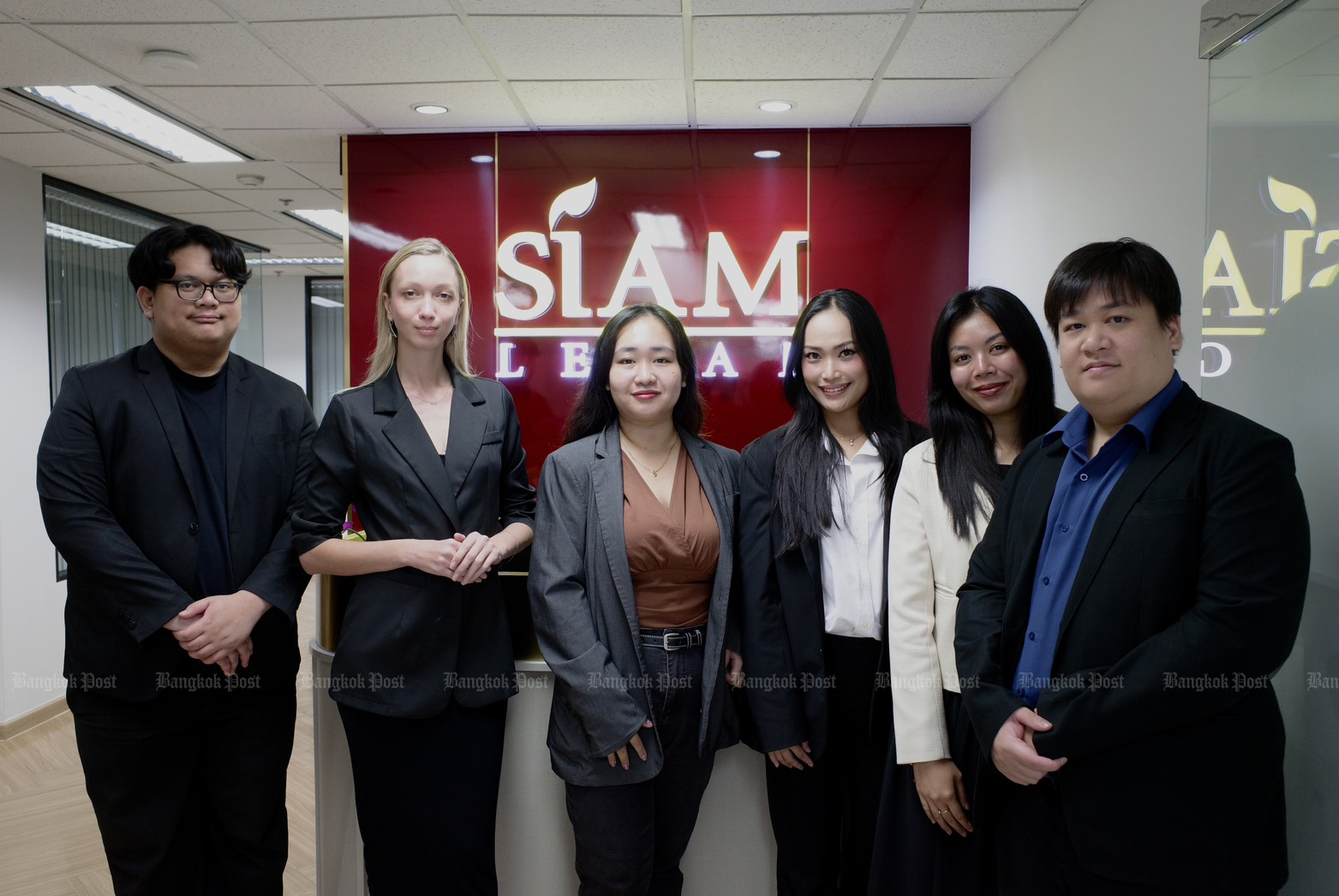
To provide a clear overview of Thailand’s retirement visa process, the Thai Visa team at Siam Legal shared its expertise, outlining the application procedures and highlighting important requirements and practical considerations that are often overlooked or difficult to find online.

The standard retirement visa: Who is eligible?
For most retirees, the traditional retirement visa remains the most straightforward pathway.
Applicants must be at least 50 years old, with no upper age limit. Financially, they must demonstrate either:
800,000 baht in a Thai bank account, or
65,000 baht in monthly passive income.
Passive income includes pensions, rental income, dividends and investment returns. Income earned through employment overseas does not qualify under the retirement visa requirements.
For many nationalities, however, the savings route has become the more practical option. Several embassies, including those of the United States, the United Kingdom and Canada, no longer issue the income verification letters previously accepted by Thai immigration authorities. As a result, applicants from those countries often rely on maintaining the required bank deposit instead.
The application process: Three main steps
Step 1: Obtain a 90-day Non-Immigrant Visa
Applicants first apply for a 90-day non-immigrant visa from their home country or from a neighbouring country before travelling to Thailand.
Step 2: Open a Thai bank account and deposit the funds
After arriving in Thailand, applicants activate their visa, open a Thai bank account and deposit the required 800,000 baht. The funds must remain in the account for the required “seasoning” period before the next stage of the application.
[NOTE: It is Thailand-Construction’s understanding that 400,000 baht must also remain in the account for the non-800,000 baht months]
Step 3: Apply for the one-year retirement extension
Once the financial requirements have been met, applicants can apply for a one-year retirement visa extension through Thai Immigration.
The extension must be renewed annually, and immigration specialists recommend beginning the renewal process at least one month before the current visa expires.
Maintaining the retirement visa
Receiving the visa is only part of the process.
The required 800,000 baht cannot be withdrawn immediately after approval. Immigration regulations require the funds to remain in the account for three months after the extension is granted and again during the three months leading up to the next annual renewal.
Applicants should also remain in the same province during the initial application period whenever possible, as immigration offices process applications based on the applicant’s registered address.

Moving within Thailand
Retirement visa extensions are processed by the immigration office responsible for the applicant’s province of residence.
Those who later relocate — for example, from Bangkok to Pattaya — must update their registered address with immigration and complete future renewals through their new local immigration office.
Travelling outside Thailand
Retirement visa holders may leave and re-enter Thailand, but they must obtain a re-entry permit before departure. Leaving the country without one automatically invalidates the visa extension.
Frequent travellers often opt for a multiple re-entry permit, which remains valid for the duration of the one-year extension.
Can retirement visa holders work?
A retirement visa does not permit employment in Thailand. Visa holders cannot work for Thai companies or provide services to Thai clients.
However, remote work for overseas clients is generally considered acceptable, provided it does not involve participating in Thailand’s labour market.
What about permanent residency?
Many retirees eventually consider permanent residency, but the requirements are significantly different.
Permanent residency is primarily intended for foreigners who have worked and paid taxes in Thailand for at least three consecutive years. Applicants must also meet minimum income requirements and pass Thai language examinations covering speaking, reading and writing.
Retirement visa holders, on the other hand, are not required to demonstrate Thai language proficiency.
Wat Arun temple by the Chao Phraya River, Bangkok. (Photo: Olivier Darny)

Alternative long-term visa options
Non-Immigrant O-A Visa
Applied for through Thai embassies or consulates abroad, the O-A visa grants a one-year stay without requiring applicants to season their funds inside Thailand beforehand.
Applicants must provide a criminal background check, a medical certificate and proof of Thai health insurance.
Non-Immigrant OX Visa
Available only to citizens of selected countries, including the United States, the United Kingdom, Canada, New Zealand and the Netherlands, the OX visa offers a stay of up to 10 years.
Applicants must maintain 3 million baht in a Thai bank account and provide proof of health insurance together with police clearance documentation.
Thailand Privilege Visa
Formerly known as the Elite Visa, this membership-based programme offers stays of five, 10, 15 or 20 years.
Memberships begin at 650,000 baht and include benefits such as fast-track airport services. Unlike retirement visas, there are no age restrictions or insurance requirements.

Destination Thailand Visa (DTV)
Designed primarily for remote workers and participants in approved “soft power” activities such as Muay Thai, the DTV is valid for five years. However, holders must leave Thailand every six months.
Long-Term Resident (LTR) Visa
The LTR Visa grants 10 years of residency and includes tax incentives and digital work permit privileges for qualifying wealthy global citizens, pensioners and highly skilled professionals who meet substantial income or investment requirements.
Regardless of which visa is chosen, immigration specialists recommend consulting qualified professionals rather than relying solely on information found on social media. Visa regulations can change, documentation requirements differ between categories, and individual circumstances often determine the most suitable pathway.
Source: https://www.bangkokpost.com/life/travel/3297502/applying-for-a-retirement-visa-in-thailand
Google Translation:
การขอวีซ่าเกษียณอายุในประเทศไทย: กำลังคิดที่จะขยายเวลาการพำนักในสวรรค์เขตร้อนที่สมบูรณ์แบบอยู่หรือเปล่า?
(ภาพ: สโปลยาคอฟ)
เป็นเวลากว่าหลายทศวรรษแล้วที่ประเทศไทยได้รับการจัดอันดับให้เป็นหนึ่งในจุดหมายปลายทางที่น่าดึงดูดที่สุดสำหรับการเกษียณอายุของโลก สภาพอากาศอบอุ่น ค่าครองชีพที่ค่อนข้างไม่แพง ระบบการดูแลสุขภาพที่ได้มาตรฐาน และชุมชนชาวต่างชาติที่มีชีวิตชีวา ยังคงดึงดูดผู้เกษียณอายุที่ต้องการใช้ชีวิตช่วงบั้นปลายท่ามกลางแสงแดดเขตร้อน
(ภาพ: อเล็กเซย์ เดมิดอฟ)
อย่างไรก็ตาม แม้ว่าความคิดที่จะเกษียณอายุในประเทศไทยจะน่าสนใจ แต่การทำความเข้าใจระบบตรวจคนเข้าเมืองของประเทศอาจทำให้รู้สึกยุ่งยากได้บ่อยครั้ง ระหว่างข้อกำหนดทางการเงิน การต่ออายุรายปี และจำนวนโครงการวีซ่าระยะยาวที่เพิ่มขึ้น การทำความเข้าใจว่าตัวเลือกใดเหมาะสมกับสถานการณ์ส่วนบุคคลมากที่สุดจึงเป็นขั้นตอนแรกในการตัดสินใจย้ายถิ่นฐาน
เพื่อให้ภาพรวมที่ชัดเจนเกี่ยวกับกระบวนการขอวีซ่าเกษียณอายุของประเทศไทย ทีมงานวีซ่าไทยของสยามลีกัลได้แบ่งปันความเชี่ยวชาญ โดยสรุปขั้นตอนการสมัครและเน้นย้ำข้อกำหนดที่สำคัญและข้อควรพิจารณาในทางปฏิบัติที่มักถูกมองข้ามหรือหาได้ยากทางออนไลน์
ทีมงานวีซ่าไทย สยามลีกัล
วีซ่าเกษียณอายุแบบมาตรฐาน: ใครมีสิทธิ์บ้าง?
สำหรับผู้เกษียณอายุส่วนใหญ่ วีซ่าเกษียณอายุแบบดั้งเดิมยังคงเป็นเส้นทางที่ตรงไปตรงมาที่สุด
ผู้สมัครต้องมีอายุอย่างน้อย 50 ปี โดยไม่มีกำหนดอายุสูงสุด ในด้านการเงิน พวกเขาต้องแสดงหลักฐานอย่างใดอย่างหนึ่งดังนี้:
800,000 บาทในบัญชีธนาคารไทย หรือ
65,000 บาทต่อเดือนจากรายได้ที่ไม่ใช่การทำงาน
รายได้ที่ไม่ใช่การทำงาน ได้แก่ เงินบำนาญ รายได้จากค่าเช่า เงินปันผล และผลตอบแทนจากการลงทุน รายได้จากการทำงานในต่างประเทศไม่เข้าเกณฑ์ตามข้อกำหนดของวีซ่าเกษียณอายุ
อย่างไรก็ตาม สำหรับหลายสัญชาติ เส้นทางการออมเงินได้กลายเป็นทางเลือกที่ปฏิบัติได้จริงมากกว่า สถานทูตหลายแห่ง รวมถึงสถานทูตสหรัฐอเมริกา สหราชอาณาจักร และแคนาดา ไม่ได้ออกหนังสือรับรองรายได้ที่เคยได้รับการยอมรับจากหน่วยงานตรวจคนเข้าเมืองของไทยอีกต่อไป ส่งผลให้ผู้สมัครจากประเทศเหล่านั้นมักจะอาศัยการรักษายอดเงินฝากในธนาคารตามที่กำหนดแทน
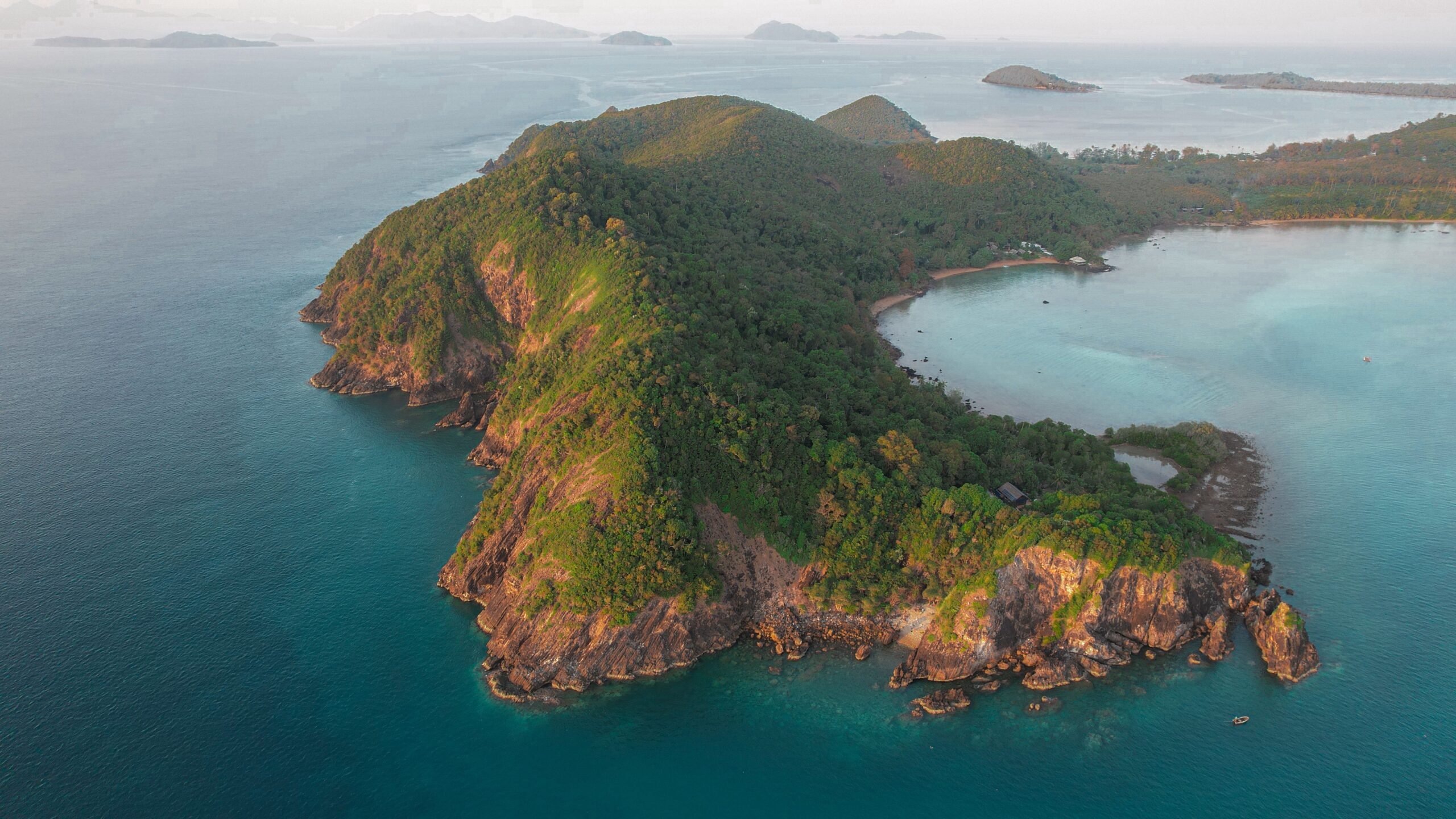
เกาะมาก จังหวัดตราด ประเทศไทย (ภาพ: อาร์ชี แมคนิโคล)
ขั้นตอนการสมัคร: สามขั้นตอนหลัก
ขั้นตอนที่ 1: ขอวีซ่าชั่วคราว 90 วัน
ผู้สมัครต้องยื่นขอวีซ่าชั่วคราว 90 วันจากประเทศบ้านเกิดหรือประเทศเพื่อนบ้านก่อนเดินทางมาประเทศไทย
ขั้นตอนที่ 2: เปิดบัญชีธนาคารไทยและฝากเงิน
หลังจากเดินทางมาถึงประเทศไทย ผู้สมัครต้องเปิดใช้งานวีซ่า เปิดบัญชีธนาคารไทย และฝากเงินจำนวน 800,000 บาท เงินจำนวนนี้ต้องคงอยู่ในบัญชีตามระยะเวลาที่กำหนดก่อนดำเนินการในขั้นตอนต่อไป
[หมายเหตุ: บริษัท ไทยแลนด์-คอนสตรัคชั่น เข้าใจว่าต้องมีเงินเหลืออยู่ในบัญชีอย่างน้อย 400,000 บาทในช่วงเดือนที่ไม่ได้ฝากเงิน 800,000 บาท]
ขั้นตอนที่ 3: ยื่นขอต่ออายุวีซ่าเกษียณอายุ 1 ปี
เมื่อตรงตามข้อกำหนดทางการเงินแล้ว ผู้สมัครสามารถยื่นขอต่ออายุวีซ่าเกษียณอายุ 1 ปีผ่านสำนักงานตรวจคนเข้าเมืองไทยได้
การต่ออายุวีซ่าต้องต่ออายุทุกปี และผู้เชี่ยวชาญด้านตรวจคนเข้าเมืองแนะนำให้เริ่มกระบวนการต่ออายุอย่างน้อยหนึ่งเดือนก่อนที่วีซ่าปัจจุบันจะหมดอายุ
(ภาพ: cottonbro studio)
การรักษาวีซ่าเกษียณอายุ
การได้รับวีซ่าเป็นเพียงส่วนหนึ่งของกระบวนการเท่านั้น
เงินจำนวน 800,000 บาทที่ต้องถอนนั้น ไม่สามารถถอนได้ทันทีหลังจากได้รับการอนุมัติ ระเบียบตรวจคนเข้าเมืองกำหนดให้เงินต้องอยู่ในบัญชีเป็นเวลาสามเดือนหลังจากได้รับการต่ออายุ และอีกครั้งในช่วงสามเดือนก่อนการต่ออายุประจำปีครั้งถัดไป
ผู้สมัครควรอยู่ในจังหวัดเดียวกันในช่วงระยะเวลาการสมัครครั้งแรกหากเป็นไปได้ เนื่องจากสำนักงานตรวจคนเข้าเมืองจะดำเนินการสมัครโดยอิงจากที่อยู่จดทะเบียนของผู้สมัคร
การย้ายที่อยู่ภายในประเทศไทย
การต่ออายุวีซ่าเกษียณอายุจะดำเนินการโดยสำนักงานตรวจคนเข้าเมืองที่รับผิดชอบจังหวัดที่ผู้สมัครอาศัยอยู่
ผู้ที่ย้ายที่อยู่ในภายหลัง เช่น จากกรุงเทพฯ ไปพัทยา จะต้องอัปเดตที่อยู่จดทะเบียนกับสำนักงานตรวจคนเข้าเมืองและดำเนินการต่ออายุในอนาคตผ่านสำนักงานตรวจคนเข้าเมืองในพื้นที่ใหม่ของตน
การเดินทางออกนอกประเทศไทย
ผู้ถือวีซ่าเกษียณอายุสามารถเดินทางเข้าออกประเทศไทยได้ แต่ต้องขออนุญาตกลับเข้าประเทศก่อนออกเดินทาง การออกนอกประเทศโดยไม่มีใบอนุญาตจะทำให้การต่ออายุวีซ่าเป็นโมฆะโดยอัตโนมัติ
ผู้ที่เดินทางบ่อยมักเลือกใช้ใบอนุญาตกลับเข้าประเทศแบบหลายครั้ง ซึ่งมีอายุใช้งานได้นานเท่ากับระยะเวลาการต่ออายุหนึ่งปี
ผู้ถือวีซ่าเกษียณอายุสามารถทำงานได้หรือไม่?
วีซ่าเกษียณอายุไม่อนุญาตให้ทำงานในประเทศไทย ผู้ถือวีซ่าไม่สามารถทำงานให้กับบริษัทไทยหรือให้บริการแก่ลูกค้าชาวไทยได้
อย่างไรก็ตาม การทำงานทางไกลให้กับลูกค้าต่างประเทศโดยทั่วไปถือว่ายอมรับได้ ตราบใดที่ไม่ได้เกี่ยวข้องกับการทำงานในตลาดแรงงานของประเทศไทย
แล้วการขอถิ่นพำนักถาวรล่ะ?
ผู้เกษียณอายุหลายคนพิจารณาขอถิ่นพำนักถาวรในที่สุด แต่ข้อกำหนดนั้นแตกต่างกันอย่างมาก
การขอวีซ่าถาวรมีไว้สำหรับชาวต่างชาติที่ทำงานและเสียภาษีในประเทศไทยมาแล้วอย่างน้อยสามปีติดต่อกัน ผู้สมัครต้องมีรายได้ขั้นต่ำตามที่กำหนดและสอบผ่านภาษาไทยทั้งการพูด การอ่าน และการเขียน
ส่วนผู้ถือวีซ่าเกษียณอายุ ไม่จำเป็นต้องแสดงความสามารถทางภาษาไทย
วัดอรุณราชวรมราม ริมแม่น้ำเจ้าพระยา กรุงเทพฯ (ภาพ: Olivier Darny)
ทางเลือกวีซ่าระยะยาวอื่นๆ
วีซ่า O-A (ไม่ใช่วีซ่าผู้อพยพ)
วีซ่า O-A ยื่นขอผ่านสถานทูตหรือสถานกงสุลไทยในต่างประเทศ อนุญาตให้พำนักได้หนึ่งปีโดยไม่ต้องมีเงินทุนสำรองในประเทศไทยล่วงหน้า
ผู้สมัครต้องแสดงหลักฐานการตรวจสอบประวัติอาชญากรรม ใบรับรองแพทย์ และหลักฐานการประกันสุขภาพของไทย
วีซ่า OX (ไม่ใช่วีซ่าผู้อพยพ)
วีซ่า OX มีให้เฉพาะพลเมืองของประเทศที่เลือกไว้ ได้แก่ สหรัฐอเมริกา สหราชอาณาจักร แคนาดา นิวซีแลนด์ และเนเธอร์แลนด์ อนุญาตให้พำนักได้นานถึง 10 ปี
ผู้สมัครต้องมีเงินในบัญชีธนาคารไทยอย่างน้อย 3 ล้านบาท และต้องแสดงหลักฐานการประกันสุขภาพพร้อมเอกสารรับรองประวัติอาชญากรรม
วีซ่าสิทธิพิเศษสำหรับชาวต่างชาติ (Thailand Privilege Visa)
เดิมชื่อวีซ่า Elite Visa โปรแกรมสมาชิกนี้ให้สิทธิ์พำนักได้ 5, 10, 15 หรือ 20 ปี
ค่าสมาชิกเริ่มต้นที่ 650,000 บาท และมีสิทธิประโยชน์ต่างๆ เช่น บริการด่วนที่สนามบิน แตกต่างจากวีซ่าเกษียณอายุตรงที่ไม่มีข้อจำกัดด้านอายุหรือข้อกำหนดด้านประกันภัย
วีซ่าปลายทางประเทศไทย (Destination Thailand Visa – DTV)
ออกแบบมาสำหรับผู้ทำงานทางไกลและผู้เข้าร่วมกิจกรรม “soft power” ที่ได้รับการอนุมัติ เช่น มวยไทย วีซ่า DTV มีอายุ 5 ปี แต่ผู้ถือวีซ่าต้องออกจากประเทศไทยทุกๆ 6 เดือน
วีซ่าพำนักระยะยาว (Long-Term Resident – LTR Visa)
วีซ่า LTR ให้สิทธิ์พำนัก 10 ปี และมีสิทธิประโยชน์ทางภาษีและใบอนุญาตทำงานดิจิทัลสำหรับพลเมืองโลกที่มีฐานะร่ำรวย ผู้รับบำนาญ และผู้เชี่ยวชาญที่มีทักษะสูงที่ตรงตามข้อกำหนดด้านรายได้หรือการลงทุนที่สำคัญ
(ภาพ: cottonbro studio)
ไม่ว่าคุณจะเลือกวีซ่าประเภทใด ผู้เชี่ยวชาญด้านการตรวจคนเข้าเมืองแนะนำให้ปรึกษาผู้เชี่ยวชาญที่มีคุณสมบัติเหมาะสมมากกว่าที่จะพึ่งพาข้อมูลที่พบในโซเชียลมีเดียเพียงอย่างเดียว กฎระเบียบเกี่ยวกับวีซ่าอาจเปลี่ยนแปลงได้ ข้อกำหนดด้านเอกสารแตกต่างกันไปตามแต่ละประเภท และสถานการณ์ส่วนบุคคลมักเป็นตัวกำหนดเส้นทางที่เหมาะสมที่สุด