
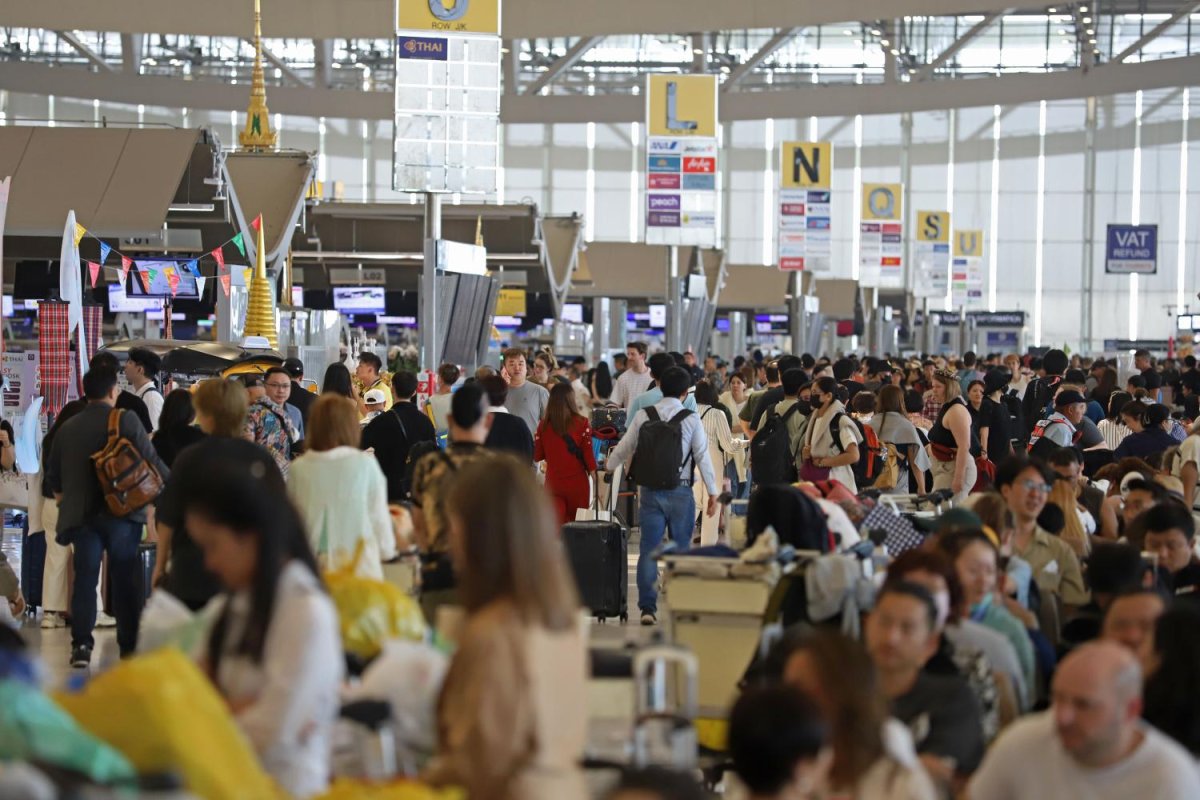
Thailand’s fast train to nowhere: Delays to the proposed high-speed rail linking three airports have not diminished interest in the EEC
THIS NEWS ARTICLE KINDLY SPONSORED BY FALLPROTEC, A WORLD-RENOWNED NAME IN THE DESIGN AND MANUFACTURE OF PREMIUM FALL PROTECTION SYSTEMS AND HEIGHT ACCESS SOLUTIONS
Undeterred by several problems in building a high-speed rail system linking three airports, the government vows to push ahead and continue to draw investments to the Eastern Economic Corridor (EEC).
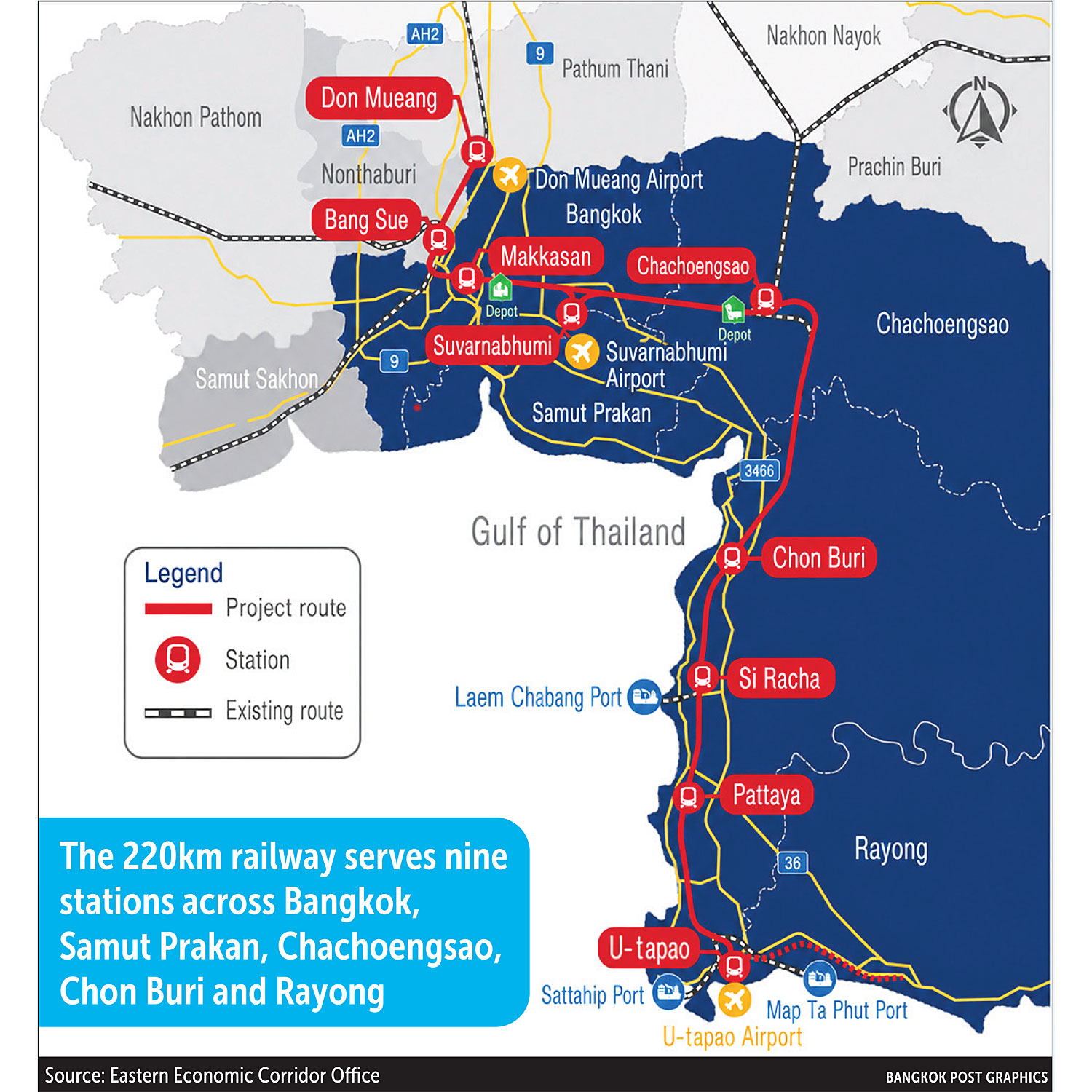
The 224.5-billion-baht project faces an uncertain future after Chula Sukmanop, secretary-general of the EEC Office, said the government may need to seek a new business partner to replace concessionaire Asia Era One if the problems that led to years of delays cannot be resolved.
Reportedly Asia Era One, the consortium led by Charoen Pokphand (CP) Group that won the concession to develop the railway, wants to terminate the construction agreement made with the State Railway of Thailand (SRT).
 This stance was rebuffed by Sarit Jinnasith, president of Asia Era One, who said it never intended to abandon the project.
Prime Minister Anutin Charnvirakul said state contracts cannot be cancelled unilaterally, stressing the government is keen to ensure the project is implemented according to agreed terms, public procurement regulations and the law.
Despite many setbacks, both the state and private sectors remain confident in the EEC’s growth, even if high-speed rail system faces adjustments.
NOT A DECISIVE FACTOR
Thailand can still advance its EEC ambitions even if the high-speed rail project linking Don Mueang, Suvarnabhumi and U-tapao airports is abandoned, as industrial investment has already shifted its focus to infrastructure that is operational rather than promised, noted industry leaders.
However, cancelling the rail project could dent confidence in the government’s ability to deliver mega-projects and weaken the long-term image of the flagship development zone, said Surachet Kongcheep, head of research at property consultancy Cushman & Wakefield Thailand.
Most private investors have already stopped relying on the rail project as a selling point for developments in the EEC, he noted.
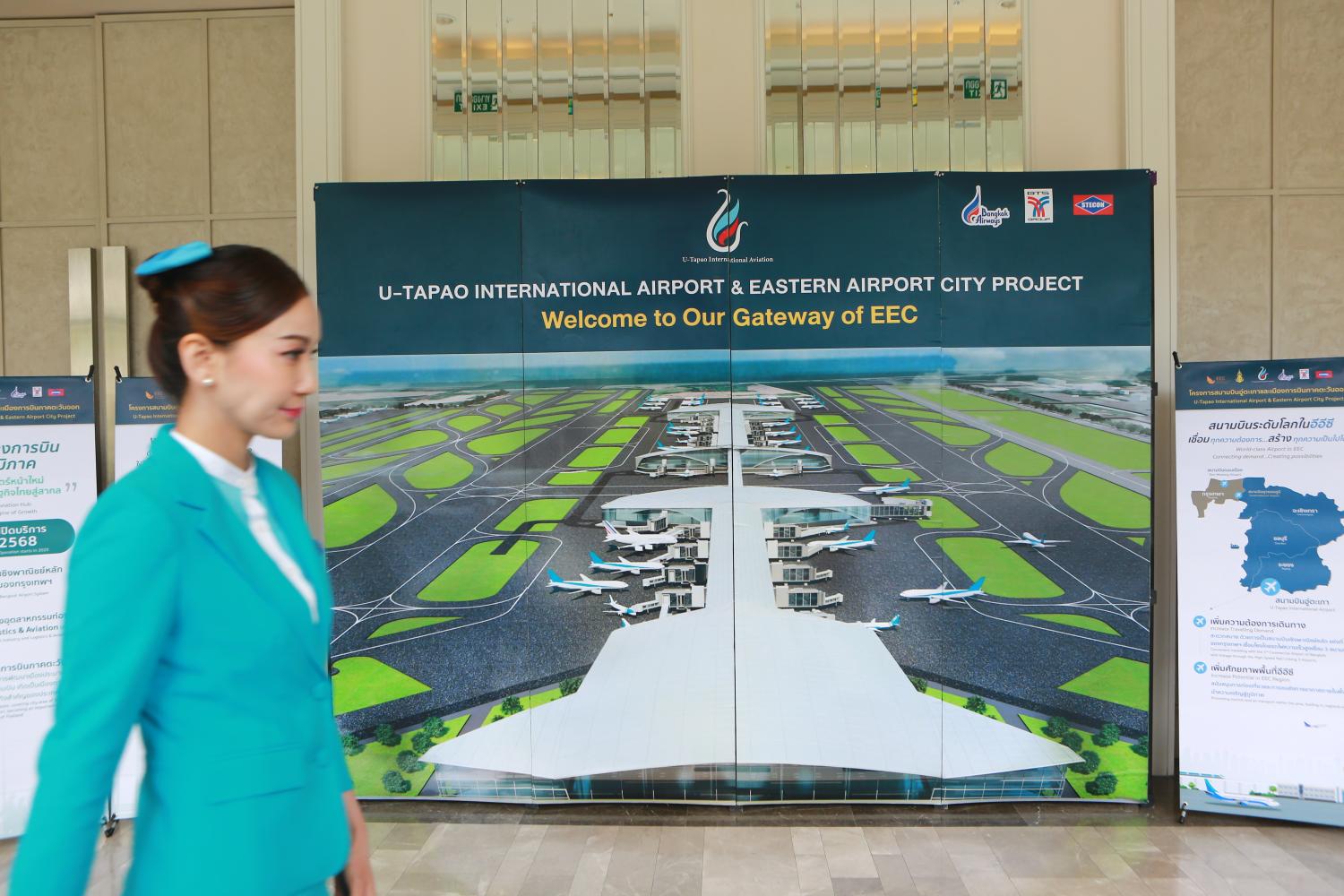
Instead, industrial, residential and hospitality developers are promoting infrastructure already in operation or under construction, including deep-sea ports, motorways, dual-track railways and the expansion of U-tapao airport.
“The market has gradually adjusted because the project faced repeated delays,” said Mr Surachet.
“Developers now highlight the EEC’s existing strengths rather than waiting for the high-speed rail.”
Industrial investors are driving growth in the EEC, and they rely primarily on ports, roads and conventional rail freight rather than high-speed passenger trains, he noted.
Factories in the EEC mainly produce for exports or neighbouring countries, making efficient logistics more important than faster passenger transport.
Residential developers also adapted, as homebuyers no longer choose projects based on proximity to future high-speed rail stations, said Mr Surachet.
“The housing market stopped depending on this project years ago. Developers no longer use station locations as a major selling point,” he said.
Hotel operators are unlikely to face significant disruption, as visitors can already access Pattaya, Chon Buri and Rayong through Suvarnabhumi and U-tapao airports, as well as motorway connections.
Even large private investments planned in the EEC are expected to proceed, provided the projects remain attractive enough to draw tourists and businesses, said Mr Surachet.
However, cancelling the project could have wider implications for Thailand’s investment reputation, he noted.
The high-speed rail connecting three airports has long been presented alongside the EEC as a flagship infrastructure projects.
“If such a major project cannot be delivered despite involving one of Thailand’s largest private partners, foreign investors may question the country’s ability to execute large-scale developments,” said Mr Surachet.
The government should clearly communicate its next steps and avoid creating uncertainty if the project is cancelled, he said.
LIMITED IMPACT
Delays to the rail project will not derail investment momentum in the EEC, according to the Industrial Estate Authority of Thailand (IEAT) and leaders in the automotive industry.
Sumet Thangprasert, governor of the IEAT, acknowledged the troubled project could slow related developments such as the U-tapao airport upgrade and the Eastern Aviation City, but targeted industrial investments remain unaffected.
Contingency measures have been prepared, he said, including a plan to reduce train speeds from 200 to 160 kilometres per hour to ensure the project can move forward despite construction challenges.
“The IEAT confirms investment in key industries has not stumbled. Investors continue to enter the EEC, and confidence in Thailand remains at 100%. These are separate issues and should not be lumped together,” said Mr Sumet.
Foreign investors are interested in semiconductors, artificial intelligence and data centres, he said.
Data centre developers have reserved between 2,000-5,000 rai of industrial land, awaiting clarity from the Energy Ministry on clean electricity supply.
The IEAT expects its industrial land sales in fiscal 2026 (October 2025–September 2026) to surpass last year’s 8,000 rai, which fell short of the target of 12,000 rai.
Rising geopolitical tensions and US tariff measures under President Donald Trump are prompting manufacturers to consider relocating production bases to Thailand.
Confidence is also evident in the automotive sector. Vithavat Thongves, secretary of the Automotive Industry Club under the Federation of Thai Industries, said foreign investors remain committed, particularly in electric vehicles (EVs).
Chinese firms dominate current EV investments, but more suppliers are expected to follow.
“Even though the railway project faces obstacles, it has not affected overall investment. Chinese investors remain key players across multiple industries,” he said.
An executive from Changan Auto Sales (Thailand), a subsidiary of Chinese EV maker Changan Automobile, echoed this sentiment, noting foreign investors view Thailand as a long-term investment hub, despite infrastructure setbacks.
Their greater concern is Thailand’s shrinking car market, weak consumer purchasing power and the economic slowdown.
Some new entrants prefer importing vehicles under the Asean-China free trade agreement rather than building factories locally, said the executive.
EFFECTIVE CONNECTIONS
Replacing the original proposal with a medium-speed railway capable of operating at up to 160km per hour could be a practical alternative, particularly if lower construction costs translate into more affordable fares.
“What matters is not necessarily maximum speed, but whether the system is convenient, affordable and well-connected,” said Mr Surachet.
The government should complement any revised rail project with efficient local public transport linking stations to industrial estates, tourist attractions and residential areas, he noted.
This strategy would preserve much of the project’s intended economic benefit without requiring a full high-speed rail system, said Mr Surachet.
“Land speculation around future station locations has largely disappeared after years of uncertainty surrounding the project,” he said.
Land prices along the proposed route surged two to threefold several years ago, but have remained largely flat as progress stalled.
“If the project is cancelled, landowners near the proposed stations may have to cut asking prices significantly because much of the speculative premium has already disappeared,” Mr Surachet said.
The EEC’s long-term competitiveness ultimately depends less on a single railway project than on the overall investment structure, policy continuity and the government’s ability to deliver infrastructure that supports businesses, he noted.
STILL HOLDS POTENTIAL
Sumet Ongkittikul, vice-president for internal systems and research director for transport and logistics policy at Thailand Development Research Institute, said the high-speed rail remains necessary to support the EEC.
However, the government should reassess the project’s economic viability to ensure it reflects the current environment, he said.
“The expectations for this project have been delayed and it remains unclear how the situation will be resolved,” said Mr Sumet.
“The government needs to expedite its decision on the project.”
The project contract was signed on Oct 24, 2019, between the SRT and Asia Era One Co, though construction has yet to begin.
The project was affected by the economic fallout from the pandemic, while financial institutions have been reluctant to provide loans because they consider the project financially unviable.
The concessionaire was granted a 50-year concession and sought to amend several terms of the contract, but was unsuccessful.
The CP Group submitted a letter to the SRT on July 6 to exercise its contractual right to terminate the agreement.
Mr Sumet said he still believes there is a need for an efficient rail transport option serving the EEC. However, the government must reassess the project’s economic value.
High-speed rail entails significantly higher costs than conventional rail. Since the project’s inception, there has been debate over whether high-speed rail provides sufficient time savings to justify the higher cost on routes that are not particularly long.
However, a rail system with a relatively low operating speed but greater service efficiency, featuring more frequent departures and additional stations, may help offset the longer travel time, he said.
The project may need to revisit its original concept, particularly regarding its travel model, said Mr Sumet.
Although the railway is designed to connect Don Mueang, Suvarnabhumi and U-tapao airports, he said most passengers are unlikely to travel directly between Suvarnabhumi and U-tapao airports.
For example, with the Airport Rail Link the majority of passengers do not use the service solely to travel to Suvarnabhumi airport. Instead, many passengers travel to intermediate stations such as Lat Krabang, Hua Mak or Thap Chang.
Similarly for the delayed rail project, the primary travel demand is expected to come from destinations such as Pattaya and Si Racha.
If the trains operated at a somewhat lower speed, they could stop more frequently at areas with stronger passenger demand, making it possible to add more stations, said Mr Sumet.
“High-speed rail is a costly undertaking, making it difficult for the private sector to invest. If the government were to fund the project itself, it remains uncertain whether it would have the financial capacity to do so,” he said.
“Another option would be to scale down the project to reduce costs.”
BEYOND INFRASTRUCTURE
While the government plans to remove all obstacles to the railway construction in order to increase investments, Mr Chula said the EEC plans to focus on more than infrastructure and industry because the region has the potential to build a globally attractive corridor blending business, tourism, sports and lifestyle.
EEC, which covers parts of Chon Buri, Rayong and Chachoengsao, is expected to become the nation’s high-tech industrial hub hosting 13 targeted industries, including next-generation cars and smart electronics.
The goal is to become a global hub where people want to invest, work and live, he said.
The government’s push for the EEC Capital City or “EECiti” project should help Thailand achieve this goal despite delays to the rail project, said Mr Chula.
EECiti is conceived as a next-generation urban centre intended to anchor Thailand’s shift towards high-tech industries, international services and premium tourism.
The project is in its first phase (2023–2027), with authorities preparing to open bidding for 10 major infrastructure and utility systems under public-private partnership schemes, with combined investment projected at 74.5 billion baht. The full master plan extends to 2037.
The government is positioning the EEC as a future hub for global tourism, entertainment and major international events, with proposals including an 80,000-seat stadium, an international sports complex covering 1,500 rai, and a potential Formula One-standard racing circuit near U-tapao.
A revived plan to attract a Disneyland-style theme park has also drawn attention, reflecting efforts to create a large entertainment and lifestyle destination capable of drawing international visitors and investors.
Since 2018, the EEC has attracted 45.7 billion baht in foreign investment, with China, Japan, Australia, Belgium and Singapore among the key contributors.
However, some developers worry the pace of EEC development remains tied to progress on the high-speed rail project, widely seen as the backbone of the EEC strategy.
Mr Sarit from Asia Era One said the project has been hindered by unresolved obstacles, particularly delays in land handovers and legal restrictions affecting construction.
He pointed to prolonged delays in site delivery complicating the project’s financing, as well as disruptions such as the impact of the Russian invasion of Ukraine.
Source: https://www.bangkokpost.com/business/general/3288679/fast-train-to-nowhere
Google Translation:
รถไฟความเร็วสูงของไทยที่มุ่งหน้าสู่จุดหมายปลายทาง: ความล่าช้าของโครงการรถไฟความเร็วสูงที่เชื่อมต่อสนามบินสามแห่ง ไม่ได้ลดความสนใจในเขตเศรษฐกิจพิเศษภาคตะวันออก (EEC)
นักท่องเที่ยวจำนวนมากแออัดอยู่ในอาคารผู้โดยสารของสนามบินสุวรรณภูมิ หนึ่งในสามสนามบินที่จะเชื่อมต่อกันด้วยโครงการรถไฟความเร็วสูงที่ล่าช้า (ภาพ: วรุษฐ์ หิรัญเทพ)
บทความข่าวนี้ได้รับการสนับสนุนโดย FALLPROTEC บริษัทที่มีชื่อเสียงระดับโลกด้านการออกแบบและการผลิตระบบป้องกันการตกจากที่สูงและโซลูชันการเข้าถึงที่สูงระดับพรีเมียม
แม้จะมีปัญหาหลายประการในการสร้างระบบรถไฟความเร็วสูงที่เชื่อมต่อสนามบินสามแห่ง รัฐบาลก็ยังคงมุ่งมั่นที่จะผลักดันและดึงดูดการลงทุนมาสู่เขตเศรษฐกิจพิเศษภาคตะวันออก (EEC) ต่อไป
โครงการมูลค่า 224.5 พันล้านบาทกำลังเผชิญกับอนาคตที่ไม่แน่นอน หลังจากจุฬา สุขมานพ เลขาธิการสำนักงานภาคเศรษฐกิจภาคตะวันออก กล่าวว่า รัฐบาลอาจจำเป็นต้องหาพันธมิตรทางธุรกิจรายใหม่มาแทนที่บริษัทเอเชีย เอรา วัน หากปัญหาที่นำไปสู่ความล่าช้าหลายปีไม่สามารถแก้ไขได้
มีรายงานว่า เอเชีย เอรา วัน กลุ่มบริษัทที่นำโดยกลุ่มเจริญโภคภัณฑ์ (ซีพี) ซึ่งได้รับสัมปทานพัฒนาทางรถไฟ ต้องการยกเลิกสัญญาก่อสร้างกับ การรถไฟแห่งประเทศไทย (รฟ.ท.)
แต่คำกล่าวนี้ถูกปฏิเสธโดย สาริต จินนาสิท ประธานบริษัทเอเชีย เอรา วัน ซึ่งกล่าวว่าบริษัทไม่เคยมีเจตนาที่จะละทิ้งโครงการ
นายกรัฐมนตรี อนุทิน ชาญวีรกุล กล่าวว่า สัญญาของรัฐไม่สามารถยกเลิกได้ฝ่ายเดียว โดยเน้นย้ำว่ารัฐบาลต้องการให้โครงการดำเนินการตามข้อตกลง ระเบียบการจัดซื้อจัดจ้างภาครัฐ และกฎหมาย
แม้จะมีอุปสรรคมากมาย ทั้งภาครัฐและภาคเอกชนยังคงมีความมั่นใจในการเติบโตของ EEC แม้ว่าระบบรถไฟความเร็วสูงอาจต้องมีการปรับปรุงก็ตาม
ไม่ใช่ปัจจัยชี้ขาด
ประเทศไทยยังคงสามารถผลักดันความทะเยอทะยานของ EEC ได้แม้ว่าโครงการรถไฟความเร็วสูงเชื่อมสนามบินดอนเมือง สุวรรณภูมิ และอู่ตะเภาจะถูกยกเลิก เนื่องจากนักลงทุนภาคอุตสาหกรรมได้เปลี่ยนไปเน้นโครงสร้างพื้นฐานที่ใช้งานได้จริงแล้ว มากกว่าโครงสร้างพื้นฐานที่ยังสัญญาไว้ ตามที่ผู้นำในอุตสาหกรรมระบุ
อย่างไรก็ตาม การยกเลิกโครงการรถไฟอาจบั่นทอนความเชื่อมั่นในความสามารถของรัฐบาลในการดำเนินโครงการขนาดใหญ่ และทำให้ภาพลักษณ์ระยะยาวของเขตพัฒนาหลักอ่อนแอลง นายสุรเชษฐ์ คงชีพ หัวหน้าฝ่ายวิจัยของบริษัทที่ปรึกษาด้านอสังหาริมทรัพย์ Cushman & Wakefield ประเทศไทย กล่าว
ป้ายโฆษณาสนามบินอู่ตะเภา ซึ่งกำลังได้รับการปรับปรุงเพื่อรองรับการขนส่งใน EEC (ภาพโดย Somchai Poomlard)
ป้ายโฆษณาสนามบินอู่ตะเภา ซึ่งกำลังได้รับการปรับปรุงเพื่อรองรับการขนส่งใน EEC (ภาพ: สมชัย ภูมิเลิศ)
นายสุรเชษฐ์กล่าวว่า นักลงทุนภาคเอกชนส่วนใหญ่เลิกใช้โครงการรถไฟความเร็วสูงเป็นจุดขายในการพัฒนาโครงการใน EEC แล้ว
แทนที่จะเป็นเช่นนั้น ผู้พัฒนาอุตสาหกรรม ที่อยู่อาศัย และโรงแรม ต่างส่งเสริมโครงสร้างพื้นฐานที่เปิดใช้งานแล้วหรืออยู่ระหว่างการก่อสร้าง รวมถึงท่าเรือน้ำลึก ทางหลวง ทางรถไฟสองเลน และการขยายสนามบินอู่ตะเภา
“ตลาดได้ปรับตัวอย่างค่อยเป็นค่อยไป เนื่องจากโครงการประสบปัญหาล่าช้าซ้ำแล้วซ้ำเล่า” นายสุรเชษฐ์กล่าว
“ปัจจุบันผู้พัฒนาเน้นจุดแข็งที่มีอยู่ของ EEC มากกว่าที่จะรอคอยรถไฟความเร็วสูง”
นักลงทุนภาคอุตสาหกรรมเป็นแรงขับเคลื่อนการเติบโตใน EEC และพวกเขาพึ่งพาท่าเรือ ถนน และการขนส่งสินค้าทางรถไฟแบบดั้งเดิมเป็นหลัก มากกว่ารถไฟโดยสารความเร็วสูง เขากล่าว
โรงงานใน EEC ส่วนใหญ่ผลิตเพื่อการส่งออกหรือประเทศเพื่อนบ้าน ทำให้โลจิสติกส์ที่มีประสิทธิภาพมีความสำคัญมากกว่าการขนส่งผู้โดยสารที่รวดเร็ว
ผู้พัฒนาที่อยู่อาศัยก็ปรับตัวเช่นกัน เนื่องจากผู้ซื้อบ้านไม่ได้เลือกโครงการโดยพิจารณาจากความใกล้กับสถานีรถไฟความเร็วสูงในอนาคตอีกต่อไป นายสุรเชษฐ์กล่าว
“ตลาดที่อยู่อาศัยเลิกพึ่งพาโครงการนี้ไปนานแล้ว ผู้พัฒนาอสังหาริมทรัพย์ไม่ใช้ทำเลสถานีรถไฟเป็นจุดขายหลักอีกต่อไปแล้ว” เขากล่าว
ผู้ประกอบการโรงแรมไม่น่าจะได้รับผลกระทบมากนัก เนื่องจากนักท่องเที่ยวสามารถเดินทางไปยังพัทยา ชลบุรี และระยองได้อยู่แล้วผ่านทางสนามบินสุวรรณภูมิและอู่ตะเภา รวมถึงทางมอเตอร์เวย์ต่างๆ
แม้แต่การลงทุนภาคเอกชนขนาดใหญ่ที่วางแผนไว้ใน EEC ก็คาดว่าจะดำเนินต่อไปได้ ตราบใดที่โครงการเหล่านั้นยังคงดึงดูดนักท่องเที่ยวและธุรกิจได้ นายสุรเชษฐ์กล่าว
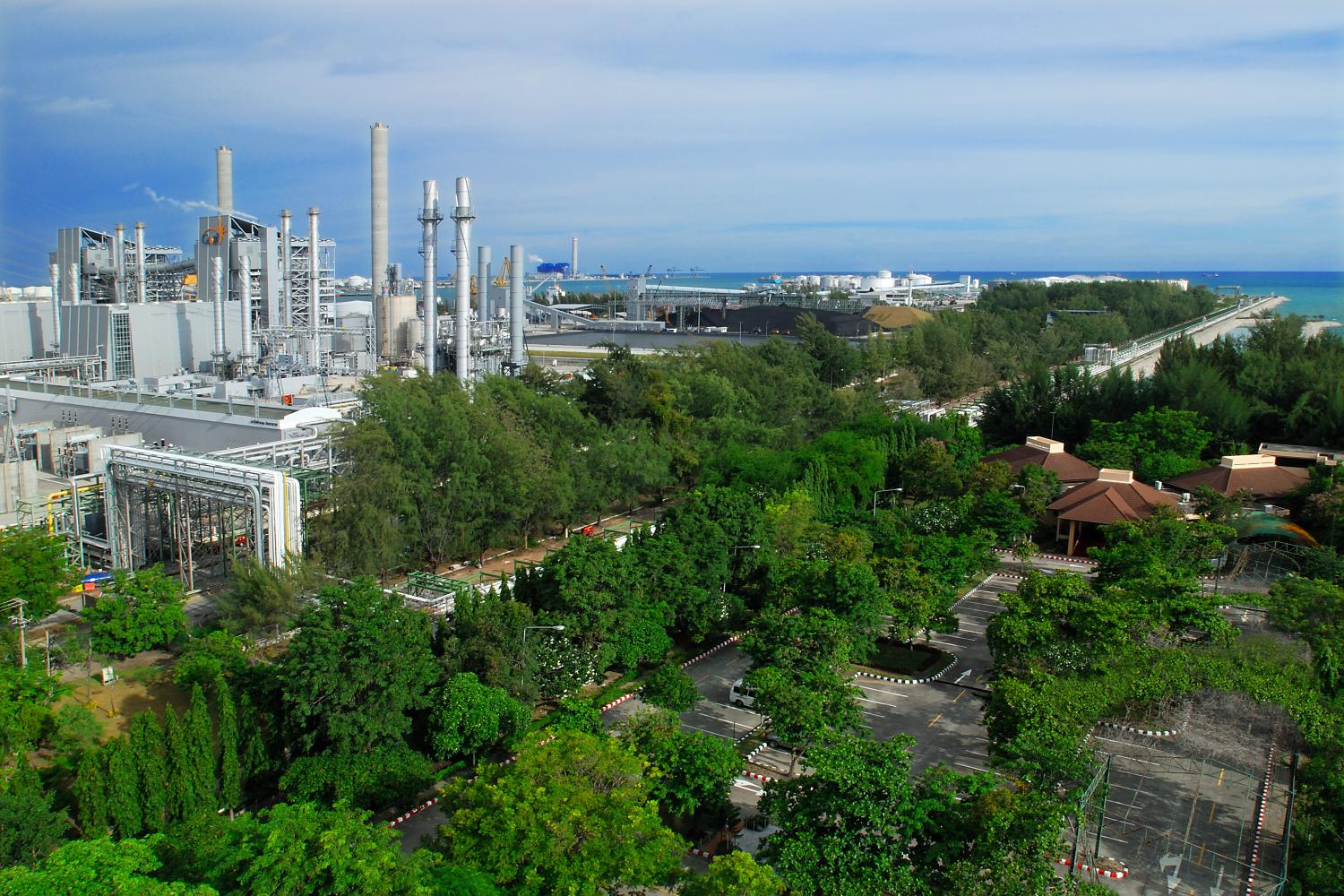
นิคมอุตสาหกรรมมาบตาพุด ในจังหวัดระยอง ดำเนินการโดยการนิคมอุตสาหกรรมแห่งประเทศไทย
อย่างไรก็ตาม การยกเลิกโครงการอาจส่งผลกระทบในวงกว้างต่อชื่อเสียงด้านการลงทุนของประเทศไทย เขากล่าว
รถไฟความเร็วสูงที่เชื่อมต่อสนามบินทั้งสามแห่งได้รับการนำเสนอควบคู่ไปกับ EEC มานานแล้วในฐานะโครงการโครงสร้างพื้นฐานที่สำคัญ
นายสุรเชษฐ์กล่าวว่า “หากโครงการขนาดใหญ่เช่นนี้ไม่สามารถดำเนินการได้สำเร็จ แม้จะมีพันธมิตรภาคเอกชนรายใหญ่ที่สุดรายหนึ่งของไทยเข้ามาเกี่ยวข้อง นักลงทุนต่างชาติอาจตั้งคำถามถึงความสามารถของประเทศในการพัฒนาโครงการขนาดใหญ่”
เขากล่าวเสริมว่า รัฐบาลควรสื่อสารขั้นตอนต่อไปอย่างชัดเจน และหลีกเลี่ยงการสร้างความไม่แน่นอนหากโครงการถูกยกเลิก
ผลกระทบจำกัด
ความล่าช้าของโครงการรถไฟจะไม่ส่งผลกระทบต่อการลงทุนในเขตเศรษฐกิจพิเศษภาคตะวันออก (EEC) ตามที่การนิคมอุตสาหกรรมแห่งประเทศไทย (IEAT) และผู้นำในอุตสาหกรรมยานยนต์ระบุ
นายสุเมธ ทังประเสริฐ ผู้ว่าการ IEAT ยอมรับว่าโครงการที่มีปัญหาอาจทำให้การพัฒนาที่เกี่ยวข้องชะลอตัวลง เช่น การปรับปรุงสนามบินอู่ตะเภาและเมืองการบินภาคตะวันออก แต่การลงทุนในภาคอุตสาหกรรมเป้าหมายยังคงไม่ได้รับผลกระทบ
เขากล่าวว่าได้มีการเตรียมมาตรการฉุกเฉินไว้แล้ว รวมถึงแผนการลดความเร็วรถไฟจาก 200 กิโลเมตรต่อชั่วโมงเหลือ 160 กิโลเมตรต่อชั่วโมง เพื่อให้โครงการสามารถดำเนินต่อไปได้แม้จะมีปัญหาในการก่อสร้าง
“IEAT ยืนยันว่าการลงทุนในอุตสาหกรรมหลักไม่ได้สะดุด นักลงทุนยังคงเข้ามาใน EEC และความเชื่อมั่นในประเทศไทยยังคงอยู่ที่ 100% นี่เป็นประเด็นที่แยกจากกันและไม่ควรนำมารวมกัน” นายสุเมธกล่าว
เขากล่าวว่านักลงทุนต่างชาติสนใจในด้านเซมิคอนดักเตอร์ ปัญญาประดิษฐ์ และศูนย์ข้อมูล
ผู้พัฒนาศูนย์ข้อมูลได้จองที่ดินอุตสาหกรรมไว้ประมาณ 2,000-5,000 ไร่ โดยรอความชัดเจนจากกระทรวงพลังงานเกี่ยวกับการจัดหาไฟฟ้าสะอาด
สมาคมอุตสาหกรรมและการพาณิชย์แห่งประเทศไทย (IEAT) คาดการณ์ว่ายอดขายที่ดินอุตสาหกรรมในปีงบประมาณ 2569 (ตุลาคม 2568 – กันยายน 2569) จะสูงกว่า 8,000 ไร่ในปีที่แล้ว ซึ่งต่ำกว่าเป้าหมายที่ตั้งไว้ 12,000 ไร่
ความตึงเครียดทางภูมิรัฐศาสตร์ที่เพิ่มขึ้นและมาตรการภาษีของสหรัฐฯ ภายใต้ประธานาธิบดีโดนัลด์ ทรัมป์ กำลังกระตุ้นให้ผู้ผลิตพิจารณาย้ายฐานการผลิตมายังประเทศไทย
ความเชื่อมั่นยังปรากฏให้เห็นในภาคยานยนต์ด้วย นายวิธาวัฒน์ ทองเวส เลขานุการชมรมอุตสาหกรรมยานยนต์ภายใต้สภาอุตสาหกรรมแห่งประเทศไทย กล่าวว่า นักลงทุนต่างชาติยังคงมุ่งมั่น โดยเฉพาะอย่างยิ่งในรถยนต์ไฟฟ้า (EV)
บริษัทจีนครองตลาดการลงทุนในรถยนต์ไฟฟ้าในปัจจุบัน แต่คาดว่าจะมีซัพพลายเออร์รายอื่นๆ ตามมา
“ถึงแม้โครงการรถไฟจะเผชิญอุปสรรค แต่ก็ไม่ได้ส่งผลกระทบต่อการลงทุนโดยรวม นักลงทุนชาวจีนยังคงเป็นผู้เล่นหลักในหลายอุตสาหกรรม” เขากล่าว
ผู้บริหารจาก Changan Auto Sales (Thailand) ซึ่งเป็นบริษัทในเครือของ Changan Automobile ผู้ผลิตรถยนต์ไฟฟ้าจากจีน กล่าวเสริมในทำนองเดียวกัน โดยระบุว่านักลงทุนต่างชาติมองประเทศไทยเป็นศูนย์กลางการลงทุนระยะยาว แม้จะมีอุปสรรคด้านโครงสร้างพื้นฐานก็ตาม
สิ่งที่พวกเขากังวลมากกว่าคือ ตลาดรถยนต์ของไทยที่หดตัวลง กำลังซื้อของผู้บริโภคที่อ่อนแอ และภาวะเศรษฐกิจชะลอตัว
ผู้เข้ามาใหม่บางรายเลือกที่จะนำเข้ารถยนต์ภายใต้ข้อตกลงการค้าเสรีอาเซียน-จีน มากกว่าการสร้างโรงงานในประเทศ ผู้บริหารกล่าว
การเชื่อมต่อที่มีประสิทธิภาพ
การแทนที่ข้อเสนอเดิมด้วยรถไฟความเร็วปานกลางที่สามารถวิ่งได้ด้วยความเร็วสูงสุด 160 กิโลเมตรต่อชั่วโมง อาจเป็นทางเลือกที่ทำได้จริง โดยเฉพาะอย่างยิ่งหากต้นทุนการก่อสร้างที่ต่ำลงส่งผลให้ค่าโดยสารถูกลง
“สิ่งที่สำคัญไม่ใช่ความเร็วสูงสุดเสมอไป แต่เป็นว่าระบบนั้นสะดวก ราคาไม่แพง และเชื่อมต่อกันได้ดีหรือไม่” นายสุรเชษฐ์กล่าว
นายสุรเชษฐ์กล่าวว่า รัฐบาลควรเสริมโครงการรถไฟที่ปรับปรุงใหม่ด้วยระบบขนส่งสาธารณะในท้องถิ่นที่มีประสิทธิภาพ เพื่อเชื่อมโยงสถานีกับนิคมอุตสาหกรรม แหล่งท่องเที่ยว และพื้นที่อยู่อาศัย
กลยุทธ์นี้จะช่วยรักษาผลประโยชน์ทางเศรษฐกิจที่ตั้งใจไว้ของโครงการไว้ได้มาก โดยไม่จำเป็นต้องมีระบบรถไฟความเร็วสูงเต็มรูปแบบ
เขากล่าวว่า “การเก็งกำไรที่ดินรอบๆ ที่ตั้งสถานีในอนาคตได้หายไปเกือบหมดแล้ว หลังจากความไม่แน่นอนเกี่ยวกับโครงการนี้มาหลายปี”
ราคาที่ดินตามเส้นทางที่เสนอพุ่งสูงขึ้นสองถึงสามเท่าเมื่อหลายปีก่อน แต่ก็ทรงตัวอยู่ได้เนื่องจากความคืบหน้าหยุดชะงัก
นายสุรเชษฐ์กล่าวว่า “หากโครงการถูกยกเลิก เจ้าของที่ดินใกล้สถานีที่เสนออาจต้องลดราคาขายลงอย่างมาก เพราะส่วนต่างราคาจากการเก็งกำไรส่วนใหญ่หายไปแล้ว”
เขากล่าวว่า ความสามารถในการแข่งขันในระยะยาวของภาคเศรษฐกิจภาคตะวันออกนั้นขึ้นอยู่กับโครงสร้างการลงทุนโดยรวม ความต่อเนื่องของนโยบาย และความสามารถของรัฐบาลในการจัดหาโครงสร้างพื้นฐานที่สนับสนุนธุรกิจ มากกว่าโครงการรถไฟเพียงโครงการเดียว
ยังคงมีศักยภาพ
สุเมธ องกิตติคุณ รองประธานฝ่ายระบบภายในและผู้อำนวยการฝ่ายวิจัยนโยบายขนส่งและโลจิสติกส์ สถาบันวิจัยเพื่อการพัฒนาแห่งประเทศไทย กล่าวว่า รถไฟความเร็วสูงยังคงมีความจำเป็นต่อการสนับสนุนประชาคมเศรษฐกิจภาคตะวันออก
อย่างไรก็ตาม รัฐบาลควรประเมินความเป็นไปได้ทางเศรษฐกิจของโครงการอีกครั้ง เพื่อให้สอดคล้องกับสภาพแวดล้อมในปัจจุบัน เขากล่าว
“ความคาดหวังสำหรับโครงการนี้ล่าช้าออกไป และยังไม่ชัดเจนว่าจะแก้ไขสถานการณ์อย่างไร” นายสุเมธกล่าว
“รัฐบาลจำเป็นต้องเร่งตัดสินใจเกี่ยวกับโครงการนี้”
สัญญาโครงการลงนามเมื่อวันที่ 24 ตุลาคม 2562 ระหว่างการรถไฟแห่งประเทศไทย (ร.ฟ.ท.) และบริษัท เอเชีย เอรา วัน จำกัด แม้ว่าการก่อสร้างยังไม่เริ่มต้น
โครงการได้รับผลกระทบจากภาวะเศรษฐกิจตกต่ำจากการระบาดใหญ่ ขณะที่สถาบันการเงินลังเลที่จะให้สินเชื่อเพราะมองว่าโครงการนี้ไม่คุ้มค่าทางการเงิน
ผู้รับสัมปทานได้รับสัมปทานเป็นเวลา 50 ปี และพยายามแก้ไขเงื่อนไขหลายประการในสัญญา แต่ไม่ประสบความสำเร็จ
กลุ่มบริษัทซีพีได้ยื่นหนังสือต่อ ก.ล.ต. เมื่อวันที่ 6 กรกฎาคม เพื่อใช้สิทธิ์ตามสัญญาในการยกเลิกข้อตกลง
นายสุเมธกล่าวว่า เขายังคงเชื่อว่ามีความจำเป็นต้องมีระบบขนส่งทางรางที่มีประสิทธิภาพสำหรับเขตเศรษฐกิจพิเศษภาคตะวันออก (EEC) อย่างไรก็ตาม รัฐบาลต้องประเมินคุณค่าทางเศรษฐกิจของโครงการนี้ใหม่
รถไฟความเร็วสูงมีต้นทุนสูงกว่ารถไฟธรรมดาอย่างมาก นับตั้งแต่เริ่มโครงการ มีการถกเถียงกันว่ารถไฟความเร็วสูงจะช่วยประหยัดเวลาได้มากพอที่จะคุ้มค่ากับต้นทุนที่สูงขึ้นในเส้นทางที่ไม่ยาวมากนักหรือไม่
อย่างไรก็ตาม ระบบรถไฟที่มีความเร็วในการวิ่งค่อนข้างต่ำ แต่มีประสิทธิภาพในการให้บริการสูงกว่า มีเที่ยววิ่งถี่ขึ้น และมีสถานีเพิ่มขึ้น อาจช่วยชดเชยเวลาเดินทางที่ยาวนานขึ้นได้ เขากล่าว
โครงการอาจจำเป็นต้องทบทวนแนวคิดดั้งเดิม โดยเฉพาะอย่างยิ่งในส่วนของรูปแบบการเดินทาง นายสุเมธกล่าว
แม้ว่าทางรถไฟจะออกแบบมาเพื่อเชื่อมต่อสนามบินดอนเมือง สุวรรณภูมิ และอู่ตะเภา แต่เขากล่าวว่าผู้โดยสารส่วนใหญ่ไม่น่าจะเดินทางโดยตรงระหว่างสนามบินสุวรรณภูมิและอู่ตะเภา
ตัวอย่างเช่น ในกรณีของแอร์พอร์ตเรลลิงก์ ผู้โดยสารส่วนใหญ่ไม่ได้ใช้บริการเพื่อเดินทางไปยังสนามบินสุวรรณภูมิเพียงอย่างเดียว แทนที่จะเป็นเช่นนั้น ผู้โดยสารจำนวนมากเดินทางไปยังสถานีระหว่างทาง เช่น ลาดกระบัง หัวหมาก หรือทับช้าง
ในทำนองเดียวกัน สำหรับโครงการรถไฟที่ล่าช้า ความต้องการเดินทางหลักคาดว่าจะมาจากจุดหมายปลายทางเช่น พัทยาและศรีราชา
นายสุเมธกล่าวว่า หากรถไฟวิ่งด้วยความเร็วที่ต่ำลงเล็กน้อย ก็สามารถจอดได้บ่อยขึ้นในพื้นที่ที่มีความต้องการผู้โดยสารสูง ทำให้สามารถเพิ่มสถานีได้มากขึ้น
“รถไฟความเร็วสูงเป็นโครงการที่มีต้นทุนสูง ทำให้ภาคเอกชนลงทุนได้ยาก หากรัฐบาลจะให้ทุนสนับสนุนโครงการเอง ก็ยังไม่แน่ใจว่าจะมีกำลังทางการเงินเพียงพอหรือไม่” เขากล่าว
“อีกทางเลือกหนึ่งคือการลดขนาดโครงการลงเพื่อลดต้นทุน”
นอกเหนือจากโครงสร้างพื้นฐาน
ในขณะที่รัฐบาลวางแผนที่จะขจัดอุปสรรคทั้งหมดในการก่อสร้างทางรถไฟเพื่อเพิ่มการลงทุน นายจุฬาลงกรณ์มหาวิทยาลัยกล่าวว่า EEC วางแผนที่จะมุ่งเน้นมากกว่าโครงสร้างพื้นฐานและอุตสาหกรรม เพราะภูมิภาคนี้มีศักยภาพในการสร้างระเบียงที่ดึงดูดใจระดับโลกซึ่งผสมผสานธุรกิจ การท่องเที่ยว กีฬา และวิถีชีวิต
เขตเศรษฐกิจภาคตะวันออกเฉียงเหนือ (EEC) ซึ่งครอบคลุมพื้นที่บางส่วนของชลบุรี ระยอง และฉะเชิงเทรา คาดว่าจะกลายเป็นศูนย์กลางอุตสาหกรรมไฮเทคของประเทศ โดยรองรับอุตสาหกรรมเป้าหมาย 13 ประเภท รวมถึงรถยนต์รุ่นใหม่และอุปกรณ์อิเล็กทรอนิกส์อัจฉริยะ
เป้าหมายคือการเป็นศูนย์กลางระดับโลกที่ผู้คนต้องการลงทุน ทำงาน และอยู่อาศัย เขากล่าว
การผลักดันโครงการเมืองหลวง EEC หรือ “EECiti” ของรัฐบาลจะช่วยให้ประเทศไทยบรรลุเป้าหมายนี้ได้ แม้จะมีปัญหาความล่าช้าในโครงการรถไฟก็ตาม นายจุฬากล่าว
EECiti ถูกวางแผนให้เป็นศูนย์กลางเมืองแห่งอนาคตที่มุ่งยึดโยงการเปลี่ยนแปลงของประเทศไทยไปสู่อุตสาหกรรมไฮเทค บริการระหว่างประเทศ และการท่องเที่ยวระดับพรีเมียม
โครงการนี้อยู่ในระยะแรก (2023–2027) โดยทางการกำลังเตรียมเปิดประมูลระบบโครงสร้างพื้นฐานและสาธารณูปโภคหลัก 10 โครงการ ภายใต้รูปแบบความร่วมมือระหว่างภาครัฐและเอกชน โดยคาดการณ์การลงทุนรวมอยู่ที่ 74.5 พันล้านบาท แผนแม่บทฉบับเต็มครอบคลุมถึงปี 2037
รัฐบาลกำลังวางตำแหน่งให้ EEC เป็นศูนย์กลางแห่งอนาคตสำหรับการท่องเที่ยวระดับโลก ความบันเทิง และกิจกรรมระดับนานาชาติขนาดใหญ่ โดยมีข้อเสนอต่างๆ เช่น สนามกีฬาขนาด 80,000 ที่นั่ง ศูนย์กีฬาขนาดใหญ่ระดับนานาชาติบนพื้นที่ 1,500 ไร่ และสนามแข่งรถมาตรฐานฟอร์มูล่าวันใกล้กับอู่ตะเภา
แผนการที่ได้รับการฟื้นฟูเพื่อดึงดูดสวนสนุกสไตล์ดิสนีย์แลนด์ก็ได้รับความสนใจเช่นกัน สะท้อนให้เห็นถึงความพยายามในการสร้างแหล่งท่องเที่ยวและไลฟ์สไตล์ขนาดใหญ่ที่สามารถดึงดูดนักท่องเที่ยวและนักลงทุนจากต่างประเทศได้
ตั้งแต่ปี 2018 EEC ได้ดึงดูดการลงทุนจากต่างประเทศ 45.7 พันล้านบาท โดยมีจีน ญี่ปุ่น ออสเตรเลีย เบลเยียม และสิงคโปร์เป็นผู้ลงทุนหลัก
อย่างไรก็ตาม นักพัฒนาบางรายกังวลว่าความเร็วในการพัฒนา EEC ยังคงผูกติดอยู่กับความคืบหน้าของโครงการรถไฟความเร็วสูง ซึ่งถูกมองว่าเป็นกระดูกสันหลังของกลยุทธ์ EEC
นายสาริต จากบริษัท เอเชีย เอรา วัน กล่าวว่า โครงการนี้ประสบปัญหาอุปสรรคที่ยังแก้ไม่ตก โดยเฉพาะอย่างยิ่งความล่าช้าในการส่งมอบที่ดินและข้อจำกัดทางกฎหมายที่ส่งผลกระทบต่อการก่อสร้าง
เขายังชี้ให้เห็นถึงความล่าช้าในการส่งมอบพื้นที่ก่อสร้างที่ทำให้การจัดหาเงินทุนของโครงการซับซ้อนขึ้น รวมถึงเหตุการณ์หยุดชะงักต่างๆ เช่น ผลกระทบจากการรุกรานยูเครนของรัสเซีย

