Thai Government approves removal of street lighting costs from residential electricity bills
THIS NEWS ARTICLE KINDLY SPONSORED BY FALLPROTEC, A WORLD-RENOWNED NAME IN THE DESIGN AND MANUFACTURE OF PREMIUM FALL PROTECTION SYSTEMS AND HEIGHT ACCESS SOLUTIONS
The government has approved a new electricity pricing structure that removes the cost of public electricity services, including street lighting, from residential electricity bills as part of efforts to lower household power costs.
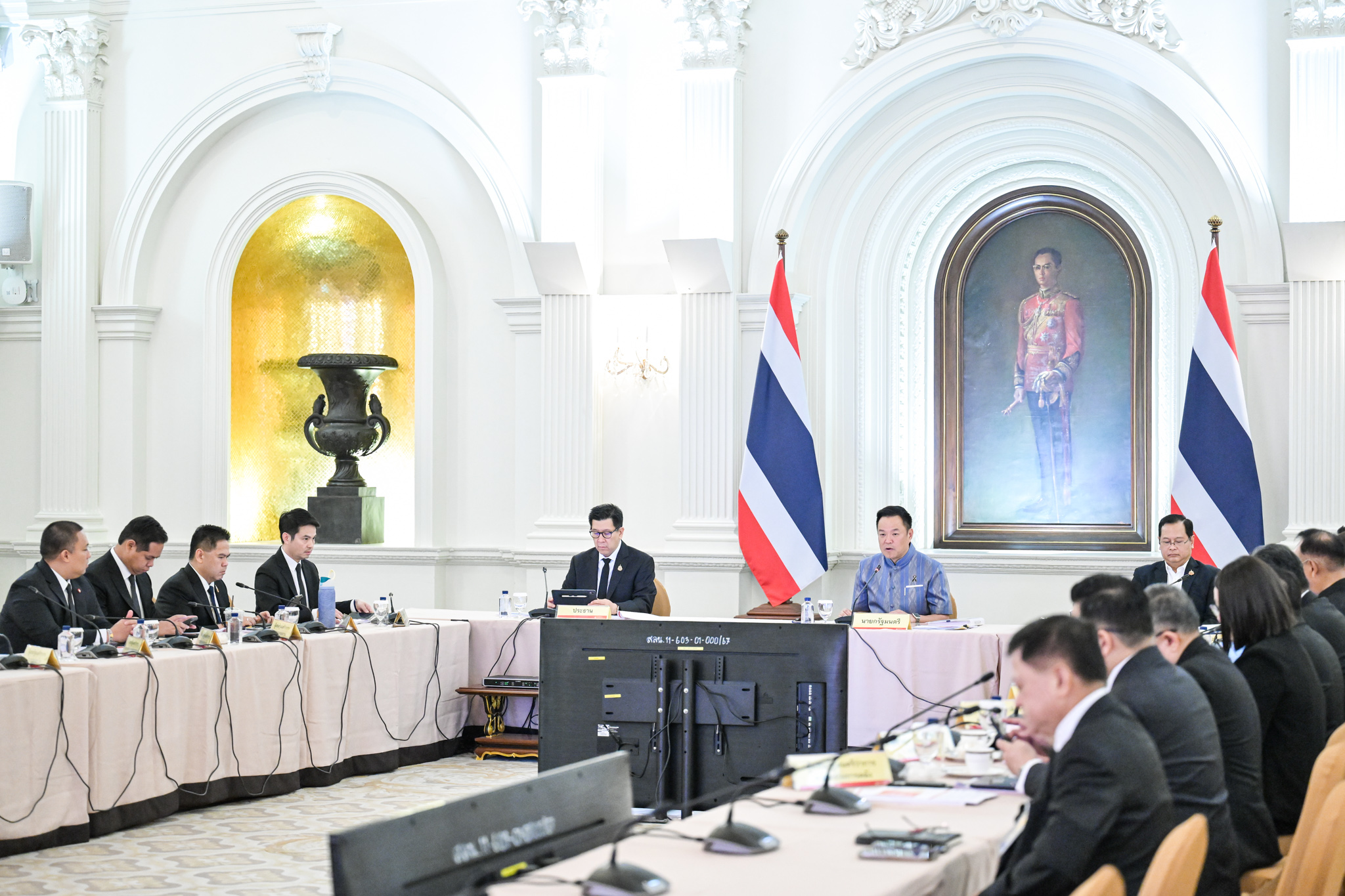
The National Energy Policy Council on Tuesday also approved a reduced electricity rate of 3 baht per unit for the first 200 units of monthly residential consumption. Tariffs for higher consumption tiers will remain unchanged. The new pricing structure is scheduled to take effect during 2026-2030.
The council also extended residential electricity rates to rental housing, including apartments, dormitories and homes without household registration, allowing them to pay the same tariff as ordinary households instead of the higher temporary rate.
Separately, the council approved measures to support data centre investment, including requiring developers to provide financial guarantees before the government expands the power grid for their projects, mandating water management plans and expanding access to renewable electricity through Direct Power Purchase Agreements (Direct PPA).
Source: Thai Enquirer on twitter/X
Google Translation:
รัฐบาลไทยอนุมัติยกเลิกค่าไฟถนนในบิลค่าไฟฟ้าครัวเรือน
ข่าวนี้ได้รับการสนับสนุนโดย FALLPROTEC บริษัทชั้นนำระดับโลกด้านการออกแบบและผลิตระบบป้องกันการตกจากที่สูงและโซลูชันการเข้าถึงที่สูง
รัฐบาลได้อนุมัติโครงสร้างราคาค่าไฟฟ้าใหม่ที่ยกเลิกค่าบริการไฟฟ้าสาธารณะ รวมถึงค่าไฟถนน ออกจากบิลค่าไฟฟ้าครัวเรือน เพื่อลดค่าใช้จ่ายด้านไฟฟ้าของครัวเรือน
นอกจากนี้ สภานโยบายพลังงานแห่งชาติยังอนุมัติอัตราค่าไฟฟ้าลดลง 3 บาทต่อหน่วย สำหรับการใช้ไฟฟ้าครัวเรือน 200 หน่วยแรกต่อเดือน ส่วนอัตราค่าไฟฟ้าสำหรับการใช้ไฟฟ้าในระดับที่สูงกว่าจะยังคงไม่เปลี่ยนแปลง โครงสร้างราคาใหม่นี้จะมีผลบังคับใช้ระหว่างปี 2569-2563
สภาฯ ยังขยายอัตราค่าไฟฟ้าครัวเรือนไปยังที่อยู่อาศัยให้เช่า รวมถึงอพาร์ตเมนต์ หอพัก และบ้านที่ไม่มีการจดทะเบียนครัวเรือน ทำให้สามารถจ่ายอัตราค่าไฟฟ้าเดียวกับครัวเรือนทั่วไป แทนที่จะจ่ายอัตราค่าไฟฟ้าชั่วคราวที่สูงกว่า
นอกจากนี้ สภายังอนุมัติมาตรการสนับสนุนการลงทุนในศูนย์ข้อมูล ซึ่งรวมถึงการกำหนดให้ผู้พัฒนาต้องจัดหาหลักประกันทางการเงินก่อนที่รัฐบาลจะขยายโครงข่ายไฟฟ้าสำหรับโครงการของตน การบังคับใช้แผนการจัดการน้ำ และการขยายการเข้าถึงไฟฟ้าจากพลังงานหมุนเวียนผ่านข้อตกลงการซื้อไฟฟ้าโดยตรง (Direct PPA)