 Myanmar moves to revive its China-backed Myitsone dam project
THIS NEWS ARTICLE KINDLY SPONSORED BY FALLPROTEC, A WORLD-RENOWNED NAME IN THE DESIGN AND MANUFACTURE OF PREMIUM FALL PROTECTION SYSTEMS AND HEIGHT ACCESS SOLUTIONS
Myanmar’s government is preparing to restart the long-delayed Myitsone hydropower project, reviving one of the country’s most controversial infrastructure developments after more than a decade of suspension.
Myanmar’s government is preparing to restart the long-delayed Myitsone hydropower project, reviving one of the country’s most controversial infrastructure developments after more than a decade of suspension. Backed by China and valued at $3.6 billion when first approved in 2009, the project was halted in 2011 following widespread public opposition over environmental destruction, community displacement and concerns about Beijing’s growing influence in Myanmar.
The renewed push comes after President Min Aung Hlaing’s recent visit to China, where the project reportedly featured prominently in bilateral discussions. Officials now say construction could begin shortly and be completed within roughly eight years, reflecting closer political and economic cooperation between Naypyidaw and Beijing despite Myanmar’s ongoing civil conflict.
Myanmar prioritises energy security
The government argues that restarting the Myitsone dam is essential to addressing Myanmar’s chronic electricity shortages, which continue to constrain economic development and industrial activity.
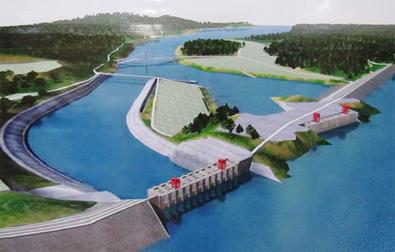
With a planned generating capacity of 6 gigawatts, the project could supply more than half of Myanmar’s estimated electricity demand, making it one of Southeast Asia’s largest hydropower facilities. Officials view the dam as a strategic investment capable of strengthening long-term energy security while supporting broader economic recovery.
MD Briefing delivers expert analysis across five global fronts — the Indo-Pacific, energy, geoeconomics, European security, and the Middle East — every Monday morning. Free.
China deepens its infrastructure footprint
The revival of Myitsone also highlights China’s enduring strategic interest in Myanmar despite years of political instability.
The project forms part of Beijing’s broader effort to strengthen economic connectivity with Myanmar through large-scale infrastructure investments. Resuming construction would reinforce China’s position as Myanmar’s most important economic partner while expanding its influence over the country’s energy sector.
Although previous agreements allocated around 90% of the electricity generated to China, it remains unclear whether those terms have been renegotiated.
Environmental concerns remain unresolved
Despite government assurances, environmental opposition continues to pose a major challenge to the project’s revival.
The dam would flood a vast area around the confluence of the Mali and Nmai rivers, permanently altering ecosystems, affecting biodiversity and displacing local communities. Civil society organisations argue that the environmental costs far outweigh the potential economic benefits, particularly given the project’s location in an ecologically sensitive region.
Government officials say newer engineering technologies can minimise environmental impacts, but critics remain unconvinced that these measures adequately address the long-term ecological consequences.
Earthquake risks add to opposition
Safety concerns have become even more pronounced following Myanmar’s devastating earthquake earlier this year.
The proposed dam site lies in a seismically active region, prompting renewed questions over the structural risks associated with building one of Southeast Asia’s largest dams in an earthquake-prone area.
Officials insist that modern engineering standards and updated construction techniques will ensure the project’s safety, while opponents argue that no technological safeguards can fully eliminate the risks posed by major seismic events.
Political divisions continue to deepen
The project remains politically sensitive more than a decade after it was first suspended.
Local communities, environmental organisations and civil society groups continue to oppose construction, warning that the dam threatens livelihoods, cultural heritage and regional stability. Dozens of organisations have called for the project to be permanently abandoned, arguing that it offers limited benefits for Myanmar while imposing significant social and environmental costs.
At the same time, the government has stepped up efforts to build public support through consultations and outreach initiatives in Kachin State, signalling its determination to move the project forward.
Rising costs could complicate implementation
While originally valued at $3.6 billion, the cost of completing the Myitsone dam could now exceed $11 billion due to higher construction expenses and inflation.
Such a significant increase could require additional Chinese financing and deepen Myanmar’s financial dependence on Beijing. Higher costs may also complicate project implementation at a time when the country’s economy continues to struggle with conflict, sanctions and limited foreign investment.
Implications
Restarting the Myitsone dam would represent one of the most significant infrastructure decisions taken by Myanmar’s current government. The project has implications extending far beyond electricity generation, affecting the country’s environmental policy, relations with China, domestic political stability and long-term development strategy.
For China, successful completion would demonstrate its ability to revive major overseas infrastructure investments despite political uncertainty. For Myanmar, however, the project risks intensifying domestic opposition if concerns over displacement, environmental degradation and unequal economic benefits remain unresolved.
Future Outlook
The government’s renewed commitment suggests the Myitsone project is closer to resuming than at any point since its suspension in 2011. However, construction is likely to face continued political, environmental and financial challenges that could delay implementation.
Progress will depend on the government’s ability to secure financing, address community concerns and maintain stability in Kachin State, where conflict and local resistance remain significant obstacles. Any escalation in civil unrest or renewed opposition could once again threaten the project’s future.
Analysis
The decision to revive Myitsone reflects a broader shift in Myanmar’s strategic priorities toward securing energy supplies and strengthening economic ties with China despite the political risks involved. For the government, the project offers an opportunity to address chronic electricity shortages and showcase large-scale infrastructure development. For Beijing, it represents the revival of a flagship investment that has long symbolised China’s economic ambitions in Myanmar.
Yet the project also illustrates the increasingly difficult balance between development and public acceptance. Unlike many infrastructure projects, Myitsone carries deep symbolic significance because it previously demonstrated the power of public opposition to influence government policy. Restarting construction without broad local support could reignite longstanding grievances and deepen distrust toward both the government and China.
Economically, the project’s viability has also changed considerably. Construction costs have risen sharply since 2009, while Myanmar’s fiscal position has weakened significantly due to years of political instability and conflict. This increases the likelihood of greater Chinese financial involvement, potentially expanding Beijing’s leverage over Myanmar’s strategic infrastructure.
Ultimately, the success of the Myitsone project will depend not only on engineering and financing but also on whether the government can convince the public that the economic benefits outweigh the environmental, social and geopolitical costs. Without that legitimacy, the dam may continue to represent one of Myanmar’s most divisive development projects rather than the national achievement its supporters envision.
With information from Reuters.
Source: https://moderndiplomacy.eu/2026/07/01/myanmar-moves-to-revive-china-backed-myitsone-dam-project/
Google Translation:
เมียนมาร์เตรียมรื้อฟื้นโครงการเขื่อนมิตโซนที่ได้รับการสนับสนุนจากจีน
บทความข่าวนี้ได้รับการสนับสนุนโดย FALLPROTEC บริษัทชั้นนำระดับโลกด้านการออกแบบและผลิตระบบป้องกันการตกจากที่สูงและโซลูชันการเข้าถึงที่สูงระดับพรีเมียม
รัฐบาลเมียนมาร์กำลังเตรียมที่จะเริ่มโครงการโรงไฟฟ้าพลังน้ำมิตโซนที่ล่าช้ามานานอีกครั้ง ซึ่งเป็นการรื้อฟื้นโครงการพัฒนาโครงสร้างพื้นฐานที่ก่อให้เกิดข้อถกเถียงมากที่สุดโครงการหนึ่งของประเทศ หลังจากถูกระงับไปนานกว่าทศวรรษ
รัฐบาลเมียนมาร์กำลังเตรียมที่จะเริ่มโครงการโรงไฟฟ้าพลังน้ำมิตโซนที่ล่าช้ามานานอีกครั้ง ซึ่งเป็นการรื้อฟื้นโครงการพัฒนาโครงสร้างพื้นฐานที่ก่อให้เกิดข้อถกเถียงมากที่สุดโครงการหนึ่งของประเทศ หลังจากถูกระงับไปนานกว่าทศวรรษ โครงการนี้ได้รับการสนับสนุนจากจีนและมีมูลค่า 3.6 พันล้านดอลลาร์สหรัฐเมื่อได้รับการอนุมัติครั้งแรกในปี 2552 แต่ถูกระงับในปี 2554 หลังจากการต่อต้านอย่างกว้างขวางจากประชาชนเกี่ยวกับความเสียหายต่อสิ่งแวดล้อม การพลัดถิ่นของชุมชน และความกังวลเกี่ยวกับอิทธิพลที่เพิ่มขึ้นของปักกิ่งในเมียนมาร์
ความพยายามผลักดันครั้งใหม่นี้เกิดขึ้นหลังจากการเยือนจีนของประธานาธิบดีมิน อ่อง ไหลง์ เมื่อเร็วๆ นี้ ซึ่งมีรายงานว่าโครงการนี้เป็นประเด็นสำคัญในการหารือทวิภาคี เจ้าหน้าที่กล่าวว่าการก่อสร้างอาจเริ่มขึ้นในไม่ช้าและแล้วเสร็จภายในเวลาประมาณแปดปี ซึ่งสะท้อนให้เห็นถึงความร่วมมือทางการเมืองและเศรษฐกิจที่ใกล้ชิดยิ่งขึ้นระหว่างเนปยีดอว์และปักกิ่ง แม้ว่าเมียนมาร์จะเผชิญกับความขัดแย้งภายในประเทศอย่างต่อเนื่องก็ตาม
เมียนมาร์ให้ความสำคัญกับความมั่นคงด้านพลังงาน
รัฐบาลให้เหตุผลว่าการเริ่มต้นโครงการเขื่อนมิตโซนอีกครั้งมีความสำคัญอย่างยิ่งต่อการแก้ไขปัญหาการขาดแคลนไฟฟ้าเรื้อรังของเมียนมาร์ ซึ่งยังคงเป็นอุปสรรคต่อการพัฒนาเศรษฐกิจและกิจกรรมทางอุตสาหกรรม
ด้วยกำลังการผลิตที่วางแผนไว้ 6 กิกะวัตต์ โครงการนี้สามารถจัดหาไฟฟ้าได้มากกว่าครึ่งหนึ่งของความต้องการไฟฟ้าโดยประมาณของเมียนมาร์ ทำให้เป็นหนึ่งในโรงไฟฟ้าพลังน้ำที่ใหญ่ที่สุดในเอเชียตะวันออกเฉียงใต้ เจ้าหน้าที่มองว่าเขื่อนนี้เป็นการลงทุนเชิงกลยุทธ์ที่สามารถเสริมสร้างความมั่นคงด้านพลังงานในระยะยาว ในขณะเดียวกันก็สนับสนุนการฟื้นตัวทางเศรษฐกิจในวงกว้าง
MD Briefing นำเสนอการวิเคราะห์จากผู้เชี่ยวชาญในห้าประเด็นระดับโลก ได้แก่ อินโด-แปซิฟิก พลังงาน ภูมิเศรษฐศาสตร์ ความมั่นคงของยุโรป และตะวันออกกลาง ทุกเช้าวันจันทร์ ฟรี
จีนขยายการลงทุนด้านโครงสร้างพื้นฐาน
การกลับมาก่อสร้างเขื่อนมิตโซนยังเน้นย้ำถึงผลประโยชน์เชิงยุทธศาสตร์ที่ยั่งยืนของจีนในเมียนมาร์ แม้จะเผชิญกับความไม่มั่นคงทางการเมืองมาหลายปี
โครงการนี้เป็นส่วนหนึ่งของความพยายามที่กว้างขึ้นของปักกิ่งในการเสริมสร้างความเชื่อมโยงทางเศรษฐกิจกับเมียนมาร์ผ่านการลงทุนด้านโครงสร้างพื้นฐานขนาดใหญ่ การกลับมาก่อสร้างอีกครั้งจะเสริมสร้างตำแหน่งของจีนในฐานะหุ้นส่วนทางเศรษฐกิจที่สำคัญที่สุดของเมียนมาร์ ขณะเดียวกันก็ขยายอิทธิพลของจีนในภาคพลังงานของประเทศ
แม้ว่าข้อตกลงก่อนหน้านี้จะจัดสรรไฟฟ้าที่ผลิตได้ประมาณ 90% ให้กับจีน แต่ก็ยังไม่ชัดเจนว่าเงื่อนไขเหล่านั้นได้รับการเจรจาใหม่หรือไม่
ข้อกังวลด้านสิ่งแวดล้อมยังคงไม่ได้รับการแก้ไข
แม้จะมีการรับรองจากรัฐบาล แต่การต่อต้านด้านสิ่งแวดล้อมยังคงเป็นความท้าทายสำคัญต่อการกลับมาก่อสร้างโครงการ
เขื่อนจะทำให้พื้นที่กว้างใหญ่รอบจุดบรรจบของแม่น้ำมาลีและแม่น้ำนไมจมอยู่ใต้น้ำ เปลี่ยนแปลงระบบนิเวศอย่างถาวร ส่งผลกระทบต่อความหลากหลายทางชีวภาพ และทำให้ชุมชนท้องถิ่นต้องพลัดถิ่น องค์กรภาคประชาสังคมโต้แย้งว่าต้นทุนด้านสิ่งแวดล้อมนั้นสูงกว่าผลประโยชน์ทางเศรษฐกิจที่อาจเกิดขึ้น โดยเฉพาะอย่างยิ่งเมื่อพิจารณาจากที่ตั้งของโครงการในภูมิภาคที่มีความอ่อนไหวทางนิเวศวิทยา
เจ้าหน้าที่รัฐบาลกล่าวว่าเทคโนโลยีทางวิศวกรรมที่ทันสมัยสามารถลดผลกระทบต่อสิ่งแวดล้อมได้ แต่ผู้คัดค้านยังคงไม่เชื่อมั่นว่ามาตรการเหล่านี้จะแก้ไขผลกระทบทางนิเวศวิทยาในระยะยาวได้อย่างเพียงพอ
ความเสี่ยงจากแผ่นดินไหวเพิ่มแรงต่อต้าน
ความกังวลด้านความปลอดภัยยิ่งเด่นชัดขึ้นหลังจากเกิดแผ่นดินไหวครั้งร้ายแรงในเมียนมาร์เมื่อต้นปีนี้
พื้นที่ที่เสนอให้สร้างเขื่อนอยู่ในภูมิภาคที่มีกิจกรรมทางแผ่นดินไหวสูง ทำให้เกิดคำถามขึ้นอีกครั้งเกี่ยวกับความเสี่ยงด้านโครงสร้างที่เกี่ยวข้องกับการสร้างเขื่อนที่ใหญ่ที่สุดแห่งหนึ่งในเอเชียตะวันออกเฉียงใต้ในพื้นที่เสี่ยงแผ่นดินไหว
เจ้าหน้าที่ยืนยันว่ามาตรฐานทางวิศวกรรมที่ทันสมัยและเทคนิคการก่อสร้างที่ทันสมัยจะรับประกันความปลอดภัยของโครงการ ในขณะที่ฝ่ายคัดค้านโต้แย้งว่าไม่มีมาตรการป้องกันทางเทคโนโลยีใดที่จะสามารถขจัดความเสี่ยงที่เกิดจากเหตุการณ์แผ่นดินไหวครั้งใหญ่ได้อย่างสมบูรณ์
ความแตกแยกทางการเมืองยังคงลึกซึ้งขึ้น
โครงการนี้ยังคงเป็นประเด็นอ่อนไหวทางการเมืองมากกว่าสิบปีหลังจากที่ถูกระงับไปครั้งแรก
ชุมชนท้องถิ่น องค์กรด้านสิ่งแวดล้อม และกลุ่มภาคประชาสังคมยังคงคัดค้านการก่อสร้าง โดยเตือนว่าเขื่อนดังกล่าวคุกคามวิถีชีวิต มรดกทางวัฒนธรรม และเสถียรภาพในภูมิภาค องค์กรหลายสิบแห่งเรียกร้องให้ยกเลิกโครงการนี้อย่างถาวร โดยให้เหตุผลว่าโครงการนี้ให้ประโยชน์ต่อเมียนมาร์เพียงเล็กน้อย ในขณะที่ก่อให้เกิดต้นทุนทางสังคมและสิ่งแวดล้อมอย่างมาก
ในขณะเดียวกัน รัฐบาลได้เพิ่มความพยายามในการสร้างการสนับสนุนจากประชาชนผ่านการปรึกษาหารือและโครงการริเริ่มต่างๆ ในรัฐคะฉิ่น ซึ่งแสดงให้เห็นถึงความมุ่งมั่นที่จะผลักดันโครงการนี้ต่อไป
ต้นทุนที่สูงขึ้นอาจทำให้การดำเนินงานซับซ้อนขึ้น
ในขณะที่เดิมทีมีมูลค่า 3.6 พันล้านดอลลาร์สหรัฐ ต้นทุนในการสร้างเขื่อนมิตโซนอาจสูงเกิน 11 พันล้านดอลลาร์สหรัฐ เนื่องจากค่าใช้จ่ายในการก่อสร้างที่สูงขึ้นและภาวะเงินเฟ้อ
การเพิ่มขึ้นอย่างมีนัยสำคัญเช่นนี้ อาจต้องใช้เงินทุนเพิ่มเติมจากจีน และจะทำให้เมียนมาร์พึ่งพาทางการเงินจากปักกิ่งมากขึ้น ต้นทุนที่สูงขึ้นอาจทำให้การดำเนินโครงการซับซ้อนขึ้น ในขณะที่เศรษฐกิจของประเทศยังคงดิ้นรนกับความขัดแย้ง การคว่ำบาตร และการลงทุนจากต่างประเทศที่จำกัด
ผลกระทบ
การเริ่มต้นโครงการเขื่อนมิตโซนอีกครั้ง จะเป็นหนึ่งในการตัดสินใจด้านโครงสร้างพื้นฐานที่สำคัญที่สุดของรัฐบาลเมียนมาร์ในปัจจุบัน โครงการนี้มีผลกระทบที่กว้างไกลเกินกว่าการผลิตไฟฟ้า โดยส่งผลต่อแนวนโยบายด้านสิ่งแวดล้อม ความสัมพันธ์กับจีน เสถียรภาพทางการเมืองภายในประเทศ และกลยุทธ์การพัฒนาในระยะยาว
สำหรับจีน การดำเนินการให้สำเร็จจะแสดงให้เห็นถึงความสามารถในการฟื้นฟูการลงทุนด้านโครงสร้างพื้นฐานในต่างประเทศขนาดใหญ่ แม้จะมีความไม่แน่นอนทางการเมืองก็ตาม อย่างไรก็ตาม สำหรับเมียนมาร์ โครงการนี้มีความเสี่ยงที่จะทำให้เกิดการต่อต้านภายในประเทศมากขึ้น หากความกังวลเกี่ยวกับการพลัดถิ่น การเสื่อมโทรมของสิ่งแวดล้อม และผลประโยชน์ทางเศรษฐกิจที่ไม่เท่าเทียมกันยังคงไม่ได้รับการแก้ไข
แนวโน้มในอนาคต
ความมุ่งมั่นของรัฐบาลที่กลับมาดำเนินการอีกครั้ง บ่งชี้ว่าโครงการมิตโซนใกล้จะกลับมาดำเนินการต่อมากกว่าช่วงใดๆ นับตั้งแต่ถูกระงับในปี 2011 อย่างไรก็ตาม การก่อสร้างมีแนวโน้มที่จะเผชิญกับความท้าทายทางการเมือง สิ่งแวดล้อม และการเงินอย่างต่อเนื่อง ซึ่งอาจทำให้การดำเนินการล่าช้า
ความคืบหน้าจะขึ้นอยู่กับความสามารถของรัฐบาลในการจัดหาเงินทุน แก้ไขข้อกังวลของชุมชน และรักษาเสถียรภาพในรัฐคะฉิ่น ซึ่งความขัดแย้งและการต่อต้านในท้องถิ่นยังคงเป็นอุปสรรคสำคัญ การเพิ่มขึ้นของความไม่สงบในหมู่ประชาชนหรือการต่อต้านที่เกิดขึ้นอีกครั้งอาจคุกคามอนาคตของโครงการได้อีกครั้ง
การวิเคราะห์
การตัดสินใจที่จะฟื้นฟูโครงการมิตโซนสะท้อนให้เห็นถึงการเปลี่ยนแปลงในลำดับความสำคัญเชิงกลยุทธ์ของเมียนมาร์ไปสู่การรักษาความมั่นคงด้านพลังงานและการเสริมสร้างความสัมพันธ์ทางเศรษฐกิจกับจีน แม้จะมีความเสี่ยงทางการเมืองก็ตาม สำหรับรัฐบาล โครงการนี้เป็นโอกาสในการแก้ไขปัญหาการขาดแคลนไฟฟ้าเรื้อรังและแสดงให้เห็นถึงการพัฒนาโครงสร้างพื้นฐานขนาดใหญ่ สำหรับปักกิ่ง โครงการนี้แสดงถึงการฟื้นฟูการลงทุนที่สำคัญซึ่งเป็นสัญลักษณ์ของความทะเยอทะยานทางเศรษฐกิจของจีนในเมียนมาร์มาอย่างยาวนาน
อย่างไรก็ตาม โครงการนี้ยังแสดงให้เห็นถึงความสมดุลที่ยากขึ้นเรื่อยๆ ระหว่างการพัฒนาและการยอมรับของประชาชน แตกต่างจากโครงการโครงสร้างพื้นฐานอื่นๆ โครงการมิตโซนมีความสำคัญเชิงสัญลักษณ์อย่างลึกซึ้ง เพราะก่อนหน้านี้ได้แสดงให้เห็นถึงพลังของการต่อต้านของประชาชนในการมีอิทธิพลต่อนโยบายของรัฐบาล การเริ่มต้นการก่อสร้างใหม่โดยปราศจากการสนับสนุนจากคนในท้องถิ่นอย่างกว้างขวางอาจจุดประกายความไม่พอใจที่มีมานานและทำให้ความไม่ไว้วางใจต่อทั้งรัฐบาลและจีนลึกซึ้งยิ่งขึ้น
ในแง่เศรษฐกิจ ความเป็นไปได้ของโครงการก็เปลี่ยนแปลงไปอย่างมากเช่นกัน ต้นทุนการก่อสร้างเพิ่มสูงขึ้นอย่างมากตั้งแต่ปี 2552 ในขณะที่สถานะทางการคลังของเมียนมาร์อ่อนแอลงอย่างมากเนื่องจากความไม่มั่นคงทางการเมืองและความขัดแย้งมาหลายปี สิ่งนี้เพิ่มโอกาสที่จีนจะเข้ามามีส่วนร่วมทางการเงินมากขึ้น ซึ่งอาจเป็นการขยายอิทธิพลของปักกิ่งเหนือโครงสร้างพื้นฐานเชิงยุทธศาสตร์ของเมียนมาร์
ท้ายที่สุดแล้ว ความสำเร็จของโครงการเขื่อนมิตโซนจะไม่ขึ้นอยู่กับวิศวกรรมและการเงินเพียงอย่างเดียว แต่ยังขึ้นอยู่กับว่ารัฐบาลจะสามารถโน้มน้าวประชาชนได้หรือไม่ว่าผลประโยชน์ทางเศรษฐกิจนั้นมากกว่าต้นทุนด้านสิ่งแวดล้อม สังคม และภูมิรัฐศาสตร์ หากปราศจากความชอบธรรมนั้น เขื่อนแห่งนี้อาจยังคงเป็นหนึ่งในโครงการพัฒนาที่สร้างความแตกแยกมากที่สุดของเมียนมาร์ แทนที่จะเป็นความสำเร็จระดับชาติอย่างที่ผู้สนับสนุนคาดหวัง
(ข้อมูลจากรอยเตอร์)