
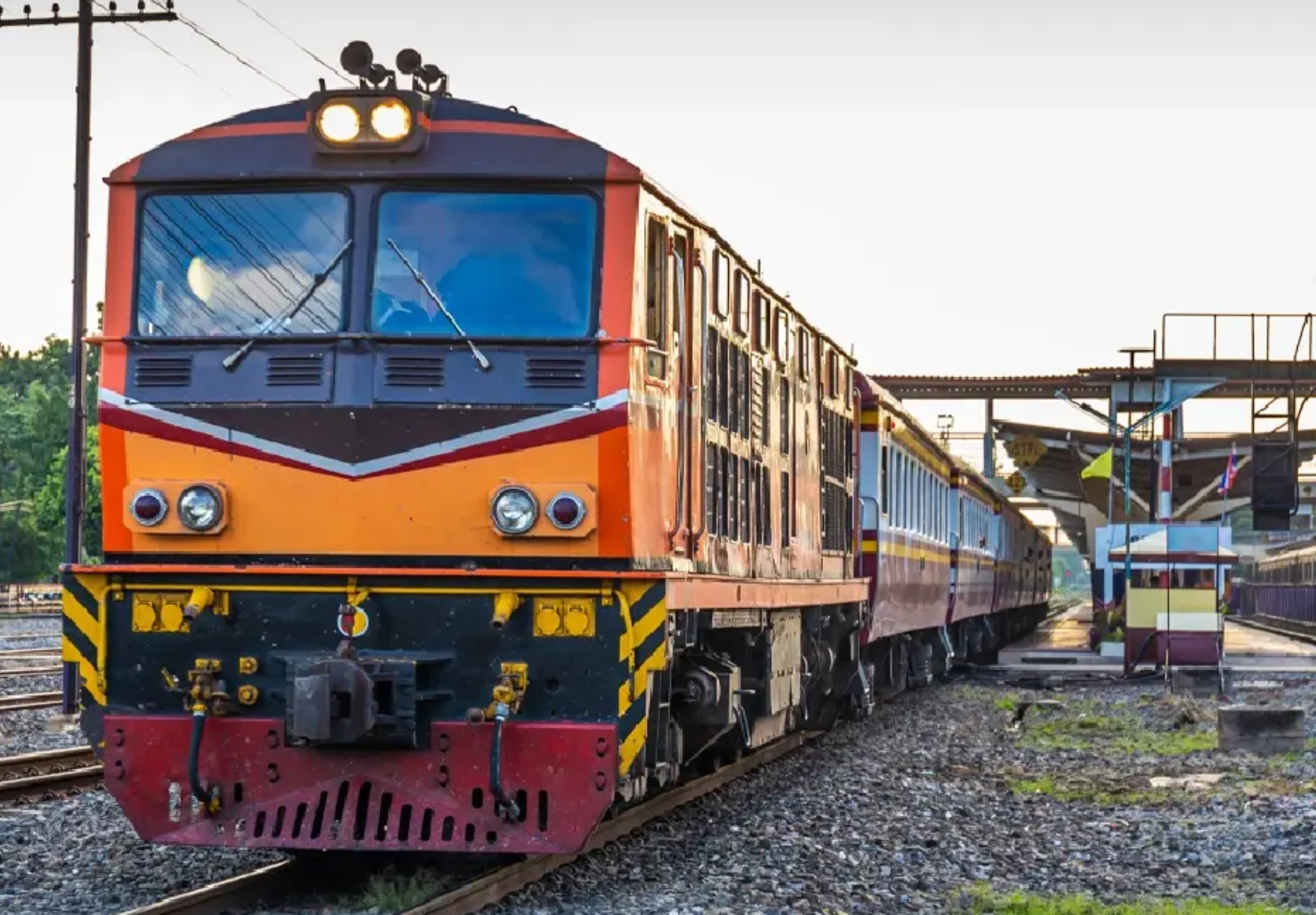
Thailand Opens Rail Network to Private Operators, allowing applications for track access to run passenger, tourism and freight train services
28 June 2026
THIS NEWS ARTICLE KINDLY SPONSORED BY FALLPROTEC, A WORLD-RENOWNED NAME IN THE DESIGN AND MANUFACTURE OF PREMIUM FALL PROTECTION SYSTEMS AND HEIGHT ACCESS SOLUTIONS
Thailand has officially opened its state-owned railway network to private operators for the first time, allowing companies to apply for track access to run passenger, tourism and freight train services. The move follows the publication of the State Railway of Thailand’s 2026 Network Statement and is intended to make use of unused track capacity while creating new transport options, strengthening logistics and generating additional revenue for the state.
The policy is being implemented under Section 70, Paragraph Two of the Rail Transport Act, B.E. 2568 (2025). It comes after years of government investment in dual-track and new railway lines that significantly expanded the national rail network. However, the State Railway of Thailand (SRT) has been unable to purchase enough rolling stock to fully utilise the increased capacity, leaving many track slots unused outside peak periods.
The 598-page Network Statement provides private operators with detailed technical information, infrastructure specifications, access conditions, timetable allocation procedures and routing guidelines. Under Section 73 of the Act, track-sharing agreements will not be treated as traditional Public-Private Partnerships, avoiding lengthy approval processes and instead operating under simplified contracts.
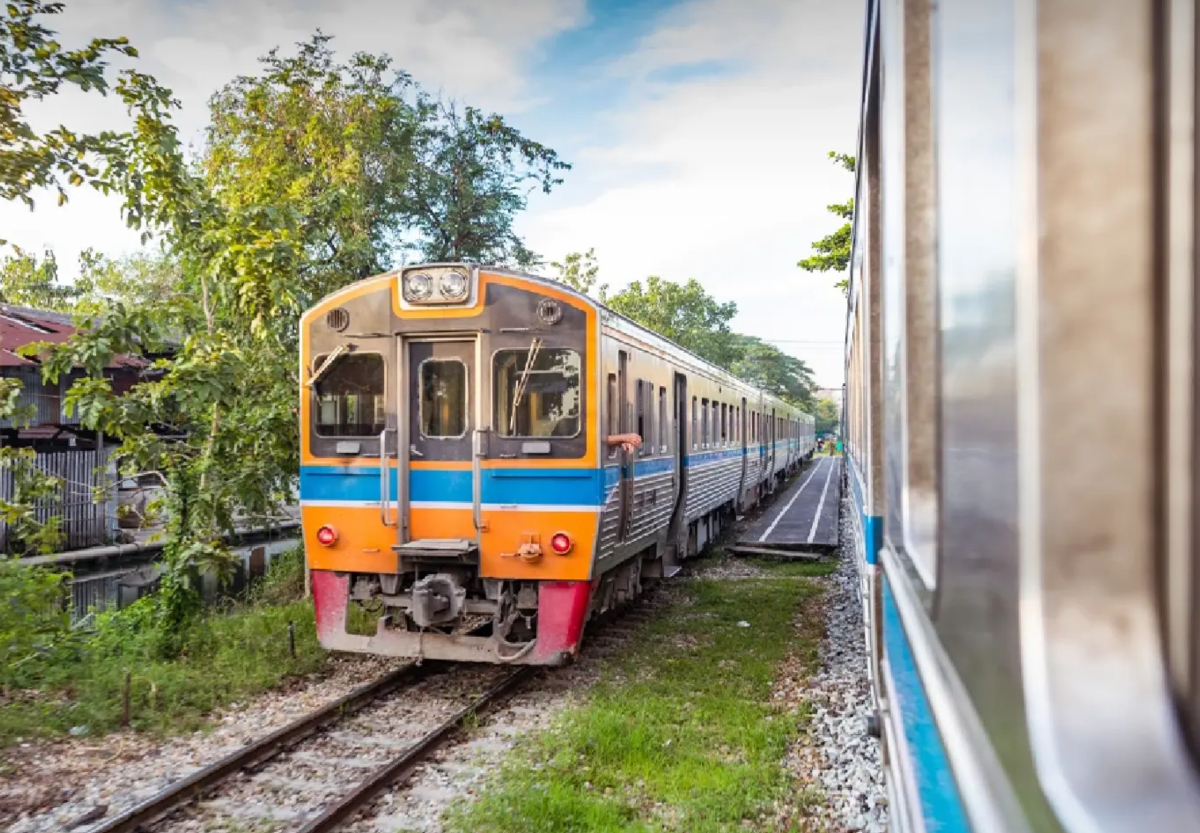
Fixed Track Access Charges have also been introduced. Passenger services will pay 44 baht per carriage per kilometre, with a minimum of four carriages per train. Tourism services will pay 77 baht per carriage per kilometre, while freight operators will be charged 0.2065 baht per tonne-kilometre based on gross tonnage. An example provided by the authorities shows that a four-carriage tourist train travelling from Bangkok to Hua Hin, a distance of 229 kilometres, would pay about 70,532 baht in track access fees for a single journey.
Pichet Kunadhamraks, director-general of the Department of Rail Transport, described the initiative as a major turning point for Thailand’s transport sector. He said the policy would diversify travel options, modernise the logistics industry and improve returns on public infrastructure investment. Acting SRT governor Anan Phonimdang added that increased competition should encourage investment throughout the logistics sector while lowering costs and improving service standards for passengers.
The Nation reported that the policy is now entering its final regulatory stage, with the Cabinet considering appointments to a new Rail Transport Slot Allocation Committee. The independent body will oversee timetable allocation and prevent scheduling conflicts. The SRT said all access decisions will comply with Section 68 of the Rail Transport Act, ensuring neutrality, transparency and non-discrimination. The full 2026 Network Statement is now available for public download through the SRT’s official website.
Adapted by ASEAN Now Nation 28 June 2026
Source: https://aseannow.com/thailand-news/thailand-opens-rail-network-to-private-operators-r2513/
Google Translation:
ประเทศไทยเปิดเครือข่ายรถไฟให้ผู้ประกอบการเอกชน อนุญาตให้ยื่นขอใช้เส้นทางรถไฟเพื่อให้บริการรถไฟโดยสาร รถไฟท่องเที่ยว และรถไฟขนส่งสินค้า
ภาพประกอบจากหนังสือพิมพ์เดอะเนชั่น
ข่าวนี้ได้รับการสนับสนุนโดย FALLPROTEC บริษัทชั้นนำระดับโลกด้านการออกแบบและผลิตระบบป้องกันการตกจากที่สูงและโซลูชั่นการเข้าถึงที่สูง
ประเทศไทยได้เปิดเครือข่ายรถไฟของรัฐให้ผู้ประกอบการเอกชนเป็นครั้งแรกอย่างเป็นทางการ โดยอนุญาตให้บริษัทต่างๆ ยื่นขอใช้เส้นทางรถไฟเพื่อให้บริการรถไฟโดยสาร รถไฟท่องเที่ยว และรถไฟขนส่งสินค้า การดำเนินการดังกล่าวเป็นไปตามการประกาศแผนเครือข่ายรถไฟปี 2026 ของการรถไฟแห่งประเทศไทย และมีวัตถุประสงค์เพื่อใช้ประโยชน์จากความจุของเส้นทางรถไฟที่ไม่ได้ใช้งาน ในขณะเดียวกันก็สร้างทางเลือกการขนส่งใหม่ๆ เสริมสร้างระบบโลจิสติกส์ และสร้างรายได้เพิ่มเติมให้กับรัฐ
นโยบายนี้ดำเนินการภายใต้มาตรา 70 วรรคสอง แห่งพระราชบัญญัติการขนส่งทางราง พ.ศ. 2568 (2025) มาตรการนี้เกิดขึ้นหลังจากที่รัฐบาลได้ลงทุนอย่างหนักในด้านรางคู่และเส้นทางรถไฟใหม่มาหลายปี ซึ่งได้ขยายเครือข่ายรถไฟแห่งชาติอย่างมีนัยสำคัญ อย่างไรก็ตาม การรถไฟแห่งประเทศไทย (รฟ.ท.) ไม่สามารถจัดซื้อขบวนรถได้เพียงพอที่จะใช้ประโยชน์จากความจุที่เพิ่มขึ้นอย่างเต็มที่ ทำให้รางรถไฟหลายเส้นไม่ได้ใช้งานนอกช่วงเวลาเร่งด่วน
เอกสารแสดงรายละเอียดเครือข่ายรถไฟ (Network Statement) จำนวน 598 หน้า ให้ข้อมูลทางเทคนิคโดยละเอียด ข้อกำหนดด้านโครงสร้างพื้นฐาน เงื่อนไขการเข้าใช้ ขั้นตอนการจัดสรรตารางเวลา และแนวทางการกำหนดเส้นทางแก่ผู้ประกอบการภาคเอกชน ภายใต้มาตรา 73 ของพระราชบัญญัติ ข้อตกลงการใช้รางรถไฟร่วมกันจะไม่ถือเป็นความร่วมมือระหว่างภาครัฐและเอกชนแบบดั้งเดิม ทำให้ไม่ต้องผ่านกระบวนการอนุมัติที่ยุ่งยาก และดำเนินการภายใต้สัญญาที่ง่ายขึ้น
นอกจากนี้ยังมีการกำหนดค่าธรรมเนียมการใช้รางรถไฟแบบคงที่ บริการผู้โดยสารจะจ่าย 44 บาทต่อตู้ต่อกิโลเมตร โดยมีอย่างน้อย 4 ตู้ต่อขบวน บริการท่องเที่ยวจะจ่าย 77 บาทต่อตู้ต่อกิโลเมตร ในขณะที่ผู้ประกอบการขนส่งสินค้าจะถูกเรียกเก็บ 0.2065 บาทต่อตันต่อกิโลเมตร โดยคิดจากน้ำหนักรวม ตัวอย่างที่หน่วยงานที่เกี่ยวข้องยกมาแสดงให้เห็นว่า รถไฟท่องเที่ยว 4 โบกี้ ที่เดินทางจากกรุงเทพฯ ไปหัวหิน ระยะทาง 229 กิโลเมตร จะต้องเสียค่าธรรมเนียมการใช้รางประมาณ 70,532 บาท สำหรับการเดินทางเที่ยวเดียว
พิเชษฐ์ คุณธรรมรักษ์ อธิบดีกรมการขนส่งทางราง กล่าวว่า โครงการนี้เป็นจุดเปลี่ยนครั้งสำคัญของภาคการขนส่งของประเทศไทย เขากล่าวว่า นโยบายนี้จะช่วยเพิ่มทางเลือกในการเดินทาง ปรับปรุงอุตสาหกรรมโลจิสติกส์ให้ทันสมัย และเพิ่มผลตอบแทนจากการลงทุนในโครงสร้างพื้นฐานของรัฐ นายอนันต์ โภนิมดัง ผู้ว่าราชการจังหวัด รักษาการแทน กล่าวเสริมว่า การแข่งขันที่เพิ่มขึ้นจะกระตุ้นการลงทุนในภาคโลจิสติกส์โดยรวม พร้อมทั้งลดต้นทุนและปรับปรุงมาตรฐานการบริการสำหรับผู้โดยสาร
หนังสือพิมพ์เดอะเนชั่นรายงานว่า ขณะนี้นโยบายดังกล่าวกำลังเข้าสู่ขั้นตอนการกำกับดูแลขั้นสุดท้าย โดยคณะรัฐมนตรีกำลังพิจารณาแต่งตั้งคณะกรรมการจัดสรรตารางเวลาเดินรถชุดใหม่ หน่วยงานอิสระนี้จะกำกับดูแลการจัดสรรตารางเวลาและป้องกันความขัดแย้งด้านตารางเวลา การรถไฟแห่งประเทศไทย (รฟ.ท.) กล่าวว่า การตัดสินใจเรื่องการใช้รางทั้งหมดจะเป็นไปตามมาตรา 68 แห่งพระราชบัญญัติการขนส่งทางราง เพื่อให้เกิดความเป็นกลาง โปร่งใส และไม่เลือกปฏิบัติ แถลงการณ์เครือข่ายฉบับเต็มปี 2026 พร้อมให้ดาวน์โหลดแล้วทางเว็บไซต์อย่างเป็นทางการของ SRT
เรียบเรียงโดย ASEAN Now Nation 28 มิถุนายน 2026

