 Bangkok riverside land values climb around heritage districts
24 June 2026
THIS NEWS ARTICLE KINDLY SPONSORED BY FALLPROTEC, A WORLD-RENOWNED NAME IN THE DESIGN AND MANUFACTURE OF PREMIUM FALL PROTECTION SYSTEMS AND HEIGHT ACCESS SOLUTIONS
- Land prices in Bangkok’s riverside heritage areas, including Charoen Nakhon and Charoen Krung, have climbed dramatically, rising from under THB25,000 to as high as THB250,000 per square meter.
- The value increase is driven by different factors on each side of the river: Charoen Nakhon’s growth is fueled by modern mega-projects like ICONSIAM and new mass transit, while Charoen Krung’s is based on its cultural heritage, creative economy, and land scarcity.
- Major landmark developments, including ICONSIAM, Lhong 1919, and ASIATIQUE The Riverfront, have acted as key catalysts, turning these districts into global destinations and boosting property demand.
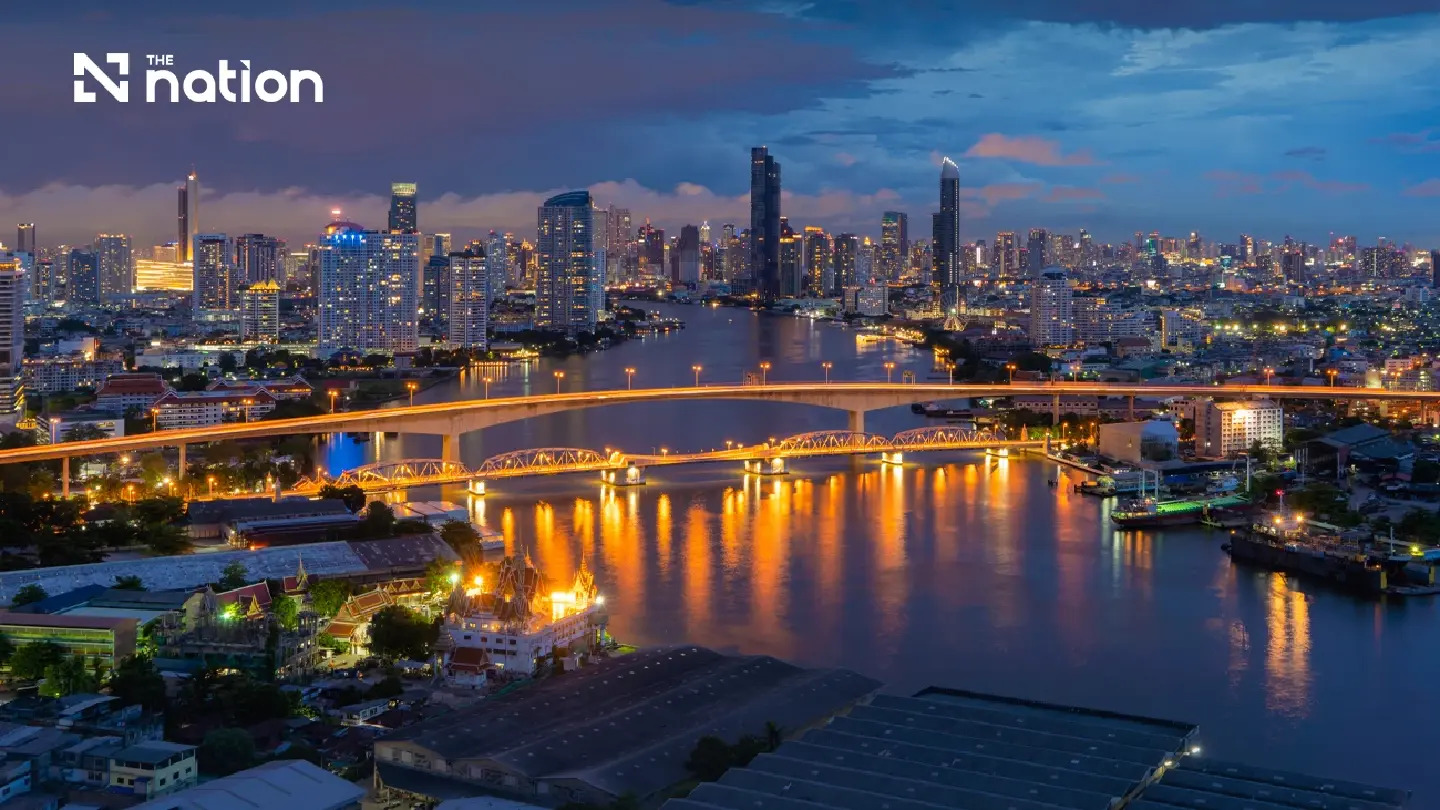
Among Bangkok’s prime land locations with strong potential and the most public discussion, few rival the Charoen Nakhon, Charoen Krung and Khlong San areas across the Phra Nakhon and Thon Buri sides.
The Chao Phraya River runs through the middle, drawing the two banks together.
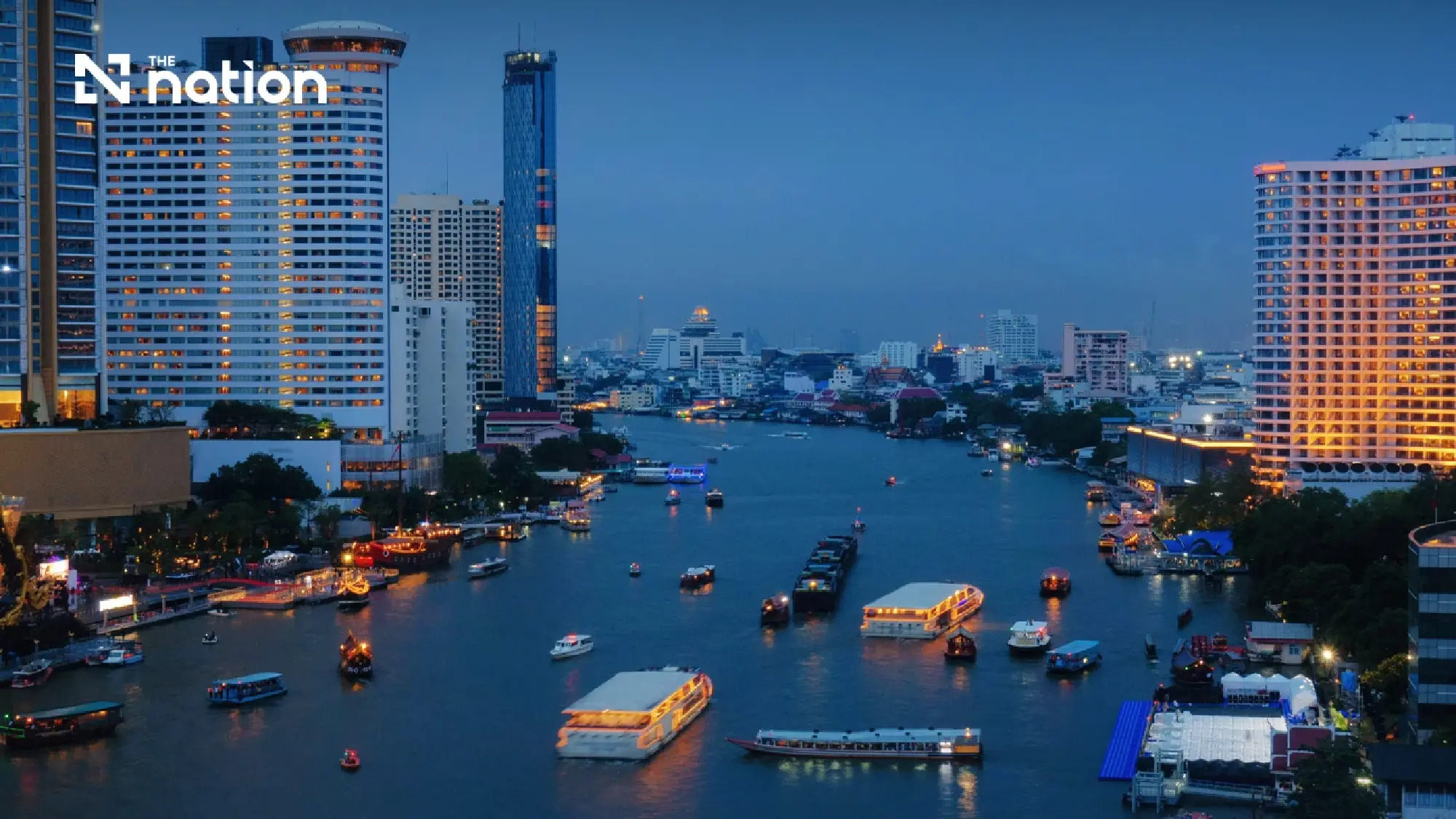 Today, the area is filled with condominium projects, luxury hotels and premium shopping centres.
Land prices have risen from below THB25,000 per square metre to no less than THB125,000 and as high as THB250,000 per square metre, with further increases likely as investment and economic value in the area continue to grow.
Starting with Charoen Nakhon, the area is regarded as one of the high-potential locations on the Thon Buri side.
Its strengths come from large-scale riverside development along the Chao Phraya River, mass-transit connections and the continued growth of mid-range to luxury residential projects.
Bangkok riverside land values climb around heritage districts
Factors supporting Charoen Nakhon’s continued growth
The most visible factor is the clear improvement in transport, which has connected the area more closely with the Phra Nakhon side.
This includes road and expressway networks and rail systems.
The Gold Line helps connect Charoen Nakhon to the BTS network via Krung Thon Buri Station, making travel to central business district (CBD) areas such as Sathon, Silom and Sukhumvit much more convenient.
What has made Charoen Nakhon better known is the launch of ICONSIAM, the riverside shopping centre that turned the area into a global landmark, drawing tourists, operators, retailers, hotels and premium property projects.
This has caused land values and housing demand to rise continuously.
Adjoining the site is Magnolias Waterfront Residences at ICONSIAM, which, at 317.95 metres and 70 storeys, is one of the tallest residential buildings in Bangkok and the tallest in Thailand at the time.
Investment by large investors and property developers has made Chao Phraya riverside land increasingly scarce and pushed prices higher.
Charoen Nakhon is one of the few Bangkok areas still offering riverfront land for new development, but supply is becoming limited, creating long-term price support, particularly for upper-end condominium and mixed-use projects.
The expansion of a new business centre on the Thon Buri side
The Khlong San–Charoen Nakhon area has clearly changed from a traditional residential and garden-house district into a new economic centre for trade, tourism and riverside business, increasing demand for both housing and commercial space.
In particular, the development of Lhong 1919 by Asset World Corp Public Company Limited (AWC), led by Wallapa Traisorat, an heir of tycoon Charoen, is a large project in the Charoen Nakhon–Khlong San area near ICONSIAM.
With an investment of more than THB5 billion, it aims to revitalise the historic riverside area along the Chao Phraya River into a world-class destination.
The core project is the ultra-luxury hotel The Ritz-Carlton Bangkok, The Riverside.
The development will combine 19th-century historic buildings with a 20-storey contemporary building and 192 rooms, while retaining the Mazu Shrine as a spiritual centre.
Also in the area is The Jam Factory, a relaxed community mall in old warehouses with a leafy atmosphere, coffee shops, a bookshop and a gallery.
There is also the Guan Yu Shrine (Khlong San), a more than 200-year-old shrine respected by the local community.
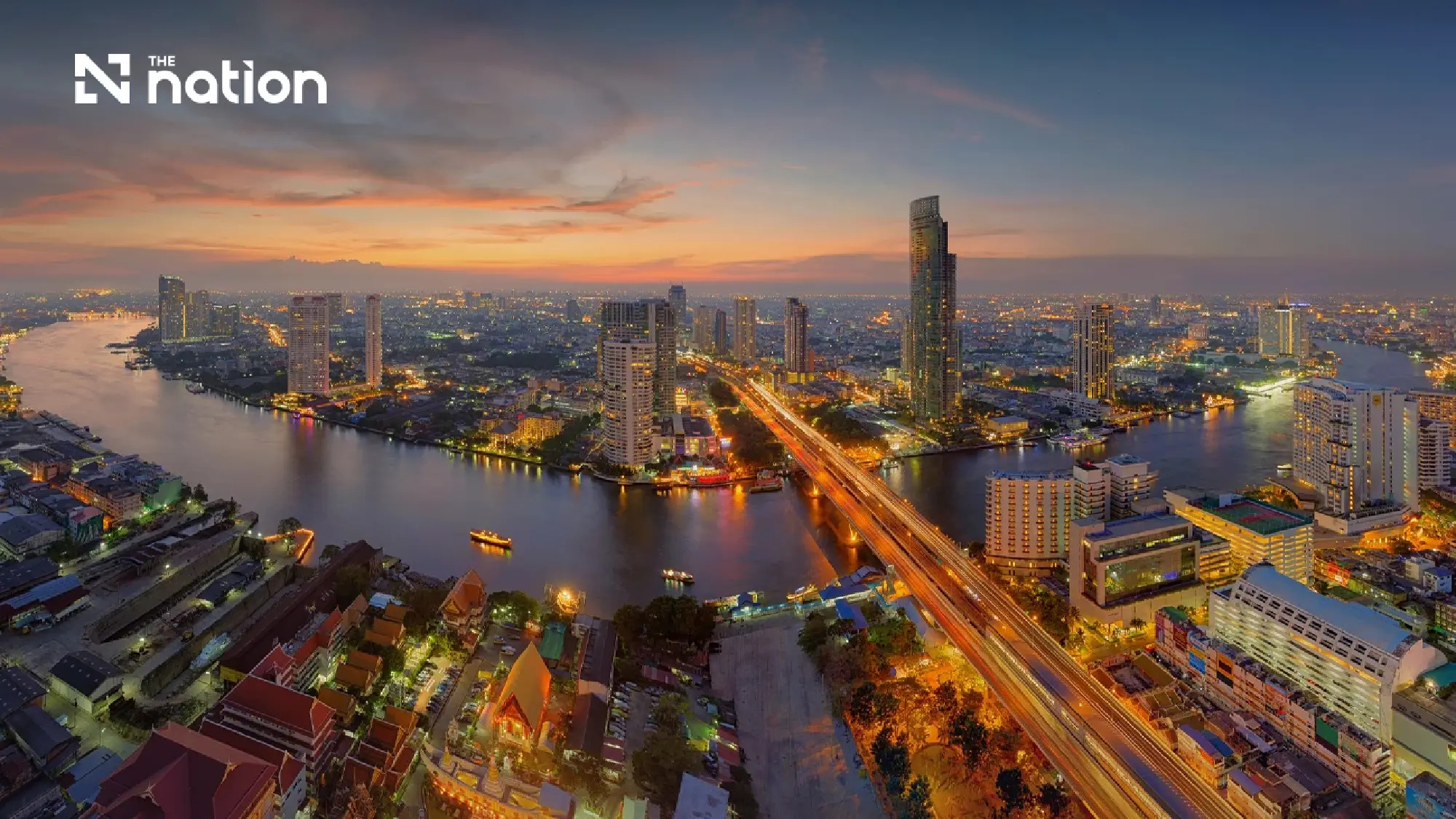 Travel is convenient.
Visitors can take the BTS Silom Line to Saphan Taksin Station and then a cross-river ferry, or use the Gold Line, which connects directly from BTS Krung Thon Buri Station into the heart of Charoen Nakhon and the ICONSIAM shopping centre.
Over the medium to long term, in the next 5–10 years, Charoen Nakhon remains one of Bangkok’s strong locations, owing to its mix of riverside setting, access to the CBD and continued infrastructure development.
It is suitable for both living and property investment.
Compared with Charoen Nakhon, whose selling points are the riverfront, mega-projects and luxury condominiums, the Charoen Krung–Phra Nakhon side has different strengths.
It is a location that has grown more from historical, cultural and creative-economy value than from new urban expansion.
Charoen Krung on the Phra Nakhon side connects business centres
Charoen Krung is Thailand’s first road and was once an important economic centre of Bangkok before the rise of Silom, Sathon and Sukhumvit.
It still directly connects important economic areas such as Si Phraya, Silom, Sathon, Yaowarat and Hua Lamphong.
The major project highlight is ASIATIQUE The Riverfront Destination, a large open-air riverside shopping centre on the Chao Phraya River, located between Charoen Krung Soi 72 and 76 on Charoen Krung Road, operated by AWC.
The creative economy district boosting Charoen Krung–Talat Noi–Song Wat
Over the past 10 years, the Charoen Krung–Talat Noi–Song Wat area has become a centre for galleries, cafés, boutique hotels, restaurants by new-generation chefs and design studios.
It has been promoted as Bangkok’s “creative economy district”, marking a clear difference from Charoen Nakhon because Charoen Krung’s growth is driven more by lifestyle and culture than by large projects.
Large land plots are limited
The Phra Nakhon side has many conserved buildings, a few remaining large land plots and some planning constraints, making new projects harder to develop than on the Thon Buri side from an investment perspective.
This is an advantage because good assets in this location are highly scarce, or carry strong scarcity value, and often retain value well over the long term.
Interesting businesses include boutique hotels, high-quality hostels, co-working spaces, restaurants and cafés, renovated shophouses and small-scale mixed-use developments, particularly around Talat Noi, Song Wat, Si Phraya and early Charoen Krung, which continue to gain popularity among tourists and younger people.
However, while the area is close to the central business district (CBD), traffic congestion is relatively heavy, and access to mass transit is still not as convenient as in some sections along Sukhumvit or Sathon.
Importantly, leapfrog development is difficult.
Those expecting growth similar to Rama IX, Bang Na or Charoen Nakhon may not see that pattern in Charoen Krung because the area is constrained by the old urban structure and conservation requirements.
At the same time, Charoen Krung is a relatively long road, running from Bang Rak, Si Phraya and Talat Noi to Phra Nakhon and Yaowarat, with land prices and potential varying greatly by section.
Overall, Charoen Nakhon has grown from large projects and new urban development, while Charoen Krung on the Phra Nakhon side has grown from land scarcity, cultural heritage and the creative economy.
For 10–20-year long-term investment, Charoen Krung on the Phra Nakhon side resembles regenerated old-town districts in major cities around the world: prices may not rise the fastest, but the area is likely to preserve and increase value because it cannot be newly created and has a strong identity.
Source: https://www.nationthailand.com/business/property/40067797
Google Translation:
ราคาที่ดินริมแม่น้ำในเขตมรดกทางวัฒนธรรมของกรุงเทพฯ พุ่งสูงขึ้น
24 มิถุนายน 2569
บทความข่าวนี้ได้รับการสนับสนุนโดย FALLPROTEC บริษัทชั้นนำระดับโลกด้านการออกแบบและผลิตระบบป้องกันการตกจากที่สูงและโซลูชันการเข้าถึงที่สูงระดับพรีเมียม
ราคาที่ดินในเขตมรดกทางวัฒนธรรมริมแม่น้ำของกรุงเทพฯ รวมถึงเจริญนครและเจริญกรุง พุ่งสูงขึ้นอย่างมาก จากต่ำกว่า 25,000 บาท ไปจนถึง 250,000 บาทต่อตารางเมตร
การเพิ่มขึ้นของราคาเกิดจากปัจจัยที่แตกต่างกันในแต่ละฝั่งแม่น้ำ: การเติบโตของเจริญนครได้รับแรงหนุนจากโครงการขนาดใหญ่สมัยใหม่ เช่น ICONSIAM และระบบขนส่งมวลชนใหม่ ในขณะที่เจริญกรุงมีพื้นฐานมาจากมรดกทางวัฒนธรรม เศรษฐกิจสร้างสรรค์ และความขาดแคลนที่ดิน
โครงการพัฒนาอสังหาริมทรัพย์ขนาดใหญ่ เช่น ICONSIAM, Lhong 1919 และ ASIATIQUE The Riverfront ได้ทำหน้าที่เป็นตัวเร่งสำคัญ เปลี่ยนย่านเหล่านี้ให้กลายเป็นจุดหมายปลายทางระดับโลก และกระตุ้นความต้องการด้านอสังหาริมทรัพย์
ในบรรดาทำเลทองของกรุงเทพฯ ที่มีศักยภาพสูงและเป็นที่พูดถึงมากที่สุด มีไม่กี่แห่งที่จะเทียบได้กับพื้นที่เจริญนคร เจริญกรุง และคลองสาน ซึ่งอยู่ฝั่งพระนครและธนบุรี
แม่น้ำเจ้าพระยาไหลผ่านตรงกลาง เชื่อมสองฝั่งแม่น้ำเข้าด้วยกัน
ปัจจุบัน พื้นที่นี้เต็มไปด้วยโครงการคอนโดมิเนียม โรงแรมหรู และศูนย์การค้าระดับพรีเมียม
ราคาที่ดินเพิ่มขึ้นจากต่ำกว่า 25,000 บาทต่อตารางเมตร เป็นไม่ต่ำกว่า 125,000 บาท และสูงถึง 250,000 บาทต่อตารางเมตร และคาดว่าจะเพิ่มขึ้นอีก เนื่องจากมูลค่าการลงทุนและเศรษฐกิจในพื้นที่ยังคงเติบโตอย่างต่อเนื่อง
เริ่มต้นจากเจริญนคร พื้นที่นี้ถือเป็นหนึ่งในทำเลที่มีศักยภาพสูงที่สุดในฝั่งธนบุรี
จุดแข็งของพื้นที่นี้มาจากการพัฒนาพื้นที่ริมแม่น้ำเจ้าพระยาขนาดใหญ่ การเชื่อมต่อระบบขนส่งมวลชน และการเติบโตอย่างต่อเนื่องของโครงการที่อยู่อาศัยระดับกลางถึงระดับหรู
มูลค่าที่ดินริมแม่น้ำในกรุงเทพฯ พุ่งสูงขึ้นรอบๆ ย่านมรดกทางวัฒนธรรม
ปัจจัยสนับสนุนการเติบโตอย่างต่อเนื่องของเจริญนคร
ปัจจัยที่เห็นได้ชัดที่สุดคือการพัฒนาด้านการขนส่งที่ดีขึ้น ซึ่งเชื่อมต่อพื้นที่กับฝั่งพระนครได้อย่างใกล้ชิดยิ่งขึ้น
ซึ่งรวมถึงเครือข่ายถนนและทางด่วน และระบบรถไฟ
รถไฟฟ้าสายสีทองช่วยเชื่อมต่อเจริญนครกับเครือข่ายรถไฟฟ้า BTS ผ่านสถานีกรุงธนบุรี ทำให้การเดินทางไปยังย่านธุรกิจใจกลางเมือง (CBD) เช่น สาทร สีลม และสุขุมวิท สะดวกสบายยิ่งขึ้น
สิ่งที่ทำให้เจริญนครเป็นที่รู้จักมากขึ้นคือการเปิดตัว ICONSIAM ศูนย์การค้าริมแม่น้ำที่เปลี่ยนพื้นที่ให้กลายเป็นแลนด์มาร์คระดับโลก ดึงดูดนักท่องเที่ยว ผู้ประกอบการ ร้านค้า โรงแรม และโครงการอสังหาริมทรัพย์ระดับพรีเมียม
สิ่งนี้ทำให้มูลค่าที่ดินและความต้องการที่อยู่อาศัยเพิ่มขึ้นอย่างต่อเนื่อง
ที่ดินแปลงนี้ติดกับโครงการ Magnolias Waterfront Residences at ICONSIAM ซึ่งมีความสูง 317.95 เมตร และ 70 ชั้น นับเป็นหนึ่งในอาคารที่พักอาศัยที่สูงที่สุดในกรุงเทพฯ และสูงที่สุดในประเทศไทยในขณะนั้น
การลงทุนจากนักลงทุนรายใหญ่และผู้พัฒนาอสังหาริมทรัพย์ทำให้ที่ดินริมแม่น้ำเจ้าพระยาหายากขึ้นเรื่อยๆ และผลักดันราคาให้สูงขึ้น
เจริญนครเป็นหนึ่งในไม่กี่พื้นที่ในกรุงเทพฯ ที่ยังคงมีที่ดินริมแม่น้ำให้พัฒนาใหม่ แต่ปริมาณที่ดินกำลังลดลง ทำให้ราคาที่ดินได้รับการสนับสนุนในระยะยาว โดยเฉพาะอย่างยิ่งสำหรับคอนโดมิเนียมระดับไฮเอนด์และโครงการแบบผสมผสาน
การขยายตัวของศูนย์ธุรกิจใหม่ทางฝั่งธนบุรี
พื้นที่คลองสาน-เจริญนครได้เปลี่ยนจากย่านที่อยู่อาศัยและสวนแบบดั้งเดิมไปเป็นศูนย์กลางทางเศรษฐกิจแห่งใหม่สำหรับการค้า การท่องเที่ยว และธุรกิจริมแม่น้ำ ทำให้ความต้องการทั้งที่อยู่อาศัยและพื้นที่เชิงพาณิชย์เพิ่มขึ้น
โดยเฉพาะอย่างยิ่ง โครงการพัฒนา Lhong 1919 โดยบริษัท แอสเซท เวิลด์ คอร์ป จำกัด (มหาชน) (AWC) นำโดยนายวัลภา ไตรโสรัตน์ ทายาทมหาเศรษฐีเจริญ เป็นโครงการขนาดใหญ่ในพื้นที่เจริญนคร-คลองสาน ใกล้กับไอคอนสยาม
ด้วยเงินลงทุนกว่า 5 พันล้านบาท โครงการนี้มีเป้าหมายที่จะฟื้นฟูพื้นที่ริมแม่น้ำเจ้าพระยาอันเก่าแก่ให้กลายเป็นแหล่งท่องเที่ยวระดับโลก
โครงการหลักคือโรงแรมหรูระดับอัลตร้าลักซ์ชัวรี เดอะ ริทซ์-คาร์ลตัน กรุงเทพฯ เดอะ ริเวอร์ไซด์
โครงการนี้จะผสมผสานอาคารเก่าแก่สมัยศตวรรษที่ 19 เข้ากับอาคารร่วมสมัยสูง 20 ชั้น จำนวน 192 ห้อง โดยยังคงรักษาศาลเจ้ากวนอิมไว้เป็นศูนย์กลางทางจิตวิญญาณ
นอกจากนี้ ในบริเวณเดียวกันยังมี เดอะ แจม แฟคทอรี่ ศูนย์การค้าชุมชนบรรยากาศสบายๆ ในโกดังเก่า ที่มีร้านกาแฟ ร้านหนังสือ และแกลเลอรี่
และยังมีศาลเจ้ากวนอิม (คลองสาน) ศาลเจ้าอายุมากกว่า 200 ปี ที่ชาวบ้านให้ความเคารพนับถือ
การเดินทางสะดวกสบาย
นักท่องเที่ยวสามารถนั่งรถไฟฟ้า BTS สายสีลมไปลงสถานีสะพานตากสิน แล้วต่อเรือข้ามฟาก หรือใช้รถไฟฟ้าสายสีทอง ซึ่งเชื่อมต่อโดยตรงจากสถานีรถไฟฟ้า BTS กรุงธนบุรีไปยังใจกลางเจริญนครและศูนย์การค้าไอคอนเซียม
ในระยะกลางถึงระยะยาว ในอีก 5-10 ปีข้างหน้า เจริญนครยังคงเป็นหนึ่งในทำเลที่แข็งแกร่งของกรุงเทพฯ เนื่องจากมีทำเลริมแม่น้ำ การเข้าถึงย่านธุรกิจใจกลางเมือง และการพัฒนาโครงสร้างพื้นฐานอย่างต่อเนื่อง
เหมาะสำหรับทั้งการอยู่อาศัยและการลงทุนด้านอสังหาริมทรัพย์
เมื่อเทียบกับเจริญนคร ซึ่งมีจุดขายอยู่ที่ริมแม่น้ำ โครงการขนาดใหญ่ และคอนโดมิเนียมหรู ฝั่งเจริญกรุง-พระนครมีจุดแข็งที่แตกต่างออกไป
เป็นทำเลที่เติบโตขึ้นจากคุณค่าทางประวัติศาสตร์ วัฒนธรรม และเศรษฐกิจสร้างสรรค์ มากกว่าการขยายตัวของเมืองใหม่
เจริญกรุงฝั่งพระนครเชื่อมต่อศูนย์กลางธุรกิจต่างๆ
เจริญกรุงเป็นถนนสายแรกของประเทศไทย และเคยเป็นศูนย์กลางเศรษฐกิจที่สำคัญของกรุงเทพฯ ก่อนการเติบโตของสีลม สาทร และสุขุมวิท
ปัจจุบันยังคงเชื่อมต่อพื้นที่เศรษฐกิจสำคัญๆ เช่น สีพระยา สีลม สาทร เยาวราช และหัวลำโพง โดยตรง
โครงการเด่นที่สำคัญคือ ASIATIQUE The Riverfront Destination ศูนย์การค้ากลางแจ้งขนาดใหญ่ริมแม่น้ำเจ้าพระยา ตั้งอยู่ระหว่างซอยเจริญกรุง 72 และ 76 บนถนนเจริญกรุง ดำเนินการโดย AWC
ย่านเศรษฐกิจสร้างสรรค์เจริญกรุง-ตลาดน้อย-สองวัด
ในช่วง 10 ปีที่ผ่านมา ย่านเจริญกรุง-ตลาดน้อย-สองวัดได้กลายเป็นศูนย์กลางของแกลเลอรี่ คาเฟ่ โรงแรมบูติก ร้านอาหารโดยเชฟรุ่นใหม่ และสตูดิโอออกแบบ
ได้รับการส่งเสริมให้เป็น “ย่านเศรษฐกิจสร้างสรรค์” ของกรุงเทพฯ ซึ่งแตกต่างอย่างชัดเจนจากเจริญนคร เพราะการเติบโตของเจริญกรุงนั้นขับเคลื่อนด้วยไลฟ์สไตล์และวัฒนธรรมมากกว่าโครงการขนาดใหญ่
ที่ดินแปลงใหญ่มีจำกัด
ฝั่งพระนครมีอาคารอนุรักษ์จำนวนมาก ที่ดินแปลงใหญ่เหลืออยู่บ้าง และข้อจำกัดด้านการวางผังเมือง ทำให้การพัฒนาโครงการใหม่ๆ ทำได้ยากกว่าฝั่งธนบุรีในแง่ของการลงทุน
นี่เป็นข้อได้เปรียบ เพราะสินทรัพย์ที่ดีในทำเลนี้หายากมาก หรือมีมูลค่าความหายากสูง และมักจะรักษามูลค่าได้ดีในระยะยาว
ธุรกิจที่น่าสนใจในบริเวณนี้ ได้แก่ โรงแรมบูติก โฮสเทลคุณภาพสูง พื้นที่ทำงานร่วมกัน ร้านอาหารและคาเฟ่ อาคารพาณิชย์ที่ได้รับการปรับปรุงใหม่ และโครงการพัฒนาแบบผสมผสานขนาดเล็ก โดยเฉพาะอย่างยิ่งบริเวณตลาดน้อย สองวัด ศรีพระยา และเจริญกรุงตอนต้น ซึ่งยังคงได้รับความนิยมจากนักท่องเที่ยวและคนรุ่นใหม่
อย่างไรก็ตาม แม้ว่าพื้นที่นี้จะอยู่ใกล้กับย่านธุรกิจใจกลางเมือง (CBD) แต่การจราจรติดขัดค่อนข้างมาก และการเข้าถึงระบบขนส่งมวลชนยังไม่สะดวกเท่ากับบางส่วนตามแนวถนนสุขุมวิทหรือสาทร
ที่สำคัญ การพัฒนาแบบก้าวกระโดดทำได้ยาก
ผู้ที่คาดหวังการเติบโตในลักษณะเดียวกับถนนพระรามเก้า บางนา หรือเจริญนคร อาจไม่เห็นรูปแบบนั้นในเจริญกรุง เนื่องจากพื้นที่นี้ถูกจำกัดด้วยโครงสร้างเมืองเก่าและข้อกำหนดด้านการอนุรักษ์
ในขณะเดียวกัน เจริญกรุงเป็นถนนที่ค่อนข้างยาว ทอดยาวจากบางรัก ศรีพระยา และตลาดน้อย ไปจนถึงพระนครและเยาวราช โดยราคาที่ดินและศักยภาพแตกต่างกันอย่างมากในแต่ละส่วน
โดยรวมแล้ว เจริญนครเติบโตจากโครงการขนาดใหญ่และการพัฒนาเมืองใหม่ ในขณะที่เจริญกรุงฝั่งพระนครเติบโตจากปัญหาการขาดแคลนที่ดิน มรดกทางวัฒนธรรม และเศรษฐกิจสร้างสรรค์
สำหรับการลงทุนระยะยาว 10-20 ปี เจริญกรุงฝั่งพระนครมีลักษณะคล้ายกับย่านเมืองเก่าที่ได้รับการฟื้นฟูในเมืองใหญ่ทั่วโลก ราคาอาจไม่เพิ่มขึ้นเร็วที่สุด แต่พื้นที่นั้นมีแนวโน้มที่จะรักษามูลค่าและเพิ่มมูลค่าได้ เพราะไม่สามารถสร้างขึ้นใหม่ได้และมีเอกลักษณ์ที่แข็งแกร่ง