Day-trip from Bangkok to Chachoengsao’s well-known Wat Sothon Wararam
My wife, Thai, is not particularly religious, but there are ‘times’ when she feels in need of a trip to a wat to make merit. Those ‘times’, as examples, can be, when seeking good luck (usually related to lottery tickets), praying due to sickness of self or family members, and even offering of thanks for Phra helping our football team get the result we want, really. Luckily, I also enjoy visiting wats (or churches) for their beautiful architecture and the peace and tranquility. I never find Thai people pay the slightest attention to me when i visit, they just get on with their business and I just blend in – I appreciate that.
When our sons were younger, with Thailand being so hot, our spare time was always spent in airconditioned shopping malls, it’s what people do in Thailand, but now they have ‘flown the roost’, the wife and I often end up visiting wats, particularly when ‘upcountry’ (areas outside of the Bangkok area).
Our closest wats are the huge and well-known Wat Bang Phli Yai Nai (which houses ‘Luang Pho To’ – see below – and has Bang Phli Yai Market ตลาดโบราณบางพลี ) and Wat Bang Phli Yai Klang (with its magnificent chedi – Phra Maha Chedi Phisan Wutthikit Mongkhon Mahachanabushit พระมหาเจดีย์พิศาลวุฒิกิจมงคลมหาชนบูชิต ), but on special occasions the wife likes us to take the one-hour drive to Wat Sothon Wararam Worawihan วัดโสธรวรารามวรวิหาร, a royal temple in Chachoengsao Province, Thailand.
Wat Sothon Wararam
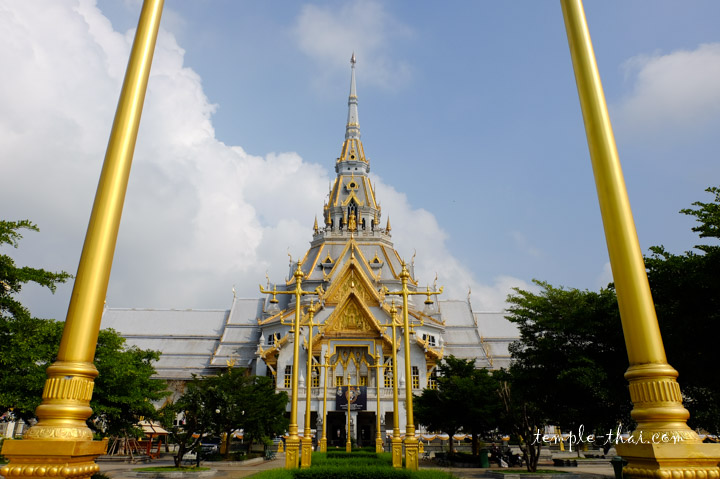
Wat Sothon Wararam, located in the Municipality of Mueang Chachoengsao alongside the Bang Pakong River, was initially named ‘Wat Hong,’ and was built in the late Ayutthaya period.
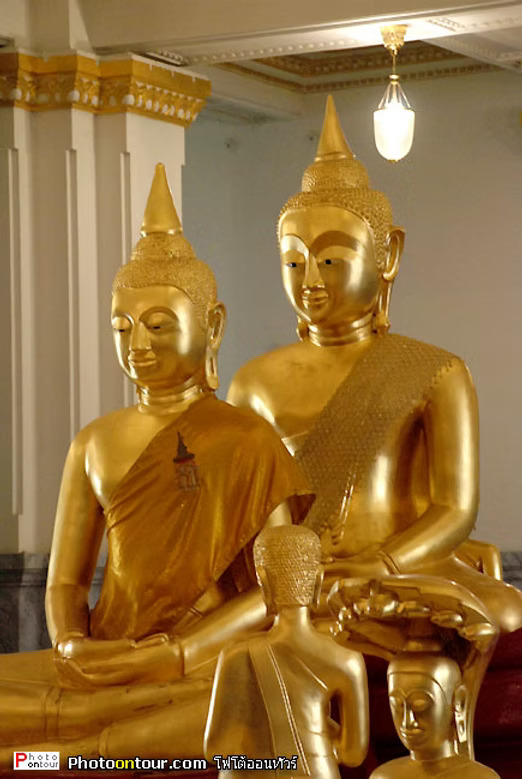 The temple is famous for ‘Luangpho Phuttha Sothon’ statue, the revered Buddha image of Chachoengsao province, which is 1.48 metres high, with a lap width of 1.65 metres, sitting in a cross-legged posture, and enshrined in the main chapel.
The best description I could find to explain Wat Sothon Wararam is on Temple-thai.com.
Temple-thai.com
This website is a labour of love of Frenchman Loris Curtenaz, who describes himself as ‘a temple hunter’, who during a fourteen-month journey through Thailand, visited more or less 1,500 temples in 67 provinces.
Temple-thai.com is my go-to website on Thai temples / wats. It is mainly written in French (nowadays there are also articles in English), but using your phone’s or computer’s translate function, you should be able to translate the articles in to English.
Myth of the “floating Buddhas”
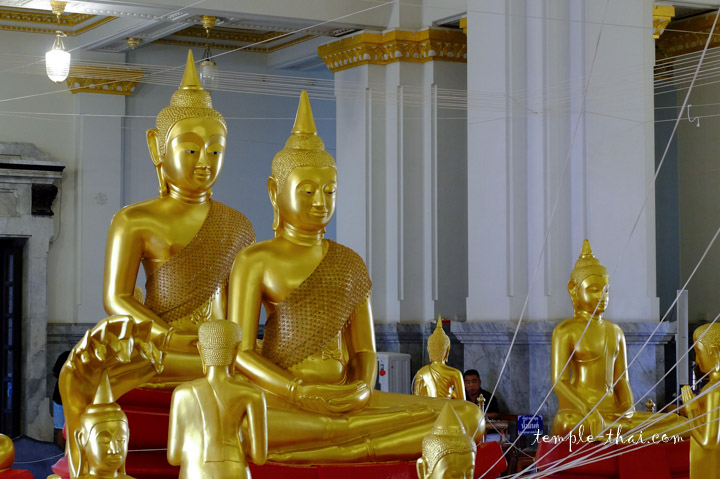 ‘Luangpho Phuttha Sothon’ belongs to the myth of the “floating Buddhas”, who appeared on waterways during upheaval: the other floating Buddhas being ‘Luang Pho Ban Laem’ (Wat Phet Samut Worawihan วัดเพชรสมุทรวรวิหาร หลวงพ่อบ้านแหลม, Samut Songkhram ), ‘Luang Pho To’ of Bang Phli (Wat Bang Phli Yai Nai, Samut Prakan – referred to above), ‘Luang Pho Wat Rai Khing’ (Wat Rai Khing, Nakhon Pathom), and ‘Luang Pho Thong’ (Wat Khao Takrao Luang Pho Thong 5 Phi Nong
วัดเขาตะเคราหลวงพ่อทอง5พี่น้อง Phetchaburi). Each came ashore where the community was ready to care for them; each left a trail of answered vows.
The story of ‘Luangpho Phuttha Sothon’ is that in a season of turmoil, villagers spotted a Buddha image floating against the current of the river Bang Pakong. Ropes were cast, boats pushed out — nothing budged. The abbot then led a quiet rite on the bank: chants, offerings, and a simple request for refuge. Only then did the current slacken. The image drifted ashore as if choosing its own home, and from that day on it was enthroned at Wat Sothon. Originally bronze, later encased in cement and gilded by devotees during unsettled times so that thieves and invaders could neither seize nor damage him. The protection remained, and over generations the gold leaf layered into a radiant skin.
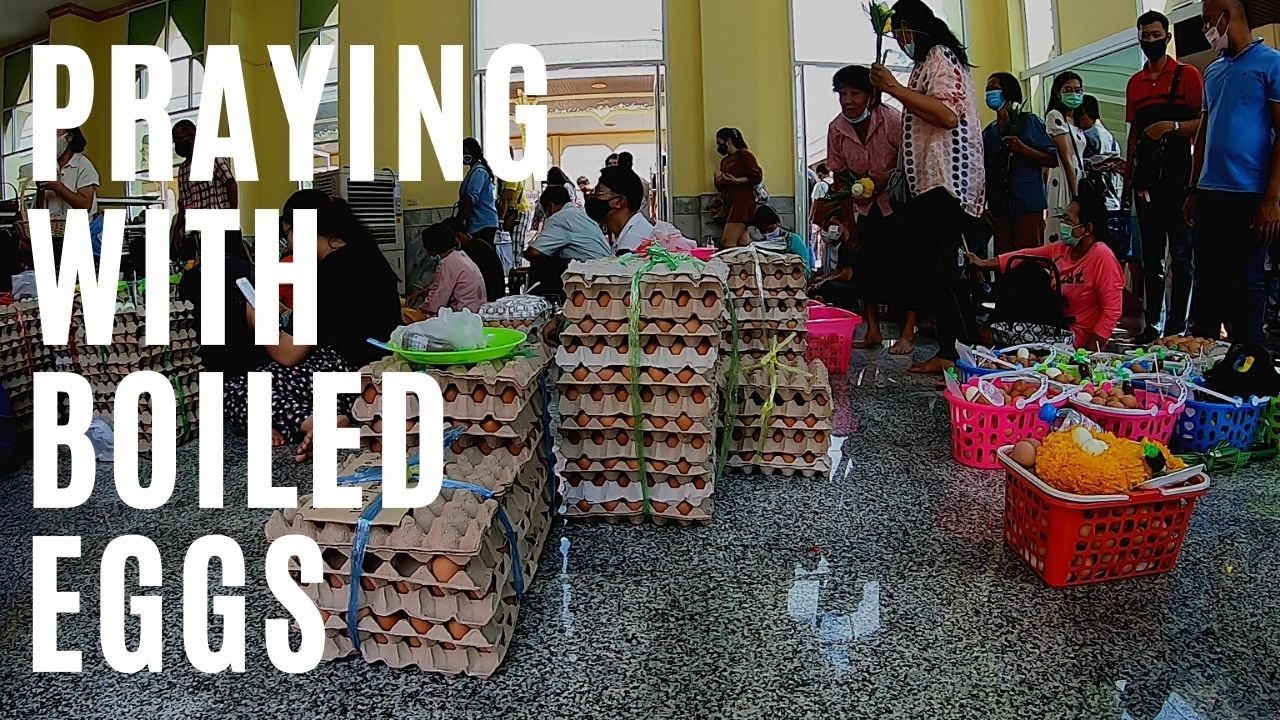 Ask devotees why they come and visit ‘Luangpho Phuttha Sothon’ and the answers are: healing in sickness, protection in danger, prosperity for work and trade. Gratitude takes familiar forms — trays of boiled eggs, bright garlands, and the joyful rhythm of ram thon dance troupes performing before the shrine after wishes are fulfilled. The relationship feels practical and devotional at once: you make merit, you keep your word, and life untangles a little.
Offering boiled eggs at Thai temples
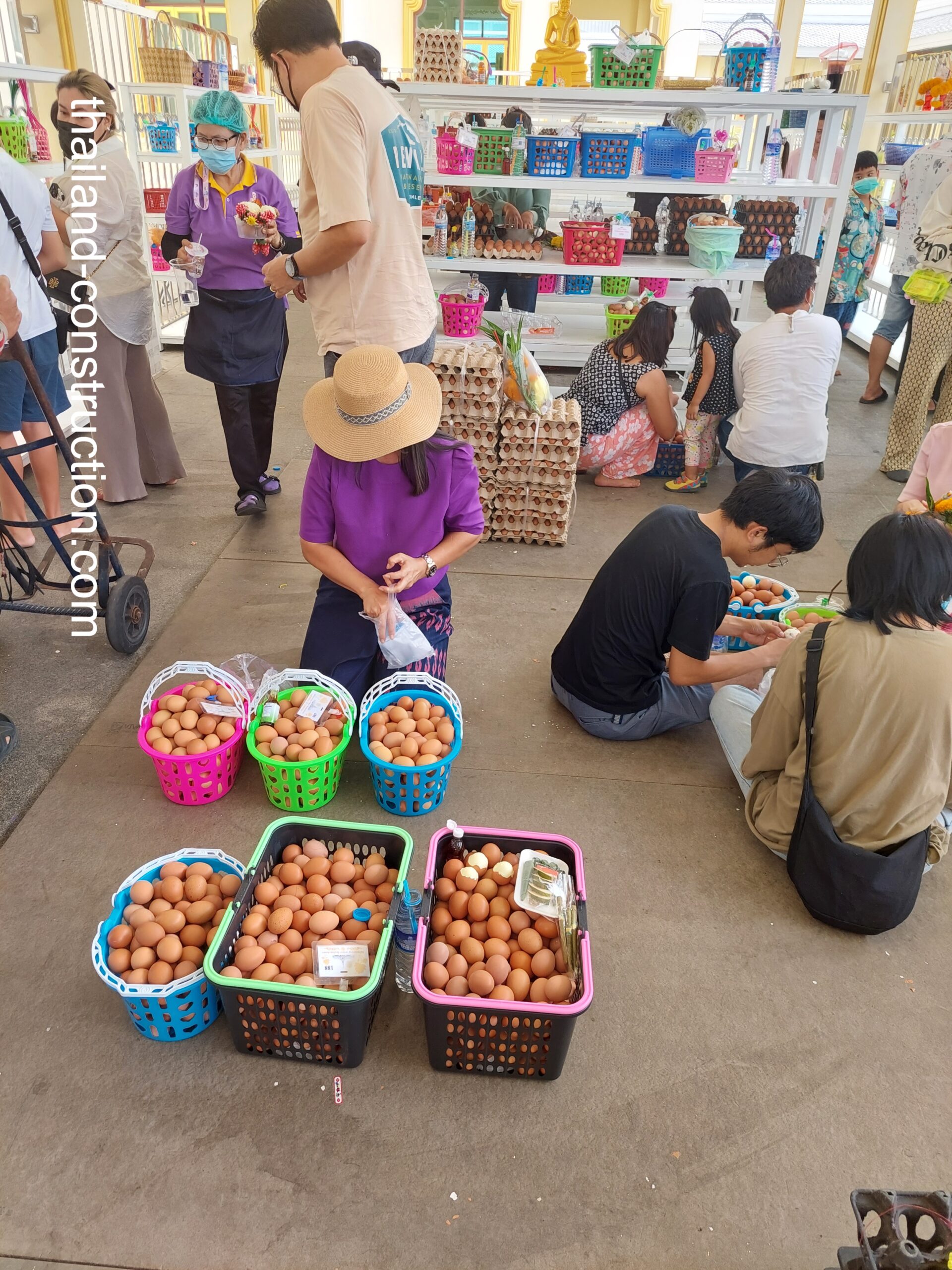
Offering boiled eggs at Thai temples is a common act of devotion, gratitude, and vow-fulfillment (Ka Bon), most notably practiced at Wat Sothon Wararam Worawihan in Chachoengsao and Wat Chedi (Ai Khai – “Egg Boy”) in Nakhon Si Thammarat. Devotees offer from three to thousands of eggs to seek blessings for success, health, and prosperity, often promising the offering in exchange for wishes granted.
Key Aspects of the Tradition
- Why Eggs? Boiled eggs represent a new beginning, life, and good fortune, and are considered a preferred offering for spirits or statues like Luang Por Sothon.
- Process: People often ask for success, such as in business or education, and promise to return with eggs if successful. Some temples, like Wat Sothon, allow bringing the eggs home after they have been “blessed” for good luck.
- Cultural Significance: This practice merges local animist roots—negotiating with spirits for protection—with popular Thai Buddhism.
The offering of eggs is a deeply ingrained cultural practice designed to show gratitude and secure divine assistance.
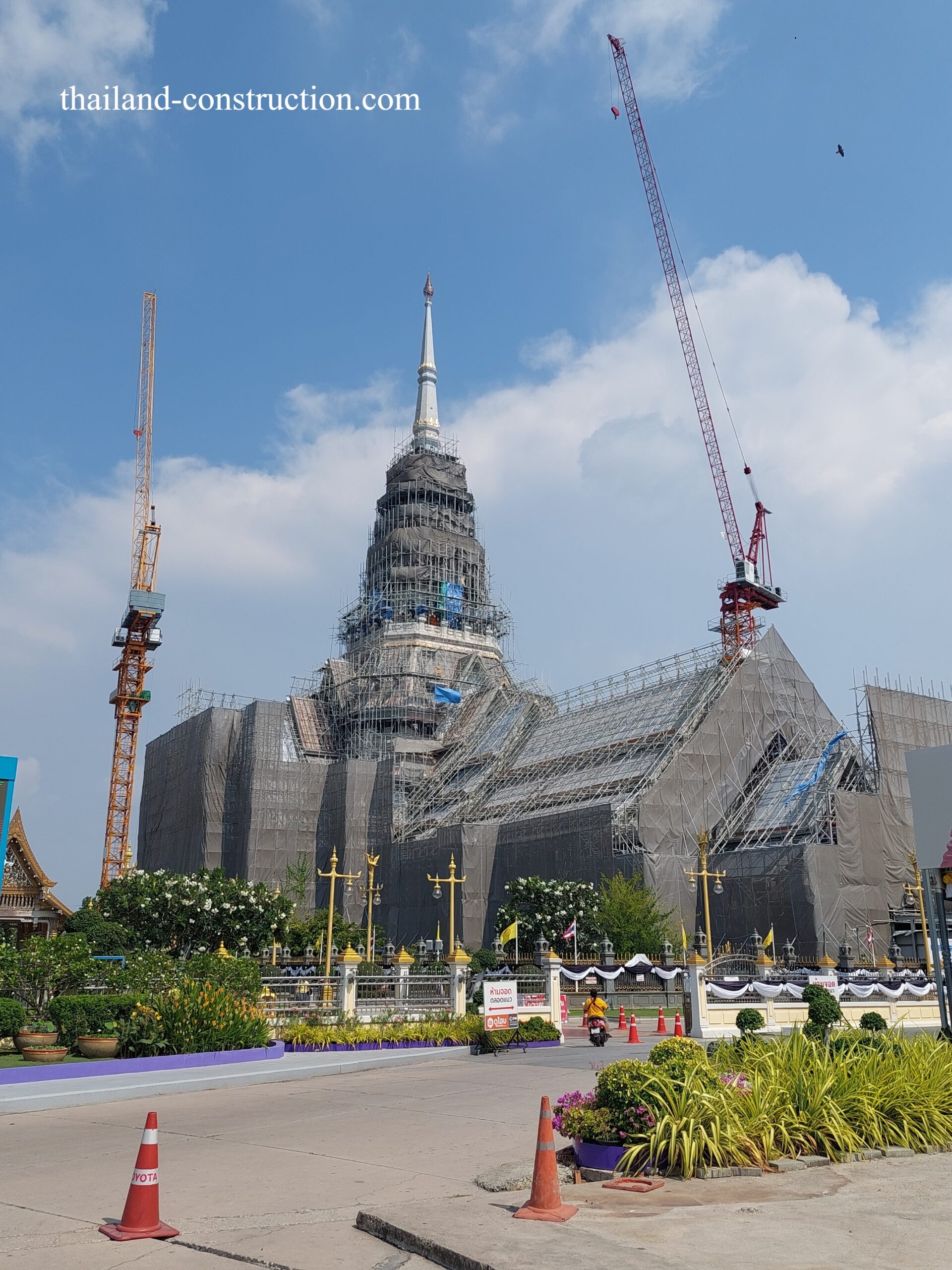
Construction works at Wat Sothon Wararam
The present ubosot is a landmark in its own right: an 84-meter spire, traditional Thai lines meeting modern strength, clad in pale Italian marble that glows in late afternoon light. Pilgrimage peaks during the fifth lunar month, when the river procession and merit-making events recall the image’s arrival by water and the town’s promise to keep the Dhamma close.
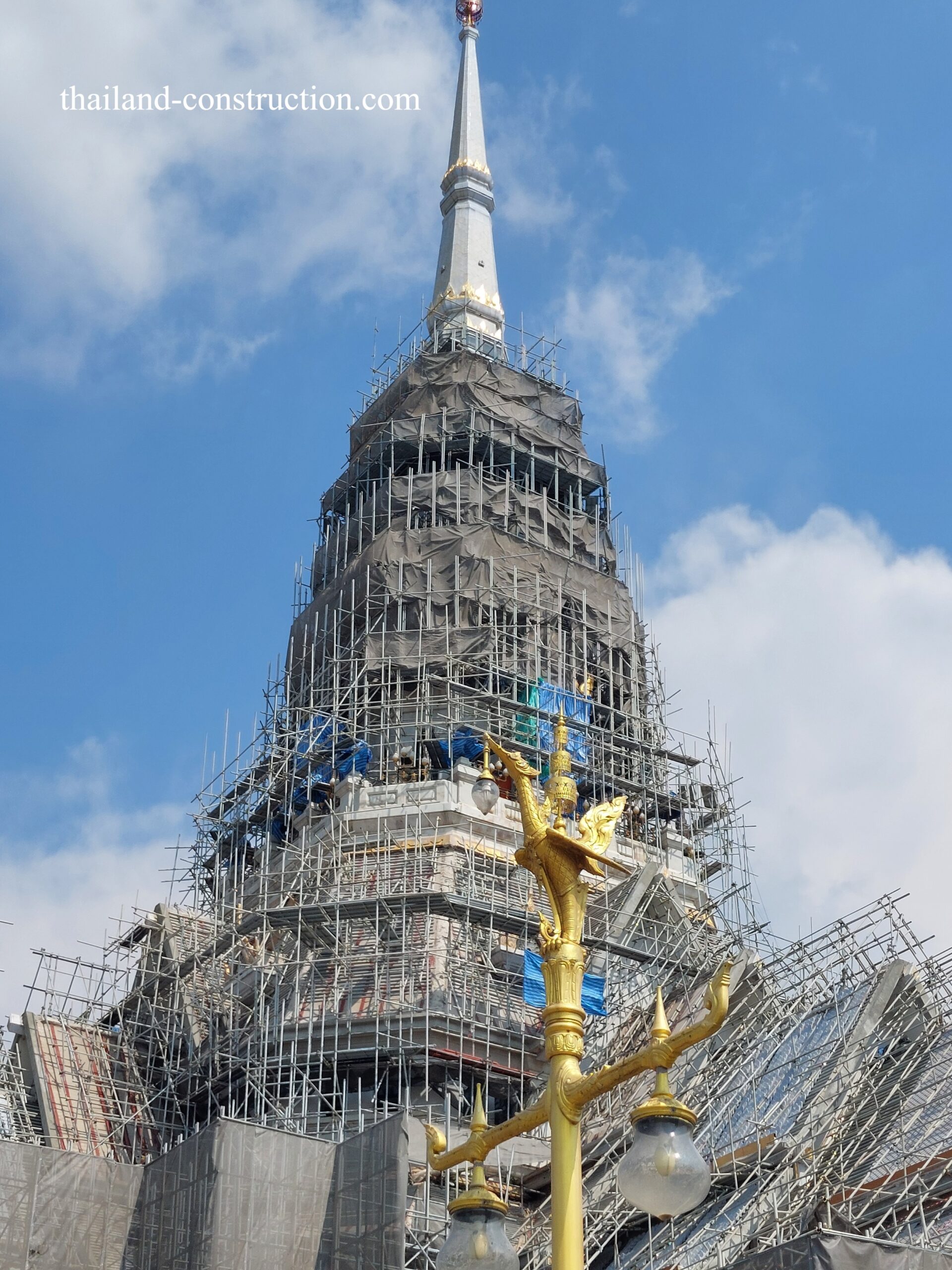
On my most recent visit (I’ve been many times) in March 2026, the roof of the main building is being replaced; it looks a difficult job.
Mangos and Boiled Eggs
Driving through the streets of Chachoengsao approaching the wat, its very noticeable that there are multiple shops and stalls selling beautiful mangoes, and boiled eggs for taking to the wat to make merit. Chachoengsao is rightly well-known for its mangos and boiled eggs.
What happens to the thousands and thousands of eggs donated to the wat every day? Well people either leave them at the wat as a donation (and the wat deals with distributing them elsewhere) or after praying the people take them home. We usually return home with a basket of 100 eggs which are then distributed to whichever friends or family want some.
Where to eat in Chachoengsao?
There are of course multiple places worth eating at, but our favourite is ‘Eakkanake 8 Riew ร้านอาหารเอกเขนกแปดริ้ว’ , on the Bangpakong river front.
How far from Bangkok?
Chachoengsao is to the east of Bangkok, is easily reached via Bangna-Trat highway or Highway 7, and from Bangna is approximately a one-hour 70km journey.
For many Thais, a visit to Wat Sothon Wararam is far more than a sightseeing trip. It is a place where faith, tradition and local culture come together on the banks of the Bang Pakong River. Whether arriving to seek good fortune, give thanks for prayers answered, admire the magnificent architecture, or simply enjoy a day away from Bangkok, visitors quickly appreciate why this temple remains one of Thailand’s most revered pilgrimage destinations. Combined with Chachoengsao’s famous mangoes, bustling temple-side markets, riverside restaurants and the enduring legend of Luangpho Phuttha Sothon, the journey offers a fascinating glimpse into the beliefs and customs that continue to play an important role in Thai life. Just an hour from Bangkok, it is an easy and rewarding day trip that we never seem to tire of making.
Google Translation:
ทริปเที่ยวแบบไปเช้าเย็นกลับจากกรุงเทพฯ ไปวัดโสธรวราราม วัดชื่อดังในจังหวัดฉะเชิงเทรา
ภรรยาของผมเป็นคนไทย ไม่ได้เคร่งศาสนามากนัก แต่ก็มีบางครั้งที่เธอรู้สึกว่าอยากไปวัดเพื่อทำบุญ เช่น ไปขอพรเรื่องโชคลาภ (ส่วนใหญ่มักเกี่ยวข้องกับการถูกลอตเตอรี่) ไปอธิษฐานขอให้คนในครอบครัวหรือตัวเองป่วย หรือแม้แต่ไปขอบคุณพระที่ช่วยให้ทีมฟุตบอลของเราได้ผลการแข่งขันที่เราต้องการ โชคดีที่ผมเองก็ชอบไปวัด (หรือโบสถ์) เช่นกัน เพราะสถาปัตยกรรมที่สวยงามและความสงบเงียบ ผมไม่เคยเจอคนไทยสนใจผมเลยสักนิดเวลาไปเยี่ยม พวกเขาก็แค่ทำธุระของตัวเอง และผมก็กลมกลืนไปกับพวกเขา – ผมชอบตรงนี้ครับ
เมื่อลูกๆ ของเรายังเด็ก เมืองไทยร้อนมาก เวลาว่างก็มักจะไปเดินห้างติดแอร์ ซึ่งเป็นสิ่งที่คนเมืองไทยทำกัน แต่ตอนนี้พวกเขา ‘บินเข้าบ้าน’ แล้ว ผมกับภรรยามักจะลงเอยด้วยการไปวัด โดยเฉพาะเมื่อ ‘ต่างจังหวัด’ (พื้นที่นอกกรุงเทพฯ)
วัดที่ใกล้ที่สุดของเราคือวัดบางพลีใหญ่ในขนาดใหญ่และมีชื่อเสียง (ซึ่งเป็นที่ตั้งของหลวงพ่อโต – ดูด้านล่าง – และมีตลาดบางพลีใหญ่ตลาดโบราณบางพลี ) และวัดบางพลีใหญ่กลาง (ซึ่งมีเจดีย์อันงดงาม – พระมหาเจดีย์พิศาลวุฒิกิจมงคล มหาชนบุชิต พระมหาเจดีย์พิศาลวุฒิกิจมงคลมหาชนบูชิต ) แต่ในโอกาสพิเศษ ภรรยาชอบให้เราขับรถหนึ่งชั่วโมงไปที่วัด วัดโสธรวรารามวรวิหาร วัดโสธรวรารามวรวิหาร จังหวัดฉะเชิงเทรา ประเทศไทย
วัดโสธรวราราม
วัดโสธรวราราม ตั้งอยู่ในเทศบาลเมืองฉะเชิงเทรา ริมแม่น้ำบางปะกง เดิมชื่อว่าวัดหงส์ สร้างขึ้นในปลายสมัยอยุธยา
วัดนี้มีชื่อเสียงจากพระพุทธรูปหลวงพ่อโสธร ซึ่งเป็นพระพุทธรูปที่ผู้คนนับถือมากที่สุดในจังหวัดฉะเชิงเทรา มีความสูง 1.48 เมตร ความกว้างของตัก 1.65 เมตร นั่งขัดสมาธิ และประดิษฐานอยู่ในวิหารหลัก
คำอธิบายที่ดีที่สุดที่ฉันหาได้เกี่ยวกับวัดโสธรวรารามคือจากเว็บไซต์ Temple-thai.com
Temple-thai.com
เว็บไซต์นี้เป็นผลงานที่เกิดจากความรักของชาวฝรั่งเศสชื่อ Loris Curtenaz ซึ่งเรียกตัวเองว่า “นักล่าวัด” ผู้ซึ่งในระหว่างการเดินทาง 14 เดือนทั่วประเทศไทย ได้เยี่ยมชมวัดต่างๆ ประมาณ 1,500 แห่งใน 67 จังหวัด
Temple-thai.com เป็นเว็บไซต์เกี่ยวกับวัด/วัดไทยของฉัน ส่วนใหญ่เขียนเป็นภาษาฝรั่งเศส (ปัจจุบันมีบทความเป็นภาษาอังกฤษด้วย) แต่การใช้ฟังก์ชันแปลในโทรศัพท์หรือคอมพิวเตอร์ของคุณ คุณจะสามารถแปลบทความเป็นภาษาอังกฤษได้
ตำนานเรื่อง “พระพุทธลอยน้ำ”
“หลวงพ่อพุทธโสธร” เป็นตำนานของ “พระพุทธโสธร” ซึ่งปรากฏบนผืนน้ำในช่วงกลียุค โดยพระลอยองค์อื่นๆ ได้แก่ “หลวงพ่อบ้านแหลม” (วัดเพชรสมุทรวรวิหาร วัดเพชรสมุทรวรวิหารหลวงพ่อบ้านแหลม สมุทรสงคราม ), “หลวงพ่อโต” แห่งบางพลี (วัดบางพลีใหญ่ใน, สมุทรปราการ – ดังที่กล่าวข้างต้น), ‘หลวงพ่อวัดไร่ขิง’ (วัดไร่ขิง นครปฐม) และ ‘หลวงพ่อทอง’ (วัดเขาตะไคร้ หลวงพ่อทอง 5 พี่หนอง
วัดเขาตะเคราหลวงพ่อทอง5พี่น้องเพชรบุรี). แต่ละองค์ขึ้นฝั่งที่ซึ่งชุมชนพร้อมที่จะดูแลพวกเขา และแต่ละองค์ได้ทิ้งร่องรอยแห่งคำมั่นสัญญาที่ได้รับการตอบรับไว้
เรื่องราวของ ‘หลวงพ่อพุทธโสธร’ เล่าว่า ในช่วงเวลาแห่งความวุ่นวาย ชาวบ้านพบพระพุทธรูปองค์หนึ่งลอยทวนกระแสน้ำในแม่น้ำบางปะกง พวกเขาโยนเชือกและผลักเรือออกไป แต่ก็ไม่มีอะไรขยับ เจ้าอาวาสจึงประกอบพิธีกรรมอย่างเงียบๆ บนฝั่งแม่น้ำ ด้วยการสวดมนต์ ถวายเครื่องบูชา และขอพรอย่างเรียบง่าย หลังจากนั้นกระแสน้ำก็สงบลง พระพุทธรูปลอยมาขึ้นฝั่งราวกับเลือกบ้านของตนเอง และนับจากวันนั้นเป็นต้นมา พระพุทธรูปองค์นี้ก็ได้รับการประดิษฐานที่วัดโสธร เดิมทีเป็นทองสัมฤทธิ์ ต่อมาถูกหุ้มด้วยปูนซีเมนต์และปิดทองโดยพุทธศาสนิกชนในช่วงเวลาที่ไม่สงบ เพื่อป้องกันไม่ให้โจรและผู้รุกรานสามารถยึดครองหรือทำลายได้ การปกป้องนั้นคงอยู่ และเมื่อเวลาผ่านไปหลายชั่วอายุคน แผ่นทองคำเปลวก็ทับถมกันจนกลายเป็นผิวที่เปล่งประกาย
ถามผู้ศรัทธาว่าทำไมพวกเขาถึงมาเยี่ยมชม ‘หลวงพ่อพุทธโสธร’ คำตอบก็คือ การรักษาโรคภัยไข้เจ็บ การคุ้มครองจากภัยอันตราย ความเจริญรุ่งเรืองในการงานและการค้า ความกตัญญูนั้นแสดงออกมาในรูปแบบที่คุ้นเคย เช่น ไข่ต้มหนึ่งถาด พวงมาลัยดอกไม้สีสันสดใส และจังหวะอันสนุกสนานของคณะรำวงที่แสดงหน้าศาลหลังจากความปรารถนาเป็นจริง ความสัมพันธ์นี้ให้ความรู้สึกทั้งในทางปฏิบัติและทางจิตวิญญาณในเวลาเดียวกัน คุณทำบุญ คุณรักษาสัญญา และชีวิตก็คลี่คลายลงบ้าง
การถวายไข่ต้มที่วัดไทย
การถวายไข่ต้มที่วัดไทยเป็นพิธีกรรมแห่งความศรัทธา ความกตัญญู และการขอพร (กะบอน) ที่พบเห็นได้ทั่วไป โดยเฉพาะอย่างยิ่งที่วัดโสธรวรารามวรวิหาร จังหวัดฉะเชิงเทรา และวัดเจดีย์ (ไอไข่) จังหวัดนครศรีธรรมราช ผู้ศรัทธาถวายไข่ตั้งแต่สามฟองไปจนถึงหลายพันฟองเพื่อขอพรให้ประสบความสำเร็จ สุขภาพแข็งแรง และมั่งคั่ง โดยมักจะสัญญาว่าจะถวายไข่เพื่อแลกกับพรที่ได้รับ
ลักษณะสำคัญของประเพณี
ทำไมต้องไข่? ไข่ต้มเป็นสัญลักษณ์ของการเริ่มต้นใหม่ ชีวิต และโชคลาภ และถือเป็นของถวายที่นิยมสำหรับเทพเจ้าหรือรูปปั้น เช่น หลวงพ่อโสธร
ขั้นตอน: ผู้คนมักขอพรให้ประสบความสำเร็จ เช่น ในธุรกิจหรือการศึกษา และสัญญาว่าจะนำไข่กลับมาถวายหากประสบความสำเร็จ บางวัด เช่น วัดโสธร อนุญาตให้นำไข่กลับบ้านได้หลังจาก “ขอพร” เพื่อความเป็นสิริมงคล
ความสำคัญทางวัฒนธรรม: ประเพณีนี้ผสมผสานรากเหง้าความเชื่อเรื่องวิญญาณในท้องถิ่น—การเจรจากับวิญญาณเพื่อขอความคุ้มครอง—เข้ากับพุทธศาสนาไทยที่เป็นที่นิยม
การถวายไข่เป็นประเพณีทางวัฒนธรรมที่ฝังรากลึก ออกแบบมาเพื่อแสดงความกตัญญูและขอความช่วยเหลือจากสิ่งศักดิ์สิทธิ์
งานก่อสร้างที่วัดโสธรวราราม
อุโบสถในปัจจุบันเป็นแลนด์มาร์คที่โดดเด่น: ยอดสูง 84 เมตร ผสมผสานเส้นสายแบบไทยดั้งเดิมเข้ากับความแข็งแกร่งสมัยใหม่ หุ้มด้วยหินอ่อนอิตาลีสีอ่อนที่เปล่งประกายในแสงแดดอ่อนๆ ยามบ่าย การแสวงบุญจะคึกคักที่สุดในช่วงเดือนจันทรคติที่ห้า เมื่อมีการจัดขบวนแห่ทางน้ำและกิจกรรมทำบุญเพื่อระลึกถึงการประดิษฐานพระพุทธรูปทางน้ำ และคำมั่นสัญญาของเมืองที่จะรักษาพระธรรมให้คงอยู่ใกล้ชิด
ในการเยี่ยมชมครั้งล่าสุดของผม (ผมไปมาหลายครั้งแล้ว) ในเดือนมีนาคม 2569 หลังคาของอาคารหลักกำลังได้รับการซ่อมแซม ดูเหมือนจะเป็นงานที่ยากลำบาก
หลังคาก่อนเริ่มงานก่อสร้าง
งานก่อสร้างที่กำลังดำเนินอยู่
มะม่วงและไข่ต้ม
ขณะขับรถผ่านถนนในเมืองฉะเชิงเทราใกล้กับวัด จะสังเกตเห็นได้อย่างชัดเจนว่ามีร้านค้าและแผงลอยมากมายขายมะม่วงสวยๆ และไข่ต้มสำหรับนำไปทำบุญที่วัด ฉะเชิงเทราเป็นที่รู้จักกันดีในเรื่องมะม่วงและไข่ต้ม
แล้วไข่หลายพันฟองที่บริจาคให้กับวัดทุกวันจะไปอยู่ที่ไหน? ผู้คนอาจจะนำมาบริจาคที่วัด (และทางวัดจะจัดการแจกจ่ายไปยังที่อื่น) หรือหลังจากสวดมนต์เสร็จแล้วก็นำกลับบ้านไป ปกติแล้วเราจะกลับบ้านพร้อมตะกร้าไข่ 100 ฟอง ซึ่งจะนำไปแจกจ่ายให้กับเพื่อนหรือญาติที่อยากได้
จะกินอะไรดีในฉะเชิงเทรา?
แน่นอนว่ามีร้านอาหารอร่อยๆ หลายแห่ง แต่ร้านโปรดของเราคือ ‘Eakkanake 8 Riew ร้านอาหารไก่ไข่ต้มน้ำ’ ซึ่งตั้งอยู่ริมแม่น้ำบางปะกง
ห่างจากกรุงเทพฯ เท่าไหร่?
ฉะเชิงเทราอยู่ทางทิศตะวันออกของกรุงเทพฯ สามารถเดินทางไปได้ง่ายๆ โดยใช้ทางหลวงบางนา-ตราด หรือทางหลวงหมายเลข 7 และจากบางนาใช้เวลาเดินทางประมาณ 70 กิโลเมตร ใช้เวลาประมาณ 1 ชั่วโมง
สำหรับคนไทยหลายคน การไปเยือนวัดโสธรวรารามนั้นมีความหมายมากกว่าแค่การท่องเที่ยวชมวิว ที่นี่เป็นสถานที่ที่ศรัทธา ประเพณี และวัฒนธรรมท้องถิ่นมาบรรจบกันริมฝั่งแม่น้ำบางปะกง ไม่ว่าจะมาเพื่อขอพร มาขอบคุณสำหรับคำอธิษฐานที่ได้รับพร มาชื่นชมสถาปัตยกรรมอันงดงาม หรือเพียงแค่ต้องการพักผ่อนจากกรุงเทพฯ ผู้มาเยือนจะเข้าใจได้อย่างรวดเร็วว่าทำไมวัดแห่งนี้จึงยังคงเป็นหนึ่งในสถานที่แสวงบุญที่ได้รับความเคารพนับถือมากที่สุดของประเทศไทย เมื่อรวมกับมะม่วงขึ้นชื่อของฉะเชิงเทรา ตลาดข้างวัดที่คึกคัก ร้านอาหารริมแม่น้ำ และตำนานอันเลื่องชื่อของหลวงพ่อพุทธโสธร การเดินทางครั้งนี้จึงมอบภาพที่น่าสนใจเกี่ยวกับความเชื่อและประเพณีที่ยังคงมีบทบาทสำคัญในชีวิตของคนไทย ใช้เวลาเดินทางจากกรุงเทพฯ เพียงหนึ่งชั่วโมง จึงเป็นการเดินทางแบบไปเช้าเย็นกลับที่ง่ายและคุ้มค่า ซึ่งเราไม่เคยเบื่อที่จะไปเลย