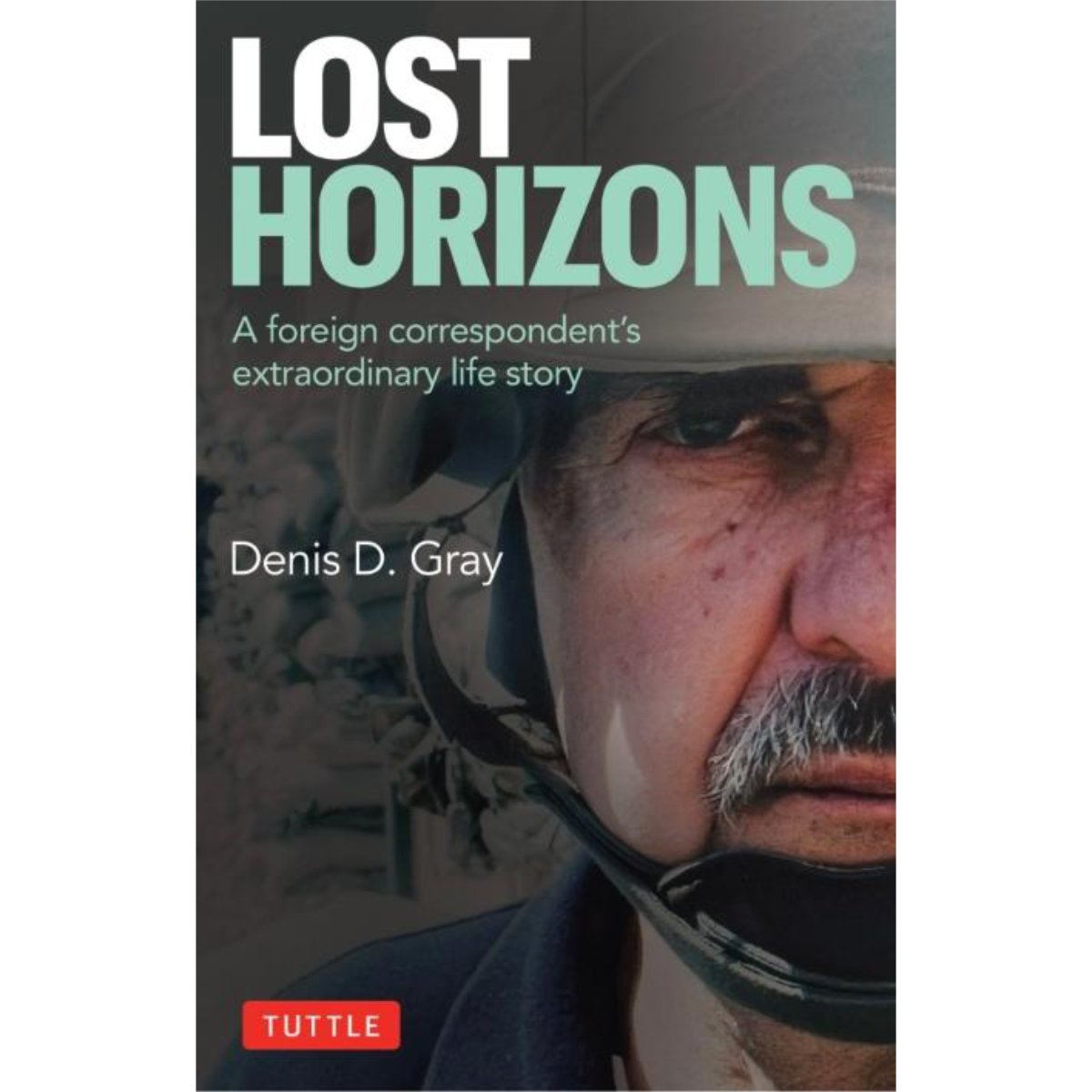
 An elegy to lost worlds – Denis D. Gray’s memoir ‘Lost Horizons – A foreign correspondent’s extraordinary life story’
Denis Gray, the Associated Press’ man in Bangkok for more than three decades, reflects on a life shaped by war and disillusion
By Kenneth Barrett
A large, booming presence as bureau chief of the Associated Press in Bangkok for more than 30 years, a war reporter in Indochina before that, thrice president of the Foreign Correspondents Club of Thailand, Denis Gray has through six turbulent decades occupied front row seats, and foxholes, to report on some of the most violent upheavals of our times.
Yet the Denis Gray who emerges from these curiously elegiac memoirs is markedly different to the formidable public image.
To begin with, his name is not Denis Gray. Or at least, it wasn’t. He was born Zdeněk Mečíř, in Pilsen, Czechoslovakia, towards the end of the World War II.
When the Iron Curtain fell across eastern Europe, young Zdeněk’s father, a rising political star who had fled the country a year earlier and was now working for the CIA, arranged for the family to escape.
The first indelible scene is of the seven-year-old boy, his young sister and their mother, leaping from a train on a moonless night, their guide having bribed the driver to slow his engine at a specified point.
The family fled for the woodlands and eventually arrived at Auerbach, in West Germany. A new name had already been selected by the CIA for Zdeněk’s father, who was now Denis Gray, and the youngster took his father’s name.
This early dislocation permeates Gray’s entire story. The title of his autobiography has been adapted from the classic 1930s novel and film Lost Horizon, in which the survivors of a plane crash in the high mountains of Tibet find themselves in a paradise valley named Shangri-La. When the protagonist later attempts to return, he cannot find it.

Gray’s story, then, is of lost worlds.
After a few bucolic years in Germany, the family had moved to South Africa, then France, and finally the United States. Gray became a US Army captain and served in the Vietnam War. Returning to America and unable to settle, he joined the Associated Press, volunteering to cover the death throes of governments in Cambodia, Vietnam and Laos.
What is it that drives war correspondents into positions of front-line danger?
Indochina proved to be the graveyard of so many of them, foreign reporters and local stringers alike. The writers for overseas newspapers and magazines have a dedicated readership at home. The indigent freelancers are hungrily chasing the next cheque, sometimes too skint to afford a plane ticket home.
In the case of the wire agency reporters, like Gray, it was the remorseless hamster-wheel of deadlines and the critical eyes of the watching bureau chiefs. Emerging from a bunker somewhere outside Phnom Penh, two bullets thud into the tree trunk just above Gray’s head.
“Is it worth risking one’s life for a few columns of print?” he muses in his diary.
There is little gung-ho in this book, only the poignancy of observing the suffering of ordinary people.
In Cambodia, the helplessness sends many to the comforts of superstition and black magic. Others retreat into insanity, the country’s only psychiatric hospital resembling a cross between a dungeon and a zoo, its 800 inmates kept in cage-like cells.
A grinning patient insists to Gray that he is a prince, and produces photographs of himself dressed in a clownish uniform. “They are in a world apart,” the director explains. “The war means nothing to them now.”
Years later, in 2015, Gray visits John Gunther Dean, the US ambassador to Cambodia for the final year in the war, who had overseen the evacuation of Phnom Penh. Now 89, and living in Paris, Dean is bitter at the failure of America to properly support Cambodia, which led to the Khmer Rouge genocide.
Dean still has the American flag he clutched under his arm as he sped to the whirring helicopters. He tells him: “We’d accepted responsibility for Cambodia and then walked out without fulfilling our promise. I failed.”

Gray revisits Phnom Penh many times after the war, and with each succeeding visit finds himself increasingly disillusioned and angry at the defacement of a once lovely city that had epitomised a fusing of Khmer and French cultures, now trashed and vulgarised by hideous modern developments. Similar despoilment is found in Saigon and Vientiane.
Returning to Europe, where he feels he belongs, Gray is dismayed at the tide of overtourism and the destruction it leaves in its wake. Chattering crowds mean that no longer was it possible to linger in quiet thought in the pews of Notre Dame cathedral, and in Prague’s old town square he has to politely elbow his way through hundreds of sightseers waiting for its 15th century astronomical clock to strike the hour.
Even the world of journalism is being trampled, and the days of the independent, sometimes eccentric, foreign correspondent are over. Newspapers and magazines have been decimated by the internet, and the wire services have either shuttered their overseas bureaus or reduced their staffing to skeletal levels.
“In truth, the United States had never been my true home,” writes Gray, and he retires to Chiang Mai, where he now lives in a peaceful green valley, his own personal Shangri-La. Yet even here, he watches apprehensively as forests are razed, the air is polluted and modern property development laps ever closer.
Lost Horizons: A Foreign Correspondent’s Extraordinary Life Story By Denis D. Gray – Tuttle Publishing 304pp – Available at Kinokuniya
Lost Horizons is being launched at the Foreign Correspondents Club of Thailand on 1st April.
Source: https://www.bangkokpost.com/life/arts-and-entertainment/3225929/an-elegy-to-lost-worlds
Google Translation:
บทไว้อาลัยแด่โลกที่สาบสูญ – บันทึกความทรงจำของเดนิส ดี. เกรย์ เรื่อง ‘ขอบฟ้าที่สาบสูญ – เรื่องราวชีวิตสุดพิเศษของผู้สื่อข่าวต่างประเทศ’
เดนิส เกรย์ ผู้สื่อข่าวของสำนักข่าวเอพีประจำกรุงเทพฯ มากว่าสามทศวรรษ สะท้อนถึงชีวิตที่ถูกหล่อหลอมด้วยสงครามและความผิดหวัง
โดย เคนเนธ บาร์เร็ตต์
ในฐานะหัวหน้าสำนักงานของสำนักข่าวเอพีประจำกรุงเทพฯ ที่มีบทบาทโดดเด่นและทรงพลังมากว่า 30 ปี ก่อนหน้านั้นเขาเป็นผู้สื่อข่าวสงครามในอินโดจีน และดำรงตำแหน่งประธานสโมสรผู้สื่อข่าวต่างประเทศแห่งประเทศไทยถึงสามสมัย เดนิส เกรย์ ได้อยู่ในเหตุการณ์ความรุนแรงครั้งสำคัญที่สุดในยุคของเราตลอดหกทศวรรษที่ผ่านมา
แต่เดนิส เกรย์ ที่ปรากฏในบันทึกความทรงจำที่แสนเศร้าโศกนี้ กลับแตกต่างจากภาพลักษณ์อันน่าเกรงขามในสายตาของสาธารณชนอย่างเห็นได้ชัด
เริ่มต้นด้วย ชื่อของเขาไม่ใช่เดนิส เกรย์ หรืออย่างน้อยก็ไม่ใช่ในตอนนั้น เขาเกิดในชื่อ Zdeněk Mečíř ที่เมือง Pilsen ประเทศเชโกสโลวาเกีย ในช่วงปลายสงครามโลกครั้งที่สอง
เมื่อม่านเหล็กพังทลายลงทั่วทวีปยุโรปตะวันออก พ่อของ Zdeněk ผู้เป็นดาวรุ่งทางการเมืองที่หนีออกจากประเทศไปเมื่อหนึ่งปีก่อนหน้านั้นและกำลังทำงานให้กับซีไอเอ ได้จัดการให้ครอบครัวหลบหนี
ฉากแรกที่ติดตรึงใจคือภาพเด็กชายวัยเจ็ดขวบ น้องสาว และแม่ของพวกเขา กระโดดลงจากรถไฟในคืนไร้แสงจันทร์ โดยที่คนนำทางได้ติดสินบนคนขับให้ชะลอความเร็วรถไฟ ณ จุดที่กำหนด
ครอบครัวหนีเข้าไปในป่าและในที่สุดก็มาถึง Auerbach ในเยอรมนีตะวันตก ซีไอเอได้เลือกชื่อใหม่ให้กับพ่อของ Zdeněk แล้ว ซึ่งตอนนี้คือ Denis Gray และเด็กชายก็ใช้นามสกุลของพ่อ
การพลัดถิ่นตั้งแต่ยังเล็กนี้ส่งผลกระทบต่อเรื่องราวทั้งหมดของ Gray ชื่อหนังสืออัตชีวประวัติของเขาดัดแปลงมาจากนวนิยายและภาพยนตร์คลาสสิกยุค 1930 เรื่อง Lost Horizon ซึ่งเล่าเรื่องราวของผู้รอดชีวิตจากอุบัติเหตุเครื่องบินตกในเทือกเขาสูงของทิเบตที่พบว่าตัวเองอยู่ในหุบเขาแห่งสรวงสวรรค์ชื่อแชงกรีลา แต่เมื่อตัวเอกพยายามกลับไป เขากลับหาไม่เจอ
ดังนั้น เรื่องราวของเกรย์จึงเป็นเรื่องราวของโลกที่สาบสูญ
หลังจากใช้ชีวิตอย่างสงบสุขในเยอรมนีไม่กี่ปี ครอบครัวของเขาก็ย้ายไปแอฟริกาใต้ จากนั้นไปฝรั่งเศส และสุดท้ายก็ไปสหรัฐอเมริกา เกรย์ได้เป็นกัปตันกองทัพสหรัฐฯ และรับราชการในสงครามเวียดนาม เมื่อกลับมาอเมริกาและไม่สามารถตั้งรกรากได้ เขาจึงเข้าร่วมสำนักข่าวเอพี โดยอาสาไปทำข่าวการล่มสลายของรัฐบาลในกัมพูชา เวียดนาม และลาว
อะไรคือสิ่งที่ผลักดันให้นักข่าวสงครามเข้าไปอยู่ในแนวหน้าของอันตราย?
อินโดจีนกลายเป็นสุสานของนักข่าวจำนวนมาก ทั้งนักข่าวต่างชาติและนักข่าวท้องถิ่น นักเขียนจากหนังสือพิมพ์และนิตยสารต่างประเทศมีผู้อ่านประจำอยู่ที่บ้าน ส่วนนักข่าวอิสระที่ยากจนนั้นต้องดิ้นรนหาเงินเลี้ยงชีพ บางครั้งถึงกับไม่มีเงินซื้อตั๋วเครื่องบินกลับบ้านด้วยซ้ำ
ในกรณีของนักข่าวจากสำนักข่าวต่างประเทศอย่างเกรย์ มันคือวงจรการทำงานที่ไม่มีวันจบสิ้นภายใต้แรงกดดันจากกำหนดส่งงานและสายตาที่จับจ้องของหัวหน้าสำนักงาน ขณะที่เกรย์กำลังออกมาจากบังเกอร์นอกกรุงพนมเปญ กระสุนสองนัดก็พุ่งเข้าใส่ต้นไม้เหนือศีรษะของเขา
“มันคุ้มค่าหรือที่จะเสี่ยงชีวิตเพื่อบทความไม่กี่คอลัมน์?” เขาครุ่นคิดในไดอารี่ของเขา
หนังสือเล่มนี้ไม่มีความกล้าหาญแบบสุดโต่ง มีเพียงความสะเทือนใจจากการได้เห็นความทุกข์ยากของคนธรรมดา
เดนิส เกรย์ ในปี 1975 กับเด็กผู้ลี้ภัยตามแนวชายแดนไทย-กัมพูชาในจังหวัดตราด ภาพถ่ายได้รับความอนุเคราะห์จากเดนิส เกรย์
ในกัมพูชา ความรู้สึกสิ้นหวังทำให้หลายคนหันไปพึ่งความเชื่อโชลางและไสยศาสตร์ บางคนก็จมอยู่ในความวิกลจริต โรงพยาบาลจิตเวชแห่งเดียวของประเทศมีสภาพคล้ายกับคุกใต้ดินผสมกับสวนสัตว์ ผู้ป่วย 800 คนถูกขังอยู่ในห้องขังคล้ายกรง
ผู้ป่วยคนหนึ่งยิ้มแย้มและยืนยันกับเกรย์ว่าเขาเป็นเจ้าชาย พร้อมทั้งโชว์รูปถ่ายของตัวเองในชุดตัวตลก “พวกเขาอยู่ในโลกอีกใบ” ผู้กำกับอธิบาย “สงครามไม่มีความหมายอะไรกับพวกเขาอีกแล้ว”
หลายปีต่อมา ในปี 2015 เกรย์ได้ไปเยี่ยมจอห์น กันเธอร์ ดีน เอกอัครราชทูตสหรัฐฯ ประจำกัมพูชาในช่วงปีสุดท้ายของสงคราม ซึ่งเป็นผู้ดูแลการอพยพออกจากพนมเปญ ปัจจุบันดีนอายุ 89 ปี อาศัยอยู่ในปารีส เขาขมขื่นกับการที่อเมริกาไม่ให้การสนับสนุนกัมพูชาอย่างเหมาะสม ซึ่งนำไปสู่การฆ่าล้างเผ่าพันธุ์โดยเขมรแดง
ดีนยังคงถือธงชาติอเมริกันที่เขากอดไว้ใต้แขนขณะวิ่งไปยังเฮลิคอปเตอร์ที่ส่งเสียงดังหึ่งๆ เขาบอกกับเกรย์ว่า “เรายอมรับความรับผิดชอบต่อกัมพูชาแล้วก็เดินจากไปโดยไม่รักษาสัญญา ผมล้มเหลว”
เกรย์กลับไปเยือนพนมเปญหลายครั้งหลังสงคราม และทุกครั้งที่ไปเยือน เขาก็รู้สึกผิดหวังและโกรธมากขึ้นเรื่อยๆ กับการทำลายล้างเมืองที่เคยสวยงามซึ่งเป็นสัญลักษณ์ของการผสมผสานวัฒนธรรมเขมรและฝรั่งเศส ปัจจุบันถูกทำลายและทำให้เสื่อมเสียด้วยการพัฒนาสมัยใหม่ที่น่าเกลียด การทำลายล้างที่คล้ายกันนี้พบได้ในไซง่อนและเวียงจันทน์
ภาพถ่าย: ผู้เขียนกับทีมงาน AP กรุงเทพฯ ในปี 1975
เมื่อกลับไปยังยุโรป ที่ซึ่งเขารู้สึกว่าเป็นบ้านของเขา เกรย์รู้สึกผิดหวังกับกระแสนักท่องเที่ยวล้นเมืองและความเสียหายที่ตามมา ฝูงชนที่ส่งเสียงดังทำให้เขาไม่สามารถนั่งคิดอย่างเงียบๆ ในม้านั่งของมหาวิหารนอเทรดามได้อีกต่อไป และในจัตุรัสเมืองเก่าของปราก เขาต้องเบียดเสียดอย่างสุภาพกับนักท่องเที่ยวนับร้อยที่รอนาฬิกาดาราศาสตร์สมัยศตวรรษที่ 15 ตีบอกเวลา
แม้แต่โลกของนักข่าวก็กำลังถูกเหยียบย่ำ และยุคของนักข่าวต่างประเทศอิสระที่บางครั้งก็แปลกประหลาดก็จบลงแล้ว หนังสือพิมพ์และนิตยสารถูกทำลายล้างโดยอินเทอร์เน็ต และสำนักข่าวต่างๆ ก็ปิดสำนักงานต่างประเทศหรือลดจำนวนพนักงานลงเหลือเพียงเล็กน้อย
“ที่จริงแล้ว สหรัฐอเมริกาไม่เคยเป็นบ้านที่แท้จริงของผม” เกรย์เขียน และเขาเกษียณไปอยู่ที่เชียงใหม่ ที่ซึ่งเขาอาศัยอยู่ในหุบเขาสีเขียวอันเงียบสงบ ซึ่งเป็นสวรรค์ส่วนตัวของเขาเอง ถึงกระนั้น แม้จะอยู่ที่นี่ เขาก็ยังเฝ้ามองอย่างหวาดหวั่นขณะที่ป่าไม้ถูกทำลาย อากาศถูกมลพิษ และการพัฒนาอสังหาริมทรัพย์สมัยใหม่รุกคืบเข้ามาใกล้มากขึ้นเรื่อยๆ
(จากหนังสือ Lost Horizons: A Foreign Correspondent’s Extraordinary Life Story โดย Denis D. Gray สำนักพิมพ์ Tuttle Publishing จำนวน 304 หน้า มีจำหน่ายที่ Kinokuniya)
ภาพยนตร์เรื่อง Lost Horizons จะเปิดตัวอย่างเป็นทางการที่สโมสรผู้สื่อข่าวต่างประเทศแห่งประเทศไทยในวันที่ 1 เมษายน