Thailand’s Commercial real estate to remain resilient
Strategic sectors to lead the way in 2026
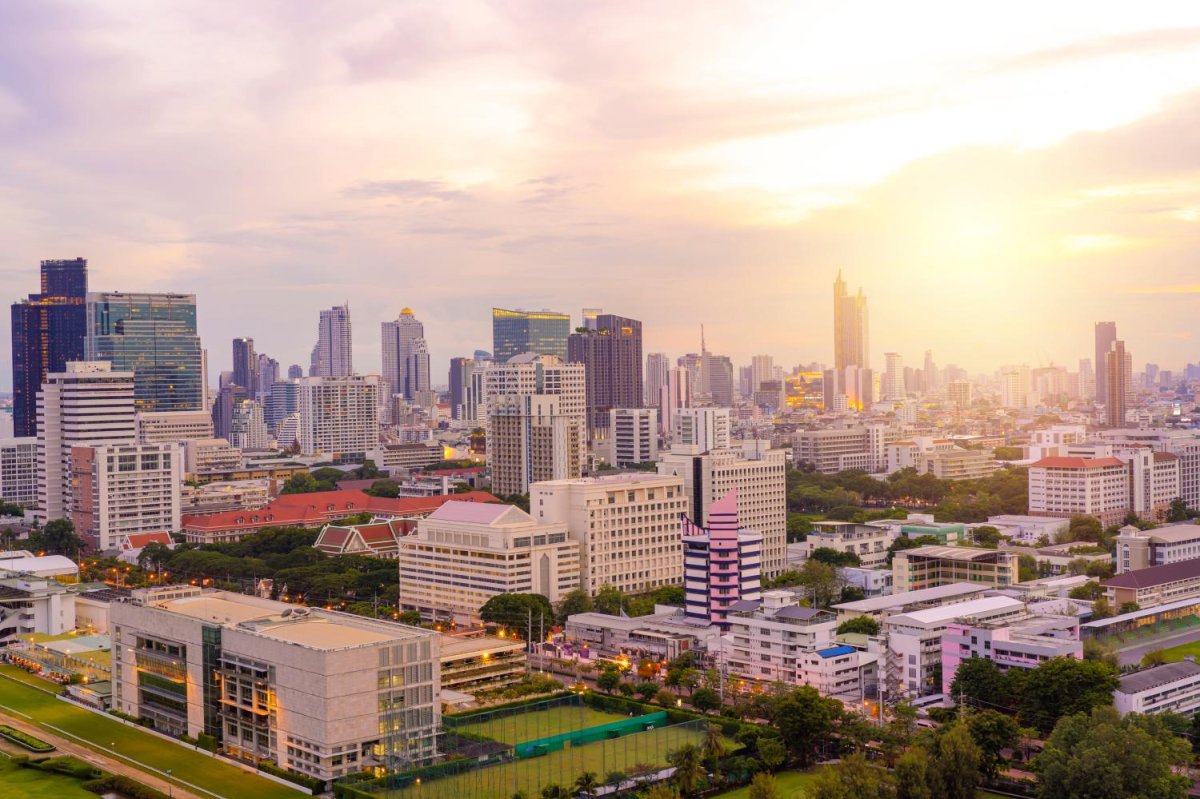
The commercial real estate market is expected to remain resilient in 2026, with demand concentrated in hotels, data centres, industrial and logistics assets, and high-quality office and retail space, according to property consultancy JLL Thailand.
Krit Pimhataivoot, country head and head of capital markets, said investors, developers, and occupiers are adjusting to shifting demand drivers, tighter capital discipline and evolving use patterns across sectors.
“Growth opportunities remain, but they are increasingly concentrated in assets aligned with long-term macro trends and changing occupier and investor requirements,” he said.
RESILIENT HOSPITALITY
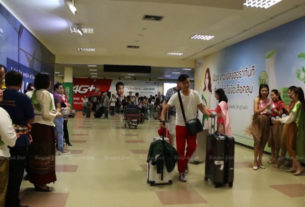
In the hospitality sector, Thailand continues to demonstrate resilience despite intensifying competition from neighbouring countries and a slower recovery in the Chinese market.
International arrivals are forecast to reach 35.5 million in 2026, representing an 8% growth from 32.9 million in 2025. While Chinese tourists have been slower to return, arrivals from markets such as India and Russia recorded notable growth last year.
Hotel investment remained strong, reaching 26.4 billion baht in 2025, nearly double the 10-year historical average between 2016 and 2025, with more than 75% of transaction volume concentrated in Bangkok.
Most transactions were value-added in nature, with new owners expected to reposition assets. Investment activity in 2026 is projected to normalise to around 13 billion baht, reflecting a more measured transaction environment.
DATA CENTRE BOOM
In the industrial and logistics sector, structural demand drivers are shaping opportunities, with data centres and high-value industries emerging as increasingly important sources of demand alongside e-commerce.
Board of Investment (BoI)-approved digital industry investments exceeded 746 billion baht in 2025, underscoring Thailand’s growing role as a regional hub for data centre development in Southeast Asia.
The sector is projected to grow by 40-60% over the next three years, with 360 megawatts of capacity planned for both 2026 and 2027.
The Eastern Economic Corridor (EEC) accounts for 54.8% of total stock, while Greater Bangkok serves as a critical connectivity hub, supported by expansion from new colocation operators.
“This expansion is accompanied by increasing constraints in land acquisition and site selection,” said Mr Krit.
Suitable plots with sufficient power grid capacity, fibre infrastructure and cooling capabilities are becoming scarcer in prime locations.
He said developers are undertaking intensive due diligence, assessing power reliability, environmental compliance and long-term utility scalability before committing to large-scale investments.
In the manufacturing sector, performance was robust in 2025, supported by strong export growth and foreign direct investment inflows, reinforcing Thailand’s position as a preferred destination for China+1 diversification strategies.
From 2021 to the first half of 2025, industrial estate net absorption surpassed 24,000 rai, reducing the nationwide vacancy rate to 14.6%.
This expansion was primarily driven by Chinese manufacturers establishing operations in the automotive, metal products, and electrical appliances industries as part of broader supply chain rebalancing.
“Strong demand is expected to persist across the EEC and Bangkok’s eastern vicinity in 2026,” said Mr Krit.
SELECTIVE LAND ACQUISITION
In capital markets, land investment activity continues, but with greater selectivity. Wealthy individuals are becoming more active in acquiring land and real estate, placing a stronger emphasis on value and deal discipline, he said.
Foreign investors remain active in exploring assets aligned with Thailand’s macro trends — notably data centres, industrial and logistics assets, and hotels — with BoI-linked ownership structures remaining a key consideration.
“Developers are also more selective than in the pre-pandemic cycle, with land acquisition ticket sizes trending smaller,” he said.
Whereas condo projects previously targeted plots of three to six rai, the current market is seeing interest in much smaller sites, generally capped at around three rai.
Leasehold structures are becoming more prominent, reflecting lower upfront capital requirements while enabling development in unique locations where freehold economics may not support recurring income assets.
Market interest in leasehold structures was reinforced by notable transactions in 2025, including the widely reported long-term land lease deal in the Asok–Phrom Phong area.
ROBUST OFFICE RELOCATION
In the office sector, a more granular form of flight to quality is emerging. Roughly 528,000 square metres across 12 projects are set to be completed in 2026.
Net absorption in Bangkok’s central business area (CBA) reached about 88,200 sq m in 2025, above the five-year average, and is expected to continue in 2026 amid a slowdown in CBA supply.
Supply and demand are shifting towards northern and eastern hubs, where more than 230,000 sq m across seven projects are due for completion in 2026, following the launch of several prime offices in 2025.
“We expect to see robust relocation demand in these hubs, similar to previous trends in the CBA,” said Mr Krit. “Environmental, social and governance [ESG] requirements are increasingly shaping leasing decisions.”
According to JLL Research, 53 of the top 100 corporate occupiers with ESG commitments remain in non-green buildings, representing around 420,000 sq m of potential relocation demand.
Demand for flexible workspace is also re-emerging as tenants prioritise lower capital expenditure amid economic uncertainty.
Multinational corporations are increasingly adopting flexible solutions despite their large headcounts, with wholesale and retail trade companies leading adoption, followed by technology firms.
This trend is reflected in operators’ expansion plans and landlords’ willingness to offer flexible solutions, which are now commonly integrated into new developments and refurbishments.
In retail, performance continues to diverge by asset type and positioning. In Greater Bangkok, experiential retail and asset repositioning strategies are gaining traction.
Hypermarket operators are introducing lifestyle-oriented formats, and major CBA malls are undergoing large-scale renovations through themed concepts and partnerships with international anchor tenants.
International retailer and brand entries remain elevated, with more than 890 new units added during 2024–2025, according to JLL’s survey.
Fashion brands accounted for 43.3% of activity, followed by food and beverage (32.8%) and household products (16.4%).
This momentum is expected to continue in 2026, particularly among mainland Chinese brands pursuing regional diversification.
STRUCTURAL DRIVERS
“Thailand’s market is not moving as a single story across all sectors,” said Mr Krit. “What we are seeing is a more selective cycle, where demand and capital are concentrating in areas supported by structural drivers.”
These include data centre-led activity, industrial and logistics assets, differentiated hospitality offerings, and a more targeted flight to quality in the office sector.
In this environment, the ability to match strategy with the realities of each sector and submarket will be the key differentiator, he said.
“The Thai commercial real estate market has entered a phase where future-proofing quality and adaptability are becoming decisive competitive advantages,” said Anawin Chiamprasert, head of research and consultancy.
JLL’s data show a widening performance gap between assets positioned for long-term structural change and those chasing short-term cyclical opportunities.
Mr Anawin said demand is concentrating in sectors linked to digital infrastructure, sustainability and evolving consumer experiences.
“Investors are responding with greater creativity and discipline in capital allocation, focusing on specific asset classes and high-growth locations capable of sustaining occupancy and income resilience amid prolonged economic challenges,” he added.
Across sectors, JLL expects 2026 to be characterised by targeted growth rather than broad-based recovery, with market participants focusing more on assets and structures aligned with long-term demand themes and operational realities.
Source: https://www.bangkokpost.com/property/3208714/commercial-real-estate-to-remain-resilient
Google Translation:
ตลาดอสังหาริมทรัพย์เพื่อการพาณิชย์ของไทยยังคงแข็งแกร่ง
ภาคส่วนเชิงกลยุทธ์จะนำพาตลาดในปี 2026
ภาพมุมสูงของอาคารสมัยใหม่ในกรุงเทพฯ ตลาดอสังหาริมทรัพย์เพื่อการพาณิชย์คาดว่าจะยังคงแข็งแกร่งในปี 2026 โดยความต้องการจะเน้นไปที่โรงแรม ศูนย์ข้อมูล สินทรัพย์อุตสาหกรรมและโลจิสติกส์ และพื้นที่สำนักงานและค้าปลีกคุณภาพสูง
ตามรายงานของบริษัทที่ปรึกษาด้านอสังหาริมทรัพย์ JLL ประเทศไทย คาดว่าตลาดอสังหาริมทรัพย์เพื่อการพาณิชย์จะยังคงแข็งแกร่งในปี 2026 โดยความต้องการจะกระจุกตัวอยู่ในโรงแรม ศูนย์ข้อมูล สินทรัพย์อุตสาหกรรมและโลจิสติกส์ และพื้นที่สำนักงานและค้าปลีกคุณภาพสูง
นายกฤษิต พิมหัตติวุฒิ หัวหน้าฝ่ายตลาดทุนประจำประเทศ กล่าวว่า นักลงทุน ผู้พัฒนา และผู้เช่ากำลังปรับตัวให้เข้ากับการเปลี่ยนแปลงของปัจจัยขับเคลื่อนความต้องการ วินัยทางการเงินที่เข้มงวดขึ้น และรูปแบบการใช้งานที่เปลี่ยนแปลงไปในแต่ละภาคส่วน
“โอกาสในการเติบโตยังคงมีอยู่ แต่จะกระจุกตัวอยู่ในสินทรัพย์ที่สอดคล้องกับแนวโน้มมหภาคระยะยาวและความต้องการของผู้เช่าและนักลงทุนที่เปลี่ยนแปลงไป” เขากล่าว
ภาคธุรกิจโรงแรมและการท่องเที่ยวของไทยยังคงแข็งแกร่ง
ในภาคธุรกิจโรงแรมและการท่องเที่ยว ประเทศไทยยังคงแสดงให้เห็นถึงความแข็งแกร่งแม้จะมีการแข่งขันที่รุนแรงขึ้นจากประเทศเพื่อนบ้านและการฟื้นตัวที่ช้าลงของตลาดจีน
คาดการณ์ว่าจำนวนนักท่องเที่ยวต่างชาติจะแตะ 35.5 ล้านคนในปี 2026 เพิ่มขึ้น 8% จาก 32.9 ล้านคนในปี 2025 ในขณะที่นักท่องเที่ยวชาวจีนกลับมาช้ากว่า แต่จำนวนนักท่องเที่ยวจากตลาดต่างๆ เช่น อินเดียและรัสเซียกลับเพิ่มขึ้นอย่างเห็นได้ชัดในปีที่ผ่านมา
การลงทุนในโรงแรมยังคงแข็งแกร่ง โดยแตะ 26.4 พันล้านบาทในปี 2025 ซึ่งเกือบสองเท่าของค่าเฉลี่ยในรอบ 10 ปีระหว่างปี 2016 ถึง 2025 โดยกว่า 75% ของปริมาณธุรกรรมกระจุกตัวอยู่ในกรุงเทพฯ
ธุรกรรมส่วนใหญ่เป็นการเพิ่มมูลค่า โดยคาดว่าเจ้าของใหม่จะปรับปรุงสินทรัพย์ การลงทุนในปี 2026 คาดว่าจะกลับสู่ภาวะปกติที่ประมาณ 13 พันล้านบาท สะท้อนให้เห็นถึงสภาพแวดล้อมการทำธุรกรรมที่รอบคอบมากขึ้น
ศูนย์ข้อมูลเฟื่องฟู
ในภาคอุตสาหกรรมและโลจิสติกส์ ปัจจัยขับเคลื่อนความต้องการเชิงโครงสร้างกำลังสร้างโอกาส โดยศูนย์ข้อมูลและอุตสาหกรรมมูลค่าสูงกำลังกลายเป็นแหล่งความต้องการที่สำคัญมากขึ้นควบคู่ไปกับอีคอมเมิร์ซ
การลงทุนในอุตสาหกรรมดิจิทัลที่ได้รับการอนุมัติจากคณะกรรมการส่งเสริมการลงทุน (BOI) มีมูลค่าเกิน 746 พันล้านบาทในปี 2568 ซึ่งเน้นย้ำถึงบทบาทที่เพิ่มขึ้นของประเทศไทยในฐานะศูนย์กลางระดับภูมิภาคสำหรับการพัฒนาศูนย์ข้อมูลในเอเชียตะวันออกเฉียงใต้
คาดการณ์ว่าภาคส่วนนี้จะเติบโต 40-60% ในอีกสามปีข้างหน้า โดยมีแผนกำลังการผลิต 360 เมกะวัตต์สำหรับทั้งปี 2569 และ 2560
เขตเศรษฐกิจพิเศษภาคตะวันออก (EEC) คิดเป็น 54.8% ของจำนวนศูนย์ข้อมูลทั้งหมด ในขณะที่กรุงเทพมหานครและปริมณฑลทำหน้าที่เป็นศูนย์กลางการเชื่อมต่อที่สำคัญ โดยได้รับการสนับสนุนจากการขยายตัวจากผู้ให้บริการโคโลเคชั่นรายใหม่
“การขยายตัวนี้มาพร้อมกับข้อจำกัดที่เพิ่มขึ้นในการจัดหาที่ดินและการเลือกทำเล” นายกฤตกล่าว
ที่ดินที่เหมาะสมพร้อมกำลังการผลิตไฟฟ้าที่เพียงพอ โครงสร้างพื้นฐานใยแก้วนำแสง และความสามารถในการระบายความร้อนกำลังหายากขึ้นในทำเลที่ดี
เขากล่าวว่าผู้พัฒนาโครงการกำลังดำเนินการตรวจสอบอย่างละเอียดถี่ถ้วน ประเมินความน่าเชื่อถือของระบบไฟฟ้า การปฏิบัติตามกฎระเบียบด้านสิ่งแวดล้อม และความสามารถในการขยายขนาดสาธารณูปโภคในระยะยาว ก่อนที่จะตัดสินใจลงทุนขนาดใหญ่
ในภาคการผลิต ผลการดำเนินงานแข็งแกร่งในปี 2025 โดยได้รับการสนับสนุนจากการเติบโตของการส่งออกที่แข็งแกร่งและการไหลเข้าของการลงทุนโดยตรงจากต่างประเทศ ซึ่งตอกย้ำตำแหน่งของประเทศไทยในฐานะจุดหมายปลายทางที่ได้รับความนิยมสำหรับกลยุทธ์การกระจายความเสี่ยงของกลุ่ม China+1
ตั้งแต่ปี 2021 ถึงครึ่งแรกของปี 2025 การดูดซับสุทธิของนิคมอุตสาหกรรมเกิน 24,000 ไร่ ลดอัตราว่างงานทั่วประเทศเหลือ 14.6%
การขยายตัวนี้ส่วนใหญ่เกิดจากผู้ผลิตชาวจีนที่เข้ามาตั้งฐานการผลิตในอุตสาหกรรมยานยนต์ ผลิตภัณฑ์โลหะ และเครื่องใช้ไฟฟ้า ซึ่งเป็นส่วนหนึ่งของการปรับสมดุลห่วงโซ่อุปทานในวงกว้าง
“คาดว่าความต้องการที่แข็งแกร่งจะยังคงมีอยู่ทั่ว EEC และบริเวณใกล้เคียงฝั่งตะวันออกของกรุงเทพฯ ในปี 2026” นายกฤตกล่าว
การเข้าซื้อที่ดินอย่างเลือกสรร
ในตลาดทุน กิจกรรมการลงทุนในที่ดินยังคงดำเนินต่อไป แต่มีความเลือกสรรมากขึ้น เขากล่าวว่า บุคคลร่ำรวยกำลังมีบทบาทมากขึ้นในการซื้อที่ดินและอสังหาริมทรัพย์ โดยให้ความสำคัญกับมูลค่าและวินัยในการทำธุรกรรมมากขึ้น
นักลงทุนต่างชาติยังคงกระตือรือร้นในการสำรวจสินทรัพย์ที่สอดคล้องกับแนวโน้มมหภาคของประเทศไทย โดยเฉพาะอย่างยิ่งศูนย์ข้อมูล สินทรัพย์อุตสาหกรรมและโลจิสติกส์ และโรงแรม โดยโครงสร้างการเป็นเจ้าของที่เชื่อมโยงกับ BOI ยังคงเป็นปัจจัยสำคัญ
เขากล่าวว่า “ผู้พัฒนาอสังหาริมทรัพย์ก็เลือกสรรมากขึ้นกว่าช่วงก่อนเกิดโรคระบาด โดยขนาดของการซื้อที่ดินมีแนวโน้มเล็ลง”
ในขณะที่โครงการคอนโดมิเนียมก่อนหน้านี้มุ่งเป้าไปที่ที่ดินขนาด 3-6 ไร่ ตลาดปัจจุบันกำลังให้ความสนใจในที่ดินขนาดเล็กกว่ามาก โดยทั่วไปจำกัดอยู่ที่ประมาณ 3 ไร่
โครงสร้างการเช่าซื้อกำลังได้รับความนิยมมากขึ้น สะท้อนให้เห็นถึงความต้องการเงินทุนเริ่มต้นที่ต่ำกว่า ในขณะเดียวกันก็ช่วยให้สามารถพัฒนาในทำเลที่พิเศษ ซึ่งเศรษฐกิจแบบกรรมสิทธิ์อาจไม่รองรับสินทรัพย์ที่มีรายได้ต่อเนื่อง
ความสนใจของตลาดในโครงสร้างการเช่าซื้อได้รับการเสริมแรงจากธุรกรรมที่โดดเด่นในปี 2025 รวมถึงข้อตกลงการเช่าซื้อที่ดินระยะยาวในพื้นที่อโศก-พร้อมพงษ์ ซึ่งเป็นที่รายงานกันอย่างกว้างขวาง
การย้ายสำนักงานที่แข็งแกร่ง
ในภาคส่วนสำนักงาน รูปแบบการย้ายไปสู่คุณภาพที่ชัดเจนยิ่งขึ้นกำลังปรากฏขึ้น โดยมีพื้นที่ประมาณ 528,000 ตารางเมตรใน 12 โครงการที่จะแล้วเสร็จในปี 2026
การดูดซับสุทธิในเขตศูนย์กลางธุรกิจของกรุงเทพฯ (CBA) อยู่ที่ประมาณ 88,200 ตารางเมตรในปี 2025 ซึ่งสูงกว่าค่าเฉลี่ยห้าปี และคาดว่าจะต่อเนื่องในปี 2026 ท่ามกลางอุปทานที่ชะลอตัวใน CBA
อุปสงค์และอุปทานกำลังเคลื่อนตัวไปสู่ศูนย์กลางทางเหนือและตะวันออก ซึ่งมีพื้นที่มากกว่า 230,000 ตารางเมตรในเจ็ดโครงการที่จะแล้วเสร็จในปี 2026 หลังจากการเปิดตัวสำนักงานชั้นนำหลายแห่งในปี 2025
“เราคาดว่าจะเห็นความต้องการย้ายสำนักงานที่แข็งแกร่งในศูนย์กลางเหล่านี้ คล้ายกับแนวโน้มก่อนหน้านี้ใน CBA” นายกฤตกล่าว “ข้อกำหนดด้านสิ่งแวดล้อม สังคม และธรรมาภิบาล [ESG] กำลังมีอิทธิพลต่อการตัดสินใจเช่าพื้นที่มากขึ้นเรื่อยๆ”
จากข้อมูลของ JLL Research พบว่า บริษัทขนาดใหญ่ 53 ใน 100 อันดับแรกที่มีพันธสัญญาด้าน ESG ยังคงอยู่ในอาคารที่ไม่เป็นมิตรต่อสิ่งแวดล้อม คิดเป็นพื้นที่ที่มีศักยภาพในการย้ายเข้าประมาณ 420,000 ตารางเมตร
ความต้องการพื้นที่ทำงานแบบยืดหยุ่นกำลังกลับมาอีกครั้ง เนื่องจากผู้เช่าให้ความสำคัญกับการลดค่าใช้จ่ายด้านเงินทุนท่ามกลางความไม่แน่นอนทางเศรษฐกิจ
บริษัทข้ามชาติกำลังนำโซลูชันแบบยืดหยุ่นมาใช้มากขึ้น แม้จะมีจำนวนพนักงานมาก โดยบริษัทค้าส่งและค้าปลีกเป็นผู้นำในการนำไปใช้ ตามมาด้วยบริษัทเทคโนโลยี
แนวโน้มนี้สะท้อนให้เห็นในแผนการขยายธุรกิจของผู้ประกอบการและความเต็มใจของเจ้าของอาคารที่จะนำเสนอโซลูชันแบบยืดหยุ่น ซึ่งปัจจุบันมักถูกรวมเข้ากับการพัฒนาใหม่และการปรับปรุงอาคาร
ในธุรกิจค้าปลีก ผลการดำเนินงานยังคงแตกต่างกันไปตามประเภทของสินทรัพย์และตำแหน่งที่ตั้ง ในกรุงเทพมหานครและปริมณฑล กลยุทธ์การค้าปลีกเชิงประสบการณ์และการปรับตำแหน่งสินทรัพย์กำลังได้รับความนิยมมากขึ้น
ผู้ประกอบการไฮเปอร์มาร์เก็ตกำลังนำเสนอรูปแบบที่เน้นไลฟ์สไตล์ และห้างสรรพสินค้า CBA ขนาดใหญ่กำลังได้รับการปรับปรุงครั้งใหญ่ผ่านแนวคิดตามธีมและการร่วมมือกับผู้เช่าหลักระดับนานาชาติ
การเข้ามาของผู้ค้าปลีกและแบรนด์ต่างประเทศยังคงอยู่ในระดับสูง โดยมีการเพิ่มร้านค้าใหม่มากกว่า 890 แห่งในช่วงปี 2024–2025 ตามการสำรวจของ JLL
แบรนด์แฟชั่นคิดเป็น 43.3% ของกิจกรรมทั้งหมด ตามด้วยอาหารและเครื่องดื่ม (32.8%) และผลิตภัณฑ์ในครัวเรือน (16.4%)
คาดว่าโมเมนตัมนี้จะดำเนินต่อไปในปี 2026 โดยเฉพาะอย่างยิ่งในกลุ่มแบรนด์จีนแผ่นดินใหญ่ที่ต้องการกระจายตลาดไปยังภูมิภาคต่างๆ
ปัจจัยเชิงโครงสร้าง
“ตลาดของประเทศไทยไม่ได้เคลื่อนไหวไปในทิศทางเดียวกันในทุกภาคส่วน” นายกฤตกล่าว “สิ่งที่เราเห็นคือวัฏจักรที่เลือกสรรมากขึ้น โดยที่ความต้องการและเงินทุนกำลังกระจุกตัวอยู่ในพื้นที่ที่ได้รับการสนับสนุนจากปัจจัยเชิงโครงสร้าง”
สิ่งเหล่านี้รวมถึงกิจกรรมที่ขับเคลื่อนด้วยศูนย์ข้อมูล สินทรัพย์ด้านอุตสาหกรรมและโลจิสติกส์ ข้อเสนอการบริการที่แตกต่าง และการมุ่งเน้นไปที่คุณภาพมากขึ้นในภาคสำนักงาน
ในสภาพแวดล้อมเช่นนี้ ความสามารถในการปรับกลยุทธ์ให้เข้ากับความเป็นจริงของแต่ละภาคส่วนและตลาดย่อยจะเป็นปัจจัยสำคัญที่สร้างความแตกต่าง เขากล่าว
“ตลาดอสังหาริมทรัพย์เชิงพาณิชย์ของไทยได้เข้าสู่ช่วงที่การเตรียมพร้อมสำหรับอนาคตด้วยคุณภาพและความสามารถในการปรับตัวกำลังกลายเป็นข้อได้เปรียบในการแข่งขันที่สำคัญ” นายอนาวิน เชียมประเสริฐ หัวหน้าฝ่ายวิจัยและให้คำปรึกษา กล่าว
ข้อมูลของ JLL แสดงให้เห็นถึงช่องว่างด้านประสิทธิภาพที่กว้างขึ้นระหว่างสินทรัพย์ที่วางตำแหน่งไว้สำหรับการเปลี่ยนแปลงเชิงโครงสร้างในระยะยาวและสินทรัพย์ที่ไล่ตามโอกาสตามวัฏจักรระยะสั้น
นายอนาวินกล่าวว่าความต้องการกำลังกระจุกตัวอยู่ในภาคส่วนที่เชื่อมโยงกับโครงสร้างพื้นฐานดิจิทัล ความยั่งยืน และประสบการณ์ของผู้บริโภคที่กำลังพัฒนา
“นักลงทุนกำลังตอบสนองด้วยความคิดสร้างสรรค์และวินัยที่มากขึ้นในการจัดสรรเงินทุน โดยมุ่งเน้นไปที่ประเภทสินทรัพย์เฉพาะและทำเลที่มีการเติบโตสูงซึ่งสามารถรักษาอัตราการเข้าพักและความยืดหยุ่นของรายได้ท่ามกลางความท้าทายทางเศรษฐกิจที่ยืดเยื้อ” เขากล่าวเสริม
JLL คาดการณ์ว่าปี 2026 จะเป็นปีแห่งการเติบโตที่มุ่งเน้นเฉพาะด้าน มากกว่าการฟื้นตัวในวงกว้าง โดยผู้เข้าร่วมตลาดจะให้ความสำคัญกับสินทรัพย์และโครงสร้างที่สอดคล้องกับแนวโน้มความต้องการในระยะยาวและความเป็นจริงในการดำเนินงานมากขึ้น