Inside Ho Chi Minh City’s $2B Second Metro Line Plans
Ho Chi Minh City has commenced construction on the Ben Thanh-Tham Luong metro line, a project valued at over VND55 trillion (US$2.1 billion). This state-funded line extends nearly 11.3 km from Ben Thanh Station in District 1 to Tham Luong depot in District 12. Completion is targeted by 2030, with a construction timeline of approximately five years.
Adjustments to the plan include a 200-meter increase in the route length to synchronize with Metro Line 1 at Ben Thanh Station and enhance Tham Luong’s facilities. The new line, primarily underground, features more than 9 km of tunnels with ten underground stations and one elevated station. The initial phase will operate three-car trains at speeds of 80-110 kph, accommodating over 14,400 passengers per hour per direction during peak periods.
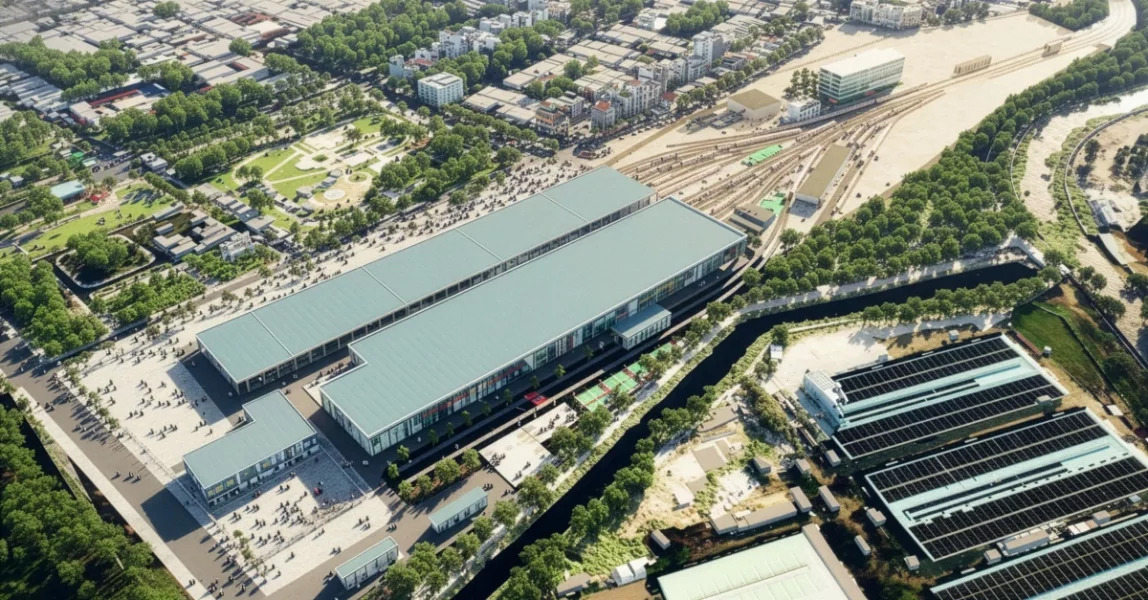 The project is part of a novel mechanism aimed at avoiding delays similar to those experienced by Metro Line 1, which took 17 years to complete. Ben Thanh central station will serve as a major interchange, connecting with future Metro Lines 4, 3A, and the Ben Thanh-Can Gio high-speed rail line. Tao Dan Station, one of the largest on the line, will connect with Metro Line 3.
Tan Binh Station is the only elevated station, featuring two levels with convenient passenger access. The entire system will operate at the GoA4 level of automation, enabling fully driverless operation, with remote intervention available if needed for emergencies.
Looking forward, the line’s successful completion will significantly enhance connectivity and ease traffic congestion in the city. Construction and outfitting efforts will continue, with key infrastructure components expected to progress in the coming years, reported VN Express.
Key Takeaways:
The Ben Thanh-Tham Luong metro line, a VND55 trillion project, is underway.
It aims for a fully automated, driverless operation with major connectivity enhancements.
Completion is planned by 2030, addressing previous delays experienced in other projects.
Adapted by ASEAN Now from VN Express 2026-01-19
Source: https://aseannow.com/topic/1385166-inside-ho-chi-minh-citys-2b-second-metro-line-plans/
Google Translation:
เบื้องหลังแผนรถไฟฟ้าใต้ดินสายที่สองมูลค่า 2 พันล้านดอลลาร์สหรัฐของนครโฮจิมินห์
ภาพจาก VN Express
นครโฮจิมินห์ได้เริ่มก่อสร้างรถไฟฟ้าใต้ดินสายเบ็นถั่น-ถัมลวงแล้ว โครงการนี้มีมูลค่ากว่า 55 ล้านล้านดอง (2.1 พันล้านดอลลาร์สหรัฐ) เป็นโครงการของรัฐบาลที่มีความยาวเกือบ 11.3 กิโลเมตร จากสถานีเบ็นถั่น เขต 1 ไปยังสถานีถัมลวง เขต 12 คาดว่าจะแล้วเสร็จภายในปี 2030 โดยใช้เวลาก่อสร้างประมาณ 5 ปี
มีการปรับแผนเพิ่มความยาวเส้นทางอีก 200 เมตร เพื่อให้สอดคล้องกับรถไฟฟ้าใต้ดินสาย 1 ที่สถานีเบ็นถั่น และปรับปรุงสิ่งอำนวยความสะดวกของสถานีถัมลวง เส้นทางใหม่นี้ส่วนใหญ่เป็นทางใต้ดิน มีอุโมงค์ยาวกว่า 9 กิโลเมตร พร้อมสถานีใต้ดิน 10 สถานี และสถานีลอยฟ้า 1 สถานี ในระยะแรกจะให้บริการรถไฟสามตู้ด้วยความเร็ว 80-110 กิโลเมตรต่อชั่วโมง รองรับผู้โดยสารได้มากกว่า 14,400 คนต่อชั่วโมงต่อทิศทางในช่วงเวลาเร่งด่วน
โครงการนี้เป็นส่วนหนึ่งของกลไกใหม่ที่มุ่งหลีกเลี่ยงความล่าช้าเช่นเดียวกับที่เกิดขึ้นกับรถไฟฟ้าสาย 1 ซึ่งใช้เวลาถึง 17 ปีในการก่อสร้าง สถานีกลางเบ็นถั่นจะเป็นศูนย์กลางการเชื่อมต่อที่สำคัญ เชื่อมต่อกับรถไฟฟ้าสาย 4, 3A และรถไฟความเร็วสูงเบ็นถั่น-กันจิโอในอนาคต สถานีเตาดัน ซึ่งเป็นหนึ่งในสถานีที่ใหญ่ที่สุดบนเส้นทาง จะเชื่อมต่อกับรถไฟฟ้าสาย 3
สถานีตันบินห์เป็นสถานียกระดับเพียงแห่งเดียว มีสองชั้นเพื่อให้ผู้โดยสารเข้าถึงได้สะดวก ระบบทั้งหมดจะทำงานในระดับ GoA4 ของระบบอัตโนมัติ ทำให้สามารถเดินรถได้โดยไม่ต้องใช้คนขับอย่างสมบูรณ์ พร้อมการแทรกแซงจากระยะไกลหากจำเป็นในกรณีฉุกเฉิน
ในอนาคต การก่อสร้างเส้นทางนี้ให้แล้วเสร็จอย่างประสบความสำเร็จจะช่วยเพิ่มการเชื่อมต่อและบรรเทาปัญหาการจราจรติดขัดในเมืองได้อย่างมาก การก่อสร้างและการติดตั้งอุปกรณ์จะดำเนินต่อไป โดยคาดว่าส่วนประกอบโครงสร้างพื้นฐานที่สำคัญจะมีความคืบหน้าในอีกไม่กี่ปีข้างหน้า ตามรายงานของ VN Express
ประเด็นสำคัญ:
โครงการรถไฟฟ้าใต้ดินสายเบ็นถั่น-ถ่มลวง มูลค่า 55 ล้านล้านดอง กำลังดำเนินการอยู่
โครงการนี้มุ่งเน้นการให้บริการแบบอัตโนมัติเต็มรูปแบบ ไร้คนขับ พร้อมการเชื่อมต่อที่ดียิ่งขึ้น
มีกำหนดแล้วเสร็จภายในปี 2030 ซึ่งเป็นการแก้ไขปัญหาความล่าช้าที่เคยเกิดขึ้นในโครงการอื่นๆ
ดัดแปลงโดย ASEAN Now จาก VN Express 19 มกราคม 2026