Unequal Value Placed on Phnom Penh’s Heritage Buildings, Culture Enthusiast Claims
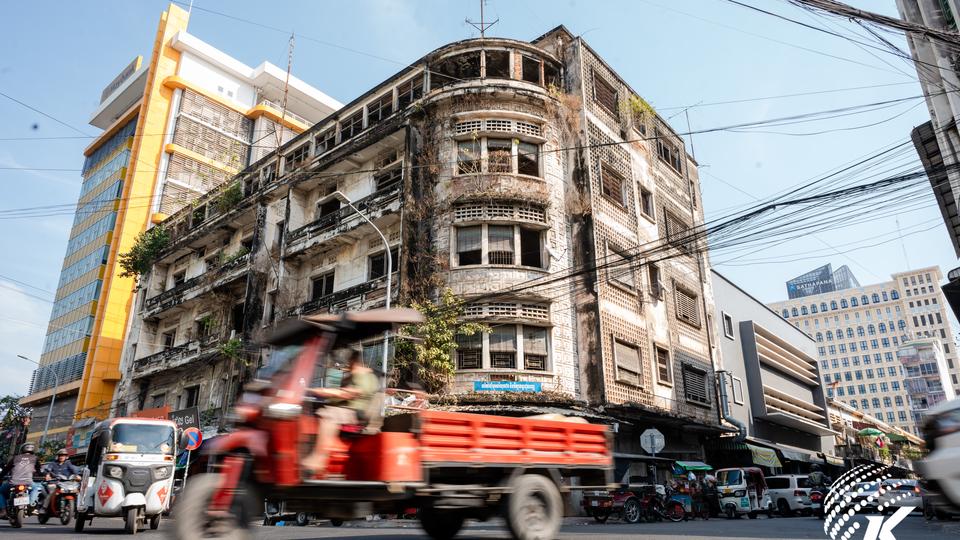
The former US embassy-turned-revolutionary school from the 1960s is set to be demolished over safety concerns, a move a history buff says underscores the unequal value placed on preserving Phnom Penh’s historic buildings compared to much older temples that continue to be restored
The former US embassy and revolutionary school in the 1960s is slated to be demolished due to safety concerns, with a history fan noting this demonstrates the unequal historical value placed on preserving historic sites, citing restored temples with a longer history.
On January 29, 2026, the Central Market Administration 3 released photos of the building that once served as the US Embassy and then a revolutionary primary school in the 1960s. The photos show an officer from the Ministry of Land Management, Urban Planning and Construction inspecting the site.
“After checking the quality of the building, it was found to be unsafe and cannot be lived in anymore,” it said, adding that the ministry has already informed residents and told them to seek alternative accommodation.
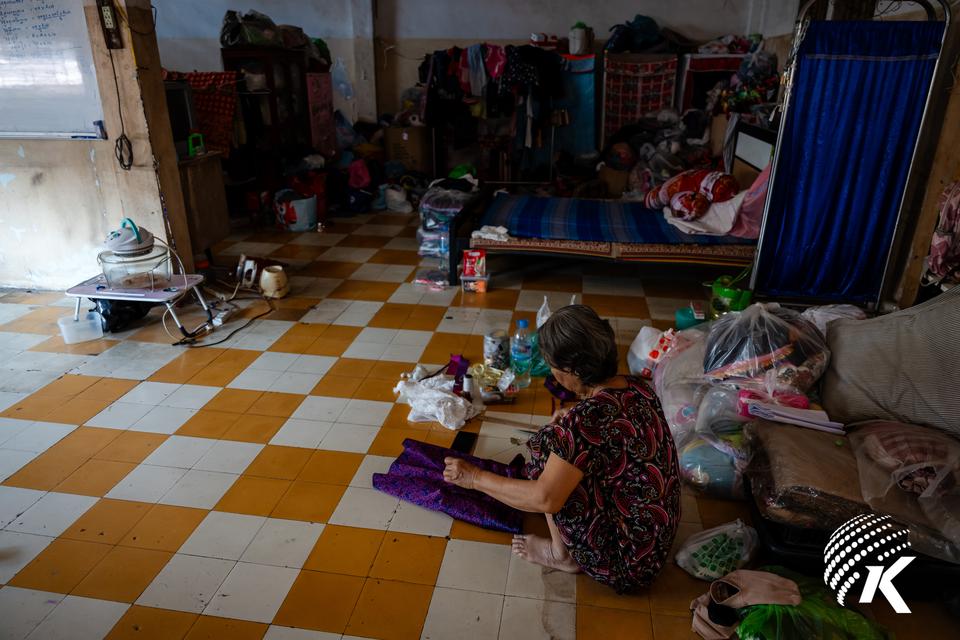
Currently there are nine families living in the building. Sok Kong, a resident of more than 30 years and lives there with her parents, former teachers at the school. She told Kiripost that living there is “blessed, both mentally and physically”.
Kong’s dad died last year due to old age, and her mother, Sok Long, is over 70-years-old. She said that she has no pressure from any sectors to force them to leave.
“Whenever the ministry informs us to leave, I will pack and leave. Living according to Buddha’s teachings, not thinking too much about problems,” Long added.
The former teacher said she is grateful to have called the building home for more than three decades, and thanked the director of the school for allowing her family to reside and operate her business there for three generations.
Her daughter, Kong, has already bought a new house, saying with a smile that “the compensation is enough for a new home”. While it is quite far from the city, she also found a rental home in Phnom Penh as currently she is a snack seller at Norodom Primary School.
She said the ministry gave them enough time to prepare, adding that the compensation procedures and assessments were the same duration as the demolition of the Angkor Meanchey building.
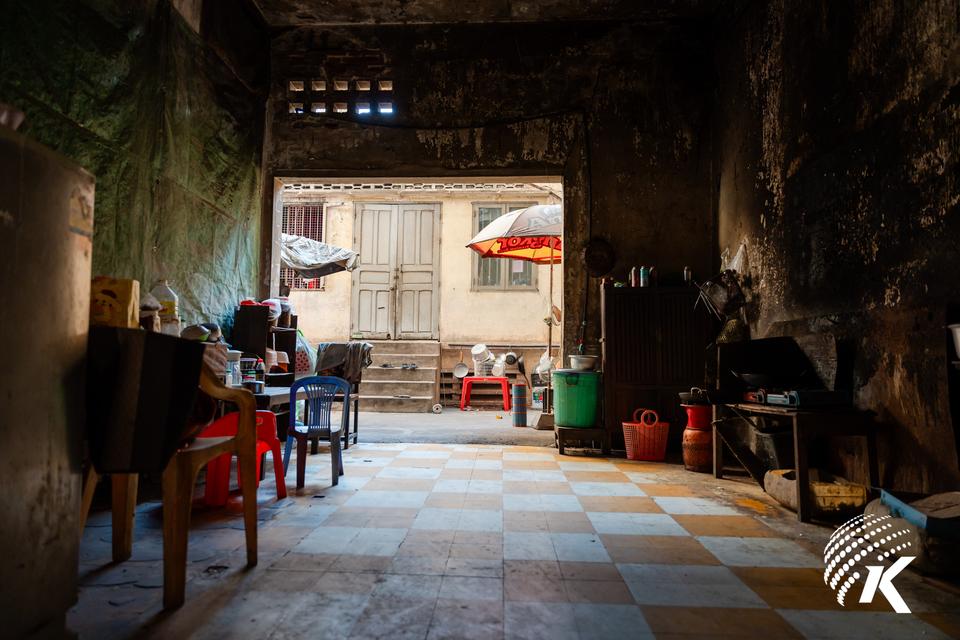
The Sok Long family live in the mezzanine of the five-storey building, with motos and other items stored on the ground floor. Several street vendors rented spots outside the building.
Commune Chief Soeung Kosal told Kiripost that the building belongs to the Ministry of Land Management, Urban Planning and Construction, with no permit granted to live on the upper floor since the primary school closed about 20 to 30 years ago.
Khieu Borin, the Ministry’s Under Secretary of State, told Kiripos he is uncertain of the day of the demolition, adding, “It is probably exchanged/demolished for the fisheries office under the Ministry of Agriculture, Forestry and Fisheries.”
However, he confirmed, “The dilapidated building will be demolished” for the same reason as the previous Angkor Mean Chey building, which was built in the 1940s and had six floors. It was demolished in October, taking around 45 days to finish.
The reasons cited for the demolition of Angkor Meanchey was to ensure public safety due to the risk of collapse and to prevent the building from being used for inappropriate or illegal activities.
An author and owner of well-known Facebook page Amazing Cambodia, who asked not to be named, is passionate about historical buildings. He said while the priority is safety, it adds to the dwindling number of heritage buildings in the city.
He said “prevention is better than cure”, adding “Old, dilapidated buildings should be renovated and maintained regularly, not waiting until it is too late for them to be repaired.”
The author also pointed out the ages of the buildings being demolished in Phnom Penh compared to heritage temples that are much older. For example, Wat Khsach Poi in Battambang province was built in 1920.
He questioned why the cracked temple walls were restored yet heritage buildings in Phnom Penh fail to be renovated.
“This may be due to unequal historical valuation,” the author said, adding that authorities should define heritage conservation areas more accurately, especially in tourist areas like Daun Penh district, because many international visitors and researchers of various nationalities come to study, understand and publish books about these buildings.
Source: https://kiripost.com/stories/unequal-value-placed-on-capitals-heritage-buildings-expert-claims
Google Translation:
นักอนุรักษ์วัฒนธรรมกล่าวอ้างว่า อาคารเก่าแก่ของเมืองหลวงได้รับคุณค่าไม่เท่าเทียมกัน
อดีตสถานทูตสหรัฐฯ ที่ต่อมากลายเป็นโรงเรียนปฏิวัติในช่วงทศวรรษ 1960 กำลังจะถูกรื้อถอนเนื่องจากความกังวลด้านความปลอดภัย ซึ่งนักประวัติศาสตร์คนหนึ่งกล่าวว่า การกระทำนี้เน้นย้ำถึงคุณค่าทางประวัติศาสตร์ที่ไม่เท่าเทียมกันในการอนุรักษ์อาคารประวัติศาสตร์ของพนมเปญ เมื่อเทียบกับวัดเก่าแก่กว่าที่ยังคงได้รับการบูรณะอย่างต่อเนื่อง
อดีตสถานทูตสหรัฐฯ และโรงเรียนปฏิวัติในช่วงทศวรรษ 1960 Kiripost/Vann ChanThada
อดีตสถานทูตสหรัฐฯ และโรงเรียนปฏิวัติในช่วงทศวรรษ 1960 มีกำหนดจะถูกรื้อถอนเนื่องจากความกังวลด้านความปลอดภัย โดยนักประวัติศาสตร์คนหนึ่งตั้งข้อสังเกตว่า นี่แสดงให้เห็นถึงคุณค่าทางประวัติศาสตร์ที่ไม่เท่าเทียมกันในการอนุรักษ์สถานที่ทางประวัติศาสตร์ โดยยกตัวอย่างวัดที่ได้รับการบูรณะซึ่งมีประวัติศาสตร์ยาวนานกว่า
เมื่อวันที่ 29 มกราคม 2569 สำนักงานบริหารตลาดกลางเขต 3 ได้เผยแพร่ภาพถ่ายของอาคารที่เคยเป็นสถานทูตสหรัฐอเมริกา และต่อมาเป็นโรงเรียนประถมในช่วงการปฏิวัติในทศวรรษ 1960 ภาพถ่ายแสดงให้เห็นเจ้าหน้าที่จากกระทรวงการจัดการที่ดิน การวางผังเมือง และการก่อสร้าง กำลังตรวจสอบสถานที่
แถลงการณ์ระบุว่า “หลังจากตรวจสอบคุณภาพของอาคารแล้ว พบว่าไม่ปลอดภัยและไม่สามารถอยู่อาศัยได้อีกต่อไป” พร้อมเสริมว่ากระทรวงได้แจ้งให้ผู้อยู่อาศัยทราบแล้วและขอให้พวกเขาหาที่พักอาศัยอื่น
ปัจจุบันมี 9 ครอบครัวอาศัยอยู่ในอาคารนี้ โซก กง ผู้อยู่อาศัยมากว่า 30 ปี และอาศัยอยู่ที่นั่นกับพ่อแม่ของเธอ ซึ่งเคยเป็นครูที่โรงเรียนแห่งนี้ เธอให้สัมภาษณ์กับ Kiripost ว่าการอาศัยอยู่ที่นี่ “เป็นพรทั้งทางจิตใจและร่างกาย”
พ่อของโกงเสียชีวิตเมื่อปีที่แล้วเนื่องจากชราภาพ และแม่ของเธอ โซก ลอง อายุมากกว่า 70 ปี เธอกล่าวว่าเธอไม่ได้รับแรงกดดันจากฝ่ายใดฝ่ายหนึ่งให้ย้ายออกไป
โซก ลอง กำลังพับผ้าอยู่ในบ้านของเธอ Kiripost/Vann ChanThada
“เมื่อใดก็ตามที่กระทรวงแจ้งให้เราย้ายออก ฉันก็จะเก็บของและย้ายออกไป ใช้ชีวิตตามคำสอนของพระพุทธเจ้า ไม่คิดมากกับปัญหา” นางหลงกล่าวเสริม
อดีตครูคนนี้กล่าวว่า เธอรู้สึกขอบคุณที่ได้เรียกอาคารหลังนี้ว่าบ้านมานานกว่าสามทศวรรษ และขอบคุณผู้อำนวยการโรงเรียนที่อนุญาตให้ครอบครัวของเธออาศัยและประกอบธุรกิจที่นั่นมาสามชั่วอายุคน
ลูกสาวของเธอ กอง ได้ซื้อบ้านใหม่แล้ว โดยกล่าวด้วยรอยยิ้มว่า “ค่าชดเชยเพียงพอสำหรับบ้านใหม่แล้ว” แม้ว่าจะอยู่ค่อนข้างไกลจากตัวเมือง แต่เธอก็หาบ้านเช่าในพนมเปญได้เช่นกัน เนื่องจากปัจจุบันเธอขายขนมอยู่ที่โรงเรียนประถมโนโรดอม
เธอกล่าวว่ากระทรวงให้เวลาพวกเขาเตรียมตัวอย่างเพียงพอ โดยเสริมว่าขั้นตอนการชดเชยและการประเมินใช้เวลาเท่ากับการรื้อถอนอาคารอังกอร์เมียนชัย
ครอบครัวโซก ลอง อาศัยอยู่บนชั้นลอยของอาคารห้าชั้น โดยเก็บมอเตอร์ไซค์และสิ่งของอื่นๆ ไว้ที่ชั้นล่าง พ่อค้าแม่ค้าหลายรายเช่าพื้นที่ขายของอยู่ด้านนอกอาคาร
อดีตสถานทูตสหรัฐฯ และโรงเรียนปฏิวัติในทศวรรษ 1960 Kiripost/Vann ChanThada
นายโซเอิง โกซาล หัวหน้าชุมชน กล่าวกับ Kiripost ว่า อาคารดังกล่าวเป็นของกระทรวงการจัดการที่ดิน การวางผังเมือง และการก่อสร้าง โดยไม่มีใบอนุญาตให้พักอาศัยบนชั้นบน เนื่องจากโรงเรียนประถมปิดตัวลงเมื่อประมาณ 20-30 ปีที่แล้ว
นายเขียว บอริน ปลัดกระทรวง กล่าวกับ Kiripost ว่า เขาไม่แน่ใจเกี่ยวกับวันที่จะทำการรื้อถอน โดยกล่าวเสริมว่า “น่าจะมีการแลกเปลี่ยน/รื้อถอนเพื่อสร้างสำนักงานประมงภายใต้กระทรวงเกษตร ป่าไม้ และประมง”
อย่างไรก็ตาม เขายืนยันว่า “อาคารที่ทรุดโทรมจะถูกรื้อถอน” ด้วยเหตุผลเดียวกับอาคารอังกอร์เมียนเจย์หลังก่อน ซึ่งสร้างขึ้นในทศวรรษ 1940 และมีหกชั้น อาคารหลังนั้นถูกรื้อถอนในเดือนตุลาคม โดยใช้เวลาประมาณ 45 วันจึงจะแล้วเสร็จ
เหตุผลที่อ้างสำหรับการรื้อถอนนครเมียนชัยคือเพื่อความปลอดภัยของประชาชนเนื่องจากมีความเสี่ยงที่จะพังถล่ม และเพื่อป้องกันการใช้ประโยชน์จากอาคารในกิจกรรมที่ไม่เหมาะสมหรือผิดกฎหมาย
ผู้เขียนและเจ้าของเพจเฟซบุ๊กชื่อดัง Amazing Cambodia ซึ่งขอไม่เปิดเผยชื่อ เป็นผู้ที่มีความสนใจในอาคารทางประวัติศาสตร์อย่างมาก เขาบอกว่าแม้ความปลอดภัยจะเป็นสิ่งสำคัญอันดับแรก แต่การรื้อถอนก็ยิ่งทำให้จำนวนอาคารมรดกในเมืองลดลง
เขาบอกว่า “การป้องกันดีกว่าการรักษา” พร้อมเสริมว่า “อาคารเก่าที่ทรุดโทรมควรได้รับการบูรณะและบำรุงรักษาอย่างสม่ำเสมอ ไม่ควรรอจนสายเกินไปที่จะซ่อมแซม”
ผู้เขียนยังชี้ให้เห็นถึงอายุของอาคารที่ถูกรื้อถอนในพนมเปญเมื่อเทียบกับวัดมรดกที่เก่าแก่กว่ามาก ตัวอย่างเช่น วัดขสัชปอยในจังหวัดบัตตัมบองสร้างขึ้นในปี 1920
เขาตั้งคำถามว่าทำไมกำแพงวัดที่แตกร้าวจึงได้รับการบูรณะ แต่กลับไม่บูรณะอาคารมรดกในพนมเปญ
ผู้เขียนกล่าวว่า “นี่อาจเป็นเพราะการประเมินคุณค่าทางประวัติศาสตร์ที่ไม่เท่าเทียมกัน” พร้อมเสริมว่าหน่วยงานที่เกี่ยวข้องควรนิยามพื้นที่อนุรักษ์มรดกทางวัฒนธรรมให้ชัดเจนยิ่งขึ้น โดยเฉพาะในพื้นที่ท่องเที่ยวอย่างอำเภอดอนเพ็ญ เนื่องจากมีนักท่องเที่ยวและนักวิจัยจากหลากหลายสัญชาติมาศึกษา ทำความเข้าใจ และตีพิมพ์หนังสือเกี่ยวกับอาคารเหล่านี้เป็นจำนวนมาก