The rail ahead: as high-speed lines saturate China, how far can their global reach extend?
As Chinese giants eye Eurasia for new infrastructure, analysts speculate on what it will take to keep overseas projects from going off the rails in different host nations
Chinese railway giants look set to scout Eurasia in the years ahead to build high-speed train lines as the domestic market matures and some countries are more prepared than others for capital-intensive yet transformative ventures, analysts said.
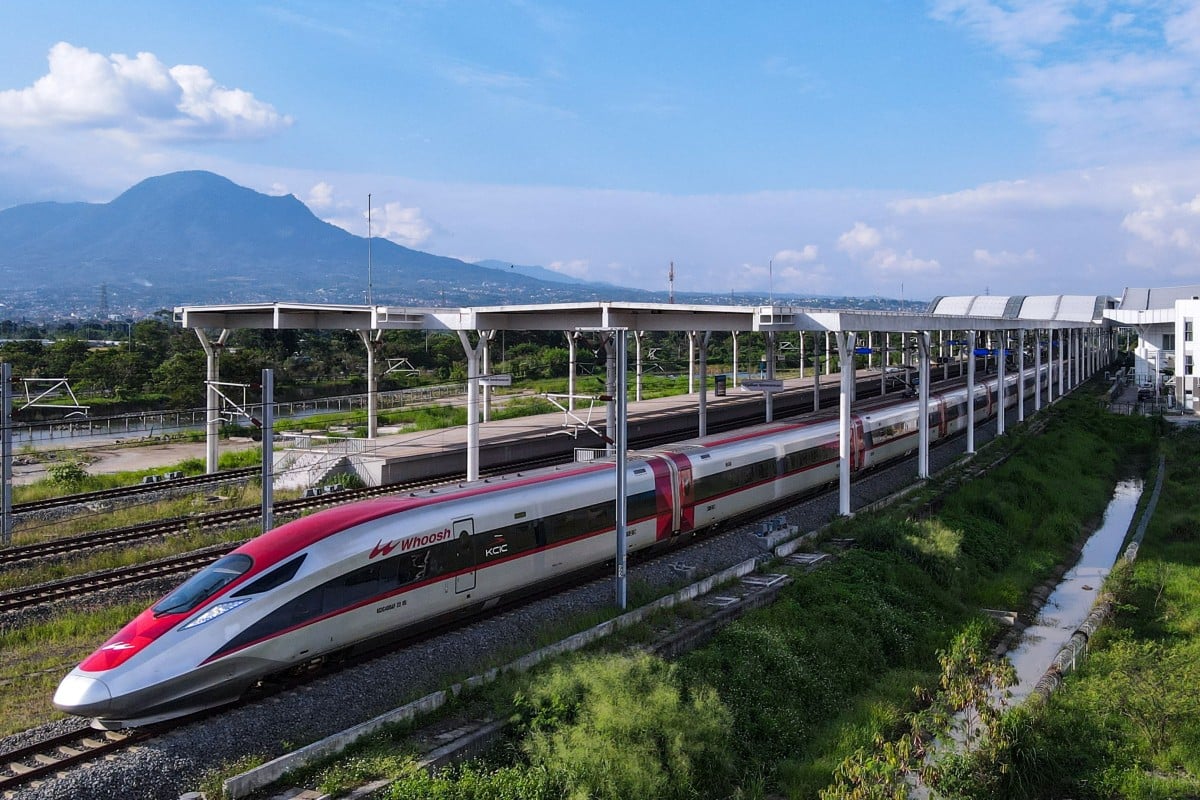
Inspired by China-invested projects such as the 142km (88-mile) Jakarta-Bandung high-speed line in Indonesia and the partly finished 350km (217-mile) Budapest-Belgrade railway, Chinese construction and engineering firms are expected to expand their overseas footprint.
Projects abroad are now more crucial as giant domestic railway engineering firms, builders and operators are finding diminishing new ground to break in China, especially in cities.
“Like any engineering firms anywhere, they’ll be looking for new opportunities, but the fiscal positions of governments around the region will have to be quite careful in terms of how they spend money,” said Song Seng Wun, an economic adviser at Singapore-based fintech firm SDAX.
High-speed services are already accessible in 97 per cent of Chinese cities with populations of more than 500,000, the State Council said in December, and China’s high-speed network is the world’s largest.
Analysts point to Southeast Asian countries such as Laos, Malaysia and Thailand as the most likely future destinations for Chinese-invested high-speed projects, with Central Asia not far behind as it leverages existing trade-linked infrastructure that China has already helped build there.
Some of the same countries are already planning new railways to ease congestion, update older tracks or reach international borders.
Chinese contractors are building a 610km (379-mile) rail project in Thailand that will connect Bangkok to Nong Khai – for people as well as cargo – at 250km/h (155mph), Xinhua has reported. Upon the line’s expected completion in 2030, passengers could connect onwards as far as China via an existing medium-speed railway in Laos.
“People don’t realise it yet, but if you build it, people will use it, because the northeast [of Thailand] is populous,” said Thitinan Pongsidurak, a professor of international relations at Chulalongkorn University in Bangkok. “Thailand has a railway system that’s outdated from a century ago. An alternative to that is long overdue.”
‘Infrastructure monster’: how China built the world’s longest high-speed railway
In neighbouring Malaysia, a 665km (413-mile) east-west railway being built by China Communications Construction was on track in October to be 90 per cent complete last year, the New Straits Times reported at the time. Service at up to 160km/h (99mph) was expected to start in 2027, and the CRRC Dalian firm is reportedly producing some of the trains.
A Kuala Lumpur-Singapore high-speed railway is still being evaluated, with the possibility of Chinese investment, according to Malaysian media reports.
In Indonesia, where the Chinese-invested Jakarta-Bandung high-speed rail has operated for more than two years and had carried 12 million passengers as of October, the Jakarta provincial-level government is in the market for private funding for urban metro projects. Funds would be raised through public-private partnerships worth US$5.93 billion, The Jakarta Post reported on February 5.
In 2023, the cost of building a high-speed railway in China started from US$17 million per kilometre, according to calculations by the Lowy Institute, and the total could be higher in other countries.
For high-speed projects to succeed, recipient countries should be in a solid financial position, with public support and the promise of strong eventual ridership, according to analysts.
Malaysia has accepted loans from China and can support big projects as a “major trading nation”, said Oh Ei Sun, principal adviser with the Pacific Research Centre think tank. “You could say the same about Indonesia.”
These are very expensive projects
Rahul Karan Reddy, Organisation for Research on China and Asia
Chinese investors may offer financing packages abroad, and recipient countries aim to recoup investments through ticket sales, said Rahul Karan Reddy, senior research associate with the New Delhi-based think tank Organisation for Research on China and Asia.
“These are very expensive projects,” he said. Governments cannot make projects work, he said, “if you cannot guarantee there’s going to be ridership”.
Chinese contractors also may lose money abroad, compared with a project at home, “depending on the funding formula”, Song said.
In many countries, Reddy said, lower-speed railways may be enough for conventional travel distances, and some parts of Africa, for example, cannot easily afford such expensive projects. Kenya spends US$1 billion annually on servicing its Chinese debt, and concerns have long persisted in the African country that a Chinese bank could acquire port authority assets if payments are not made.
Political shifts in recipient nations can accelerate or halt Chinese-invested railways, depending on the prevailing sentiment towards Beijing, Song said.
India and the Philippines are unlikely to “prioritise” Chinese contractors for any future high-speed projects, Reddy said, owing to their differences with Beijing.
High-speed rail is “the diplomatic presentation of China’s rise to the world”, Reddy said. “There’s a lot of public diplomatic capital if the conditions are set up and managed well.”
Source: https://www.scmp.com/economy/global-economy/article/3344149/rail-ahead-high-speed-lines-saturate-china-how-far-can-their-global-reach-extend?
Google Translation:
อนาคตของรถไฟความเร็วสูง: เมื่อเส้นทางรถไฟความเร็วสูงครอบคลุมทั่วประเทศจีนแล้ว การเข้าถึงทั่วโลกจะขยายไปได้ไกลแค่ไหน?
ขณะที่ยักษ์ใหญ่ของจีนจับตามองยูเรเซียเพื่อสร้างโครงสร้างพื้นฐานใหม่ นักวิเคราะห์คาดการณ์ถึงสิ่งที่จำเป็นในการป้องกันไม่ให้โครงการในต่างประเทศล้มเหลวในประเทศต่างๆ
รถไฟความเร็วสูงออกจากสถานีเตกัลลัวร์ ซึ่งตั้งอยู่บนเส้นทางรถไฟความเร็วสูงจาการ์ตา-บันดุง ในอินโดนีเซีย ภาพ: ซินหัว
นักวิเคราะห์กล่าวว่า บริษัทรถไฟยักษ์ใหญ่ของจีนมีแนวโน้มที่จะสำรวจยูเรเซียในอีกไม่กี่ปีข้างหน้าเพื่อสร้างเส้นทางรถไฟความเร็วสูง เนื่องจากตลาดภายในประเทศเติบโตเต็มที่ และบางประเทศมีความพร้อมมากกว่าประเทศอื่นๆ สำหรับโครงการที่ต้องใช้เงินทุนจำนวนมากแต่เป็นการเปลี่ยนแปลงครั้งใหญ่
ด้วยแรงบันดาลใจจากโครงการที่จีนลงทุน เช่น เส้นทางรถไฟความเร็วสูงจาการ์ตา-บันดุง ระยะทาง 142 กิโลเมตร (88 ไมล์) ในอินโดนีเซีย และทางรถไฟบูดาเปสต์-เบลเกรด ระยะทาง 350 กิโลเมตร (217 ไมล์) ที่สร้างไม่เสร็จ บริษัทก่อสร้างและวิศวกรรมของจีนคาดว่าจะขยายการดำเนินงานในต่างประเทศ
โครงการในต่างประเทศมีความสำคัญมากขึ้นในขณะนี้ เนื่องจากบริษัทวิศวกรรม การก่อสร้าง และการดำเนินงานทางรถไฟขนาดใหญ่ในประเทศจีนกำลังพบว่าโอกาสในการบุกเบิกตลาดใหม่ ๆ ในจีนลดลง โดยเฉพาะในเมืองต่าง ๆ
“เช่นเดียวกับบริษัทวิศวกรรมอื่น ๆ ทั่วโลก พวกเขาจะมองหาโอกาสใหม่ ๆ แต่สถานะทางการคลังของรัฐบาลในภูมิภาคนี้จะต้องระมัดระวังเป็นอย่างมากในการใช้จ่ายเงิน” ซง เซง หวุน ที่ปรึกษาด้านเศรษฐกิจของบริษัทฟินเทค SDAX ในสิงคโปร์กล่าว
สภาแห่งรัฐระบุในเดือนธันวาคมว่า บริการรถไฟความเร็วสูงมีให้บริการแล้วใน 97 เปอร์เซ็นต์ของเมืองในจีนที่มีประชากรมากกว่า 500,000 คน และเครือข่ายรถไฟความเร็วสูงของจีนเป็นเครือข่ายที่ใหญ่ที่สุดในโลก
นักวิเคราะห์ชี้ไปที่ประเทศในเอเชียตะวันออกเฉียงใต้ เช่น ลาว มาเลเซีย และไทย ว่าเป็นจุดหมายปลายทางในอนาคตที่มีแนวโน้มมากที่สุดสำหรับโครงการรถไฟความเร็วสูงที่ลงทุนโดยจีน โดยเอเชียกลางก็ไม่ห่างกันมากนัก เนื่องจากใช้ประโยชน์จากโครงสร้างพื้นฐานที่เชื่อมโยงกับการค้าที่มีอยู่แล้ว ซึ่งจีนได้ช่วยสร้างขึ้นที่นั่น
บางประเทศกำลังวางแผนสร้างทางรถไฟสายใหม่เพื่อบรรเทาปัญหาการจราจรติดขัด ปรับปรุงทางรถไฟเก่า หรือเชื่อมต่อกับพรมแดนระหว่างประเทศ
สำนักข่าวซินหัวรายงานว่า ผู้รับเหมาก่อสร้างชาวจีนกำลังสร้างโครงการทางรถไฟระยะทาง 610 กิโลเมตร (379 ไมล์) ในประเทศไทย ซึ่งจะเชื่อมต่อกรุงเทพฯ กับหนองคาย สำหรับทั้งผู้โดยสารและสินค้า ด้วยความเร็ว 250 กิโลเมตรต่อชั่วโมง (155 ไมล์ต่อชั่วโมง) เมื่อสร้างเสร็จสมบูรณ์ตามที่คาดการณ์ไว้ในปี 2030 ผู้โดยสารสามารถเชื่อมต่อไปยังประเทศจีนได้ไกลถึงทางรถไฟความเร็วปานกลางที่มีอยู่แล้วในลาว
“ผู้คนยังไม่ตระหนักถึงเรื่องนี้ แต่ถ้าสร้างแล้ว ผู้คนก็จะใช้ เพราะภาคตะวันออกเฉียงเหนือ [ของประเทศไทย] มีประชากรหนาแน่น” ศาสตราจารย์ธิตินันท์ พงษ์สิดุรักษ์ อาจารย์ด้านความสัมพันธ์ระหว่างประเทศ มหาวิทยาลัยจุฬาลงกรณ์ กรุงเทพฯ กล่าว “ประเทศไทยมีระบบรถไฟที่ล้าสมัยมาตั้งแต่ศตวรรษที่แล้ว จำเป็นต้องมีทางเลือกใหม่มานานแล้ว”
‘ยักษ์ใหญ่ด้านโครงสร้างพื้นฐาน’: จีนสร้างทางรถไฟความเร็วสูงที่ยาวที่สุดในโลกได้อย่างไร
ในประเทศมาเลเซียที่อยู่ใกล้เคียง ทางรถไฟสายตะวันออก-ตะวันตกความยาว 665 กิโลเมตร (413 ไมล์) ที่กำลังก่อสร้างโดยบริษัท China Communications Construction (CRRC) มีความคืบหน้าตามแผน โดยคาดว่าจะแล้วเสร็จ 90 เปอร์เซ็นต์ในเดือนตุลาคมปีที่แล้ว ตามรายงานของหนังสือพิมพ์ New Straits Times ในขณะนั้น คาดว่าจะเริ่มให้บริการด้วยความเร็วสูงสุด 160 กิโลเมตรต่อชั่วโมง (99 ไมล์ต่อชั่วโมง) ในปี 2027 และมีรายงานว่าบริษัท CRRC Dalian กำลังผลิตขบวนรถไฟบางส่วน
นอกจากนี้ ยังมีรายงานจากสื่อมาเลเซียว่า ทางรถไฟความเร็วสูงสายกัวลาลัมเปอร์-สิงคโปร์ยังอยู่ระหว่างการประเมิน โดยมีความเป็นไปได้ที่จะมีการลงทุนจากจีน
ในอินโดนีเซีย ซึ่งทางรถไฟความเร็วสูงจาการ์ตา-บันดุงที่ลงทุนโดยจีนได้เปิดให้บริการมานานกว่าสองปีและมีผู้โดยสารแล้ว 12 ล้านคน ณ เดือนตุลาคม รัฐบาลระดับจังหวัดจาการ์ตากำลังมองหาเงินทุนจากภาคเอกชนสำหรับโครงการรถไฟฟ้าใต้ดินในเมือง หนังสือพิมพ์จาการ์ตาโพสต์รายงานเมื่อวันที่ 5 กุมภาพันธ์ว่า จะมีการระดมทุนผ่านความร่วมมือระหว่างภาครัฐและเอกชนมูลค่า 5.93 พันล้านดอลลาร์สหรัฐ
จากการคำนวณของสถาบันโลวี (Lowy Institute) ในปี 2023 ต้นทุนการสร้างทางรถไฟความเร็วสูงในจีนเริ่มต้นที่ 17 ล้านดอลลาร์สหรัฐต่อกิโลเมตร และต้นทุนรวมอาจสูงกว่านี้ในประเทศอื่นๆ
นักวิเคราะห์กล่าวว่า เพื่อให้โครงการรถไฟความเร็วสูงประสบความสำเร็จ ประเทศผู้รับความช่วยเหลือควรมีฐานะทางการเงินที่มั่นคง ได้รับการสนับสนุนจากประชาชน และมีแนวโน้มว่าจะมีผู้ใช้บริการจำนวนมากในอนาคต
โอห์ อี้ ซุน ที่ปรึกษาหลักของศูนย์วิจัยแปซิฟิก (Pacific Research Centre) กล่าวว่า มาเลเซียได้รับเงินกู้จากจีนและสามารถสนับสนุนโครงการขนาดใหญ่ได้ในฐานะ “ประเทศคู่ค้าสำคัญ” “คุณอาจพูดแบบเดียวกันได้กับอินโดนีเซีย”
โครงการเหล่านี้มีราคาแพงมาก
ราหุล การัน เรดดี นักวิจัยอาวุโสจากองค์กรวิจัยเกี่ยวกับจีนและเอเชีย (Organisation for Research on China and Asia) ในกรุงนิวเดลี กล่าวว่า นักลงทุนชาวจีนอาจเสนอแพ็กเกจทางการเงินในต่างประเทศ และประเทศผู้รับจะมุ่งหวังที่จะได้เงินลงทุนคืนผ่านการขายตั๋ว
“โครงการเหล่านี้มีราคาแพงมาก” เขากล่าว รัฐบาลไม่สามารถทำให้โครงการประสบความสำเร็จได้ “หากคุณไม่สามารถรับประกันได้ว่าจะมีผู้โดยสาร”
ซงกล่าวว่า ผู้รับเหมาชาวจีนอาจขาดทุนในต่างประเทศ เมื่อเทียบกับโครงการในประเทศ “ขึ้นอยู่กับสูตรการจัดหาเงินทุน”
เรดดี้กล่าวว่า ในหลายประเทศ รถไฟความเร็วต่ำอาจเพียงพอสำหรับการเดินทางในระยะทางปกติ และบางส่วนของแอฟริกา เช่น ไม่สามารถแบกรับโครงการที่มีราคาแพงเช่นนี้ได้ง่ายๆ เคนยาใช้เงิน 1 พันล้านดอลลาร์สหรัฐต่อปีในการชำระหนี้ให้จีน และความกังวลที่เกิดขึ้นมานานในประเทศแอฟริกาแห่งนี้คือ ธนาคารจีนอาจเข้าซื้อสินทรัพย์ของหน่วยงานท่าเรือหากไม่ชำระหนี้
ซงกล่าวว่า การเปลี่ยนแปลงทางการเมืองในประเทศผู้รับอาจเร่งหรือหยุดยั้งโครงการรถไฟที่ลงทุนโดยจีน ขึ้นอยู่กับความรู้สึกที่มีต่อปักกิ่งในขณะนั้น
เรดดี้กล่าวว่า อินเดียและฟิลิปปินส์ไม่น่าจะ “ให้ความสำคัญ” กับผู้รับเหมาชาวจีนสำหรับโครงการรถไฟความเร็วสูงในอนาคต เนื่องจากความขัดแย้งกับปักกิ่ง
เรดดี้กล่าวว่า รถไฟความเร็วสูงคือ “การนำเสนอการขึ้นมามีอำนาจของจีนสู่โลกในเชิงการทูต” “มีทุนทางการทูตสาธารณะมากมายหากมีการจัดตั้งและบริหารจัดการเงื่อนไขอย่างดี”