

Thailand’s heritage on trial
The Chao Mae Thapthim Shrine dispute exposes the gap between development and protection of cultural assets
For some, the Chao Mae Thapthim Shrine is a beacon of resistance against a larger force.
When the Property Management of Chulalongkorn University (PMCU) sought eviction of its fourth-generation caretaker in 2020, Penprapa Ployseesuay did not expect students would come to her defence. The Chao Mae Thapthim Shrine is standing in the way of a redevelopment project, titled Block 33, that is near completion (now 70%). It is a vestige of vanishing communities in the name of urban progress.
Heritage on trial
Over time, campaigners have raised public awareness of the city’s heritage, at home and further afield. A wide range of initiatives ranging from award-winning documentary The Last Breath Of Sam Yan to walking tours and art performances foreground the impact of gentrification sweeping through the capital.
 Last November, the PMCU unveiled a new plan to change details of its redevelopment project for a new environmental impact assessment. It will preserve the site and allow public entry in a smoke-free environment. Yet it still seeks eviction of the caretaker. In response, students and community residents took legal action to halt construction for the first time.
The Central Administrative Court accepted their lawsuit against the Bangkok Metropolitan Administration over issuing a construction permit for Block 33. While highlighting the project’s impact on the surrounding community, plaintiffs argued that construction falls short of meeting the street width requirements. Extra-large buildings must be adjacent to streets that are at least 18m wide, with a frontage of at least 12m to ensure fire engine access, according to ministerial regulations issued pursuant to the Building Control Act.

“I think the court process will take years but it will bring public attention to the matter,” said Netiwit Chotiphatphaisal, founder and executive editor of Sam Yan Press, who campaigns for the protection of the city’s heritage.
“We have stepped up legal effort for the first time. In case of defeat, we lose nothing. But victory could halt the redevelopment project.”
The Office of Natural Resources and Environmental Policy and Planning also forwarded their complaint to the BMA. The group sought to revoke a 2020 environmental impact assessment for Block 33 due to inaccuracy, especially discrepancy between the real size of the shrine and the figure in the report. By excluding a large chunk of space, it conveyed a misleading impression that the newly proposed size fits the bill.

Netiwit explained that their campaigns have led to increased recognition of the shrine’s value which may account for the university’s U-turn. Still, it pays little regard for the caretaker. This role can be classified into several types: a descendant or disciple of previous guardians; a community resident who sacrifices personal resources for caretaking duties; or a paid worker.
“However, the caretaker should have knowledge of cultural activities and a sense of ownership. It is more than a job,” he said.
The PMCU built a new shrine on the edge of Centenary Park insisting the relocation observes conservation principles. It has organised cultural and religious activities since 2020. Still, critics said it is not keeping with custom.
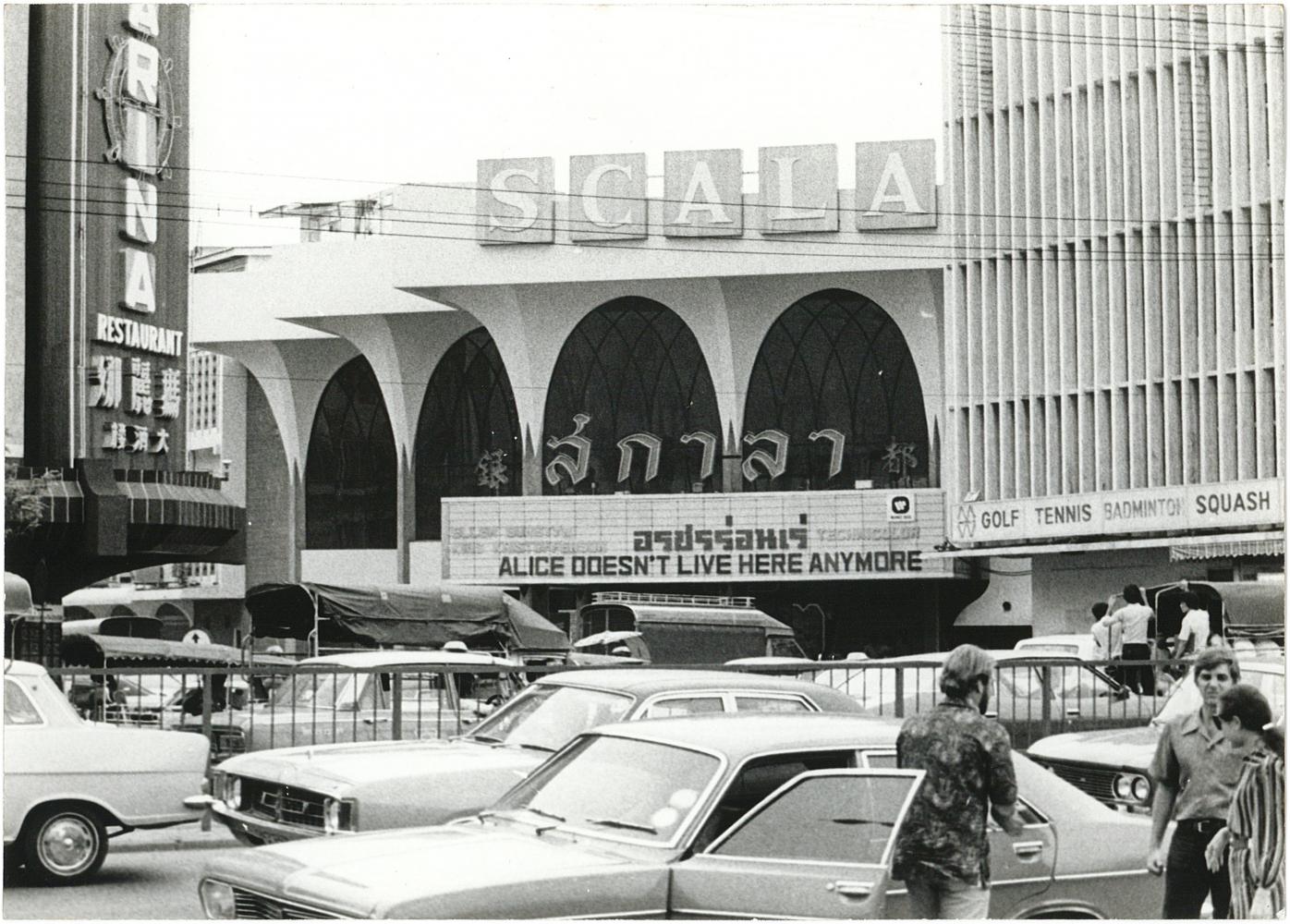
Netiwit worries that despite the PMCU’s U-turn, the lack of a custodian would expose the original shrine to demolition as happened to Scala.
“That could be the worst-case scenario. If not, it may take away some rituals or prayer space, which is unacceptable. It may assign a security officer to the site, but it could turn away visitors. In the end, the shrine will be a dead museum,” he said.
 Netiwit explained that this lawsuit does not directly concern the shrine. Even if the PMCU scraps the redevelopment project, it can refuse to renew the contract with the tenant caretaker. On this note, they have to fight the case separately. Currently, Penprapa is appealing against the lower court’s ruling in favour of the landowner. A verdict is due in March. In case of defeat, she can appeal to the Supreme Court.
“Eviction is an act of uprooting. It reflects the university’s lack of cultural sensitivity,” he said.
The Bangkok Post reached out to the PMCU for comment. It said “change regarding the current environmental impact assessment seeks to ensure that the project aligns with legal frameworks and the university’s management”. The PMCU is aiming for “comprehensive development”.
It further said “the project pays attention to students, community residents and stakeholders to make sure that it suits the area while taking into account living standards, heritage conservation and co-existence under legal frameworks”.

Yongtanit Pimonsathean, an expert on heritage conservation, said the court’s guilty verdict will entail ordering the BMA to revoke a construction permit for Block 33. Consequently, the developer will be required to make adjustments to meet legal standards or halt the project.
“They are doing the best they can with the Building Control Act. The problem is, unlike historic sites, community heritage is not protected by any law,” he said. When asked if any case could set a precedent, Yongtanit referred to a legal dispute between Siam Society and the BMA over a luxury condominium project.
Siam Society filed a lawsuit against City Hall over allowing the construction of the 6 billion baht Ashton Asoke because the 50-floor building does not have its own entrance of at least 12m in width as required by the Building Control Act. The case is awaiting trial at the Supreme Administrative Court.
Yongtanit said that while national heritage — state-owned and uninhabited — is safeguarded under the ancient monument law, community heritage is privately-owned and vulnerable to destruction. Many countries therefore create alternative laws to protect these local assets, for example, old buildings. Still, authorities are not aware of their difference.
“If Thailand introduced a conservation law for this kind of heritage, it would change the direction of urban development,” he said.
Yongtanit said gentrification can be good and bad. In fact, developers have resources. If they recognise heritage value and have knowledge of conservation, they can help protect these buildings.
“However, very few identify their cultural significance,” he said.
Jessada Ninsanguandecha, a Chinese lecturer at the University of the Thai Chamber of Commerce’s Faculty of Humanities, said the Chinese worship folk spirits and deities. Because of their good deeds, they achieve divine status in the afterlife, for example Mazu. Following relocation to Thailand, Chinese immigrants built shrines to provide a spiritual anchor in their communities. Over time, they became gathering places.
“Shrines play spiritual and social roles in their lives,” he said.
Jessada asked whether a developer would be able to look after a shrine if it sought eviction of a caretaker.
“It has the right [to its land], but not knowledge of customs and rituals. The caretaker should remain part of the shrine,” he said.
Jessada said the growing loss of shrines marks a fundamental shift in the very structure of community. Previously, they provided a mechanism for fostering attachment. While change is eroding the need for them, many are holding out and growing into local landmarks.
“Fading incense smoke is a sign of decline. It is not just the disappearance of rituals, but communal ties that once sustained sacred sites,” he said.
Unlike gentrification in Suan Luang, Sam Yan and Siam Square, displacement in other neighbourhoods may receive little attention. According to Netiwit, his documentary screening does resonate with many people. It suggests that the phenomenon is more common than previously thought. Heritage conservation should be decentralised to ensure public participation.
“I hope that our struggle will inspire people in other communities to protect local heritage,” he said.
Source: https://www.bangkokpost.com/life/social-and-lifestyle/3175130/heritage-on-trial
Google Translation:
มรดกของประเทศไทยถูกทดสอบ
ข้อพิพาทเรื่องศาลเจ้าแม่ทัพเผยให้เห็นช่องว่างระหว่างการพัฒนาและการอนุรักษ์มรดกทางวัฒนธรรม
ศาลเจ้าแม่ทัพเป็นอุปสรรคต่อการพัฒนาพื้นที่ (ภาพ: ธนา บุญเลิศ)
สำหรับบางคน ศาลเจ้าแม่ทัพเป็นเสมือนสัญลักษณ์แห่งการต่อต้านอำนาจที่ใหญ่กว่า
เมื่อฝ่ายบริหารทรัพย์สินของจุฬาลงกรณ์มหาวิทยาลัย (PMCU) พยายามขับไล่ผู้ดูแลศาลรุ่นที่สี่ในปี 2020 เพ็ญประภา พลอยสีสวย ไม่ได้คาดหวังว่านักศึกษาจะออกมาปกป้องเธอ ศาลเจ้าแม่ทัพเป็นอุปสรรคต่อโครงการพัฒนาพื้นที่บล็อก 33 ซึ่งใกล้จะแล้วเสร็จ (ขณะนี้ 70%) มันเป็นร่องรอยของชุมชนที่กำลังหายไปในนามของความก้าวหน้าของเมือง
มรดกที่ถูกทดสอบ
เมื่อเวลาผ่านไป นักรณรงค์ได้สร้างความตระหนักรู้แก่สาธารณชนเกี่ยวกับมรดกของเมือง ทั้งในประเทศและต่างประเทศ โครงการริเริ่มที่หลากหลาย ตั้งแต่สารคดีที่ได้รับรางวัลอย่าง “ลมหายใจสุดท้ายของสามย่าน” ไปจนถึงทัวร์เดินชมเมืองและการแสดงศิลปะ ล้วนเน้นย้ำถึงผลกระทบของการเปลี่ยนแปลงทางสังคมและเศรษฐกิจที่กำลังเกิดขึ้นทั่วเมืองหลวง
เมื่อเดือนพฤศจิกายนปีที่แล้ว PMCU ได้เปิดเผยแผนใหม่เพื่อเปลี่ยนแปลงรายละเอียดของโครงการพัฒนาพื้นที่ใหม่ เพื่อการประเมินผลกระทบสิ่งแวดล้อมครั้งใหม่ โดยจะอนุรักษ์พื้นที่และอนุญาตให้ประชาชนเข้าชมได้ในสภาพแวดล้อมปลอดบุหรี่ แต่ยังคงพยายามขับไล่ผู้ดูแลพื้นที่ออกไป เพื่อตอบโต้ นักศึกษาและชาวบ้านจึงได้ดำเนินการทางกฎหมายเพื่อหยุดการก่อสร้างเป็นครั้งแรก
ศาลปกครองกลางรับพิจารณาคดีฟ้องร้องกรุงเทพมหานครเกี่ยวกับการออกใบอนุญาตก่อสร้างอาคาร 33 โดยเน้นย้ำถึงผลกระทบของโครงการต่อชุมชนโดยรอบ โจทก์โต้แย้งว่าการก่อสร้างไม่เป็นไปตามข้อกำหนดความกว้างของถนน อาคารขนาดใหญ่พิเศษต้องอยู่ติดกับถนนที่มีความกว้างอย่างน้อย 18 เมตร และมีหน้ากว้างอย่างน้อย 12 เมตร เพื่อให้รถดับเพลิงสามารถเข้าถึงได้ ตามระเบียบกระทรวงที่ออกตามพระราชบัญญัติควบคุมอาคาร
ศาลเจ้าแม่ทัพธิมขวางทางการพัฒนาพื้นที่
“ผมคิดว่ากระบวนการทางศาลจะใช้เวลาหลายปี แต่จะดึงดูดความสนใจจากสาธารณชนมาสู่เรื่องนี้” นายเนติวิทย์ โชติภัทรไพศาล ผู้ก่อตั้งและบรรณาธิการบริหารของสำนักพิมพ์สามย่าน ซึ่งรณรงค์เพื่อการอนุรักษ์มรดกของเมืองกล่าว
“เราได้เพิ่มความพยายามทางกฎหมายเป็นครั้งแรก หากแพ้คดี เราก็ไม่เสียอะไร แต่หากชนะคดีก็จะสามารถหยุดโครงการพัฒนาพื้นที่ได้”
สำนักงานนโยบายและแผนทรัพยากรธรรมชาติและสิ่งแวดล้อมได้ส่งเรื่องร้องเรียนไปยังกรุงเทพมหานครเช่นกัน กลุ่มดังกล่าวต้องการให้เพิกถอนการประเมินผลกระทบสิ่งแวดล้อมปี 2020 สำหรับบล็อก 33 เนื่องจากความไม่ถูกต้อง โดยเฉพาะอย่างยิ่งความคลาดเคลื่อนระหว่างขนาดจริงของศาลเจ้ากับตัวเลขในรายงาน การไม่รวมพื้นที่จำนวนมากทำให้เกิดความเข้าใจผิดว่าขนาดที่เสนอใหม่นั้นเหมาะสมแล้ว
ส่วนหนึ่งของอาคารหมายเลข 33
เนติวิตอธิบายว่า การรณรงค์ของพวกเขาทำให้ผู้คนตระหนักถึงคุณค่าของศาลเจ้ามากขึ้น ซึ่งอาจเป็นสาเหตุที่ทำให้มหาวิทยาลัยเปลี่ยนใจ แต่กระนั้น มหาวิทยาลัยก็ยังไม่ให้ความสำคัญกับผู้ดูแล บทบาทของผู้ดูแลสามารถแบ่งออกได้เป็นหลายประเภท ได้แก่ ผู้สืบเชื้อสายหรือศิษย์ของผู้ดูแลคนก่อนๆ ผู้อยู่อาศัยในชุมชนที่เสียสละทรัพยากรส่วนตัวเพื่อทำหน้าที่ดูแล หรือคนงานที่ได้รับค่าจ้าง
“อย่างไรก็ตาม ผู้ดูแลควรมีความรู้เกี่ยวกับกิจกรรมทางวัฒนธรรมและมีความรู้สึกเป็นเจ้าของ มันมากกว่าแค่การทำงาน” เขากล่าว
PMCU ได้สร้างศาลเจ้าใหม่ที่ขอบสวนเซ็นเทนารี โดยยืนยันว่าการย้ายสถานที่นั้นเป็นไปตามหลักการอนุรักษ์ และได้จัดกิจกรรมทางวัฒนธรรมและศาสนามาตั้งแต่ปี 2020 แต่ผู้วิจารณ์กล่าวว่ามันไม่สอดคล้องกับประเพณี
เนติวิตกังวลว่า แม้ PMCU จะเปลี่ยนใจแล้ว แต่การขาดผู้ดูแลจะทำให้ศาลเจ้าเดิมเสี่ยงต่อการถูกรื้อถอนเช่นเดียวกับที่เกิดขึ้นกับสกาลา
“นั่นอาจเป็นสถานการณ์ที่เลวร้ายที่สุด หากไม่เป็นเช่นนั้น อาจทำให้สถานที่ประกอบพิธีกรรมหรือพื้นที่สำหรับการสวดมนต์หายไป ซึ่งเป็นสิ่งที่ยอมรับไม่ได้ อาจมีการจัดเจ้าหน้าที่รักษาความปลอดภัยประจำสถานที่ แต่ก็อาจกีดกันไม่ให้ผู้เยี่ยมชมเข้ามา ในที่สุด ศาลเจ้าแห่งนี้ก็จะกลายเป็นพิพิธภัณฑ์ร้าง” เขากล่าว
ป้ายประกาศของ PMCU ระบุแผนการที่จะคงศาลเจ้าไว้ แต่จะไม่คงผู้ดูแลไว้
เนติวิทย์อธิบายว่าคดีความนี้ไม่ได้เกี่ยวข้องกับศาลเจ้าโดยตรง แม้ว่า PMCU จะยกเลิกโครงการพัฒนาใหม่ แต่ก็สามารถปฏิเสธการต่อสัญญากับผู้ดูแลได้ ในเรื่องนี้ พวกเขาต้องต่อสู้คดีแยกกัน ปัจจุบัน เพ็ญประภา กำลังยื่นอุทธรณ์คำตัดสินของศาลชั้นต้นที่เข้าข้างเจ้าของที่ดิน คำตัดสินจะมีขึ้นในเดือนมีนาคม หากแพ้คดี เธอสามารถยื่นอุทธรณ์ต่อศาลฎีกาได้
“การขับไล่เป็นการถอนรากถอนโคน มันสะท้อนให้เห็นถึงการขาดความอ่อนไหวทางวัฒนธรรมของมหาวิทยาลัย” เขากล่าว
บางกอกโพสต์ได้ติดต่อ PMCU เพื่อขอความเห็น ทาง PMCU กล่าวว่า “การเปลี่ยนแปลงเกี่ยวกับการประเมินผลกระทบสิ่งแวดล้อมในปัจจุบันมีจุดมุ่งหมายเพื่อให้โครงการสอดคล้องกับกรอบกฎหมายและการบริหารจัดการของมหาวิทยาลัย” PMCU มุ่งหวังที่จะ “พัฒนาอย่างครอบคลุม”
นอกจากนี้ ยังระบุว่า “โครงการนี้ให้ความสำคัญกับนักเรียน ผู้อยู่อาศัยในชุมชน และผู้มีส่วนได้ส่วนเสีย เพื่อให้แน่ใจว่าเหมาะสมกับพื้นที่ โดยคำนึงถึงมาตรฐานการครองชีพ การอนุรักษ์มรดก และการอยู่ร่วมกันภายใต้กรอบกฎหมาย”
ยงธนิต พิมลเษฐาณ ผู้เชี่ยวชาญด้านการอนุรักษ์มรดก กล่าวว่า คำตัดสินของศาลที่ว่ามีความผิด จะส่งผลให้กรุงเทพมหานครต้องเพิกถอนใบอนุญาตก่อสร้างอาคาร 33 ดังนั้น ผู้พัฒนาโครงการจะต้องปรับปรุงเพื่อให้เป็นไปตามมาตรฐานทางกฎหมาย หรือระงับโครงการ
“พวกเขาทำดีที่สุดเท่าที่จะทำได้ภายใต้พระราชบัญญัติควบคุมอาคาร ปัญหาคือ ต่างจากสถานที่ทางประวัติศาสตร์ มรดกของชุมชนไม่ได้รับการคุ้มครองโดยกฎหมายใดๆ” เขากล่าว เมื่อถูกถามว่ามีกรณีใดที่จะเป็นบรรทัดฐานได้หรือไม่ ยงธนิตอ้างถึงข้อพิพาททางกฎหมายระหว่างสยามโซไซตี้และกรุงเทพมหานครเกี่ยวกับโครงการคอนโดมิเนียมหรู
สมาคมสยามได้ยื่นฟ้องต่อศาลแขวงกรุงเทพมหานครเกี่ยวกับการอนุญาตให้ก่อสร้างอาคารอัษฏันอโศกมูลค่า 6 พันล้านบาท เนื่องจากอาคารสูง 50 ชั้นแห่งนี้ไม่มีทางเข้าออกส่วนตัวที่มีความกว้างอย่างน้อย 12 เมตร ตามที่กฎหมายควบคุมอาคารกำหนดไว้ คดีนี้อยู่ระหว่างการพิจารณาของศาลปกครองสูงสุด
ยงธนิตกล่าวว่า ในขณะที่มรดกแห่งชาติ ซึ่งเป็นของรัฐและไม่มีผู้คนอาศัยอยู่ ได้รับการคุ้มครองภายใต้กฎหมายโบราณสถาน แต่มรดกชุมชนเป็นของเอกชนและเสี่ยงต่อการถูกทำลาย หลายประเทศจึงสร้างกฎหมายทางเลือกเพื่อปกป้องทรัพย์สินในท้องถิ่นเหล่านี้ เช่น อาคารเก่า อย่างไรก็ตาม หน่วยงานที่เกี่ยวข้องยังไม่ตระหนักถึงความแตกต่างเหล่านี้
“หากประเทศไทยออกกฎหมายอนุรักษ์สำหรับมรดกประเภทนี้ มันจะเปลี่ยนทิศทางการพัฒนาเมือง” เขากล่าว
ยงธนิตกล่าวว่า การพัฒนาพื้นที่ให้ทันสมัย (gentrification) อาจมีทั้งข้อดีและข้อเสีย ในความเป็นจริง นักพัฒนาอสังหาริมทรัพย์มีทรัพยากร หากพวกเขารู้จักคุณค่าของมรดกและมีความรู้ด้านการอนุรักษ์ พวกเขาสามารถช่วยปกป้องอาคารเหล่านี้ได้
“อย่างไรก็ตาม มีเพียงไม่กี่คนที่ตระหนักถึงความสำคัญทางวัฒนธรรมของอาคารเหล่านี้” เขากล่าว
เจสสาดา นินสังข์เดชา อาจารย์ชาวจีนจากคณะมนุษยศาสตร์ มหาวิทยาลัยหอการค้าไทย กล่าวว่า ชาวจีนบูชาเทพเจ้าและวิญญาณพื้นบ้าน เพราะการทำความดีทำให้พวกเขาได้รับสถานะเทพในภพภูมิหน้า เช่น มาจู หลังจากอพยพมาอยู่ประเทศไทย ชาวจีนได้สร้างศาลเจ้าเพื่อเป็นที่พึ่งทางจิตวิญญาณในชุมชนของพวกเขา เมื่อเวลาผ่านไป ศาลเจ้าเหล่านี้กลายเป็นสถานที่รวมตัวของผู้คน
“ศาลเจ้ามีบทบาททางจิตวิญญาณและสังคมในชีวิตของพวกเขา” เขากล่าว
เจสสาดาถามว่า หากผู้พัฒนาต้องการขับไล่ผู้ดูแลศาลเจ้า พวกเขาจะดูแลศาลเจ้าได้หรือไม่
“พวกเขามีสิทธิ์ [ในที่ดิน] แต่ไม่มีความรู้เกี่ยวกับขนบธรรมเนียมและพิธีกรรม ผู้ดูแลควรยังคงเป็นส่วนหนึ่งของศาลเจ้า” เขากล่าว
เจสสาดากล่าวว่า การสูญเสียศาลเจ้าที่เพิ่มมากขึ้นนั้นบ่งบอกถึงการเปลี่ยนแปลงพื้นฐานในโครงสร้างของชุมชน ก่อนหน้านี้ ศาลเจ้าเป็นกลไกในการสร้างความผูกพัน ในขณะที่การเปลี่ยนแปลงกำลังกัดเซาะความจำเป็นของศาลเจ้า แต่หลายแห่งก็ยังคงอยู่และเติบโตกลายเป็นแลนด์มาร์คของท้องถิ่น
“ควันธูปที่จางหายไปเป็นสัญญาณของการเสื่อมถอย ไม่ใช่แค่การหายไปของพิธีกรรม แต่เป็นการหายไปของสายสัมพันธ์ในชุมชนที่เคยค้ำจุนสถานที่ศักดิ์สิทธิ์” เขากล่าว
ต่างจากปรากฏการณ์การเปลี่ยนแปลงทางสังคมและเศรษฐกิจในสวนหลวง สามย่าน และสยามสแควร์ การพลัดถิ่นในย่านอื่นๆ อาจไม่ได้รับความสนใจมากนัก ตามที่เนติวิทย์กล่าว การฉายภาพยนตร์สารคดีของเขาสร้างความประทับใจให้กับผู้คนจำนวนมาก แสดงให้เห็นว่าปรากฏการณ์นี้เกิดขึ้นบ่อยกว่าที่เคยคิด การอนุรักษ์มรดกควรมีการกระจายอำนาจเพื่อให้ประชาชนมีส่วนร่วม
“ผมหวังว่าการต่อสู้ของเราจะสร้างแรงบันดาลใจให้ผู้คนในชุมชนอื่นๆ ปกป้องมรดกท้องถิ่น” เขากล่าว


