Thailand Condo Sector Faces 150bn Baht Liquidity Risk
Thailand’s condominium sector is facing a potential liquidity crisis as nearly 150 billion baht worth of new units are scheduled for transfer in 2026, coinciding with more than 180 billion baht in corporate bonds that property developers must repay within the same year.
Industry leaders warn that failure to complete the planned transfers could create a severe cash shortfall for developers, threatening their ability to meet debt obligations and potentially triggering a wave of financial distress across the property market.
According to analysis reported by Krungthep Turakij, the situation has raised concerns about a possible “domino effect” that could spread beyond property companies into the wider construction and supply sectors.
The Thai real estate sector has struggled with economic pressures since 2017, including global financial uncertainty and weak domestic purchasing power. During this period, the market has increasingly relied on foreign buyers to sustain sales and liquidity.
International buyers currently account for roughly 25% of condominium transfers nationwide and about 20% in Bangkok. This demand has helped maintain activity in the market despite slower domestic purchasing.
 Prasert Taedullayasatit, president of the Thai Condominium Association, told Krungthep Turakij’s Busakorn Phusae that the industry is now operating in what he described as “survival mode”. The timing of major project completions alongside large corporate bond maturities has intensified financial pressure across the sector.
Approximately 147 billion baht in newly completed condominium units are scheduled for ownership transfer during 2026. These transfers are crucial to developer cash flow because they release final payments from buyers needed to repay loans and bonds.
If transfers fail to reach expected levels, developers could struggle to repay the more than 180 billion baht in corporate bonds due this year. The risk is particularly high for mid-tier developers, many of which hold BBB credit ratings, the lowest level still considered investment grade.
Any credit rating downgrade could make refinancing or rolling over existing debt significantly more difficult, raising the possibility of defaults among developers with weaker financial positions.
Financial strain is also beginning to affect firms further down the supply chain. Developers seeking to conserve cash have reportedly delayed payments to contractors and suppliers in order to prioritise bond and interest repayments.
Industry analysis suggests that while larger contractors may be able to absorb temporary delays, smaller subcontractors with limited credit lines could struggle to survive payment gaps lasting several months.
The situation is already placing pressure on construction companies, materials suppliers and labour providers, raising concerns that financial difficulties could spread across the broader economy.
Industry leaders have called for structural reforms to help stabilise the market. Proposed measures include relaxing lending rules and modernising property laws to support liquidity and maintain confidence in the real estate sector.
The Nation reported that how the sector navigates the large volume of property transfers and bond repayments in 2026 will be closely watched by investors, lenders and policymakers.
Adapted by ASEAN Now Nation 14 Mar 2026
Source: https://aseannow.com/thailand-news/thailand-condo-sector-faces-150bn-baht-liquidity-risk-r599/
Google Translation:
ภาคคอนโดมิเนียมไทยเผชิญความเสี่ยงด้านสภาพคล่อง 150,000 ล้านบาท
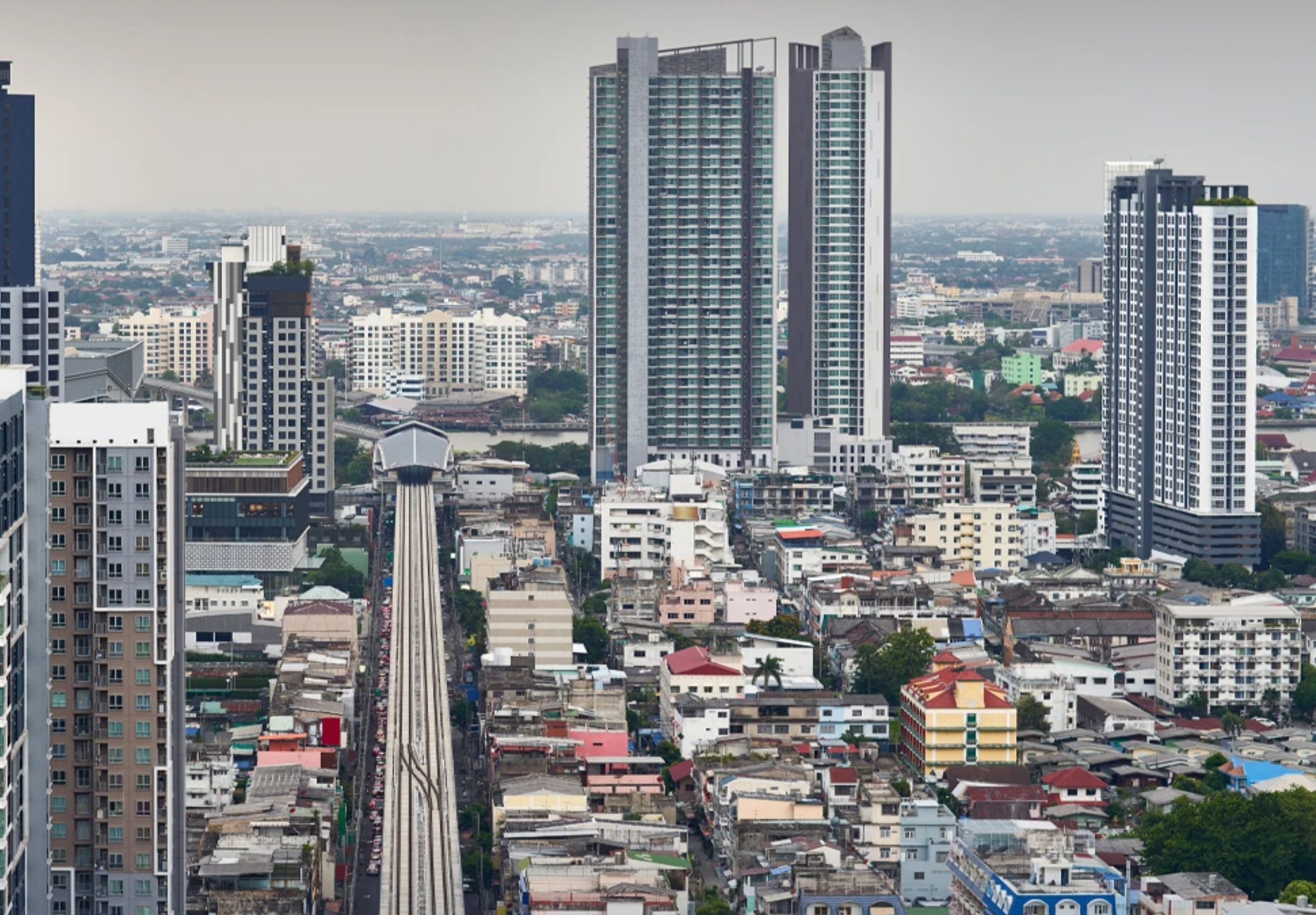
ภาพประกอบจาก เดอะ เนชั่น
ภาคคอนโดมิเนียมของไทยกำลังเผชิญกับวิกฤตสภาพคล่องที่อาจเกิดขึ้น เนื่องจากมีโครงการคอนโดมิเนียมใหม่มูลค่าเกือบ 150,000 ล้านบาท กำหนดส่งมอบในปี 2026 ซึ่งตรงกับช่วงที่ผู้พัฒนาอสังหาริมทรัพย์ต้องชำระคืนพันธบัตรองค์กรมูลค่ากว่า 180,000 ล้านบาทภายในปีเดียวกัน
ผู้นำในอุตสาหกรรมเตือนว่า หากไม่สามารถส่งมอบโครงการได้ตามแผน อาจทำให้ผู้พัฒนาอสังหาริมทรัพย์ประสบปัญหาขาดแคลนเงินสดอย่างรุนแรง คุกคามความสามารถในการชำระหนี้ และอาจก่อให้เกิดวิกฤตทางการเงินทั่วตลาดอสังหาริมทรัพย์
จากการวิเคราะห์ของกรุงเทพ ตุรกิจ สถานการณ์ดังกล่าวทำให้เกิดความกังวลเกี่ยวกับ “ผลกระทบแบบโดมิโน” ที่อาจลุกลามไปไกลกว่าบริษัทอสังหาริมทรัพย์ ไปสู่ภาคการก่อสร้างและจัดหาที่กว้างขึ้น
ภาคอสังหาริมทรัพย์ของไทยประสบปัญหาจากแรงกดดันทางเศรษฐกิจมาตั้งแต่ปี 2017 รวมถึงความไม่แน่นอนทางการเงินทั่วโลกและกำลังซื้อภายในประเทศที่อ่อนแอ ในช่วงเวลานั้น ตลาดต้องพึ่งพาผู้ซื้อต่างชาติมากขึ้นเพื่อรักษายอดขายและสภาพคล่อง
ปัจจุบันผู้ซื้อต่างชาติคิดเป็นสัดส่วนประมาณ 25% ของการโอนกรรมสิทธิ์คอนโดมิเนียมทั่วประเทศ และประมาณ 20% ในกรุงเทพฯ ความต้องการนี้ช่วยรักษาระดับความคึกคักของตลาดไว้ได้ แม้ว่าการซื้อขายภายในประเทศจะชะลอตัวลงก็ตาม
ประเสริฐ เตดุลยาสถิต ประธานสมาคมคอนโดมิเนียมไทย กล่าวกับบุษกรณ์ภูเส จากกรุงเทพธรากิจว่า ขณะนี้อุตสาหกรรมคอนโดมิเนียมกำลังอยู่ในสิ่งที่เขาเรียกว่า “โหมดเอาตัวรอด” จังหวะเวลาของการสร้างโครงการขนาดใหญ่แล้วเสร็จพร้อมกับการครบกำหนดชำระหนี้พันธบัตรองค์กรจำนวนมาก ได้เพิ่มแรงกดดันทางการเงินให้กับภาคส่วนนี้
คอนโดมิเนียมที่สร้างเสร็จใหม่ประมาณ 147 พันล้านบาท มีกำหนดโอนกรรมสิทธิ์ในปี 2026 การโอนกรรมสิทธิ์เหล่านี้มีความสำคัญต่อกระแสเงินสดของผู้พัฒนาโครงการ เพราะเป็นการปลดปล่อยเงินงวดสุดท้ายจากผู้ซื้อที่จำเป็นต่อการชำระคืนเงินกู้และพันธบัตร
หากการโอนกรรมสิทธิ์ไม่เป็นไปตามที่คาดการณ์ไว้ ผู้พัฒนาโครงการอาจประสบปัญหาในการชำระคืนพันธบัตรองค์กรกว่า 180 พันล้านบาทที่ครบกำหนดในปีนี้ ความเสี่ยงจะสูงเป็นพิเศษสำหรับผู้พัฒนาโครงการขนาดกลาง ซึ่งหลายรายมีอันดับเครดิต BBB ซึ่งเป็นระดับต่ำสุดที่ยังถือว่าอยู่ในระดับที่น่าลงทุน
การลดอันดับเครดิตใดๆ อาจทำให้การรีไฟแนนซ์หรือการต่ออายุหนี้ที่มีอยู่ทำได้ยากขึ้นอย่างมาก ซึ่งอาจนำไปสู่การผิดนัดชำระหนี้ในกลุ่มผู้พัฒนาอสังหาริมทรัพย์ที่มีฐานะทางการเงินไม่แข็งแรง
ความตึงเครียดทางการเงินเริ่มส่งผลกระทบต่อบริษัทต่างๆ ในห่วงโซ่อุปทานด้วยเช่นกัน มีรายงานว่าผู้พัฒนาอสังหาริมทรัพย์ที่ต้องการประหยัดเงินสดได้เลื่อนการชำระเงินให้กับผู้รับเหมาและซัพพลายเออร์ เพื่อจัดลำดับความสำคัญในการชำระคืนเงินประกันและดอกเบี้ย
การวิเคราะห์ในอุตสาหกรรมชี้ให้เห็นว่า ในขณะที่ผู้รับเหมาขนาดใหญ่อาจสามารถรับมือกับความล่าช้าชั่วคราวได้ แต่ผู้รับเหมาช่วงรายเล็กที่มีวงเงินเครดิตจำกัดอาจประสบปัญหาในการรับมือกับช่องว่างการชำระเงินที่ยาวนานหลายเดือน
สถานการณ์ดังกล่าวได้สร้างแรงกดดันต่อบริษัทก่อสร้าง ซัพพลายเออร์วัสดุ และผู้จัดหาแรงงานแล้ว ทำให้เกิดความกังวลว่าปัญหาทางการเงินอาจลุกลามไปยังเศรษฐกิจในวงกว้าง
ผู้นำในอุตสาหกรรมได้เรียกร้องให้มีการปฏิรูปโครงสร้างเพื่อช่วยสร้างเสถียรภาพให้กับตลาด มาตรการที่เสนอ ได้แก่ การผ่อนคลายกฎการให้สินเชื่อและการปรับปรุงกฎหมายอสังหาริมทรัพย์ให้ทันสมัย เพื่อสนับสนุนสภาพคล่องและรักษาความเชื่อมั่นในภาคอสังหาริมทรัพย์
รายงานจาก The Nation ระบุว่า นักลงทุน ผู้ให้กู้ และผู้กำหนดนโยบาย จะจับตาดูอย่างใกล้ชิดว่าภาคอสังหาริมทรัพย์จะจัดการกับปริมาณการโอนกรรมสิทธิ์และการชำระหนี้จำนองจำนวนมหาศาลในปี 2026 ได้อย่างไร
(ดัดแปลงโดย ASEAN Now Nation 14 มีนาคม 2026)