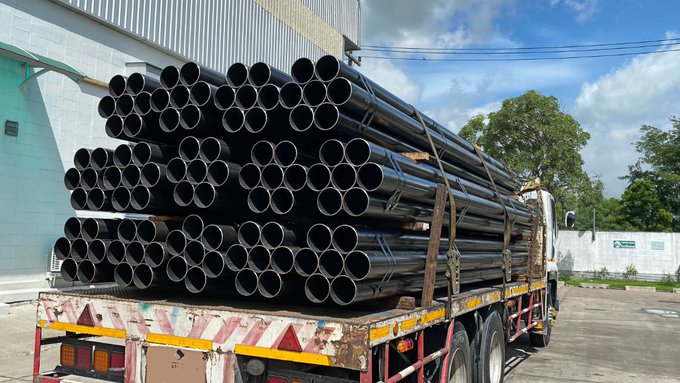
 Thai Steel Prices to Rise 10–15% in April Amid Cost Pressures
THIS NEWS ARTICLE KINDLY SPONSORED BY FALLPROTEC, A WORLD-RENOWNED NAME IN THE DESIGN AND MANUFACTURE OF PREMIUM FALL PROTECTION SYSTEMS AND HEIGHT ACCESS SOLUTIONS
Further Hikes Possible Steel prices in Thailand are set to rise by 10–15% across all categories in April, as manufacturers face mounting cost pressures, according to the Federation of Thai Industries (FTI).
The industry said the increase comes amid rising energy and transport expenses, with further price adjustments possible in the coming months depending on cost trends.
Thailand’s steel sector relies heavily on imported scrap metal due to the lack of domestic iron ore, leaving producers exposed to higher shipping and energy costs.
Manufacturers said they are facing a “fourfold impact” from rising transport costs, increased energy prices, surging freight rates, and a pending hike in electricity tariffs.
A second round of price increases could be considered in May if cost pressures continue to intensify.
Despite the rising costs, the industry does not expect immediate job cuts, supported by ongoing government infrastructure projects that continue to drive domestic demand.
However, producers are urging authorities to introduce measures to address dumping and promote the use of locally made steel.
Source: Thai Enquirer on twitter / X
Google Translation:
ราคาเหล็กไทยเตรียมปรับขึ้น 10-15% ในเดือนเมษายน ท่ามกลางแรงกดดันด้านต้นทุน
ข่าวนี้ได้รับการสนับสนุนโดย FALLPROTEC บริษัทชั้นนำระดับโลกด้านการออกแบบและผลิตระบบป้องกันการตกจากที่สูงและโซลูชันการเข้าถึงที่สูงระดับพรีเมียม
อาจมีการปรับขึ้นอีก ราคาเหล็กในประเทศไทยคาดว่าจะปรับขึ้น 10-15% ในทุกประเภทในเดือนเมษายน เนื่องจากผู้ผลิตเผชิญกับแรงกดดันด้านต้นทุนที่เพิ่มขึ้น ตามรายงานของสมาคมอุตสาหกรรมแห่งประเทศไทย (FTI)
ทางอุตสาหกรรมกล่าวว่า การเพิ่มขึ้นของราคาเกิดขึ้นท่ามกลางค่าใช้จ่ายด้านพลังงานและการขนส่งที่เพิ่มสูงขึ้น โดยอาจมีการปรับราคาเพิ่มเติมในอีกไม่กี่เดือนข้างหน้า ขึ้นอยู่กับแนวโน้มต้นทุน
ภาคอุตสาหกรรมเหล็กของไทยพึ่งพาเศษโลหะนำเข้าเป็นอย่างมาก เนื่องจากขาดแคลนแร่เหล็กในประเทศ ทำให้ผู้ผลิตต้องเผชิญกับต้นทุนการขนส่งและพลังงานที่สูงขึ้น
ผู้ผลิตกล่าวว่าพวกเขากำลังเผชิญกับ “ผลกระทบสี่เท่า” จากต้นทุนการขนส่งที่สูงขึ้น ราคาน้ำมันที่เพิ่มขึ้น อัตราค่าระวางเรือที่พุ่งสูงขึ้น และค่าไฟฟ้าที่กำลังจะขึ้น
อาจมีการพิจารณาขึ้นราคาอีกครั้งในเดือนพฤษภาคม หากแรงกดดันด้านต้นทุนยังคงทวีความรุนแรงขึ้น
ถึงแม้ต้นทุนจะสูงขึ้น แต่ภาคอุตสาหกรรมไม่คาดว่าจะมีการลดจำนวนพนักงานในทันที เนื่องจากได้รับการสนับสนุนจากโครงการโครงสร้างพื้นฐานของรัฐบาลที่กำลังดำเนินอยู่ ซึ่งยังคงขับเคลื่อนความต้องการภายในประเทศ
อย่างไรก็ตาม ผู้ผลิตกำลังเรียกร้องให้ทางการออกมาตรการเพื่อแก้ไขปัญหาการทุ่มตลาดและส่งเสริมการใช้เหล็กที่ผลิตในประเทศ