 Thai home-building market shrinks by 11%, Home Builder Association adapts with proactive strategies
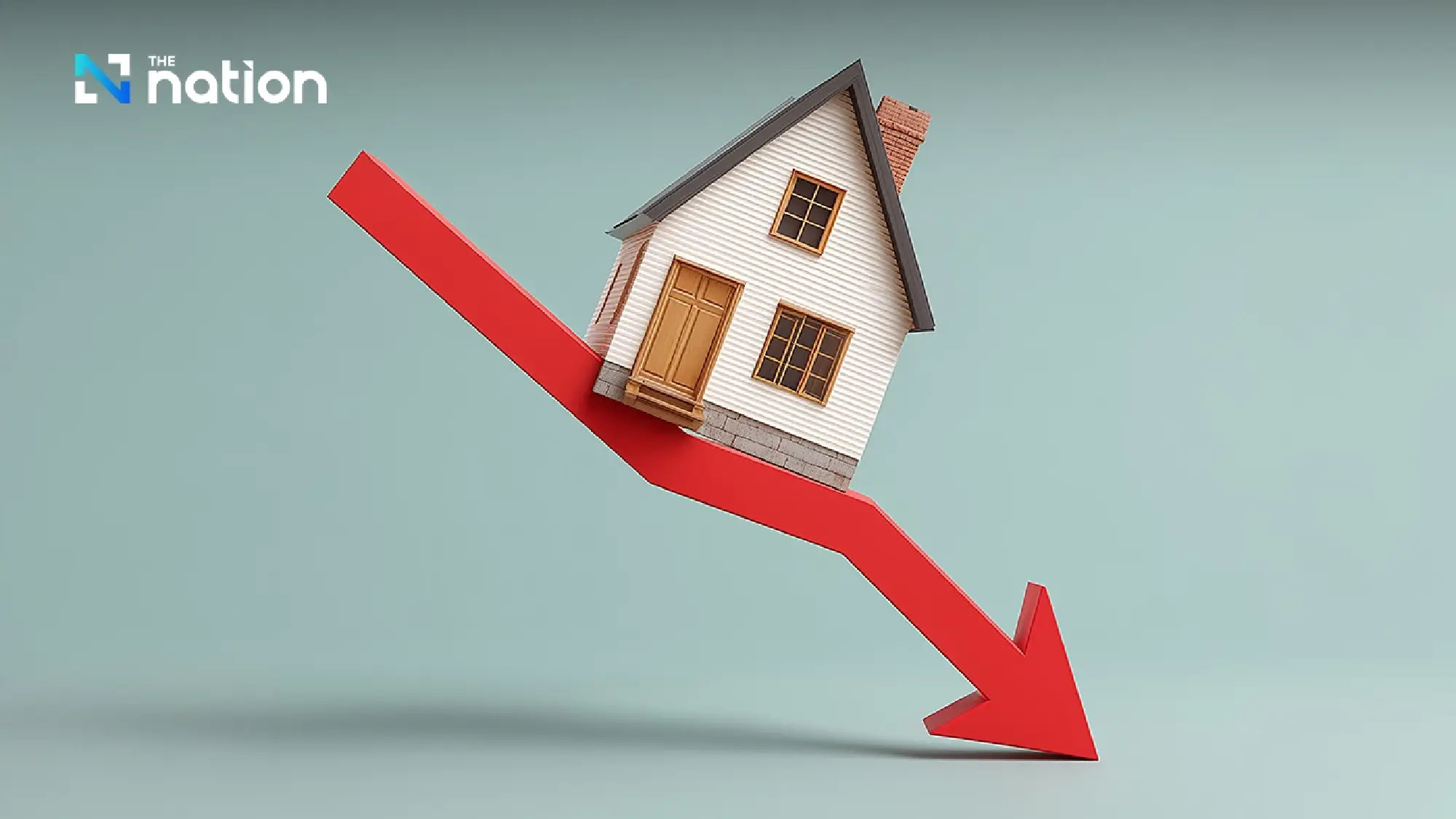
The Thai home-building market saw an 11% drop in Q1 2026, but the Home Builder Association is ramping up efforts across Thailand to stimulate the sector and prepare for recovery.
In the face of Thailand’s economic pressures, including slow consumer spending, high household debt, and tight credit conditions, the Home Builder Association (HBA) has announced a more proactive approach to navigate challenges in the home-building sector. The move follows a sluggish market, with Q1 2026 sales declining by 11% compared to the previous year.
According to Anantakorn Amornwatee, President of the Home Builder Association, the market for self-built homes in Thailand is expected to reach THB 190.134 billion in 2026, down from THB 213.36 billion in 2025. This downturn reflects the impact of a continuing sluggish economy.
 However, Anantakorn pointed to a significant shift in the market structure, noting that regional markets outside Bangkok remain strong, accounting for 77% of the market share. In contrast, Bangkok and its surrounding areas saw a 16% decrease, with total sales dropping to around THB 43.731 billion.
2026 strategy: Proactive and forward-thinking
In response, the Home Builder Association has adopted a more aggressive strategy under the vision of B-Q-O (Brand, Quality, Organisation). The focus will be on digital engagement, particularly through website upgrades and short-form video content to engage younger consumers. The association aims to differentiate its members from general contractors in terms of standards, credibility, and consumer safety.
The association also plans to elevate workforce quality across the entire business chain, from executives setting long-term direction, to sales teams evolving into home advisors, and construction teams ensuring engineering standards are met. Back-office teams will focus on improving cost control to mitigate risks of loss.
In addition to the B-Q-O strategy, the HBA has launched its first official regional committees in the Northeast and South, where more than 10 member companies exist, to enhance operational efficiency and extend the reach of quality home-building services across the country.
 Future-focused measures to boost home-building
Anantakorn also shared that following the formation of a new government after the 2026 election, the Home Builder Association plans to propose three key measures aimed at stimulating the home-building market:
- Co-payment scheme for the housing sector, where the government would assist with certain costs like construction materials or initial interest payments.
- An extension of the tax deduction scheme for another two years, extending the deadline from 31 December 2025 to 31 December 2027.
- An increase in the tax deduction limit for building homes from THB 100,000 to THB 500,000 to better reflect current construction costs.
- These measures are designed to encourage house-building decisions, accelerate economic circulation, and instil confidence in consumers, particularly as construction costs and wages are expected to rise in the near future.
Despite the challenges, Anantakorn remains confident about the long-term future of the Thai home-building market. He estimates that the total market value for 2026 will be similar to 2025, around THB 190 billion. He also advised anyone considering building a home to make a decision soon, as it is still an optimal time for cost-effective building.
The Home Builder Association remains committed to raising standards within the home-building industry, aiming to be a trusted partner for consumers even as the economy works towards recovery. As the market adjusts, the association’s proactive approach aims to set the stage for a stable, thriving future in home construction.
Source: https://www.nationthailand.com/business/property/40062527
Google Translation:
ตลาดก่อสร้างบ้านไทยหดตัว 11% สมาคมผู้สร้างบ้านปรับตัวด้วยกลยุทธ์เชิงรุก
ตลาดก่อสร้างบ้านไทยลดลง 11% ในไตรมาสแรกของปี 2026 แต่สมาคมผู้สร้างบ้านกำลังเร่งความพยายามทั่วประเทศไทยเพื่อกระตุ้นภาคส่วนนี้และเตรียมพร้อมสำหรับการฟื้นตัว
ท่ามกลางแรงกดดันทางเศรษฐกิจของประเทศไทย รวมถึงการใช้จ่ายของผู้บริโภคที่ชะลอตัว หนี้ครัวเรือนสูง และเงื่อนไขสินเชื่อที่เข้มงวด สมาคมผู้สร้างบ้าน (HBA) ได้ประกาศแนวทางเชิงรุกมากขึ้นเพื่อรับมือกับความท้าทายในภาคการก่อสร้างบ้าน การเคลื่อนไหวนี้เกิดขึ้นหลังจากตลาดซบเซา โดยยอดขายในไตรมาสแรกของปี 2026 ลดลง 11% เมื่อเทียบกับปีที่แล้ว
ตามที่ อนันตากร อมรวัฒน์ ประธานสมาคมผู้สร้างบ้าน กล่าวว่า ตลาดบ้านที่สร้างเองในประเทศไทยคาดว่าจะอยู่ที่ 190.134 พันล้านบาทในปี 2026 ลดลงจาก 213.36 พันล้านบาทในปี 2025 การลดลงนี้สะท้อนให้เห็นถึงผลกระทบของเศรษฐกิจที่ยังคงชะลอตัวอย่างต่อเนื่อง
อย่างไรก็ตาม อนันตากรชี้ให้เห็นถึงการเปลี่ยนแปลงที่สำคัญในโครงสร้างตลาด โดยระบุว่าตลาดระดับภูมิภาคนอกกรุงเทพฯ ยังคงแข็งแกร่ง คิดเป็น 77% ของส่วนแบ่งการตลาด ในทางตรงกันข้าม กรุงเทพฯ และพื้นที่โดยรอบมียอดขายลดลง 16% โดยยอดขายรวมลดลงเหลือประมาณ 43.731 พันล้านบาท
ตลาดก่อสร้างบ้านของไทยหดตัว 11% สมาคมผู้สร้างบ้านปรับตัวด้วยกลยุทธ์เชิงรุก
กลยุทธ์ปี 2026: เชิงรุกและมองการณ์ไกล
เพื่อตอบสนองต่อสถานการณ์ สมาคมผู้สร้างบ้านได้นำกลยุทธ์เชิงรุกมาใช้มากขึ้นภายใต้วิสัยทัศน์ B-Q-O (แบรนด์ คุณภาพ องค์กร) โดยจะเน้นการมีส่วนร่วมทางดิจิทัล โดยเฉพาะอย่างยิ่งผ่านการปรับปรุงเว็บไซต์และเนื้อหาวิดีโอสั้นเพื่อดึงดูดผู้บริโภครุ่นใหม่ สมาคมมุ่งมั่นที่จะสร้างความแตกต่างให้กับสมาชิกจากผู้รับเหมาก่อสร้างทั่วไปในแง่ของมาตรฐาน ความน่าเชื่อถือ และความปลอดภัยของผู้บริโภค
นอกจากนี้ สมาคมยังวางแผนที่จะยกระดับคุณภาพของบุคลากรตลอดทั้งห่วงโซ่ธุรกิจ ตั้งแต่ผู้บริหารที่กำหนดทิศทางระยะยาว ไปจนถึงทีมขายที่พัฒนาเป็นที่ปรึกษาด้านบ้าน และทีมก่อสร้างที่ตรวจสอบให้แน่ใจว่าได้ปฏิบัติตามมาตรฐานทางวิศวกรรม ทีมงานฝ่ายสนับสนุนจะมุ่งเน้นการปรับปรุงการควบคุมต้นทุนเพื่อลดความเสี่ยงจากการขาดทุน
นอกจากกลยุทธ์ B-Q-O แล้ว สมาคมผู้สร้างบ้าน (HBA) ยังได้จัดตั้งคณะกรรมการระดับภูมิภาคอย่างเป็นทางการครั้งแรกในภาคตะวันออกเฉียงเหนือและภาคใต้ ซึ่งมีบริษัทสมาชิกมากกว่า 10 แห่ง เพื่อเพิ่มประสิทธิภาพการดำเนินงานและขยายการเข้าถึงบริการสร้างบ้านที่มีคุณภาพไปทั่วประเทศ
มาตรการที่มุ่งเน้นอนาคตเพื่อกระตุ้นการสร้างบ้าน
อนันตากรยังกล่าวอีกว่า หลังจากการจัดตั้งรัฐบาลใหม่หลังการเลือกตั้งปี 2569 สมาคมผู้สร้างบ้านมีแผนที่จะเสนอมาตรการสำคัญ 3 ประการเพื่อกระตุ้นตลาดการสร้างบ้าน ได้แก่:
โครงการร่วมจ่ายสำหรับภาคที่อยู่อาศัย โดยรัฐบาลจะให้ความช่วยเหลือในบางส่วนของค่าใช้จ่าย เช่น วัสดุก่อสร้าง หรือการชำระดอกเบี้ยเบื้องต้น
การขยายระยะเวลาการหักลดหย่อนภาษีออกไปอีก 2 ปี จากวันที่ 31 ธันวาคม 2568 เป็นวันที่ 31 ธันวาคม 2560
การเพิ่มวงเงินหักลดหย่อนภาษีสำหรับการสร้างบ้านจาก 100,000 บาท เป็น 500,000 บาท เพื่อให้สะท้อนต้นทุนการก่อสร้างในปัจจุบันได้ดียิ่งขึ้น
มาตรการเหล่านี้ออกแบบมาเพื่อกระตุ้นการตัดสินใจสร้างบ้าน เร่งการหมุนเวียนทางเศรษฐกิจ และสร้างความมั่นใจให้กับผู้บริโภค โดยเฉพาะอย่างยิ่งเนื่องจากคาดว่าต้นทุนการก่อสร้างและค่าแรงจะสูงขึ้นในอนาคตอันใกล้
แม้จะมีอุปสรรคต่างๆ นายอนันตากรยังคงมั่นใจในอนาคตระยะยาวของตลาดก่อสร้างบ้านของไทย เขาคาดการณ์ว่ามูลค่าตลาดรวมในปี 2026 จะใกล้เคียงกับปี 2025 ประมาณ 190,000 ล้านบาท และแนะนำให้ผู้ที่กำลังพิจารณาสร้างบ้านตัดสินใจโดยเร็ว เนื่องจากยังเป็นช่วงเวลาที่เหมาะสมที่สุดสำหรับการสร้างบ้านอย่างคุ้มค่า
สมาคมผู้สร้างบ้านยังคงมุ่งมั่นที่จะยกระดับมาตรฐานภายในอุตสาหกรรมก่อสร้างบ้าน โดยมีเป้าหมายที่จะเป็นพันธมิตรที่น่าเชื่อถือสำหรับผู้บริโภค แม้ว่าเศรษฐกิจจะกำลังฟื้นตัวก็ตาม ในขณะที่ตลาดกำลังปรับตัว แนวทางเชิงรุกของสมาคมมีเป้าหมายที่จะวางรากฐานสำหรับอนาคตที่มั่นคงและเจริญรุ่งเรืองในอุตสาหกรรมก่อสร้างบ้าน