Rethinking Thailand’s visa-free policy
Bangkok Post Opinion by Kavi Chongkittavorn
A veteran journalist on regional affairs
Kavi Chongkittavorn is a veteran journalist on regional affairs
Thailand is planning to cut visa-free stays from 60 days to 30 days. This long-overdue change reflects growing concern over the effectiveness of immigration surveillance. Moreover, scaling down visa-free stays underscores the seriousness of the Anutin government’s efforts to combat scammers, illegal work, and other underground activities that exploit easy visa
access to turn Thailand into a base for under-the-table operations.
The big question is: Is reducing the visa-free stay enough to solve such a large problem?
The 60-day visa-free policy was introduced in July 2024 under the Srettha Thavisin government to attract more tourists after the Covid-19 pandemic. At the time, it was a welcome move, as the tourism industry needed a boost. Related sectors such as airlines, hotels, restaurants, and services benefited.
In addition to the 60-day stay, the number of visa-exempt countries expanded from 57 to 93. The challenge has been the dramatic increase in visitor access from all corners of the world. Only two countries, Singapore and the Maldives, offer more open access than Thailand.
However, their territories are smaller, whereas Thailand’s larger size allows visitors to travel far and wide. Some overstay and remain unaccounted for.
Thailand has frequently used its visa policy as a rapid-response tool to win back tourists after coups and other crises. One could argue that this approach has become institutionalised.
However, this time, the 2024 visa policy has created new problems by attracting visitors the country does not want. They are not tourists, long-stay retirees, or digital nomads whom Thailand seeks to attract.
Instead, some entrants are scammers who use Thailand as a base for illegal activities, while others are recruited workers transiting through the country. In recent years, online scam centres have mushroomed along the country’s eastern and western borders.
The Ministry of Foreign Affairs supports the proposed change and has already urged the incoming government to reduce the visa-free stay to 30 days. Travellers wishing to stay longer can apply for extensions. In reality, the government is also trying to curb “visa runs” — trips across borders to obtain a new entry stamp.
Another question is whether the original goal of longer visa-free stays has borne fruit. After the pandemic, the Srettha government hoped that more flexible visa rules would attract tourists and digital nomads.
So far, however, this remains largely wishful thinking, as many prefer countries with more stable environments, stronger digital infrastructure, and better ecosystems. Instead, the policy has drawn some visitors engaged in the “grey economy”, including online fraud, illegal gambling, and pornography.
The real challenge lies in whether immigration authorities can effectively control border movement. Geography poses major obstacles. Except for the Malaysian border, Thailand’s frontiers with Myanmar, Cambodia, and Laos are not fully demarcated.
While there are around 90 official land checkpoints, there are also numerous natural crossings — unguarded areas where traffickers can smuggle people across borders, sometimes with the collusion of corrupt local officials.
To be fair, most tourists are not the problem. The majority stay for one or two weeks, enjoy sightseeing and food, and return home. They follow the rules and support the economy. The issue lies with a smaller group that exploits weak enforcement and unclear regulations.
At face value, halving the stay period to four weeks could help tighten immigration controls and discourage long-term overstayers. However, it may not deter those intent on breaking the law. Criminal networks are highly adaptive and can move in and out of the country quickly.
As the Anutin government has learned, illegal entry often occurs through unguarded channels, making visa policy less relevant.
The Ministry of Foreign Affairs has encouraged long-stay visitors to apply for appropriate visas. The government continues to welcome groups such as retirees.
Meanwhile, shifting geopolitical conditions — particularly in the Gulf — have prompted some residents affected by the US-Israel tensions with Iran to inquire about relocating to Thailand.
At a deeper level, Thailand faces serious challenges in immigration checks, digital entry systems, and overstay enforcement. When the 60-day visa-free policy was introduced, the electronic travel authorisation (ETA) system was not fully operational, leaving gaps in visitor registration. This allowed some to overstay and remain in the country undetected.
The country also needs better-integrated tracking systems across all checkpoints. Currently, some individuals exploit gaps between data systems at different entry points.
Closer cooperation with neighbouring countries is also essential. There have been cases in which illegal entrants crossed into Thailand with the assistance of corrupt officials. Improved data-sharing, intelligence coordination, and joint enforcement actions would help identify high-risk individuals.
Finally, Thailand should consider seeking reciprocity in visa-free arrangements. Bangkok should not shy away from this. At present, Thai passport holders can enter only 74 countries visa-free, while many of the 93 countries granted access to Thailand — particularly developed Western nations — have not reciprocated.
According to the latest Henley Passport Index, Singapore ranks highest globally with 192 visa-free destinations. Thailand still trails Malaysia, Brunei, and Timor-Leste.
In the future, stronger border management, more specialised visa categories, and improved immigration systems will better support tourism by targeting the right groups — while helping to block the entry of grey-area operators.
Source: https://www.bangkokpost.com/opinion/opinion/3227559/rethinking-thailands-visafree-policy
Google Translation:
การทบทวนนโยบายการยกเว้นวีซ่าของประเทศไทย
บทความแสดงความคิดเห็นจากบางกอกโพสต์ โดย กาวี ชงกิตติวร
นักข่าวอาวุโสประจำภูมิภาค
กาวี ชงกิตติวร เป็นนักข่าวอาวุโสประจำภูมิภาค
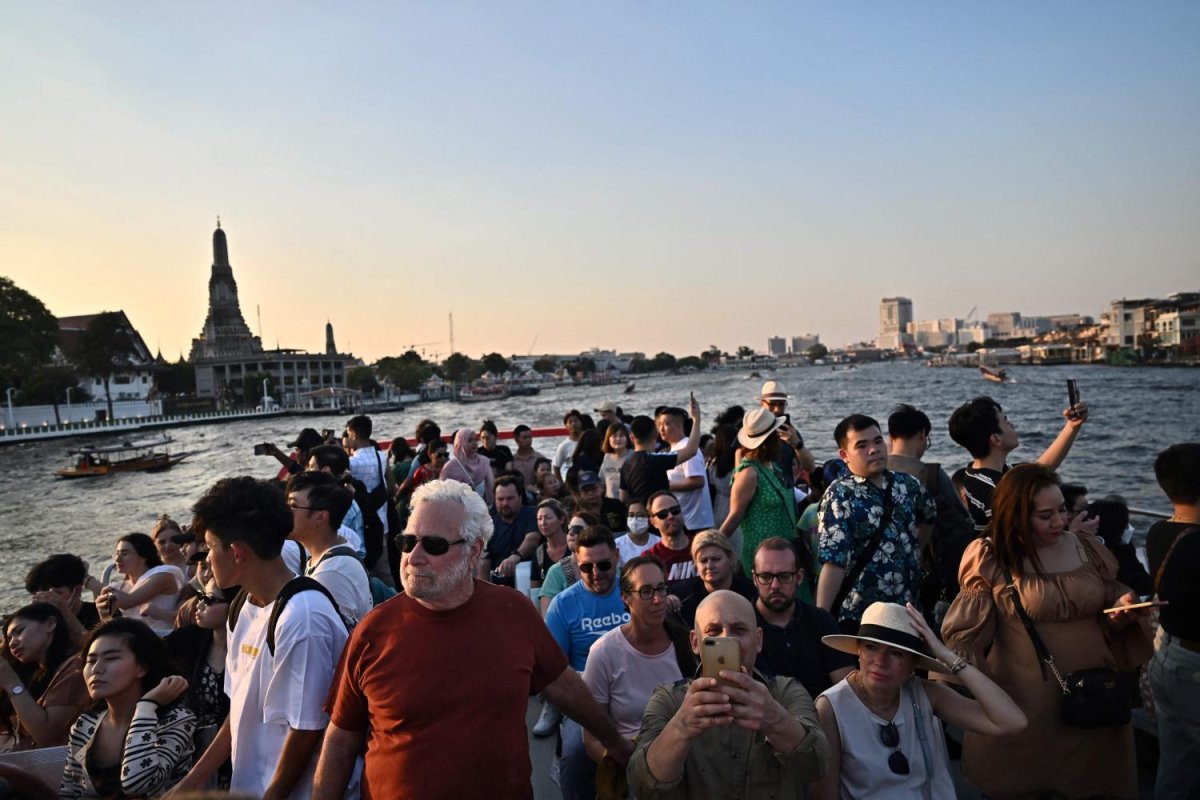
ภาพถ่ายนี้ ลงวันที่ 27 ธันวาคม 2566 แสดงให้เห็นนักท่องเที่ยวและคนท้องถิ่นบนดาดฟ้าเรือโดยสารท่องเที่ยวในแม่น้ำเจ้าพระยา กรุงเทพฯ (ภาพ: AFP)
ประเทศไทยกำลังวางแผนที่จะลดระยะเวลาการพำนักโดยไม่ต้องขอวีซ่าจาก 60 วัน เหลือ 30 วัน การเปลี่ยนแปลงที่ล่าช้ามานานนี้สะท้อนให้เห็นถึงความกังวลที่เพิ่มขึ้นเกี่ยวกับประสิทธิภาพของการเฝ้าระวังด้านการตรวจคนเข้าเมือง นอกจากนี้ การลดระยะเวลาการพำนักโดยไม่ต้องขอวีซ่ายังเน้นย้ำถึงความจริงจังของรัฐบาลอนุทินในการต่อสู้กับมิจฉาชีพ การทำงานผิดกฎหมาย และกิจกรรมใต้ดินอื่นๆ ที่ใช้ประโยชน์จากการเข้าถึงวีซ่าได้ง่าย เพื่อเปลี่ยนประเทศไทยให้เป็นฐานสำหรับการดำเนินงานใต้โต๊ะ
คำถามสำคัญคือ การลดระยะเวลาการพำนักโดยไม่ต้องขอวีซ่าเพียงพอที่จะแก้ปัญหาใหญ่เช่นนี้หรือไม่?
นโยบายยกเว้นวีซ่า 60 วัน ถูกนำมาใช้ในเดือนกรกฎาคม 2567 ภายใต้รัฐบาลของนายศเรษฐาเทวิสิน เพื่อดึงดูดนักท่องเที่ยวมากขึ้นหลังจากสถานการณ์โควิด-19 ในขณะนั้น นับเป็นการเคลื่อนไหวที่น่ายินดี เนื่องจากอุตสาหกรรมการท่องเที่ยวต้องการการกระตุ้น ภาคส่วนที่เกี่ยวข้อง เช่น สายการบิน โรงแรม ร้านอาหาร และบริการต่าง ๆ ได้รับประโยชน์
นอกจากระยะเวลาพำนัก 60 วันแล้ว จำนวนประเทศที่ได้รับการยกเว้นวีซ่ายังขยายจาก 57 ประเทศเป็น 93 ประเทศ ความท้าทายอยู่ที่การเพิ่มขึ้นอย่างมากของจำนวนนักท่องเที่ยวจากทั่วทุกมุมโลก มีเพียงสองประเทศ คือ สิงคโปร์และมัลดีฟส์ ที่เปิดกว้างกว่าประเทศไทย
อย่างไรก็ตาม พื้นที่ของประเทศเหล่านั้นเล็กกว่า ในขณะที่ขนาดที่ใหญ่กว่าของประเทศไทยทำให้ผู้มาเยือนสามารถเดินทางไปได้ไกลและกว้างขวาง บางคนอยู่เกินกำหนดและไม่สามารถติดตามได้
ประเทศไทยมักใช้มาตรการวีซ่าเป็นเครื่องมือตอบสนองฉับพลันเพื่อดึงดูดนักท่องเที่ยวกลับมาหลังจากการรัฐประหารและวิกฤตการณ์อื่น ๆ อาจกล่าวได้ว่าวิธีการนี้ได้กลายเป็นส่วนหนึ่งของระบบไปแล้ว
อย่างไรก็ตาม ในครั้งนี้ นโยบายวีซ่าปี 2024 ได้สร้างปัญหาใหม่โดยดึงดูดผู้ที่ประเทศไม่ต้องการเข้ามา พวกเขาไม่ใช่กลุ่มนักท่องเที่ยว ผู้เกษียณอายุที่มาพักอาศัยระยะยาว หรือกลุ่มดิจิทัลโนแมด ซึ่งเป็นกลุ่มเป้าหมายที่ประเทศไทยต้องการดึงดูด
แต่กลับเป็นพวกมิจฉาชีพที่ใช้ประเทศไทยเป็นฐานในการทำกิจกรรมผิดกฎหมาย ขณะที่บางส่วนเป็นแรงงานรับจ้างที่เดินทางผ่านประเทศ ในช่วงไม่กี่ปีที่ผ่านมา ศูนย์กลางการหลอกลวงทางออนไลน์ได้ผุดขึ้นมากมายตามแนวชายแดนด้านตะวันออกและตะวันตกของประเทศ
กระทรวงการต่างประเทศสนับสนุนการเปลี่ยนแปลงที่เสนอ และได้เรียกร้องให้รัฐบาลชุดใหม่ลดระยะเวลาการอยู่โดยไม่ต้องขอวีซ่าเหลือ 30 วัน ผู้เดินทางที่ต้องการอยู่ต่อสามารถยื่นขอต่ออายุได้ ในความเป็นจริง รัฐบาลกำลังพยายามควบคุม “การวิ่งวีซ่า” ซึ่งเป็นการเดินทางข้ามพรมแดนเพื่อขอประทับตราเข้าประเทศใหม่
อีกคำถามหนึ่งคือ เป้าหมายเดิมของการขยายระยะเวลาการอยู่โดยไม่ต้องขอวีซ่านั้นได้ผลหรือไม่ หลังจากสถานการณ์โรคระบาด รัฐบาลของนายศเรษฐาหวังว่ากฎระเบียบวีซ่าที่ยืดหยุ่นมากขึ้นจะดึงดูดนักท่องเที่ยวและกลุ่มดิจิทัลโนแมดได้
อย่างไรก็ตาม จนถึงขณะนี้ สิ่งนี้ยังคงเป็นเพียงความหวังลมๆ แล้งๆ เพราะหลายคนยังคงเลือกประเทศที่มีสภาพแวดล้อมที่มั่นคงกว่า โครงสร้างพื้นฐานดิจิทัลที่แข็งแกร่งกว่า และระบบนิเวศที่ดีกว่า นโยบายนี้กลับดึงดูดนักท่องเที่ยวที่เกี่ยวข้องกับ “เศรษฐกิจนอกระบบ” ซึ่งรวมถึงการฉ้อโกงออนไลน์ การพนันผิดกฎหมาย และสื่อลามก
ความท้าทายที่แท้จริงอยู่ที่ว่าหน่วยงานตรวจคนเข้าเมืองจะสามารถควบคุมการเคลื่อนไหวข้ามพรมแดนได้อย่างมีประสิทธิภาพหรือไม่ ภูมิศาสตร์เป็นอุปสรรคสำคัญ ยกเว้นพรมแดนมาเลเซีย พรมแดนของไทยกับเมียนมาร์ กัมพูชา และลาว ยังไม่ได้กำหนดเขตแดนอย่างชัดเจน
แม้จะมีด่านตรวจคนเข้าเมืองอย่างเป็นทางการประมาณ 90 แห่ง แต่ก็ยังมีจุดข้ามแดนตามธรรมชาติอีกมากมาย ซึ่งเป็นพื้นที่ที่ไม่มีการเฝ้าระวัง ทำให้ผู้ค้ามนุษย์สามารถลักลอบนำคนข้ามพรมแดนได้ บางครั้งโดยได้รับความร่วมมือจากเจ้าหน้าที่ท้องถิ่นที่ทุจริต
เพื่อความเป็นธรรม นักท่องเที่ยวส่วนใหญ่ไม่ใช่ปัญหา ส่วนใหญ่จะพักอยู่หนึ่งหรือสองสัปดาห์ เพลิดเพลินกับการเที่ยวชมสถานที่และอาหาร แล้วก็กลับบ้าน พวกเขาปฏิบัติตามกฎและสนับสนุนเศรษฐกิจ ปัญหาอยู่ที่กลุ่มเล็กๆ ที่ใช้ประโยชน์จากการบังคับใช้กฎหมายที่อ่อนแอและกฎระเบียบที่ไม่ชัดเจน
โดยผิวเผิน การลดระยะเวลาพำนักเหลือสี่สัปดาห์อาจช่วยกระชับการควบคุมการเข้าเมืองและยับยั้งผู้ที่อยู่เกินกำหนดเป็นเวลานานได้ อย่างไรก็ตาม อาจไม่สามารถยับยั้งผู้ที่ตั้งใจจะฝ่าฝืนกฎหมายได้ เครือข่ายอาชญากรมีความคล่องตัวสูงและสามารถเคลื่อนย้ายเข้าออกประเทศได้อย่างรวดเร็ว
ดังที่รัฐบาลของนายอนุทินได้เรียนรู้ การเข้าเมืองอย่างผิดกฎหมายมักเกิดขึ้นผ่านช่องทางที่ไม่มีการเฝ้าระวัง ทำให้มาตรการวีซ่ามีความสำคัญน้อยลง
กระทรวงการต่างประเทศได้สนับสนุนให้ผู้ที่ต้องการพำนักระยะยาวขอวีซ่าที่เหมาะสม รัฐบาลยังคงยินดีต้อนรับกลุ่มต่างๆ เช่น ผู้เกษียณอายุ
ขณะเดียวกัน สภาพการณ์ทางภูมิรัฐศาสตร์ที่เปลี่ยนแปลงไป โดยเฉพาะในอ่าวเปอร์เซีย ได้กระตุ้นให้ผู้อยู่อาศัยบางส่วนที่ได้รับผลกระทบจากความตึงเครียดระหว่างสหรัฐฯ-อิสราเอลกับอิหร่าน สอบถามเกี่ยวกับการย้ายถิ่นฐานมายังประเทศไทย
ในระดับที่ลึกกว่านั้น ประเทศไทยเผชิญกับความท้าทายอย่างร้ายแรงในด้านการตรวจสอบการเข้าเมือง ระบบการเข้าประเทศแบบดิจิทัล และการบังคับใช้กฎหมายเกี่ยวกับการอยู่เกินกำหนด เมื่อมีการนำนโยบายยกเว้นวีซ่า 60 วันมาใช้ ระบบการอนุมัติการเดินทางทางอิเล็กทรอนิกส์ (ETA) ยังใช้งานได้ไม่เต็มที่ ทำให้เกิดช่องว่างในการลงทะเบียนผู้มาเยือน สิ่งนี้ทำให้บางคนสามารถอยู่เกินกำหนดและพำนักอยู่ในประเทศได้โดยไม่ถูกตรวจพบ
ประเทศไทยยังต้องการระบบติดตามที่บูรณาการที่ดีขึ้นในทุกด่านตรวจ ปัจจุบัน บุคคลบางกลุ่มใช้ประโยชน์จากช่องโหว่ระหว่างระบบข้อมูลในจุดเข้าเมืองต่างๆ
ความร่วมมือที่ใกล้ชิดกับประเทศเพื่อนบ้านก็มีความสำคัญเช่นกัน มีหลายกรณีที่ผู้ลักลอบเข้าเมืองข้ามแดนเข้ามาในประเทศไทยโดยได้รับความช่วยเหลือจากเจ้าหน้าที่ทุจริต การแบ่งปันข้อมูล การประสานงานด้านข่าวกรอง และการบังคับใช้กฎหมายร่วมกันที่ดีขึ้น จะช่วยระบุบุคคลที่มีความเสี่ยงสูงได้
สุดท้ายนี้ ประเทศไทยควรพิจารณาขอความร่วมมือในเรื่องการยกเว้นวีซ่า กรุงเทพฯ ไม่ควรหลีกเลี่ยงเรื่องนี้ ปัจจุบัน ผู้ถือหนังสือเดินทางไทยสามารถเข้าประเทศได้โดยไม่ต้องขอวีซ่าเพียง 74 ประเทศ ในขณะที่หลายประเทศจาก 93 ประเทศที่ได้รับอนุญาตให้เข้าประเทศไทยโดยไม่ต้องขอวีซ่า โดยเฉพาะประเทศพัฒนาแล้วในตะวันตก ยังไม่ได้ให้ความร่วมมือเช่นเดียวกัน
จากดัชนีหนังสือเดินทางเฮนลีย์ล่าสุด สิงคโปร์ครองอันดับสูงสุดในโลกด้วยจำนวนประเทศที่เข้าได้โดยไม่ต้องขอวีซ่าถึง 192 ประเทศ ประเทศไทยยังคงตามหลังมาเลเซีย บรูไน และติมอร์-เลสเต
ในอนาคต การบริหารจัดการชายแดนที่เข้มงวดมากขึ้น การกำหนดประเภทวีซ่าที่เฉพาะเจาะจงมากขึ้น และระบบตรวจคนเข้าเมืองที่ดีขึ้น จะช่วยสนับสนุนการท่องเที่ยวได้ดียิ่งขึ้น โดยการกำหนดเป้าหมายกลุ่มนักท่องเที่ยวที่เหมาะสม ในขณะเดียวกันก็ช่วยสกัดกั้นการเข้าเมืองของผู้ประกอบการที่ผิดกฎหมาย