Koh Samui Bridge Plan Framed as Economic Opportunity for the South
Connecting Don Sak district in Surat Thani province to Taling Ngam beach on Koh Samui
Former Bangkok deputy governor and former Democrat Party deputy leader Dr Samart Ratchapolsitte has said the proposed bridge linking Koh Samui to the mainland would transform southern Thailand’s economy, not merely improve transport. In a Facebook post on 2 January 2026, he said the project would cut sea crossings times, creating immediate benefits for travel, logistics and quality of life.
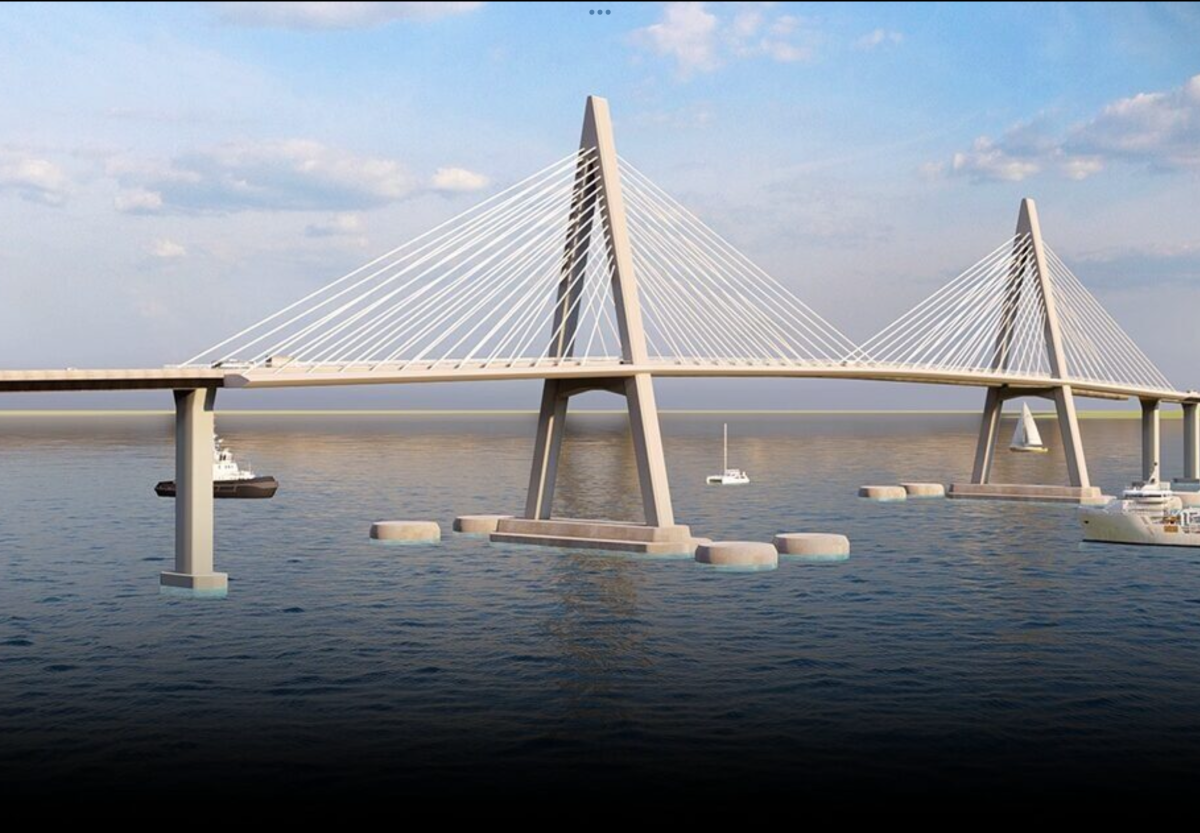
The proposal centres on a bridge connecting Don Sak district in Surat Thani province to Taling Ngam beach on Koh Samui. Dr Samart said the Expressway Authority of Thailand (EXAT) is studying the project’s feasibility and environmental impact assessment (EIA), with the bridge and connecting roads covering a total distance of 37.41 kilometres.
According to the details cited, the project would use a cable-stayed bridge design with an estimated investment of 55 billion baht. Construction is expected to take five years, with a projected start in 2029 and opening in 2037, if approvals proceed as planned.
Dr Samart said the reduction in travel time would fundamentally change the “economic geography of the South”. He argued that reliance on ferry services currently adds time, cost and weather-related risk to travel and freight between the island and the mainland.
He outlined wider implications if the Samui bridge were developed alongside the proposed Surat Thani–Phuket motorway. Under that scenario, travel time between Koh Samui and Phuket would fall from around six hours to about two and a half hours over a distance of 236 kilometres.
Dr Samart said this would allow tourists to travel by car across multiple destinations, linking Samui, Koh Phangan, Phuket and the Andaman coast into a single tourism cluster. He added that longer stays and higher spending could help distribute income beyond large hotels to restaurants, communities and secondary cities.
On logistics, he said a fixed link would reduce transport costs and improve reliability for agricultural and seafood products, which are currently vulnerable to delays and sea conditions. This could support local businesses, logistics hubs and distribution centres, shifting Samui’s role beyond tourism alone.
He also highlighted social impacts, saying emergency medical transfers would no longer depend on ferry schedules, reducing risks to patients. Students and workers would be able to commute more easily between the island and the mainland without relocating.
Matichon reported that Dr Samart concluded that the bridge should be seen as a long-term opportunity for the southern economy and Thailand as a whole. He publicly expressed support for EXAT and called for the project to move forward.
Key Takeaways
• The Samui bridge would reduce the current sea crossing times.
• EXAT is studying a 37.41-kilometre cable-stayed bridge project worth about 55 billion baht.
• Construction if approved is projected to start in 2029 and open in 2037, subject to approvals.
Adapted by ASEAN Now from Matichon 2026-01-04
Source: https://aseannow.com/topic/1383572-samui-bridge-plan-framed-as-economic-opportunity-for-the-south/