 Discover the 1,700-Year-Old Ancient Dvaravati Town and UNESCO World Heritage Site The Ancient Town of Si Thep, located in Thailand’s Phetchabun province
A “must” visit if travelling Route 21 between Saraburi – Phetchabun – Loei
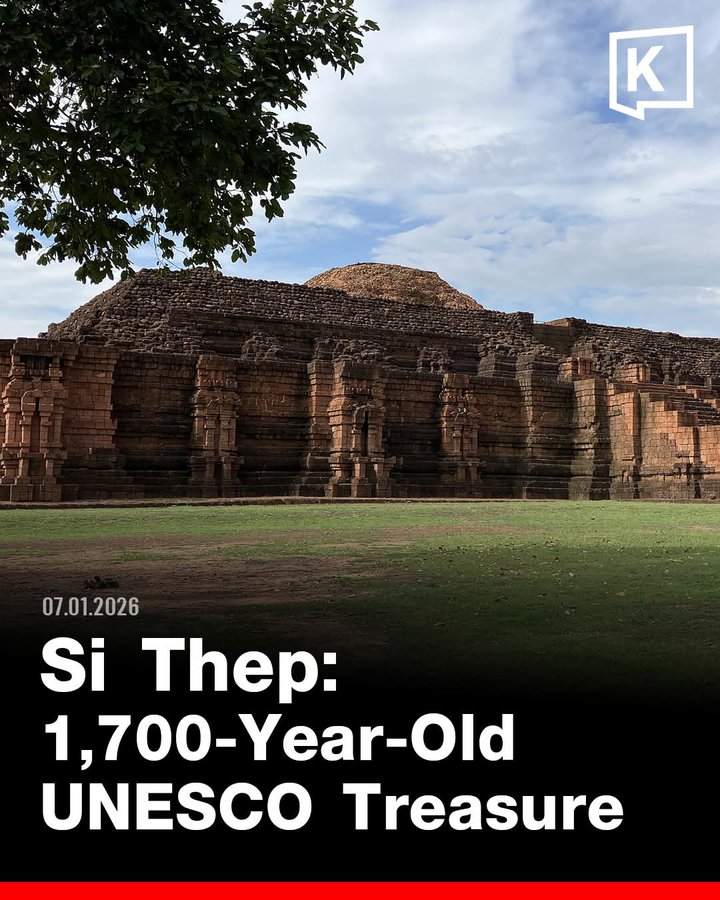
The 1,700-Year-Old Ancient Dvaravati Town and UNESCO World Heritage Site The Ancient Town of Si Thep, located in Thailand’s Phetchabun province, stands as one of the most significant archaeological landmarks in Southeast Asia.
Inhabited from as early as the third century CE until the thirteenth century, this expansive site captures a transition from late prehistory through the Dvaravati period and into the Khmer Empire’s golden age.
On September 19, 2023, its historical importance was globally recognized when it was inscribed on the UNESCO World Heritage List as “The Ancient Town of Si Thep and Its Associated Dvaravati Monuments.”
A Unique Twin-Town Layout According to UNESCO, the site is a serial property consisting of three distinct components.
The heart of the site is a unique twin-town layout featuring an Inner Town (Muang Nai) and an Outer Town (Muang Nok), both of which are surrounded by protective moats.
This structure served as one of the largest city-states to emerge in the plains of Central Thailand during the first millennium. Key Monuments of Si Thep Beyond the city walls, two major monuments complete the World Heritage property:
– Khao Klang Nok: This massive ancient structure is recognized as the largest surviving Dvaravati monument, showcasing the grand scale of the empire’s architectural capabilities.
– Khao Thamorrat Cave: A unique Mahayana Buddhist cave monastery, this site contains essential examples of Dvaravati art and sculpture, highlighting the spiritual depth of the era.
The Si Thep School of Art The Dvaravati Empire, which thrived from the 6th to the 10th centuries, was a melting pot of religious diversity influenced by India.
Si Thep became a hub for Hinduism, as well as Theravada and Mahayana Buddhism.
This cultural fusion birthed a localized, distinctive artistic style known as the Si Thep School of Art.
This school is famous for its “round-relief” sculptures that lack a back-support arch.
A hallmark of this style is the standing Tribhanga posture, which expertly depicts body movement and fluidity.
This artistic innovation was so impactful that it later influenced other civilizations across Southeast Asia.
A Legacy of More Than 100 Monasteries. The scale of religious devotion at Si Thep is evidenced by more than 112 significant monastery sites identified within the area.
These sites collectively represent the architecture and artistic traditions that helped define an important phase in Southeast Asian history.
Today, the Si Thep Historical Park serves as a testament to a civilization that adapted foreign traditions into a unique local identity, ensuring that the legacy of the 6th-century Dvaravati culture continues to be studied and admired by the world.
Seen on Khaosod English
Google Translation:
ค้นพบเมืองโบราณทวารวดีอายุ 1,700 ปี และแหล่งมรดกโลกของยูเนสโก เมืองโบราณศรีเทพ ตั้งอยู่ในจังหวัดเพชรบูรณ์ ประเทศไทย
สถานที่ที่ “ต้อง” แวะเยี่ยมชมหากเดินทางบนเส้นทางหมายเลข 21 ระหว่างสระบุรี – เพชรบูรณ์ – เลย
เมืองโบราณทวารวดีอายุ 1,700 ปี และแหล่งมรดกโลกของยูเนสโก เมืองโบราณศรีเทพ ตั้งอยู่ในจังหวัดเพชรบูรณ์ ประเทศไทย ถือเป็นหนึ่งในสถานที่สำคัญทางโบราณคดีที่สุดในเอเชียตะวันออกเฉียงใต้
สถานที่แห่งนี้มีผู้คนอาศัยอยู่ตั้งแต่ศตวรรษที่ 3 จนถึงศตวรรษที่ 13 แสดงให้เห็นถึงการเปลี่ยนแปลงจากยุคก่อนประวัติศาสตร์ตอนปลาย ผ่านยุคทวารวดี และเข้าสู่ยุคทองของอาณาจักรเขมร
เมื่อวันที่ 19 กันยายน 2023 ความสำคัญทางประวัติศาสตร์ได้รับการยอมรับในระดับโลก โดยได้รับการขึ้นทะเบียนเป็นมรดกโลกของยูเนสโกในชื่อ “เมืองโบราณศรีเทพและโบราณสถานทวารวดีที่เกี่ยวข้อง”
ผังเมืองแฝดอันเป็นเอกลักษณ์ ตามที่องค์การยูเนสโกระบุ สถานที่แห่งนี้เป็นแหล่งมรดกโลกที่ประกอบด้วยองค์ประกอบที่แตกต่างกันสามส่วน
หัวใจของแหล่งมรดกโลกคือผังเมืองแฝดอันเป็นเอกลักษณ์ ซึ่งประกอบด้วยเมืองชั้นใน (เมืองใน) และเมืองชั้นนอก (เมืองนอก) โดยทั้งสองเมืองล้อมรอบด้วยคูเมืองป้องกัน
โครงสร้างนี้เคยเป็นหนึ่งในนครรัฐที่ใหญ่ที่สุดที่เกิดขึ้นในที่ราบภาคกลางของประเทศไทยในช่วงสหัสวรรษแรก อนุสรณ์สถานสำคัญของศรีเทพ นอกกำแพงเมือง มีอนุสรณ์สถานสำคัญสองแห่งที่ทำให้แหล่งมรดกโลกแห่งนี้สมบูรณ์ ได้แก่
– เขาคลางนอก: โครงสร้างโบราณขนาดมหึมานี้ได้รับการยอมรับว่าเป็นอนุสรณ์สถานทวารวดีที่ใหญ่ที่สุดที่ยังคงเหลืออยู่ แสดงให้เห็นถึงความยิ่งใหญ่ของความสามารถทางสถาปัตยกรรมของอาณาจักร
– ถ้ำเขาธรรมราช: วัดถ้ำพุทธศาสนามหายานอันเป็นเอกลักษณ์แห่งนี้ มีตัวอย่างสำคัญของศิลปะและประติมากรรมทวารวดี ซึ่งเน้นให้เห็นถึงความลึกซึ้งทางจิตวิญญาณของยุคนั้น
สำนักศิลปะสีเทพ อาณาจักรทวารวดีซึ่งเจริญรุ่งเรืองตั้งแต่ศตวรรษที่ 6 ถึง 10 เป็นแหล่งรวมความหลากหลายทางศาสนาที่ได้รับอิทธิพลจากอินเดีย
สีเทพกลายเป็นศูนย์กลางของศาสนาฮินดู รวมถึงพุทธศาสนาเถรวาดและมหายาน
การผสมผสานทางวัฒนธรรมนี้ได้ก่อให้เกิดรูปแบบศิลปะเฉพาะถิ่นที่รู้จักกันในชื่อ สำนักศิลปะสีเทพ
สำนักนี้มีชื่อเสียงในด้านประติมากรรมนูนต่ำแบบ “กลม” ที่ไม่มีส่วนโค้งรองรับด้านหลัง
เอกลักษณ์ของรูปแบบนี้คือ ท่าตรีภังคะยืน ซึ่งแสดงถึงการเคลื่อนไหวและความพลิ้วไหวของร่างกายได้อย่างเชี่ยวชาญ
นวัตกรรมทางศิลปะนี้มีอิทธิพลอย่างมากจนต่อมาได้ส่งผลต่ออารยธรรมอื่นๆ ทั่วเอเชียตะวันออกเฉียงใต้
มรดกแห่งวัดกว่า 100 แห่ง ความศรัทธาทางศาสนาที่สีเทพนั้นเห็นได้จากสถานที่สำคัญทางศาสนามากกว่า 112 แห่งที่พบในพื้นที่
สถานที่เหล่านี้โดยรวมแล้วแสดงถึงสถาปัตยกรรมและประเพณีทางศิลปะที่ช่วยกำหนดช่วงสำคัญในประวัติศาสตร์ของเอเชียตะวันออกเฉียงใต้
ปัจจุบัน อุทยานประวัติศาสตร์ศรีเทพเป็นเครื่องยืนยันถึงอารยธรรมที่ปรับใช้ประเพณีต่างชาติให้เข้ากับเอกลักษณ์ท้องถิ่น ทำให้มรดกทางวัฒนธรรมทวารวดีในศตวรรษที่ 6 ยังคงได้รับการศึกษาและชื่นชมจากทั่วโลก
(ที่มา: Khaosod English)