
Adaptation ‘is key’ to Thailand’s water management; Thailand must urgently upgrade its flood and water management systems
Water Resilience Forum 2026 told flooding expected to worsen
Thailand must urgently upgrade its flood and water management systems as climate change intensifies extreme weather, experts warned at the Water Resilience Forum 2026 on Monday.
Witaya Wannasuphoprasit, dean of the Faculty of Engineering at Chulalongkorn University and founder of the Water Resilience Centre, told the forum that around 600,000 people in Thailand are considered highly vulnerable to disasters, often struggling to find safety during floods.
He said post-flood recovery costs typically consume about 80% of household savings, creating long-term financial hardship.
“We can no longer deny that future floods will be more severe,” Mr Witaya said. “But by combining local knowledge with advanced technology and innovation, we can reduce the impacts. Urban residents must learn to live with water instead of fighting it. Adaptation is essential.”
Mr Witaya said the economic losses from Thailand’s 2011 mega floods were estimated at more than 1.43 trillion baht, equivalent to about 70% of the country’s fiscal budget at the time. More recently, flooding in Hat Yai, Songkhla, in November 2025 saw 1,250mm of rain fall in just one week, amounting to the volume of rain normally seen in a year, causing economic damage of more than 10 billion baht.
He cited global engineering solutions such as Singapore’s “sponge city” concept, Japan’s giant underground flood tunnels and the Netherlands’ sea barriers, saying Thailand should develop its own flood management model suited to local conditions.
Bangkok governor Chadchart Sittipunt told the forum that rainfall in 2025 was close to the level recorded in 2011, but the impact on the capital was limited because the city had learned from past disasters and improved its preparedness.
Floods in Bangkok are driven mainly by runoff from the North and rising sea levels. Integrated measures to reduce upstream water flows and divert excess water to the sea have helped prevent major inundation, he said.
However, he warned that current defences may not be enough. The Bangkok Metropolitan Administration has raised dyke heights to cope with rising sea levels, but the measures may prove insufficient if sea levels rise faster than expected.

“We don’t have a dam to control water at the river’s mouth, which makes Bangkok highly vulnerable to climate change,” Mr Chadchart said.
His team has also developed emergency response plans for a worst-case scenario in which all 50 districts of Bangkok are submerged following rainfall of up to 300 millimetres.
Surakiart Sathirathai, advisory vice-chairman of the Friends in Need (of “Pa”) Volunteers Foundation under the Thai Red Cross, said at the forum that the government should prioritise adaptation and prevention to minimise losses.
Victoria Elema, team lead for international water affairs at the Dutch Ministry of Infrastructure and Water Management, told the event that the Netherlands has successfully reduced flood risks through the Delta Works programme, which includes dams, sluices, locks, dykes and storm surge barriers.
Source: https://www.bangkokpost.com/thailand/general/3184918/adaptation-is-key-to-water-management
Google Translation:
การปรับตัว ‘เป็นกุญแจสำคัญ’ ในการจัดการน้ำของประเทศไทย; ประเทศไทยต้องเร่งยกระดับระบบการจัดการน้ำท่วมและน้ำอย่างเร่งด่วน
การประชุม Water Resilience Forum 2026 ระบุว่าคาดการณ์ว่าสถานการณ์น้ำท่วมจะรุนแรงขึ้น
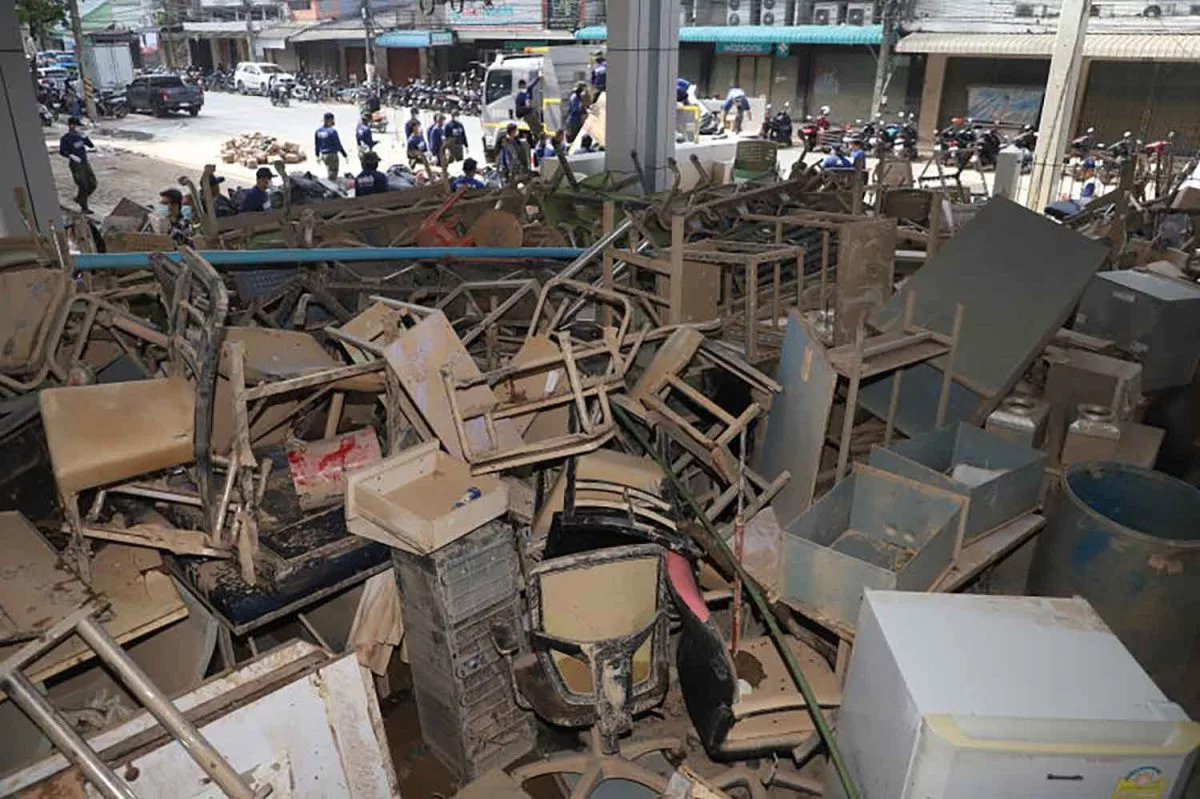
เฟอร์นิเจอร์ที่เสียหายจากน้ำท่วมที่โรงพยาบาลหาดใหญ่ จังหวัดสงขลา เมื่อเดือนธันวาคมปีที่แล้ว (ภาพ: นัตถวัฒน์ วิเชียรบุตร)
ผู้เชี่ยวชาญเตือนในการประชุม Water Resilience Forum 2026 เมื่อวันจันทร์ว่า ประเทศไทยต้องเร่งยกระดับระบบการจัดการน้ำท่วมและน้ำ เนื่องจากภาวะโลกร้อนทำให้สภาพอากาศสุดขั้วรุนแรงขึ้น
วิทยาวรรณสุโภประสิทธิ์ คณบดีคณะวิศวกรรมศาสตร์ จุฬาลงกรณ์มหาวิทยาลัย และผู้ก่อตั้งศูนย์ Water Resilience Centre กล่าวในการประชุมว่า ประชากรในประเทศไทยประมาณ 600,000 คน มีความเสี่ยงสูงต่อภัยพิบัติ และมักประสบปัญหาในการหาที่ปลอดภัยในช่วงน้ำท่วม
เขากล่าวว่า ค่าใช้จ่ายในการฟื้นฟูหลังน้ำท่วมมักจะกินเงินออมของครัวเรือนประมาณ 80% ทำให้เกิดความยากลำบากทางการเงินในระยะยาว
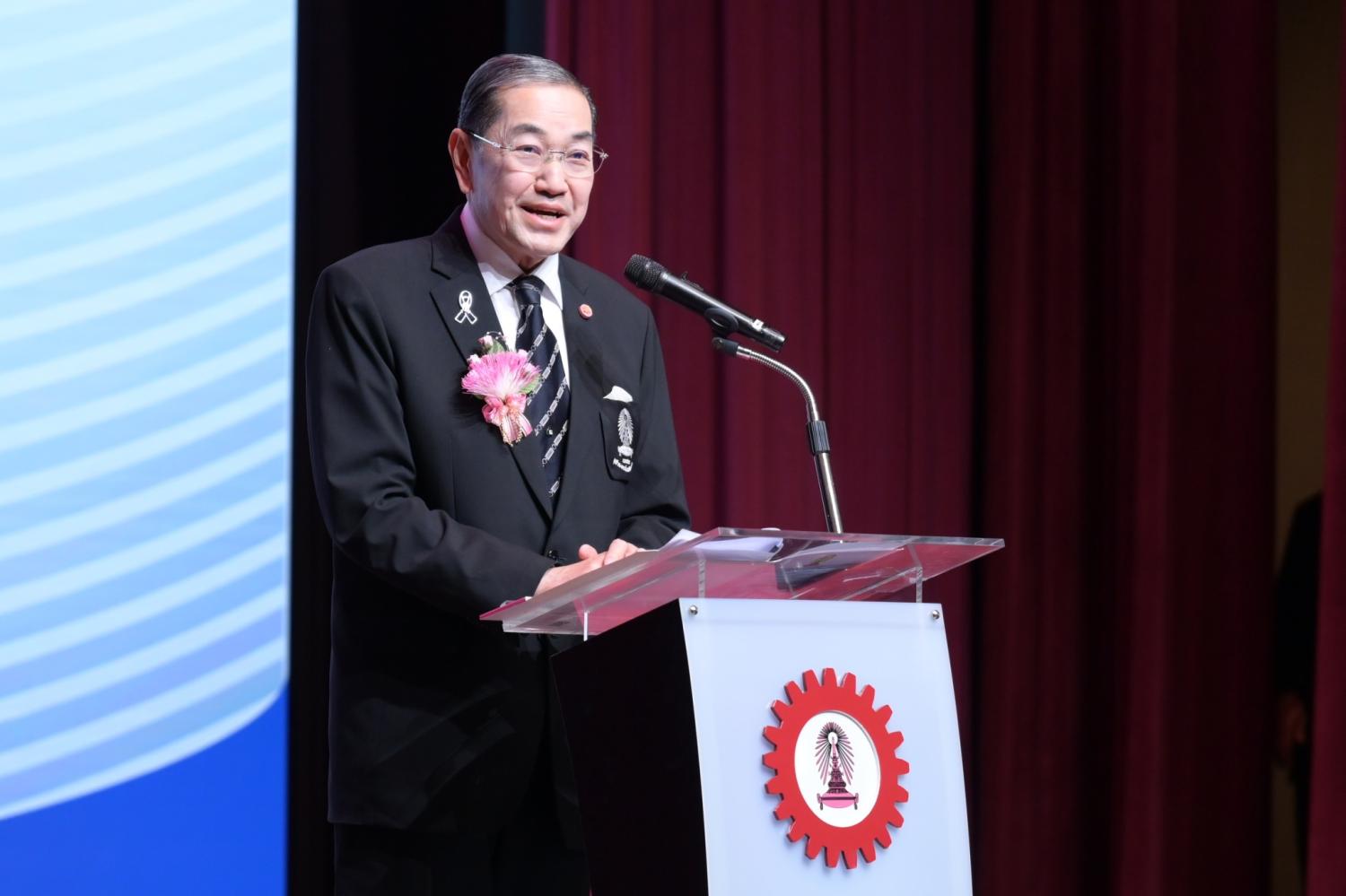
ชาดชาติ: เมืองพร้อมรับมือกว่าปี 2011
“เราปฏิเสธไม่ได้อีกต่อไปแล้วว่าอุทกภัยในอนาคตจะรุนแรงกว่าเดิม” นายวิทยากล่าว “แต่ด้วยการผสมผสานความรู้ในท้องถิ่นกับเทคโนโลยีและนวัตกรรมที่ทันสมัย เราสามารถลดผลกระทบได้ ประชาชนในเมืองต้องเรียนรู้ที่จะอยู่ร่วมกับน้ำแทนที่จะต่อสู้กับมัน การปรับตัวเป็นสิ่งสำคัญ”
นายวิทยากล่าวว่า ความเสียหายทางเศรษฐกิจจากอุทกภัยครั้งใหญ่ของประเทศไทยในปี 2011 มีมูลค่ามากกว่า 1.43 ล้านล้านบาท เทียบเท่ากับประมาณ 70% ของงบประมาณแผ่นดินในขณะนั้น และเมื่อไม่นานมานี้ อุทกภัยในหาดใหญ่ จังหวัดสงขลา ในเดือนพฤศจิกายน 2025 มีปริมาณน้ำฝนถึง 1,250 มิลลิเมตรในเวลาเพียงหนึ่งสัปดาห์ ซึ่งเท่ากับปริมาณน้ำฝนที่ปกติจะตกในหนึ่งปี ทำให้เกิดความเสียหายทางเศรษฐกิจมากกว่า 10 พันล้านบาท
เขาอ้างถึงแนวทางการแก้ปัญหาทางวิศวกรรมระดับโลก เช่น แนวคิด “เมืองฟองน้ำ” ของสิงคโปร์ อุโมงค์ระบายน้ำใต้ดินขนาดใหญ่ของญี่ปุ่น และกำแพงกั้นทะเลของเนเธอร์แลนด์ โดยกล่าวว่าประเทศไทยควรพัฒนารูปแบบการจัดการน้ำท่วมของตนเองให้เหมาะสมกับสภาพท้องถิ่น
นายชาดชาติ สิทธิพันธุ์ ผู้ว่าราชการกรุงเทพมหานคร กล่าวในที่ประชุมว่า ปริมาณน้ำฝนในปี 2568 ใกล้เคียงกับระดับที่บันทึกไว้ในปี 2554 แต่ผลกระทบต่อเมืองหลวงมีจำกัด เนื่องจากเมืองได้เรียนรู้จากภัยพิบัติในอดีตและปรับปรุงการเตรียมความพร้อมแล้ว
น้ำท่วมในกรุงเทพฯ ส่วนใหญ่เกิดจากน้ำไหลบ่าจากทางเหนือและระดับน้ำทะเลที่สูงขึ้น มาตรการแบบบูรณาการเพื่อลดปริมาณน้ำที่ไหลมาจากต้นน้ำและผันน้ำส่วนเกินลงสู่ทะเลได้ช่วยป้องกันน้ำท่วมใหญ่ได้ เขากล่าว
สุรเกียรติ: ให้ความสำคัญกับการป้องกัน
อย่างไรก็ตาม เขาเตือนว่าระบบป้องกันในปัจจุบันอาจไม่เพียงพอ กรุงเทพมหานครได้เพิ่มความสูงของคันกั้นน้ำเพื่อรับมือกับระดับน้ำทะเลที่สูงขึ้น แต่มาตรการเหล่านี้อาจไม่เพียงพอหากระดับน้ำทะเลสูงขึ้นเร็วกว่าที่คาดการณ์ไว้
นายชาดชาติกล่าวว่า “เราไม่มีเขื่อนกั้นน้ำบริเวณปากแม่น้ำ ทำให้กรุงเทพฯ มีความเสี่ยงสูงต่อการเปลี่ยนแปลงสภาพภูมิอากาศ”
ทีมงานของเขายังได้พัฒนาแผนรับมือเหตุฉุกเฉินสำหรับสถานการณ์เลวร้ายที่สุด ซึ่งอาจเกิดขึ้นในกรณีที่ทั้ง 50 อำเภอของกรุงเทพฯ จมอยู่ใต้น้ำหลังฝนตกหนักถึง 300 มิลลิเมตร
นายสุรเกียรติ สถิรไทย รองประธานที่ปรึกษาของมูลนิธิอาสาสมัครมิตรสหายผู้ยากไร้ (แห่ง “ป่า”) ภายใต้สภากาชาดไทย กล่าวในการประชุมว่า รัฐบาลควรให้ความสำคัญกับการปรับตัวและการป้องกันเพื่อลดความเสียหายให้เหลือน้อยที่สุด
นางวิคตอเรีย เอเลมา หัวหน้าทีมงานด้านกิจการน้ำระหว่างประเทศ กระทรวงโครงสร้างพื้นฐานและการจัดการน้ำของเนเธอร์แลนด์ กล่าวในงานว่า เนเธอร์แลนด์ประสบความสำเร็จในการลดความเสี่ยงจากน้ำท่วมผ่านโครงการเดลต้าเวิร์กส์ ซึ่งรวมถึงเขื่อน ประตูระบายน้ำ ประตูน้ำ คันกั้นน้ำ และกำแพงป้องกันคลื่นพายุ
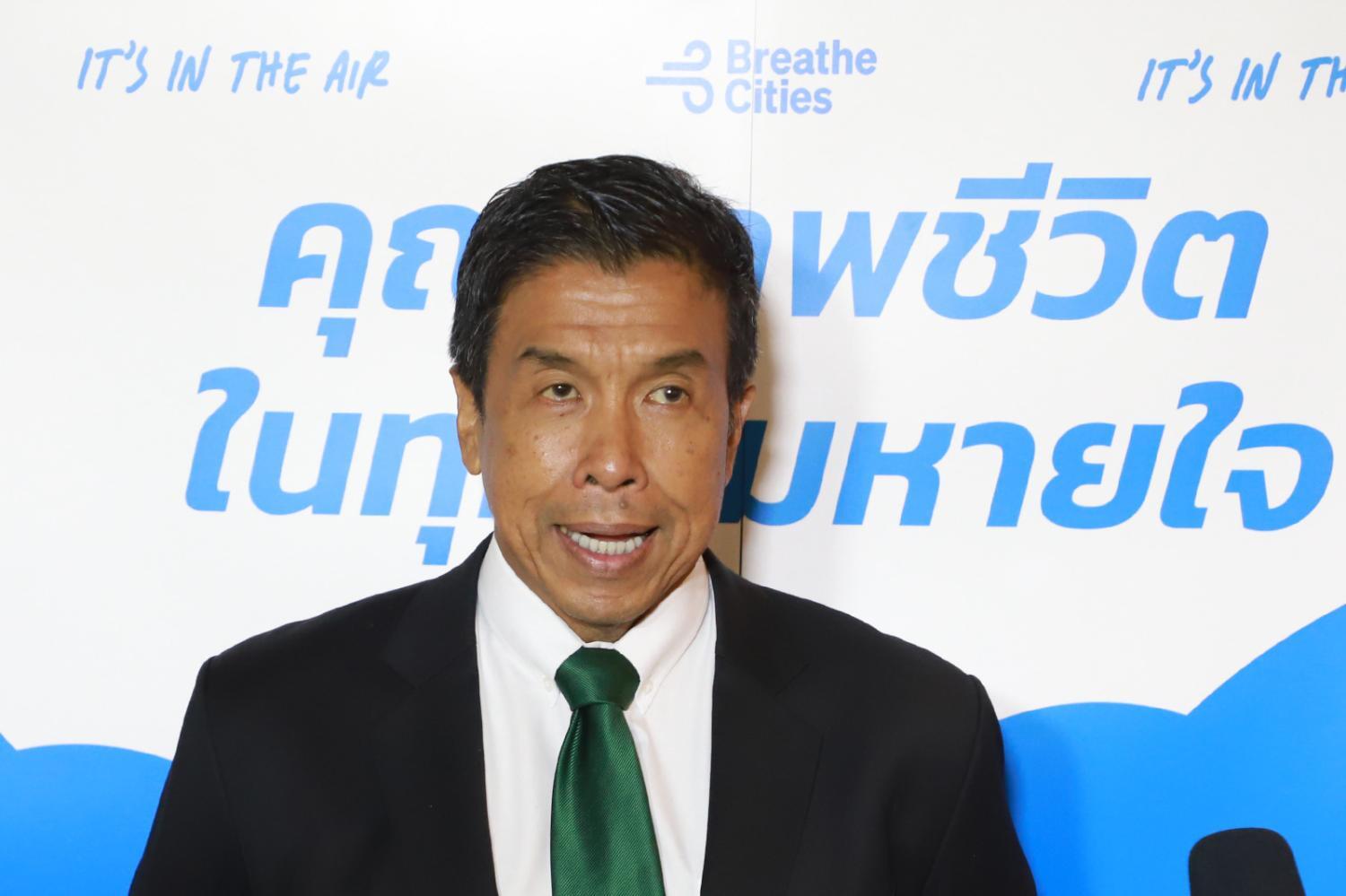
วิทยา: น้ำท่วมสร้างความตึงเครียดทางการเงิน

