
 Thailand’s Cabinet approves new data centre rules
Centralised approval system will reduce red tape, strict noise and heat controls will apply
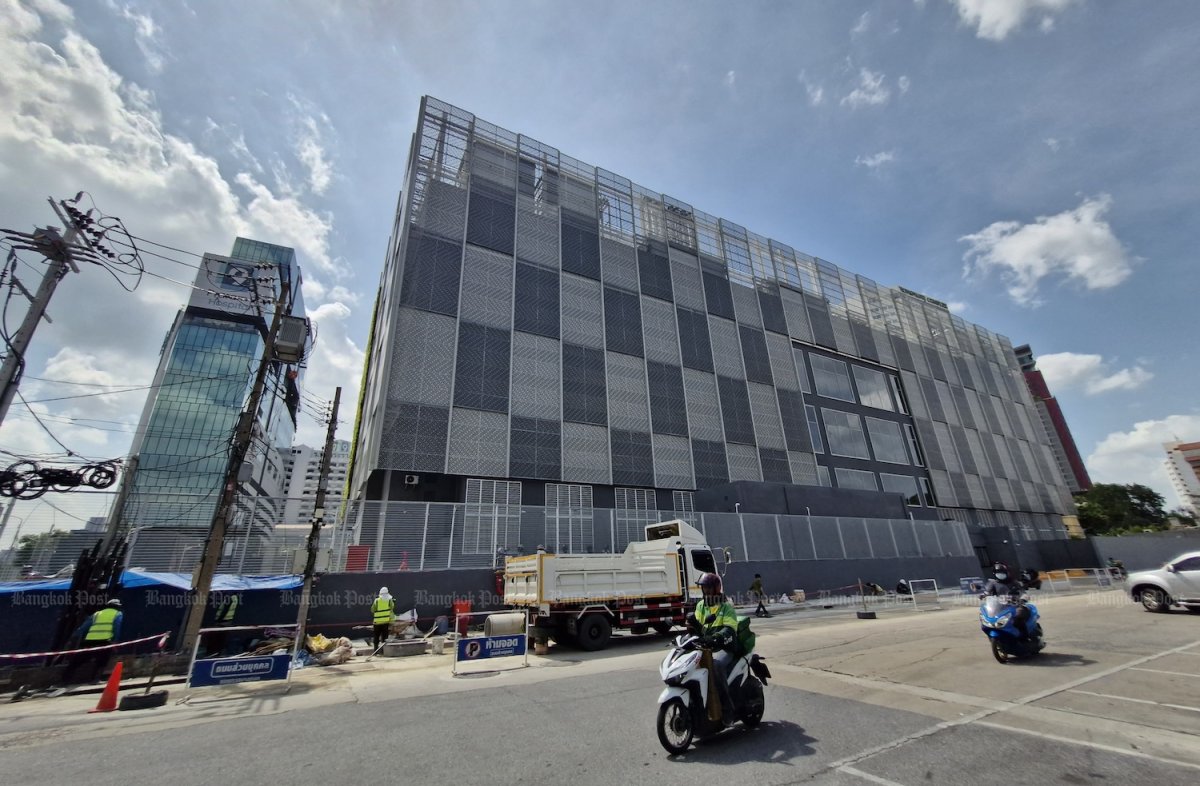
ST Telemedia Global Data Centres (Thailand), an affiliate of Singapore Telecom, is developing three data cehtres in Thailand including this facility on Rama IX Road in Bangkok. (Photo: Pattarapong Chatpattarasill)
THIS NEWS ARTICLE KINDLY SPONSORED BY FALLPROTEC, A WORLD-RENOWNED NAME IN THE DESIGN AND MANUFACTURE OF PREMIUM FALL PROTECTION SYSTEMS AND HEIGHT ACCESS SOLUTIONS
The cabinet has approved new regulations governing data centre businesses in Thailand, including a centralised approval system and noise and heat controls.
The regulations aim to ensure that data centre investments deliver maximum benefits to Thailand while addressing environmental and community concerns, Deputy Prime Minister Ekniti Nitithanprapas said on Tuesday.
The Ministry of Digital Economy and Society (DES) has been tasked with establishing a one-stop service centre and a screening committee to oversee approvals and set requirements for relevant agencies.
Mr Ekniti said data centres are essential infrastructure for artificial intelligence (AI) and the digital economy, but their substantial electricity and water consumption could affect local communities.
Previously, approvals were handled separately by different agencies, creating problems such as speculative reservations of electricity capacity for resale to data centre developers, and overlapping applications for investment promotion, construction and utilities.
The government will also introduce a “TH-DC Dashboard”, a centralised, real-time monitoring and data-collection system for the data centre industry.
Under the new framework, investment applications will be assessed not only on their financial value but also on job creation, skills development for Thai workers, income generation, links with domestic supply chains and the use of clean energy.
Investors will be encouraged to compete by offering commitments to employ Thai workers and integrate local businesses into technology and AI supply chains, following an approach adopted in Singapore.
Data centres will be classified into seven categories according to electricity consumption: below 0.5 Megawatts, 0.5MW to 5MW, 5-10MW, 10-20MW, 20-50MW, 50-200MW, and 200MW and above.
Stricter rules would apply to facilities consuming 20MW or more. Facilities below 20MW must follow environmental codes of practice, with detailed requirements to be finalised after a public consultation.
In terms of location, facilities consuming less than 20MW may operate in commercial zones, while those using 20MW or more must be located in industrial zones.
Environmental standards
Data centres would generally not be required to conduct an environmental impact assessment (EIA), said Danucha Pichayanan, secretary-general of the Office of the National Economic and Social Development Council.
The facilities primarily consist of buildings housing servers, computers and cooling systems and are not considered to have severe environmental impacts under existing EIA criteria, he said.
However, the codes of practice will impose environmental controls, including limiting noise from backup generators to no more than 70 decibels — slightly quieter than a vacuum cleaner — at project boundaries.
As well, temperature increases in nearby areas would be capped at 1-2 degrees Celsius, whole cooling water must be recirculated and quality tested before discharge.
Data centres at industrial estates, meanwhile, must comply with the estates’ existing EIA requirements.
For the transitional period, the cabinet agreed that projects holding construction permits or receiving investment promotion from the Board of Investment (BoI) before Aug 14, 2026, may proceed. The one-stop service centre will verify their legal status and allow operators around one year to comply with the new requirements.
Existing investors who have complied with the law will retain their previous rights but must upgrade their operations to meet the new minimum environmental and public safety standards within the specified period.
Projects applying after Aug 14, as well as new operators, must undergo screening for the authorities to exclude speculators and brokers who reserve electricity and water capacity without genuine investment plans.
BoI secretary-general Narit Therdsteerasukdi said the agency had approved investment promotion for 57 data centre projects as of April. Seventeen projects are already operational, while the remaining 40 comprise 20 projects that have obtained construction permits and another 20 still preparing for investment.
All projects would be reviewed by the BoI board and the one-stop centre under the new criteria following the cabinet’s approval.
Source: https://www.bangkokpost.com/business/general/3352266/cabinet-approves-new-data-centre-rules
คณะรัฐมนตรีไทยอนุมัติกฎระเบียบใหม่สำหรับธุรกิจศูนย์ข้อมูล (Data Centre)
ใช้ระบบการอนุมัติแบบรวมศูนย์เพื่อลดขั้นตอนที่ยุ่งยาก พร้อมกำหนดมาตรการควบคุมเสียงและความร้อนอย่างเข้มงวด
บทความข่าวนี้ได้รับการสนับสนุนโดย FALLPROTEC แบรนด์ระดับโลกที่มีชื่อเสียงด้านการออกแบบและผลิตระบบป้องกันการตกจากที่สูงและโซลูชันสำหรับการเข้าถึงพื้นที่สูง
บริษัท ST Telemedia Global Data Centres (Thailand) ซึ่งเป็นบริษัทในเครือของ Singapore Telecom กำลังพัฒนาศูนย์ข้อมูล 3 แห่งในประเทศไทย รวมถึงแห่งที่ตั้งอยู่บนถนนพระราม 9 ในกรุงเทพฯ (ภาพถ่าย: ภัทรพงศ์ ฉัตรพัชรศิลป์)
คณะรัฐมนตรีได้อนุมัติกฎระเบียบใหม่สำหรับธุรกิจศูนย์ข้อมูลในประเทศไทย โดยครอบคลุมถึงการจัดตั้งระบบการอนุมัติแบบรวมศูนย์ รวมถึงการกำหนดมาตรการควบคุมเสียงและความร้อน
นายเอกนิติ นิติทัณฑ์ประภาศ รองนายกรัฐมนตรี กล่าวเมื่อวันอังคารที่ผ่านมาว่า กฎระเบียบดังกล่าวมีจุดมุ่งหมายเพื่อให้มั่นใจว่าการลงทุนในศูนย์ข้อมูลจะสร้างประโยชน์สูงสุดแก่ประเทศไทย ในขณะเดียวกันก็ต้องจัดการกับข้อกังวลด้านสิ่งแวดล้อมและผลกระทบต่อชุมชนด้วย
ทั้งนี้ กระทรวงดิจิทัลเพื่อเศรษฐกิจและสังคม (ดีอีเอส) ได้รับมอบหมายให้จัดตั้งศูนย์บริการแบบเบ็ดเสร็จ (One-Stop Service Centre) และคณะกรรมการกลั่นกรองเพื่อกำกับดูแลการอนุมัติ พร้อมทั้งกำหนดหลักเกณฑ์สำหรับหน่วยงานที่เกี่ยวข้อง
นายเอกนิติกล่าวว่า ศูนย์ข้อมูลถือเป็นโครงสร้างพื้นฐานที่สำคัญสำหรับปัญญาประดิษฐ์ (AI) และเศรษฐกิจดิจิทัล แต่เนื่องจากศูนย์ข้อมูลมีการใช้ไฟฟ้าและน้ำในปริมาณมาก ซึ่งอาจส่งผลกระทบต่อชุมชนในพื้นที่ได้
ที่ผ่านมา การอนุมัติต่างๆ ดำเนินการแยกส่วนกันโดยหน่วยงานหลายแห่ง ทำให้เกิดปัญหาต่างๆ เช่น การจองโควตาไฟฟ้าไว้เพื่อเก็งกำไรและนำไปขายต่อให้กับผู้พัฒนาศูนย์ข้อมูล รวมถึงการยื่นคำขอที่ซ้ำซ้อนกันทั้งในด้านการส่งเสริมการลงทุน การก่อสร้าง และสาธารณูปโภค
นอกจากนี้ รัฐบาลจะจัดทำ “TH-DC Dashboard” ซึ่งเป็นระบบรวมศูนย์สำหรับการติดตามและรวบรวมข้อมูลแบบเรียลไทม์สำหรับอุตสาหกรรมศูนย์ข้อมูล
ภายใต้กรอบการดำเนินงานใหม่นี้ การพิจารณาคำขอลงทุนจะไม่ดูเพียงแค่มูลค่าทางการเงินเท่านั้น แต่ยังรวมถึงการสร้างงาน การพัฒนาทักษะให้กับแรงงานไทย การสร้างรายได้ การเชื่อมโยงกับห่วงโซ่อุปทานภายในประเทศ และการใช้พลังงานสะอาด
ทั้งนี้ จะมีการส่งเสริมให้นักลงทุนแข่งขันกันโดยการเสนอข้อผูกพันในการจ้างงานคนไทย และการดึงธุรกิจในท้องถิ่นเข้ามาเป็นส่วนหนึ่งของห่วงโซ่อุปทานด้านเทคโนโลยีและปัญญาประดิษฐ์ (AI) ซึ่งเป็นแนวทางเดียวกับที่ประเทศสิงคโปร์ได้นำมาใช้ ศูนย์ข้อมูล (Data Center) จะถูกแบ่งออกเป็น 7 ประเภทตามปริมาณการใช้ไฟฟ้า ได้แก่ ต่ำกว่า 0.5 เมกะวัตต์, 0.5–5 เมกะวัตต์, 5–10 เมกะวัตต์, 10–20 เมกะวัตต์, 20–50 เมกะวัตต์, 50–200 เมกะวัตต์ และตั้งแต่ 200 เมกะวัตต์ขึ้นไป
สำหรับศูนย์ข้อมูลที่มีการใช้ไฟฟ้าตั้งแต่ 20 เมกะวัตต์ขึ้นไป จะต้องปฏิบัติตามกฎระเบียบที่เข้มงวดกว่า ส่วนศูนย์ข้อมูลที่ใช้ไฟฟ้าต่ำกว่า 20 เมกะวัตต์ จะต้องปฏิบัติตามแนวทางปฏิบัติทางสิ่งแวดล้อม โดยรายละเอียดข้อกำหนดต่างๆ จะมีการสรุปอีกครั้งภายหลังกระบวนการรับฟังความคิดเห็นจากสาธารณะ
ในด้านสถานที่ตั้ง ศูนย์ข้อมูลที่ใช้ไฟฟ้าต่ำกว่า 20 เมกะวัตต์สามารถตั้งอยู่ในเขตพื้นที่เชิงพาณิชย์ได้ ในขณะที่ศูนย์ข้อมูลที่ใช้ไฟฟ้าตั้งแต่ 20 เมกะวัตต์ขึ้นไป จะต้องตั้งอยู่ในเขตพื้นที่อุตสาหกรรมเท่านั้น
มาตรฐานด้านสิ่งแวดล้อม
ดนุชา พิชยนันท์ เลขาธิการสภาพัฒนาการเศรษฐกิจและสังคมแห่งชาติ (สศช.) กล่าวว่า โดยทั่วไปแล้วศูนย์ข้อมูลไม่จำเป็นต้องจัดทำรายงานการประเมินผลกระทบสิ่งแวดล้อม (EIA)
เนื่องจากศูนย์ข้อมูลส่วนใหญ่เป็นอาคารที่ใช้สำหรับติดตั้งเซิร์ฟเวอร์ คอมพิวเตอร์ และระบบทำความเย็น ซึ่งตามเกณฑ์ EIA ในปัจจุบัน ถือว่าไม่ได้ก่อให้เกิดผลกระทบต่อสิ่งแวดล้อมอย่างรุนแรง
อย่างไรก็ตาม แนวทางปฏิบัติที่กำหนดขึ้นจะรวมถึงมาตรการควบคุมด้านสิ่งแวดล้อม เช่น การจำกัดระดับเสียงจากเครื่องกำเนิดไฟฟ้าสำรองไม่ให้เกิน 70 เดซิเบล (ซึ่งเบากว่าเสียงของเครื่องดูดฝุ่นเล็กน้อย) เมื่อวัดที่บริเวณแนวเขตโครงการ
นอกจากนี้ ยังมีการกำหนดเพดานการเพิ่มขึ้นของอุณหภูมิในพื้นที่ใกล้เคียงไว้ที่ 1–2 องศาเซลเซียส อีกทั้งน้ำที่ใช้ในระบบทำความเย็นจะต้องถูกนำกลับมาหมุนเวียนใช้ใหม่ และต้องผ่านการตรวจสอบคุณภาพก่อนที่จะมีการระบายออกสู่ภายนอก
สำหรับศูนย์ข้อมูลที่ตั้งอยู่ในนิคมอุตสาหกรรม จะต้องปฏิบัติตามข้อกำหนดด้าน EIA ที่นิคมอุตสาหกรรมนั้นๆ กำหนดไว้อยู่แล้ว
ในส่วนของช่วงเปลี่ยนผ่าน คณะรัฐมนตรีมีมติเห็นชอบให้โครงการที่ได้รับใบอนุญาตก่อสร้างหรือได้รับการส่งเสริมการลงทุนจากสำนักงานคณะกรรมการส่งเสริมการลงทุน (BOI) ก่อนวันที่ 14 สิงหาคม 2569 สามารถดำเนินการต่อไปได้ โดยจะมีศูนย์บริการเบ็ดเสร็จ (One-stop Service Centre) ทำหน้าที่ตรวจสอบสถานะทางกฎหมาย และให้เวลาผู้ประกอบการประมาณหนึ่งปีในการปรับปรุงการดำเนินงานให้เป็นไปตามข้อกำหนดใหม่
ทั้งนี้ ผู้ประกอบการเดิมที่ปฏิบัติตามกฎหมายอยู่แล้วจะยังคงได้รับสิทธิตามเดิม แต่จะต้องปรับปรุงการดำเนินงานให้เป็นไปตามมาตรฐานขั้นต่ำใหม่ด้านสิ่งแวดล้อมและความปลอดภัยสาธารณะภายในระยะเวลาที่กำหนดไว้ โครงการที่ยื่นคำขอหลังจากวันที่ 14 สิงหาคม รวมถึงผู้ประกอบการรายใหม่ จะต้องผ่านกระบวนการคัดกรอง เพื่อป้องกันไม่ให้กลุ่มนักเก็งกำไรหรือนายหน้าเข้ามาจองสิทธิ์การใช้ไฟฟ้าและน้ำโดยไม่มีแผนการลงทุนที่แท้จริง
นายนฤตฟ์ เทอดสถีรศักดิ์ เลขาธิการคณะกรรมการส่งเสริมการลงทุน (BOI) เปิดเผยว่า จนถึงเดือนเมษายนที่ผ่านมา BOI ได้อนุมัติการส่งเสริมการลงทุนให้กับโครงการศูนย์ข้อมูล (Data Center) ไปแล้ว 57 โครงการ โดยในจำนวนนี้มี 17 โครงการที่เปิดดำเนินการแล้ว ส่วนอีก 40 โครงการที่เหลือ แบ่งเป็นโครงการที่ได้รับใบอนุญาตก่อสร้างแล้ว 20 โครงการ และโครงการที่อยู่ระหว่างการเตรียมการลงทุนอีก 20 โครงการ
ทั้งนี้ โครงการทั้งหมดจะต้องผ่านการพิจารณาโดยคณะกรรมการ BOI และศูนย์บริการแบบเบ็ดเสร็จ (One-Stop Centre) ตามหลักเกณฑ์ใหม่ หลังจากที่คณะรัฐมนตรีได้ให้ความเห็นชอบแล้ว
[English to Thai translation by Google Translation: We apologise if any of the Google translation is incorrect]

