
 Electricity Generating Authority of Thailand (Egat) prepares to develop virtual power plants in Thailand
THIS NEWS ARTICLE KINDLY SPONSORED BY FALLPROTEC, A WORLD-RENOWNED NAME IN THE DESIGN AND MANUFACTURE OF PREMIUM FALL PROTECTION SYSTEMS AND HEIGHT ACCESS SOLUTIONS
In Thailand, the Electricity Generating Authority of Thailand (Egat) is preparing to deploy virtual power plant technologies after successfully testing a relevant project. This was reported by the Bangkok Post, citing an official involved in the initiative. According to him, the country is moving toward a more flexible electricity supply system with digital management.
Combining distributed generation
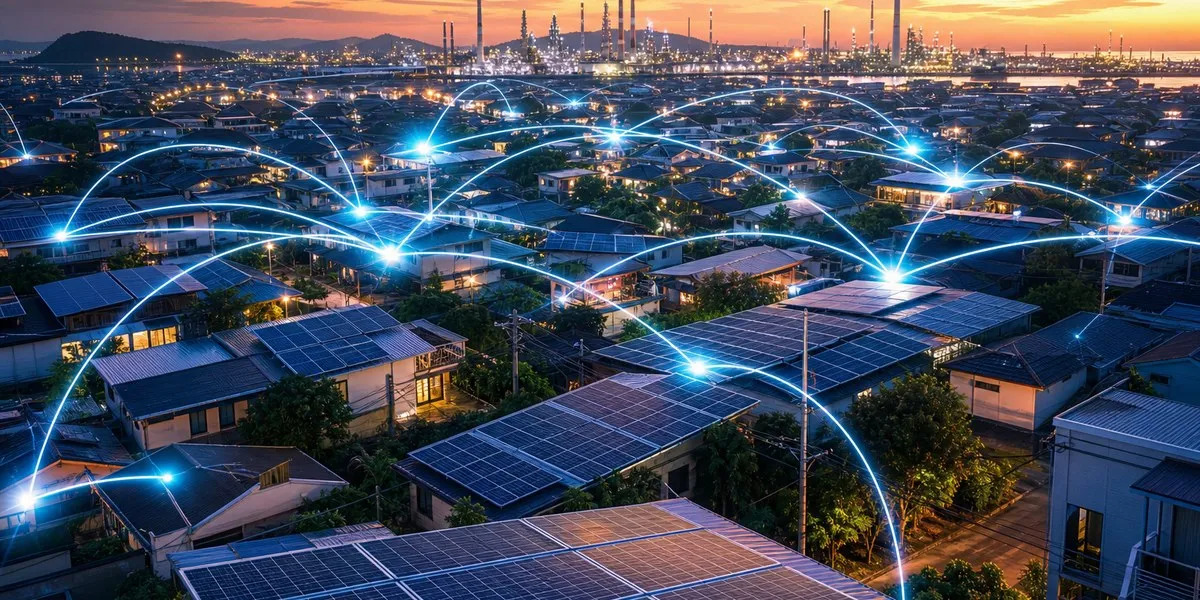
A virtual power plant combines numerous small renewable energy sources, including rooftop solar installations, into a coordinated network capable of supplying electricity to the national power system. This approach differs from Thailand’s traditional model, which has long relied on large centralized power plants.
Virtual power plants, demand management systems and “smart” power grids are expected to operate together. “Smart” grids use digital technologies, sensors and two-way communication networks to monitor and distribute electricity flows in real time and balance demand and supply.
A demand management system encourages consumers to automatically reduce or shift their electricity consumption during peak demand hours. This is important because solar and wind generation output depends on weather conditions, while effective demand management is intended to support grid stability.
Energy plan project
The initiative is aligned with the draft 2026 Thailand Power Development Plan, which provides for more active use of renewable energy and modern grid management technologies. According to the publication, Egat plans to move beyond the pilot site and use these technologies to prepare for future challenges in the energy sector.
The draft plan envisages combining millions of distributed energy resources through virtual power plants, with a target capacity of 14,000 MW by the middle of the century. The strategy is expected to strengthen energy security, improve renewable energy integration and support the transition to a lower-carbon electricity sector.
Thailand continues to depend on imported fossil fuels, primarily natural gas, which accounts for nearly 60% of the fuel used to generate electricity. In 2019–2022, the Energy Regulatory Commission had already conducted an experiment involving virtual power plants, demand management and “smart” grids, but the program did not proceed to commercial deployment at that time.
Source: https://ua.news/en (Bangkok Post)
Google Translation:
[We apologise if any of the translation is incorrect: google Translation occasionally gets it wrong]
การไฟฟ้าฝ่ายผลิตแห่งประเทศไทย (กฟผ.) เตรียมพัฒนาโรงไฟฟ้าเสมือน (Virtual Power Plant) ในประเทศไทย
บทความข่าวนี้ได้รับการสนับสนุนโดย Fallprotec แบรนด์ระดับโลกที่มีชื่อเสียงด้านการออกแบบและผลิตระบบป้องกันการตกจากที่สูงและโซลูชันสำหรับการเข้าถึงพื้นที่สูงที่มีคุณภาพระดับพรีเมียม
ในประเทศไทย การไฟฟ้าฝ่ายผลิตแห่งประเทศไทย (กฟผ.) กำลังเตรียมนำเทคโนโลยีโรงไฟฟ้าเสมือน (Virtual Power Plant – VPP) มาปรับใช้ หลังจากประสบความสำเร็จในการทดสอบโครงการนำร่อง โดยข้อมูลจากหนังสือพิมพ์บางกอกโพสต์ซึ่งอ้างอิงคำกล่าวของเจ้าหน้าที่ที่เกี่ยวข้องกับโครงการนี้ระบุว่า ประเทศไทยกำลังมุ่งหน้าสู่ระบบการจัดหาไฟฟ้าที่มีความยืดหยุ่นมากขึ้นด้วยการบริหารจัดการผ่านระบบดิจิทัล
การรวมแหล่งผลิตไฟฟ้าแบบกระจายศูนย์
โรงไฟฟ้าเสมือนคือการรวมแหล่งผลิตพลังงานหมุนเวียนขนาดเล็กจำนวนมากเข้าด้วยกัน เช่น ระบบผลิตไฟฟ้าจากพลังงานแสงอาทิตย์บนหลังคา (Solar Rooftop) ให้กลายเป็นเครือข่ายที่ประสานการทำงานร่วมกัน เพื่อจ่ายไฟฟ้าเข้าสู่ระบบโครงข่ายไฟฟ้าหลักของประเทศ แนวทางนี้แตกต่างจากรูปแบบดั้งเดิมของไทยที่พึ่งพาโรงไฟฟ้าขนาดใหญ่แบบรวมศูนย์มาโดยตลอด
ทั้งนี้ โรงไฟฟ้าเสมือน ระบบบริหารจัดการความต้องการใช้ไฟฟ้า (Demand Management System) และโครงข่ายไฟฟ้าอัจฉริยะ (Smart Grid) จะทำงานร่วมกัน โดยโครงข่ายไฟฟ้าอัจฉริยะจะใช้เทคโนโลยีดิจิทัล เซนเซอร์ และเครือข่ายการสื่อสารแบบสองทาง เพื่อติดตามและกระจายกระแสไฟฟ้าแบบเรียลไทม์ พร้อมทั้งสร้างสมดุลระหว่างอุปสงค์และอุปทานไฟฟ้า
สำหรับระบบบริหารจัดการความต้องการใช้ไฟฟ้านั้น จะช่วยจูงใจให้ผู้บริโภคลดหรือปรับเปลี่ยนช่วงเวลาการใช้ไฟฟ้าโดยอัตโนมัติในช่วงที่มีความต้องการใช้ไฟฟ้าสูงสุด ซึ่งมีความสำคัญอย่างยิ่งเนื่องจากปริมาณการผลิตไฟฟ้าจากพลังงานแสงอาทิตย์และพลังงานลมนั้นขึ้นอยู่กับสภาพอากาศ การบริหารจัดการความต้องการใช้ไฟฟ้าอย่างมีประสิทธิภาพจึงช่วยสนับสนุนเสถียรภาพของโครงข่ายไฟฟ้าได้
โครงการภายใต้แผนพลังงาน
ความคิดริเริ่มนี้สอดคล้องกับร่างแผนพัฒนากำลังผลิตไฟฟ้าของประเทศไทย (Thailand Power Development Plan – PDP) ฉบับปี 2026 ซึ่งมุ่งเน้นการใช้พลังงานหมุนเวียนและการนำเทคโนโลยีการบริหารจัดการโครงข่ายไฟฟ้าที่ทันสมัยมาใช้ให้มากขึ้น โดยรายงานระบุว่า กฟผ. มีแผนที่จะขยายผลจากโครงการนำร่องไปสู่การใช้เทคโนโลยีเหล่านี้เพื่อเตรียมพร้อมรับมือกับความท้าทายในภาคพลังงานในอนาคต
ร่างแผนดังกล่าวตั้งเป้าหมายที่จะรวมทรัพยากรพลังงานแบบกระจายศูนย์จำนวนมหาศาลเข้าด้วยกันผ่านโรงไฟฟ้าเสมือน โดยมีกำลังการผลิตเป้าหมายอยู่ที่ 14,000 เมกะวัตต์ภายในช่วงกลางศตวรรษ กลยุทธ์นี้คาดว่าจะช่วยเสริมสร้างความมั่นคงทางพลังงาน เพิ่มประสิทธิภาพในการบูรณาการพลังงานหมุนเวียน และสนับสนุนการเปลี่ยนผ่านไปสู่ภาคไฟฟ้าที่ปล่อยคาร์บอนต่ำลง
ปัจจุบันประเทศไทยยังคงต้องพึ่งพาเชื้อเพลิงฟอสซิลที่นำเข้าจากต่างประเทศ โดยเฉพาะก๊าซธรรมชาติ ซึ่งคิดเป็นสัดส่วนเกือบ 60% ของเชื้อเพลิงทั้งหมดที่ใช้ในการผลิตไฟฟ้าของประเทศ ในช่วงปี 2019–2022 คณะกรรมการกำกับกิจการพลังงานได้ดำเนินการทดลองเกี่ยวกับโรงไฟฟ้าเสมือน (Virtual Power Plants) การบริหารจัดการความต้องการใช้ไฟฟ้า และโครงข่ายไฟฟ้าอัจฉริยะ (Smart Grids) มาแล้ว แต่โครงการดังกล่าวไม่ได้ถูกนำไปขยายผลสู่การใช้งานเชิงพาณิชย์ในขณะนั้น

