 Construction Material Prices Up 7.2% in May 2026 in Thailand, Further Increases Expected
THIS NEWS ARTICLE KINDLY SPONSORED BY FALLPROTEC, A WORLD-RENOWNED NAME IN THE DESIGN AND MANUFACTURE OF PREMIUM FALL PROTECTION SYSTEMS AND HEIGHT ACCESS SOLUTIONS
Construction materials price index rose 7.2% year-on-year in May to 113.8, the Trade Policy and Strategy Office (TPSO) said on Monday.
The increase was driven by higher energy, transportation and raw material costs, with prices rising across all categories.
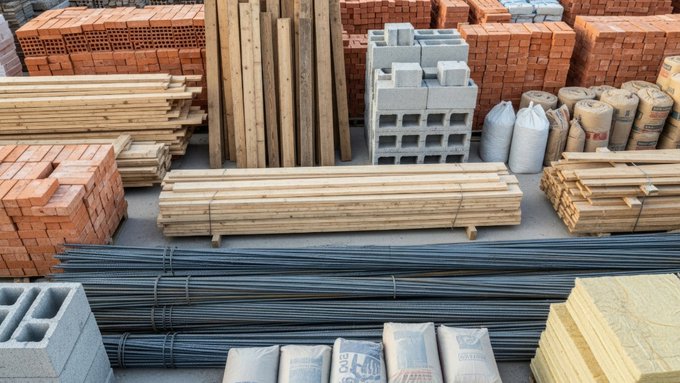
Electrical and plumbing equipment recorded the largest increase at 13.5%, followed by other construction materials (11.2%), concrete products (9.5%) and steel products (5.4%).
TPSO said prices are likely to continue rising in June due to elevated raw material, energy and freight costs, ongoing geopolitical tensions and tight global supplies of key materials including copper, steel and aluminium.
Demand from infrastructure and clean energy projects, as well as export restrictions on some raw materials by countries such as China, are expected to keep global supply constrained and support further price increases.
Source: Thai Enquirer on twitter/X
Google Translation:
ราคาวัสดุก่อสร้างในประเทศไทยปรับตัวสูงขึ้น 7.2% ในเดือนพฤษภาคม 2569 และคาดว่าจะปรับตัวสูงขึ้นอีก
ข่าวนี้ได้รับการสนับสนุนโดย FALLPROTEC บริษัทชั้นนำระดับโลกด้านการออกแบบและผลิตระบบป้องกันการตกจากที่สูงและโซลูชันการเข้าถึงที่สูงระดับพรีเมียม
สำนักงานนโยบายการค้าและยุทธศาสตร์ (TPSO) เปิดเผยเมื่อวันจันทร์ว่า ดัชนีราคาวัสดุก่อสร้างปรับตัวสูงขึ้น 7.2% เมื่อเทียบกับปีก่อนหน้าในเดือนพฤษภาคม มาอยู่ที่ 113.8
การเพิ่มขึ้นดังกล่าวเกิดจากต้นทุนพลังงาน การขนส่ง และวัตถุดิบที่สูงขึ้น โดยราคาปรับตัวสูงขึ้นในทุกหมวดหมู่
อุปกรณ์ไฟฟ้าและประปาปรับตัวสูงขึ้นมากที่สุดที่ 13.5% ตามด้วยวัสดุก่อสร้างอื่นๆ (11.2%) ผลิตภัณฑ์คอนกรีต (9.5%) และผลิตภัณฑ์เหล็ก (5.4%)
TPSO กล่าวว่า ราคาน่าจะปรับตัวสูงขึ้นอย่างต่อเนื่องในเดือนมิถุนายน เนื่องจากต้นทุนวัตถุดิบ พลังงาน และค่าขนส่งที่สูงขึ้น ความตึงเครียดทางภูมิรัฐศาสตร์ที่ดำเนินอยู่ และอุปทานทั่วโลกที่ตึงตัวของวัตถุดิบสำคัญ เช่น ทองแดง เหล็ก และอะลูมิเนียม
ความต้องการจากโครงการโครงสร้างพื้นฐานและพลังงานสะอาด รวมถึงข้อจำกัดการส่งออกวัตถุดิบบางชนิดจากประเทศต่างๆ เช่น จีน คาดว่าจะทำให้อุปทานทั่วโลกมีจำกัดและสนับสนุนให้ราคาสูงขึ้นต่อไป