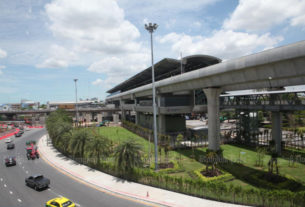
Risk-sharing stalls 224.5-billion-baht high-speed railway deal linking Thailand’s Don Mueang, Suvarnabhumi and U-Tapao airports
EXPLAINER: Key disputes over financing continue to delay the flagship EEC project
THIS NEWS ARTICLE KINDLY SPONSORED BY FALLPROTEC, A WORLD-RENOWNED NAME IN THE DESIGN AND MANUFACTURE OF PREMIUM FALL PROTECTION SYSTEMS AND HEIGHT ACCESS SOLUTIONS
The 224.5-billion-baht high-speed railway linking Don Mueang, Suvarnabhumi and U-Tapao airports was approved in March 2018 under Gen Prayut Chan-o-cha’s administration as a flagship Eastern Economic Corridor (EEC) project. More than eight years and seven governments later, the project remains stalled by a combination of land, financing and contractual disputes. Although the Office of the Attorney General (OAG) has cleared a draft contract amendment, key disagreements between the state and the private concessionaire remain unresolved.
The 220-kilometre railway linking the three airports will have nine stations across five provinces, comprising Bangkok, Samut Prakan, Chachoengsao, Chon Buri and Rayong. It combines part of the existing Airport Rail Link with new high-speed rail infrastructure to become the transport backbone of the EEC. It is expected to improve connectivity between airports, industrial estates and tourism centres while supporting the expansion of U-Tapao Airport and the Eastern Aviation City.
Who is building it?
The project is a public-private partnership (PPP) between the State Railway of Thailand (SRT) and Asia Era One, a consortium led by CP Group. Asia Era One won the concession in 2019 after seeking 117.2 billion baht in government investment support. The consortium’s major shareholders are CP Group through Charoen Pokphand Holding (87.15%), Bangkok Expressway and Metro Plc (5.14%), China Railway Construction Corporation (5.14%) and Italian-Thai Development (2.57%). The concession covers the construction and operation of both the high-speed railway and the existing Airport Rail Link. Under the October 2019 agreement, construction was to be completed within five years of a formal Notice to Proceed.
Why has it been delayed?
Delays stem from administrative, technical and financial issues. Early obstacles included land handovers, investment promotion approvals and design coordination, including disputes over land use, integration with the Thai-Chinese high-speed rail project and U-Tapao Aviation City plan adjustments. The Covid-19 pandemic then disrupted economic conditions, while rising costs and tighter financing further complicated viability. Consequently, the Notice to Proceed was never fully activated, and full-scale civil construction did not begin.
Contract amendments
Asia Era One said the pandemic fundamentally altered the assumptions underpinning the original agreement. Weaker passenger forecasts, economic uncertainty and restrictive lending made it difficult to secure financing under the original terms. In October 2021, the cabinet approved principles for Covid-19 relief measures, paving the way for amendment discussions. Asia Era One maintains revisions are necessary to make the project bankable.
What changes were proposed?
Asia Era One proposed changes to the financing and payment structure. The most controversial involves changing the government’s payment mechanism. Originally, the government was to provide its investment contribution only after construction was completed and services had begun. Asia Era One proposed a “build-and-pay” model, paying state support progressively as construction milestones are achieved. The consortium said earlier payments would improve cash flow, lower risks and secure loans. The amendment would also require the consortium to provide additional guarantees worth about 160 billion baht and commit to completing construction within five years of the amended agreement taking effect.
Ministry resists
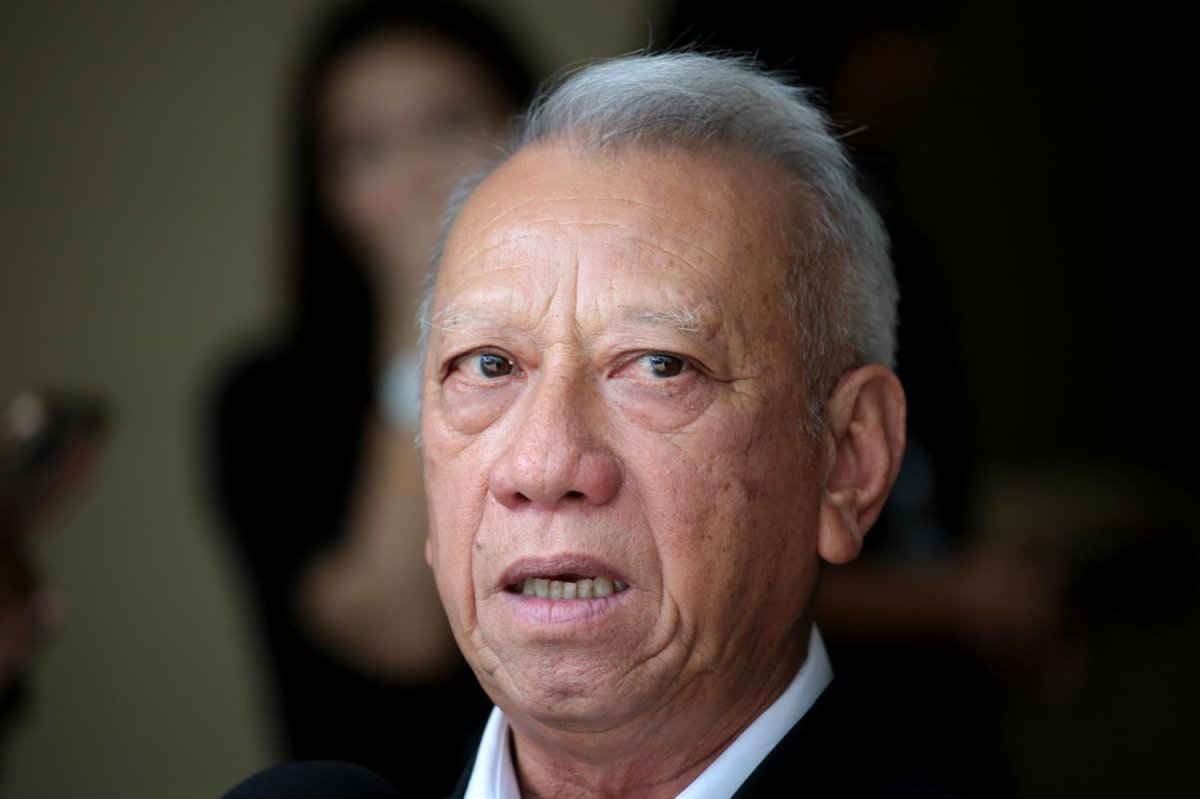
The ministry emphasised that financing risk should remain with the private concessionaire, a core principle of the 2019 PPP agreement. Deputy Prime Minister and Transport Minister Phiphat Ratchakitprakarn has repeatedly stated that changing the payment structure would increase the state’s financial exposure. The government is also concerned that major changes could set a precedent, encouraging private operators to seek similar concessions when conditions deteriorate.
OAG’s conclusions
The OAG recently reviewed the proposed amendments and raised 18 observations before clearing the draft. The review focused on protecting public interests, consistency with previous cabinet resolutions and EEC policies, and safeguards against default. Key protections include the proposed 160-billion-baht guarantees covering civil works, systems installation, service obligations and outstanding commitments. The OAG required the guarantees within 270 days of signing, with portions released progressively as milestones are completed. While removing a significant legal obstacle, the review did not resolve the policy disagreement over payment terms.
What happens next?
The project’s future depends on whether the government and Asia Era One can bridge their differences. Although Mr Phiphat does not support a build-and-pay arrangement, the OAG found no legal objection to the draft amendment, subject to its observations and cabinet approval. If pursued, the proposal must be submitted for cabinet consideration. If no agreement is reached, Asia Era One may have to seek alternative financing under the existing framework. Further delays could affect related EEC projects and undermine confidence in Thailand’s ability to deliver large-scale PPP infrastructure. The State Audit Office warned continued delays could expose the state to compensation claims.
Source: https://www.bangkokpost.com/thailand/general/3266719/risksharing-stalls-highspeed-airport-rail-deal
Google Translation:
การแบ่งปันความเสี่ยงขัดขวางโครงการรถไฟความเร็วสูงมูลค่า 224.5 พันล้านบาท เชื่อมสนามบินดอนเมือง สุวรรณภูมิ และอู่ตะเภาของประเทศไทย
คำอธิบาย: ข้อพิพาทสำคัญด้านการเงินยังคงทำให้โครงการสำคัญของเขตเศรษฐกิจพิเศษภาคตะวันออก (EEC) ล่าช้า
พิพัฒน์: กังวลเรื่องความเสี่ยงทางการเงินของรัฐ
บทความข่าวนี้ได้รับการสนับสนุนโดย FALLPROTEC บริษัทที่มีชื่อเสียงระดับโลกด้านการออกแบบและผลิตระบบป้องกันการตกจากที่สูงและโซลูชันการเข้าถึงที่สูงระดับพรีเมียม
โครงการรถไฟความเร็วสูงมูลค่า 224.5 พันล้านบาท เชื่อมสนามบินดอนเมือง สุวรรณภูมิ และอู่ตะเภา ได้รับการอนุมัติในเดือนมีนาคม 2561 ในสมัยรัฐบาลพลเอกประยุทธ์ จันทร์โอชา ในฐานะโครงการสำคัญของเขตเศรษฐกิจพิเศษภาคตะวันออก (EEC) กว่าแปดปีและเจ็ดรัฐบาลต่อมา โครงการนี้ยังคงหยุดชะงักเนื่องจากข้อพิพาทด้านที่ดิน การเงิน และสัญญา แม้ว่าสำนักงานอัยการสูงสุด (OAG) จะอนุมัติร่างแก้ไขสัญญาแล้ว แต่ข้อขัดแย้งสำคัญระหว่างภาครัฐและผู้รับสัมปทานเอกชนยังคงไม่ได้รับการแก้ไข
ทางรถไฟระยะทาง 220 กิโลเมตรที่เชื่อมต่อสนามบินทั้งสามแห่งจะมีสถานีทั้งหมด 9 สถานี ครอบคลุม 5 จังหวัด ได้แก่ กรุงเทพฯ สมุทรปราการ ฉะเชิงเทรา ชลบุรี และระยอง โดยเป็นการต่อยอดจากโครงข่ายรถไฟฟ้าแอร์พอร์ตเรลลิงก์ที่มีอยู่เดิม และสร้างโครงสร้างพื้นฐานรถไฟความเร็วสูงใหม่ เพื่อเป็นโครงข่ายคมนาคมหลักของภาคเศรษฐกิจภาคตะวันออก คาดว่าจะช่วยเพิ่มการเชื่อมต่อระหว่างสนามบิน นิคมอุตสาหกรรม และแหล่งท่องเที่ยว พร้อมทั้งสนับสนุนการขยายตัวของสนามบินอู่ตะเภาและเมืองการบินภาคตะวันออก
ใครเป็นผู้สร้าง?
โครงการนี้เป็นโครงการร่วมทุนระหว่างภาครัฐและเอกชน (PPP) ระหว่างการรถไฟแห่งประเทศไทย (กฟ.ท.) และเอเชีย เอรา วัน ซึ่งเป็นกลุ่มบริษัทนำโดยซีพี กรุ๊ป เอเชีย เอรา วัน ได้รับสัมปทานในปี 2562 หลังจากขอการสนับสนุนด้านการลงทุนจากรัฐบาลจำนวน 117.2 พันล้านบาท ผู้ถือหุ้นรายใหญ่ของกลุ่มผู้ร่วมทุน ได้แก่ ซีพี กรุ๊ป ผ่านบริษัทเจริญโภคภัณฑ์ โฮลดิ้ง (87.15%), บริษัท บางกอกเอ็กซ์เพรสเวย์ แอนด์ เมโทร จำกัด (มหาชน) (5.14%), บริษัท ไชน่า เรลเวย์ คอนสตรัคชั่น คอร์ปอเรชั่น (5.14%) และบริษัท อิตาเลียน-ไทย ดีเวลลอปเมนต์ (2.57%) สัมปทานครอบคลุมการก่อสร้างและการดำเนินงานทั้งทางรถไฟความเร็วสูงและทางรถไฟแอร์พอร์ตเรลลิงก์ที่มีอยู่เดิม ตามข้อตกลงในเดือนตุลาคม 2562 การก่อสร้างจะต้องแล้วเสร็จภายในห้าปีนับจากวันที่ได้รับหนังสือแจ้งให้เริ่มดำเนินการอย่างเป็นทางการ
เหตุใดจึงล่าช้า?
ความล่าช้าเกิดจากปัญหาด้านการบริหาร เทคนิค และการเงิน อุปสรรคในช่วงแรก ได้แก่ การส่งมอบที่ดิน การอนุมัติการส่งเสริมการลงทุน และการประสานงานด้านการออกแบบ รวมถึงข้อพิพาทเกี่ยวกับการใช้ที่ดิน การบูรณาการกับโครงการทางรถไฟความเร็วสูงไทย-จีน และการปรับแผนเมืองการบินอู่ตะเภา จากนั้นการระบาดของโควิด-19 ก็ส่งผลกระทบต่อสภาพเศรษฐกิจ ขณะที่ต้นทุนที่สูงขึ้นและการเงินที่ตึงตัวมากขึ้นทำให้ความสามารถในการดำเนินงานซับซ้อนยิ่งขึ้น ส่งผลให้หนังสือแจ้งให้เริ่มดำเนินการไม่ได้รับการเปิดใช้งานอย่างเต็มที่ และการก่อสร้างทางวิศวกรรมโยธาเต็มรูปแบบจึงไม่เริ่มต้นขึ้น
การแก้ไขสัญญา
เอเชีย เอรา วัน กล่าวว่า การระบาดของโรคโควิด-19 ได้เปลี่ยนแปลงสมมติฐานพื้นฐานของข้อตกลงเดิมอย่างสิ้นเชิง การคาดการณ์จำนวนผู้โดยสารที่ลดลง ความไม่แน่นอนทางเศรษฐกิจ และข้อจำกัดในการให้สินเชื่อ ทำให้การจัดหาเงินทุนภายใต้เงื่อนไขเดิมเป็นเรื่องยาก ในเดือนตุลาคม 2564 คณะรัฐมนตรีได้อนุมัติหลักการสำหรับมาตรการบรรเทาผลกระทบจากโควิด-19 ซึ่งปูทางไปสู่การหารือเกี่ยวกับการแก้ไขสัญญา เอเชีย เอรา วัน ยืนยันว่าการแก้ไขมีความจำเป็นเพื่อให้โครงการสามารถขอสินเชื่อได้
มีการเสนอการเปลี่ยนแปลงอะไรบ้าง?
เอเชีย เอรา วัน เสนอการเปลี่ยนแปลงโครงสร้างทางการเงินและการชำระเงิน ส่วนที่ถกเถียงกันมากที่สุดคือการเปลี่ยนแปลงกลไกการชำระเงินของรัฐบาล เดิมทีรัฐบาลจะให้เงินลงทุนสนับสนุนก็ต่อเมื่อการก่อสร้างเสร็จสมบูรณ์และเริ่มให้บริการแล้ว เอเชีย เอรา วัน เสนอโมเดล “สร้างและจ่าย” โดยจ่ายเงินสนับสนุนจากรัฐบาลเป็นระยะๆ ตามความคืบหน้าของการก่อสร้าง กลุ่มบริษัทกล่าวว่าการชำระเงินล่วงหน้าจะช่วยเพิ่มกระแสเงินสด ลดความเสี่ยง และทำให้ได้รับสินเชื่อมากขึ้น การแก้ไขเพิ่มเติมนี้ยังกำหนดให้กลุ่มบริษัทร่วมทุนต้องให้การค้ำประกันเพิ่มเติมอีกประมาณ 160,000 ล้านบาท และให้คำมั่นว่าจะดำเนินการก่อสร้างให้แล้วเสร็จภายใน 5 ปี นับจากวันที่ข้อตกลงที่แก้ไขมีผลบังคับใช้
กระทรวงคัดค้าน
กระทรวงเน้นย้ำว่าความเสี่ยงด้านการเงินควรอยู่กับผู้รับสัมปทานภาคเอกชน ซึ่งเป็นหลักการสำคัญของข้อตกลง PPP ปี 2019 รองนายกรัฐมนตรีและรัฐมนตรีว่าการกระทรวงคมนาคม นายพิพัฒน์ รัชกิจประการ ได้กล่าวซ้ำแล้วซ้ำเล่าว่าการเปลี่ยนแปลงโครงสร้างการชำระเงินจะเพิ่มความเสี่ยงทางการเงินของรัฐ รัฐบาลยังกังวลว่าการเปลี่ยนแปลงครั้งใหญ่จะสร้างแบบอย่าง กระตุ้นให้ผู้ประกอบการภาคเอกชนแสวงหาสัมปทานที่คล้ายคลึงกันเมื่อสถานการณ์เลวร้ายลง
ข้อสรุปของสำนักงานตรวจสอบบัญชีแห่งชาติ
สำนักงานตรวจสอบบัญชีแห่งชาติ (OAG) เพิ่งตรวจสอบร่างแก้ไขเพิ่มเติมและได้แสดงข้อสังเกต 18 ประการก่อนอนุมัติร่าง โดยการตรวจสอบมุ่งเน้นไปที่การปกป้องผลประโยชน์สาธารณะ ความสอดคล้องกับมติคณะรัฐมนตรีและนโยบายของ EEC ก่อนหน้านี้ และมาตรการป้องกันการผิดนัดชำระหนี้ มาตรการคุ้มครองที่สำคัญ ได้แก่ การค้ำประกันวงเงิน 160,000 ล้านบาท ครอบคลุมงานก่อสร้าง งานติดตั้งระบบ ภาระผูกพันด้านบริการ และข้อผูกพันที่ค้างชำระ OAG กำหนดให้ต้องมีการค้ำประกันภายใน 270 วันนับจากวันที่ลงนาม โดยจะทยอยปล่อยเงินค้ำประกันตามความคืบหน้าของโครงการ แม้ว่าการตรวจสอบจะช่วยขจัดอุปสรรคทางกฎหมายที่สำคัญไปได้ แต่ก็ยังไม่สามารถแก้ไขข้อขัดแย้งด้านนโยบายเกี่ยวกับเงื่อนไขการชำระเงินได้
แล้วอะไรจะเกิดขึ้นต่อไป?
อนาคตของโครงการขึ้นอยู่กับว่ารัฐบาลและเอเชีย เอรา วัน จะสามารถหาข้อตกลงร่วมกันได้หรือไม่ แม้ว่านายพิพัฒน์จะไม่สนับสนุนการสร้างและจ่ายเงิน แต่ OAG ก็ไม่พบข้อโต้แย้งทางกฎหมายใดๆ ต่อร่างแก้ไขเพิ่มเติม โดยขึ้นอยู่กับข้อสังเกตและการอนุมัติของคณะรัฐมนตรี หากดำเนินการต่อ ข้อเสนอดังกล่าวจะต้องนำเสนอต่อคณะรัฐมนตรีเพื่อพิจารณา หากไม่สามารถบรรลุข้อตกลงได้ เอเชีย เอรา วัน อาจต้องหาแหล่งเงินทุนทางเลือกอื่นภายใต้กรอบที่มีอยู่ ความล่าช้าเพิ่มเติมอาจส่งผลกระทบต่อโครงการ EEC ที่เกี่ยวข้อง และบั่นทอนความเชื่อมั่นในศักยภาพของประเทศไทยในการสร้างโครงสร้างพื้นฐานแบบ PPP ขนาดใหญ่ สำนักงานตรวจสอบบัญชีของรัฐเตือนว่าความล่าช้าที่ยังคงดำเนินต่อไปอาจทำให้รัฐต้องเผชิญกับข้อเรียกร้องค่าชดเชย