
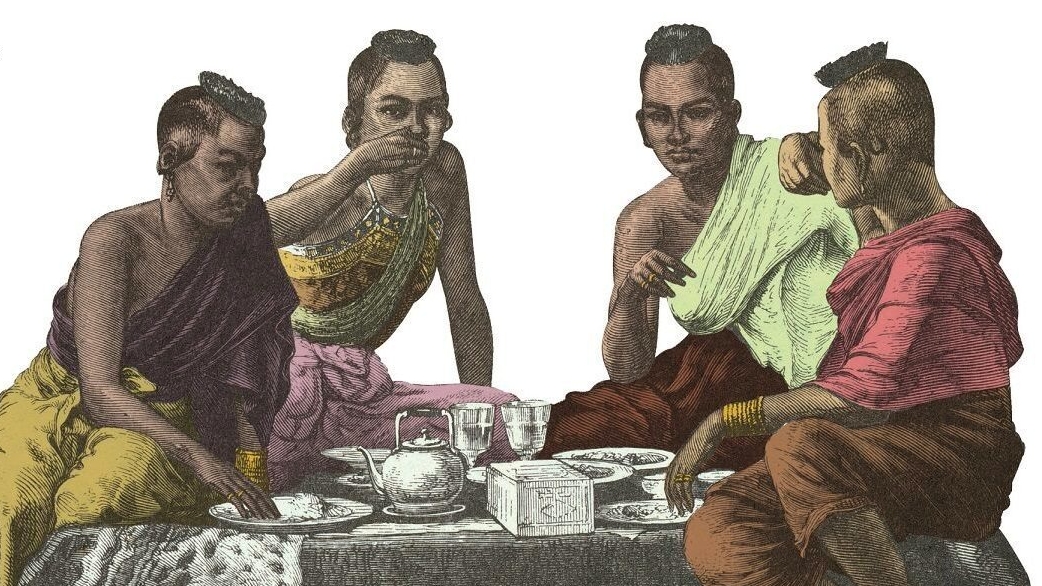
 Ancient China had no “Thai” people
Sujit Wongthes, founder of Silpa Wattanatham magazine, argues in Matichon Weekly that ancient China had no people who called themselves Thai. According to Sujit, what existed were communities speaking Tai-Kadai (Tai-Tai) languages, which Chinese chroniclers referred to derogatorily as Yue or Baiyue, meaning “barbarian tribes.”
“These Tai-Kadai groups identified themselves by various tribal names such as Zhuang, Li, and Lue,” Sujit writes, “but never as Thai. Later, some Thai historians and scholars in the 19th–20th centuries mistakenly labeled these groups as ‘Thai,’ even though there is no evidence they called themselves that.”
Thai origins lie in the Chao Phraya basin
According to Sujit, Thai people did not originate in China. Their original homeland was the Chao Phraya River basin, supported by historical, archaeological, and anthropological evidence.
1. Thai people came from the Siamese of the Chao Phraya basin, a mix of several indigenous ethnic groups. They used Thai as a common language and only began calling themselves Thai after adopting Theravada Buddhism (Lanka tradition) around 1200 CE.
2. Outside the Chao Phraya basin, no communities called themselves Thai:
North of Uttaradit: Lao Lanna
Northeast of Saraburi: Khmer along the Mun River and Lao along the Chi and Mekong rivers
South of Phetchaburi: Malay or foreign peoples
It was only in 1939 CE that these regions were unified as Thailand, and people of various ethnicities were officially labeled Thai.
The 2015 edition of Thai National History, under a military government, states:
“The Thai people in today’s Thailand may have migrated in large waves into this region around the 12th century CE.”
Sujit notes that evidence shows no large-scale migration, only gradual movements along trade routes. Thai became a lingua franca for commerce, and its spread did not require mass migration.
By 1200 CE, Theravada Buddhism, Pali-Sanskrit culture, and the Ramakien epic had already shaped the Chao Phraya Siamese, who then began identifying as Thai.

The “Thai from China” theory
Sujit explains that Western scholars and colonialists were the first to suggest that Thai people originated in China. Later, Thai intellectuals and elites accepted these ideas, giving rise to the Altai–Nan Chao narrative, which appears in the work of Khun Wichitmatra, a historian and bureaucrat.
William Clifton Dodd, an American missionary in northern Thailand, Burma, and China, argued in The Tai Race: The Elder Brother of the Chinese (1928 CE) that Thai people descended from the Mongoloid Altai region, predating both the Hebrews and Chinese. He claimed they were original inhabitants of China over 2,200 years ago and migrated south to Indochina over centuries.
Khun Wichitmatra later adapted Dodd’s ideas in his book Lak Thai, which won royal recognition in 1928 CE. He traced the Thai origin to the Altai mountains, the creation of kingdoms in southern China, migration south to Yunnan, and the formation of Nan Chao and Yonok kingdoms in present-day northern Thailand.
Altai–Nan Chao migration according to Lak Thai
According to the narrative in Lak Thai: Thai ancestors initially settled between the Yellow and Yangtze rivers, forming the Ai Lao kingdoms with capitals such as Nakhon Lung, Nakhon Pa, and Nakhon Ngeow.
Around 243 BCE, Chinese invasions reportedly pushed these groups south, establishing the Nan Chao kingdom in Yunnan by 557 CE. Under King Pilogo, Nan Chao expanded into northern Thailand, including Sipsong Chutai and Luang Prabang, and founded the Yonok kingdom in Suvarnabhumi, once home to Lawa, Khmer, and Mon peoples.
By 757 CE, Chinese chronicles record Nan Chao splitting into multiple regions: Kosampi (Saenwi), Julani (Tangke), Paisali/Manipur (Assam), and Yonok Chiang Saen. In 1235 CE, Kublai Khan’s forces destroyed Nan Chao. Thai people from Nan Chao migrated south, merging with earlier inhabitants of Suvarnabhumi (Lak Thai, 1928 CE).
Problems with the Altai theory
Even high-level Thai historians, such as Prince Damrong Rachanuparb, raised doubts about the Altai hypothesis. While the Ministry of Education removed the Altai origin theory from school textbooks in B.E. 2521, many books continued to include it. The idea persisted in public consciousness for generations and influenced subsequent historical writings, including works by Prince Chulchakkrapong (B.E. 2502).
Sujit concludes in Matichon Weekly that Thai identity is firmly rooted in the Chao Phraya river basin, shaped by Theravada Buddhism, Pali culture, and regional trade networks—not ancient China.
Source: https://www.khaosodenglish.com/life/2026/03/27/ancient-china-had-no-thai-people/
Google Translation:
จีนโบราณไม่มีชนชาติที่เรียกตัวเองว่า “ไทย”
สุจิต วงศ์เถศ ผู้ก่อตั้งนิตยสารศิลปวัฒนาธรรม โต้แย้งในนิตยสารมาติชนรายสัปดาห์ว่า จีนโบราณไม่มีชนชาติใดที่เรียกตัวเองว่าไทย ตามที่สุจิตกล่าว สิ่งที่มีอยู่คือชุมชนที่พูดภาษาไทกะได ซึ่งนักประวัติศาสตร์จีนเรียกอย่างดูถูกว่าเย่ว์หรือไป่เย่ว์ หมายถึง “ชนเผ่าป่าเถื่อน”
สุจิตเขียนว่า “กลุ่มไทกะไดเหล่านี้ระบุตัวตนด้วยชื่อเผ่าต่างๆ เช่น จ้วง หลี่ และลือ แต่ไม่เคยเรียกว่าไทย ต่อมา นักประวัติศาสตร์และนักวิชาการไทยบางคนในศตวรรษที่ 19-20 ได้เรียกกลุ่มเหล่านี้อย่างผิดพลาดว่า ‘ไทย’ ทั้งๆ ที่ไม่มีหลักฐานใดๆ ว่าพวกเขาเรียกตัวเองเช่นนั้น”
ต้นกำเนิดของไทยอยู่ในลุ่มแม่น้ำเจ้าพระยา
ตามที่สุจิตกล่าว คนไทยไม่ได้มีต้นกำเนิดในประเทศจีน บ้านเกิดดั้งเดิมของพวกเขาคือลุ่มแม่น้ำเจ้าพระยา ซึ่งได้รับการสนับสนุนจากหลักฐานทางประวัติศาสตร์ โบราณคดี และมานุษยวิทยา
1. ชาวไทยสืบเชื้อสายมาจากชาวสยามในลุ่มน้ำเจ้าพระยา ซึ่งเป็นการผสมผสานของกลุ่มชาติพันธุ์พื้นเมืองหลายกลุ่ม พวกเขาใช้ภาษาไทยเป็นภาษากลาง และเริ่มเรียกตนเองว่าไทยหลังจากรับนับถือพระพุทธศาสนาเถรวาด (แบบศรีลังกา) ประมาณปี ค.ศ. 1200
2. นอกลุ่มน้ำเจ้าพระยา ไม่มีชุมชนใดเรียกตนเองว่าไทย:
ทางเหนือของอุตรดิตถ์: ชาวลาวล้านนา
ทางตะวันออกเฉียงเหนือของสระบุรี: ชาวเขมรตามแม่น้ำมูล และชาวลาวตามแม่น้ำชีและแม่น้ำโขง
ทางใต้ของเพชรบุรี: ชาวมาเลย์หรือชาวต่างชาติ
จนกระทั่งปี ค.ศ. 1939 ภูมิภาคเหล่านี้จึงรวมเป็นประเทศไทย และผู้คนจากหลากหลายชาติพันธุ์จึงถูกเรียกอย่างเป็นทางการว่าไทย
หนังสือประวัติศาสตร์ชาติไทยฉบับปี ค.ศ. 2015 ภายใต้รัฐบาลทหาร ระบุว่า:
“ชาวไทยในประเทศไทยปัจจุบันอาจอพยพเข้ามาในภูมิภาคนี้เป็นระลอกใหญ่ประมาณศตวรรษที่ 12”
สุจิตต์ตั้งข้อสังเกตว่าหลักฐานแสดงให้เห็นว่าไม่มีการอพยพขนาดใหญ่ มีเพียงการเคลื่อนย้ายอย่างค่อยเป็นค่อยไปตามเส้นทางการค้าเท่านั้น ภาษาไทยกลายเป็นภาษากลางสำหรับการค้า และการแพร่กระจายของภาษาไทยไม่จำเป็นต้องมีการอพยพครั้งใหญ่
ราวปี ค.ศ. 1200 พุทธศาสนาเถรวาด วัฒนธรรมบาลี-สันสกฤต และมหากาพย์รามเกียรติ์ได้หล่อหลอมชาวสยามเจ้าพระยา ซึ่งต่อมาเริ่มระบุตนเองว่าเป็นคนไทย
ทฤษฎี “คนไทยมาจากจีน”
สุจิตอธิบายว่า นักวิชาการและนักล่าอาณานิคมชาวตะวันตกเป็นกลุ่มแรกที่เสนอว่าคนไทยมีต้นกำเนิดมาจากจีน ต่อมา ปัญญาชนและชนชั้นสูงของไทยยอมรับความคิดเหล่านี้ ทำให้เกิดเรื่องเล่าอัลไต-นานเจ้า ซึ่งปรากฏในงานของขุนวิชิตมาตรา นักประวัติศาสตร์และข้าราชการ
วิลเลียม คลิฟตัน ดอดด์ มิชชันนารีชาวอเมริกันในภาคเหนือของไทย พม่า และจีน ได้โต้แย้งในหนังสือ The Tai Race: The Elder Brother of the Chinese (ค.ศ. 1928) ว่าคนไทยสืบเชื้อสายมาจากภูมิภาคอัลไตซึ่งเป็นกลุ่มมองโกล ก่อนทั้งชาวฮีบรูและชาวจีน เขาอ้างว่าพวกเขาเป็นชนพื้นเมืองดั้งเดิมของจีนเมื่อกว่า 2,200 ปีก่อน และอพยพลงใต้ไปยังอินโดจีนในช่วงหลายศตวรรษ
ต่อมา คุณวิชิตมาตราได้ปรับปรุงแนวคิดของดอดด์ในหนังสือลักไทยของเขา ซึ่งได้รับการยกย่องจากราชวงศ์ในปี ค.ศ. 1928 เขาได้สืบย้อนต้นกำเนิดของชาวไทยไปยังเทือกเขาอัลไต การก่อตั้งอาณาจักรในจีนตอนใต้ การอพยพลงใต้ไปยังยูนนาน และการก่อตั้งอาณาจักรน่านเจ้าและโยนกในภาคเหนือของประเทศไทยในปัจจุบัน
การอพยพจากอัลไตไปยังน่านเจ้าตามลักไทย
ตามเรื่องราวในลักไทย: บรรพบุรุษของชาวไทยตั้งถิ่นฐานครั้งแรกระหว่างแม่น้ำเหลืองและแม่น้ำแยงซี ก่อตั้งอาณาจักรไอเหลาโดยมีเมืองหลวงเช่น นครลุง นครป่า และนครเงียว
ประมาณ 243 ปีก่อนคริสตกาล การรุกรานของจีนได้ผลักดันกลุ่มคนเหล่านี้ลงใต้ ก่อตั้งอาณาจักรน่านเจ้าในยูนนานในปี ค.ศ. 557 ในสมัยพระเจ้าพิโลโก อาณาจักรน่านเจ้าได้ขยายอำนาจไปยังภาคเหนือของประเทศไทย รวมถึงสิปสงชุไทและหลวงพระบาง และก่อตั้งอาณาจักรโยนกขึ้นที่สุวรรณภูมิ ซึ่งครั้งหนึ่งเคยเป็นที่อยู่อาศัยของชาวลาวา เขมร และมอญ
ในราวปี ค.ศ. 757 พงศาวดารจีนบันทึกว่าน่านเจ้าได้แตกออกเป็นหลายภูมิภาค ได้แก่ โคสัมปี (แสนวี) จุลาณี (ตังเก) ไพศาล/มณีปุระ (อัสสัม) และโยนกเชียงแสน ในปี ค.ศ. 1235 กองกำลังของกุบไลข่านได้ทำลายน่านเจ้า ชาวไทยจากน่านเจ้าอพยพลงใต้ ผสมผสานกับผู้อยู่อาศัยดั้งเดิมของสุวรรณภูมิ (หลักไทย ค.ศ. 1928)
ปัญหาเกี่ยวกับทฤษฎีอัลไต
แม้แต่นักประวัติศาสตร์ไทยระดับสูง เช่น เจ้าฟ้าดำรงค์รัชณุภาบ ก็ยังตั้งข้อสงสัยเกี่ยวกับสมมติฐานอัลไต ในขณะที่กระทรวงศึกษาธิการได้ลบทฤษฎีต้นกำเนิดอัลไตออกจากตำราเรียนในปี พ.ศ. 2521 แต่หนังสือหลายเล่มยังคงกล่าวถึงทฤษฎีนี้อยู่ แนวคิดนี้ยังคงอยู่ในจิตสำนึกของสาธารณชนมาหลายชั่วอายุคน และมีอิทธิพลต่อบันทึกทางประวัติศาสตร์ในยุคต่อมา รวมถึงผลงานของเจ้าชายจุฬากษ์พงษ์ (พ.ศ. 2502)
สุจิตสรุปในนิตยสารมาติชนรายสัปดาห์ว่า เอกลักษณ์ของไทยนั้นหยั่งรากลึกอยู่ในลุ่มแม่น้ำเจ้าพระยา โดยได้รับอิทธิพลจากพุทธศาสนาเถรวาด วัฒนธรรมบาลี และเครือข่ายการค้าในภูมิภาค ไม่ใช่จากจีนโบราณ
