
New Building Safety Law in Myanmar Is Just More Red Tape, Developers Complain
A new law aimed at boosting safety and transparency in the construction sector will only create more layers of red tape, delays and obstruction, businesspeople warn.
Hastily enacted on Feb. 4, the law establishes a powerful central committee chaired by a vice-president and comprising the construction minister, state and regional chief ministers, and other senior officials. This committee will have the authority to inspect the quality of domestic and imported construction materials, enforce building standards, and approve or reject large public buildings and structures deemed potentially dangerous.
But construction companies say this new layer of approval will likely swell the paperwork required to obtain a license and slow down the process—to say nothing of the corruption that inevitably follows bureaucracy in Myanmar.
A Yangon‑based developer told The Irrawaddy that the new system risks becoming another bottleneck. “It’s just more red tape,” he said. “Ministers already have enough on their plate, and now they’re added to this committee. I don’t see how this can smooth the process. I’m afraid it will take years to get approval for large public projects.”
The new law is based on a bill drafted years ago by the now-ousted National League for Democracy (NLD) government. The regime says the aim is to strengthen safety oversight after the powerful earthquake that struck Myanmar last March exposed substandard construction of public buildings on a massive scale.
But builders point out that approval from city development committees already takes months, and adding another committee on top of them will only cause further delays.
“If we have to go through both municipalities and this new central committee, the waiting time will be even longer,” one developer said.
The private construction sector has picked up since the earthquake due to rebuilding needs, but developers say the junta has been awarding reconstruction contracts for damaged government buildings—especially in Naypyitaw—to cronies without open tenders.
“For government buildings damaged by the earthquake, many contracts were handed out directly, often through cartels or personal networks,” a Naypyitaw contractor said.
Developers also complain of shortages of imported construction materials and skilled workers like engineers due to the post-coup brain drain, forcing most projects to rely on lower‑quality work.
In principle the new law would bring Myanmar closer to international standards. It prohibits unauthorized construction of high‑rise structures, public‑use buildings, or hazardous storage facilities—meaning they must be approved by the central committee. Using materials without certified quality approval is also banned. Violations carry prison sentences of three to five years, fines ranging from 3 million to 50 million kyats, or both. Offenders must also compensate victims or rebuild damaged structures.
Currently, buildings up to eight stories only require approval from town municipalities—the Yangon City Development Committee in Yangon, for example—while structures above 12 stories must be submitted to the High‑Rise Construction Committee for structural safety review and approved by concerned regional or state governments.
The new central committee will add yet another layer of approval, and more palms to be greased. But developers say it is unlikely to be formed until the military’s proxy Union Solidarity and Development Party (USDP) takes office in April.
Source: https://www.irrawaddy.com/business/new-building-safety-law-is-just-more-red-tape-developers-complain.html
Google Translation:
ผู้พัฒนาอสังหาริมทรัพย์บ่นว่า กฎหมายความปลอดภัยในการก่อสร้างฉบับใหม่เป็นเพียงขั้นตอนที่ยุ่งยากมากขึ้น
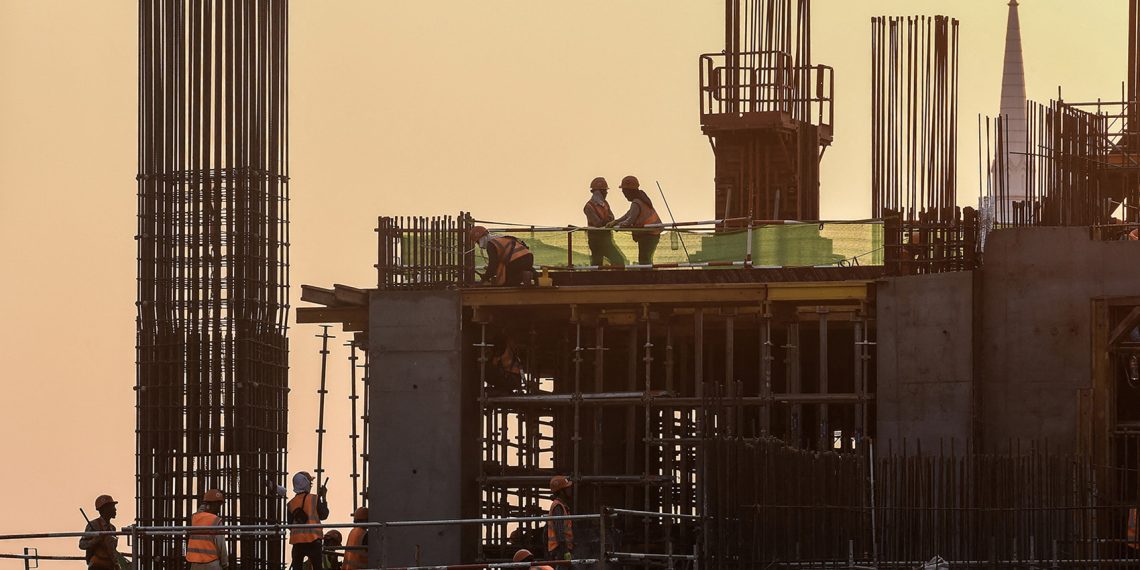
ภาพสถานที่ก่อสร้างในย่างกุ้ง / AFP
นักธุรกิจเตือนว่า กฎหมายใหม่ที่มุ่งส่งเสริมความปลอดภัยและความโปร่งใสในภาคการก่อสร้าง จะสร้างขั้นตอนที่ยุ่งยาก ความล่าช้า และอุปสรรคเพิ่มขึ้นเท่านั้น
กฎหมายฉบับนี้ซึ่งประกาศใช้อย่างเร่งด่วนเมื่อวันที่ 4 กุมภาพันธ์ ได้จัดตั้งคณะกรรมการกลางที่มีอำนาจ โดยมีรองประธานาธิบดีเป็นประธาน และประกอบด้วยรัฐมนตรีว่าการกระทรวงการก่อสร้าง หัวหน้าคณะรัฐมนตรีประจำรัฐและภูมิภาค และเจ้าหน้าที่อาวุโสอื่นๆ คณะกรรมการนี้จะมีอำนาจในการตรวจสอบคุณภาพของวัสดุก่อสร้างทั้งในประเทศและนำเข้า บังคับใช้มาตรฐานการก่อสร้าง และอนุมัติหรือปฏิเสธอาคารและโครงสร้างสาธารณะขนาดใหญ่ที่ถือว่าอาจเป็นอันตราย
แต่บริษัทก่อสร้างกล่าวว่า ขั้นตอนการอนุมัติใหม่นี้มีแนวโน้มที่จะเพิ่มเอกสารที่จำเป็นในการขอใบอนุญาตและทำให้กระบวนการช้าลง—ยังไม่นับรวมการทุจริตที่หลีกเลี่ยงไม่ได้ซึ่งเกิดขึ้นตามมาในระบบราชการของเมียนมาร์
ผู้พัฒนาอสังหาริมทรัพย์ในย่างกุ้งรายหนึ่งบอกกับ The Irrawaddy ว่า ระบบใหม่นี้มีความเสี่ยงที่จะกลายเป็นคอขวดอีกอย่างหนึ่ง “มันเป็นเพียงขั้นตอนที่ยุ่งยากมากขึ้น” เขากล่าว “รัฐมนตรีมีภาระงานมากพออยู่แล้ว และตอนนี้พวกเขายังต้องมาอยู่ในคณะกรรมการนี้อีก ผมไม่เห็นว่ามันจะช่วยให้กระบวนการราบรื่นขึ้นได้อย่างไร ผมเกรงว่าการขออนุมัติโครงการสาธารณะขนาดใหญ่จะใช้เวลาหลายปี”
This new law is based on a draft legislation created several years ago by the ousted National League for Democracy (NLD) government. The government says its goal is to strengthen safety oversight following the major earthquake that struck Myanmar last March, which exposed widespread substandard public building construction.
But the developers point out that obtaining approval from the city development board already takes several months, and adding another board would only cause further delays.
“If we have to go through both the municipality and this new central committee, the waiting time will be even longer,” said one project developer.
The private construction sector recovered after the earthquake due to demand for reconstruction projects, but property developers say the military government awarded contracts for the restoration of damaged government buildings, particularly in Naypyidaw, to its cronies without public bidding.
“For government buildings damaged by the earthquake, many contracts were awarded directly, often through influential groups or private networks,” said one contractor in Naypyidaw.
Real estate developers also complained about shortages of imported construction materials and skilled labor, such as engineers, due to the loss of skilled personnel following the coup, forcing most projects to rely on lower-quality labor.
In principle, this new law will bring Myanmar closer to international standards. It prohibits the construction of high-rise buildings, public buildings, or storage facilities for hazardous materials without permission, meaning approval from the Central Committee is required. The use of materials without quality certification is also prohibited. Violators face imprisonment of 3-5 years, a fine of 3-50 million kyat, or both. Offenders must compensate victims or repair damaged structures.
Currently, buildings under eight stories require approval from the municipality only, such as the Yangon City Development Board, while buildings over 12 stories must submit an application to the High-Rise Building Construction Board for structural safety inspection and obtain approval from the relevant regional or state government.
The new central committee will add another layer of approval and allow for more bribery, but real estate developers say it’s unlikely to be established until the Union Solidarity and Development Party (USDP), which represents the military, takes office in April.

