With fluctuating steel prices, many businesses in Vietnam are recalculating their costs
Faced with rising steel prices, many businesses in the mechanical engineering and construction sectors are forced to recalculate production costs and project implementation plans.
Mechanical engineering businesses are struggling to keep orders.
The domestic steel market has recently seen a notable price adjustment, with many manufacturers simultaneously raising the selling price of construction steel by approximately 300,000 VND/ton, equivalent to about 300 VND/kg. According to industry businesses, this price adjustment mainly stems from increased costs of steel billets and input materials, along with escalating transportation and logistics costs due to volatile global oil prices.
This latest price increase comes at a time when many construction projects are entering their peak construction phase, forcing businesses in the mechanical and construction sectors to recalculate production costs and project implementation plans.
Speaking with a reporter from the Industry and Trade Newspaper, Ms. Le Khac Ngoc Anh, Director of Vuong Nam Trading – Manufacturing – Construction Co., Ltd., said that while previously prices could be maintained for about 30 days, now businesses can only maintain prices for 1-3 days. Customers find the prices high and tend to wait a while longer to see if the market cools down before deciding to place an order.
According to Ms. Ngoc Anh, material costs account for approximately 65-75% of total production costs, depending on the order. Therefore, even a slight fluctuation in steel prices will significantly impact product prices, forcing businesses to frequently adjust quotations and shorten the validity period to mitigate risks.
“In response to this price increase, the company is proactively adjusting some aspects of its production process to reduce costs. For example, previously each order would have its own oven painted, but now we consolidate orders with the same paint color to paint them together in one go, then sort and deliver them to each customer,” Ms. Ngoc Anh explained. She added that this approach helps the business reduce operating costs and save energy during production.
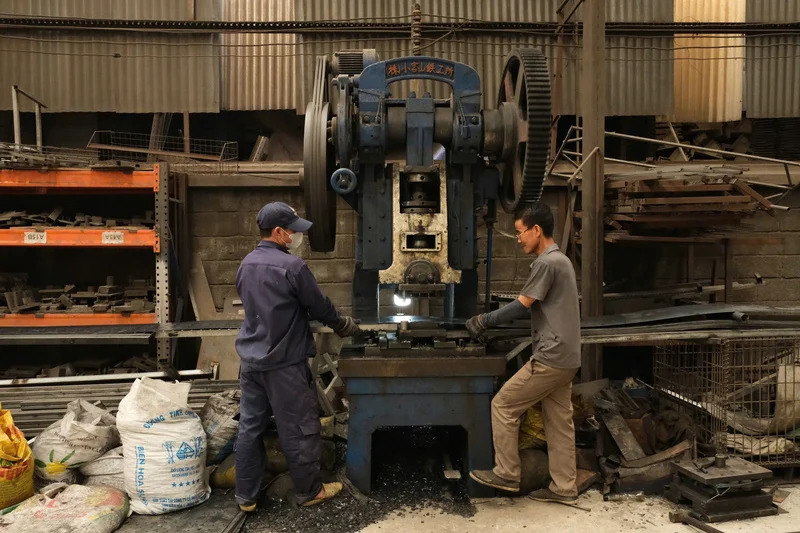
A representative from Ngoc Tin Construction and Trading Company Limited stated that the company is focusing on optimizing production processes, adjusting raw material procurement plans in stages, and strengthening direct collaboration with suppliers to ensure a stable steel supply.
In addition, the company is reviewing product designs and optimizing materials during the manufacturing process to save raw materials while still ensuring the quality and load-bearing capacity of its steel shelving lines.
“Despite fluctuations in raw material costs, we strive to maintain reasonable prices and support our customers during this challenging period. For regular customers or orders placed during periods of sharp price increases, the company may maintain the old prices as much as possible or partially subsidize shipping costs to maintain long-term relationships,” a company representative shared.
Construction contractors are cautious about cost fluctuations.
Not only mechanical engineering businesses, but the construction sector is also directly affected by the rising price of steel, as it is a material that accounts for a large proportion in many construction projects.
Ms. Nguyen Thanh Thu, representative of Van Gia Thanh Construction Company, said that recently the price of steel and some construction materials has tended to increase, which has somewhat put pressure on the construction costs of businesses.
To mitigate the impact, the company is proactively adjusting its material supply plans and strengthening cooperation with suppliers to ensure a stable supply of materials for ongoing projects. In addition, the company is focusing on optimizing engineering design and organizing construction efficiently to reduce material waste, while also implementing cost management solutions during the construction process.
“If the upward trend in raw material prices continues, businesses will be forced to consider adjusting product prices to offset costs, but still strive to keep them at a reasonable level so that customers can continue to cooperate in the long term,” Ms. Thu said.
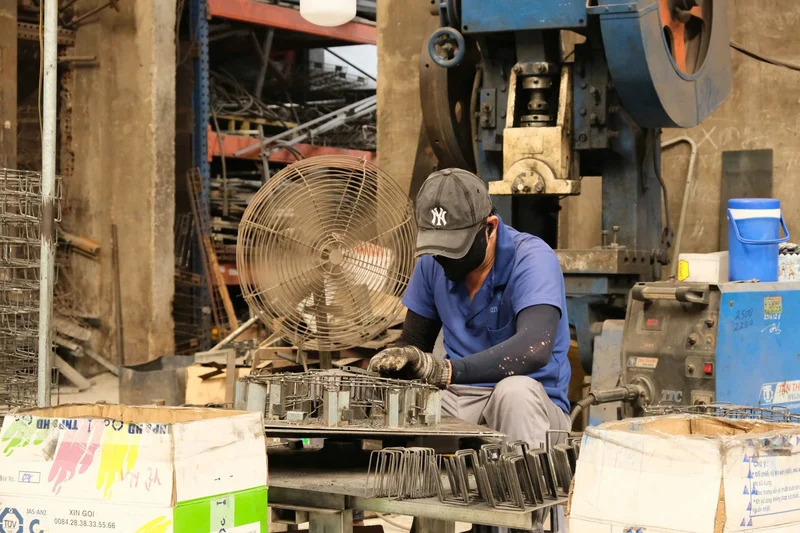
Speaking to the press, Mr. Nguyen Quoc Hiep, Chairman of the Vietnam Construction Contractors Association, said that in the cost structure of a construction project, steel usually accounts for about 20-30% of the total material cost. Therefore, even a few hundred thousand dong increase in steel price per ton can significantly increase the total project cost, especially for large-scale projects.
According to Mr. Hiep, most construction contracts are currently signed based on fixed unit prices, so when material prices increase dramatically, contractors often have to bear the additional costs themselves. If this situation continues, the profits of construction companies will be significantly affected.
The Vietnam Association of Construction Contractors also believes that steel is a fundamental material in many fields such as infrastructure construction, real estate, mechanical engineering, and industrial production. Therefore, fluctuations in steel prices not only affect direct steel producers but can also lead to increased investment costs for many projects in the economy .
According to industry experts, if the upward trend in steel prices continues, the investment costs of many construction and manufacturing projects may face further pressure. In this context, proactively managing costs, optimizing production processes, and strengthening supply chain linkages will be key factors in helping businesses maintain competitiveness and operational stability.
Source: https://www.vietnam.vn/en/gia-thep-bien-dong-nhieu-doanh-nghiep-tinh-lai-chi-phi
Google Translation:
ด้วยราคาเหล็กที่ผันผวน ธุรกิจหลายแห่งในเวียดนามกำลังคำนวณต้นทุนใหม่
เมื่อเผชิญกับราคาเหล็กที่สูงขึ้น ธุรกิจในภาควิศวกรรมเครื่องกลและการก่อสร้างจำนวนมากจึงถูกบังคับให้คำนวณต้นทุนการผลิตและแผนการดำเนินงานโครงการใหม่
ธุรกิจวิศวกรรมเครื่องกลกำลังดิ้นรนเพื่อรักษาคำสั่งซื้อ
ตลาดเหล็กในประเทศเพิ่งมีการปรับราคาอย่างเห็นได้ชัด โดยผู้ผลิตหลายรายปรับขึ้นราคาขายเหล็กก่อสร้างพร้อมกันประมาณ 300,000 ดง/ตัน หรือประมาณ 300 ดง/กิโลกรัม ตามข้อมูลจากธุรกิจในอุตสาหกรรม การปรับราคาครั้งนี้ส่วนใหญ่เกิดจากต้นทุนเหล็กแท่งและวัตถุดิบที่เพิ่มขึ้น รวมถึงต้นทุนการขนส่งและโลจิสติกส์ที่สูงขึ้นเนื่องจากราคาน้ำมันโลกที่ผันผวน
การขึ้นราคาครั้งล่าสุดนี้เกิดขึ้นในช่วงเวลาที่โครงการก่อสร้างหลายโครงการกำลังเข้าสู่ช่วงการก่อสร้างสูงสุด ทำให้ธุรกิจในภาควิศวกรรมเครื่องกลและการก่อสร้างต้องคำนวณต้นทุนการผลิตและแผนการดำเนินงานโครงการใหม่
ธุรกิจวิศวกรรมเครื่องกลต้องพยายามเพิ่มประสิทธิภาพการดำเนินงานในโรงงานให้สูงสุดเพื่อรักษาต้นทุนให้อยู่ในระดับที่เหมาะสม ภาพ: บริษัท หว่อง นัม เทรดดิ้ง – แมนูแฟคเจอริ่ง – คอนสตรัคชั่น จำกัด
นางเล คัก ง็อก อั๋น กรรมการบริษัท หว่อง นัม เทรดดิ้ง – แมนูแฟคเจอริ่ง – คอนสตรัคชั่น จำกัด ให้สัมภาษณ์กับผู้สื่อข่าวจากหนังสือพิมพ์อุตสาหกรรมและการค้าว่า ก่อนหน้านี้ บริษัทต่างๆ สามารถคงราคาสินค้าได้ประมาณ 30 วัน แต่ปัจจุบันสามารถคงราคาได้เพียง 1-3 วันเท่านั้น ลูกค้ามองว่าราคาสูง และมักจะรอจนกว่าตลาดจะเย็นลงก่อนตัดสินใจสั่งซื้อ
นางง็อก อั๋น กล่าวเพิ่มเติมว่า ต้นทุนวัสดุคิดเป็นประมาณ 65-75% ของต้นทุนการผลิตทั้งหมด ขึ้นอยู่กับคำสั่งซื้อ ดังนั้น แม้แต่ความผันผวนเพียงเล็กน้อยของราคาเหล็กก็จะส่งผลกระทบอย่างมากต่อราคาสินค้า ทำให้บริษัทต้องปรับราคาและลดระยะเวลาการคงราคาลงบ่อยครั้งเพื่อลดความเสี่ยง
“เพื่อตอบสนองต่อราคาที่เพิ่มขึ้น บริษัทกำลังปรับเปลี่ยนกระบวนการผลิตบางส่วนอย่างเชิงรุกเพื่อลดต้นทุน ตัวอย่างเช่น ก่อนหน้านี้แต่ละคำสั่งซื้อจะมีการทาสีเตาอบแยกกัน แต่ตอนนี้เรารวมคำสั่งซื้อที่มีสีเดียวกันเข้าด้วยกันเพื่อทาสีในคราวเดียว จากนั้นจึงคัดแยกและจัดส่งให้กับลูกค้าแต่ละราย” นางสาวง็อก อานห์ อธิบาย เธอกล่าวเสริมว่าวิธีการนี้ช่วยให้ธุรกิจลดต้นทุนการดำเนินงานและประหยัดพลังงานในระหว่างการผลิต
การเพิ่มประสิทธิภาพในแต่ละขั้นตอนการผลิตเป็นกุญแจสำคัญในการช่วยให้ธุรกิจรักษาฐานลูกค้าไว้ได้ ภาพ: บริษัท หว่อง นัม เทรดดิ้ง – แมนูแฟคเจอริ่ง – คอนสตรัคชั่น จำกัด
ตัวแทนจากบริษัท ง็อก ทิน คอนสตรัคชั่น แอนด์ เทรดดิ้ง จำกัด กล่าวว่า บริษัทกำลังมุ่งเน้นไปที่การเพิ่มประสิทธิภาพกระบวนการผลิต ปรับแผนการจัดซื้อวัตถุดิบเป็นระยะ และเสริมสร้างความร่วมมือโดยตรงกับซัพพลายเออร์เพื่อให้มั่นใจได้ว่ามีเหล็กจัดหาอย่างต่อเนื่อง
นอกจากนี้ บริษัทกำลังทบทวนการออกแบบผลิตภัณฑ์และเพิ่มประสิทธิภาพวัสดุในระหว่างกระบวนการผลิตเพื่อประหยัดวัตถุดิบในขณะที่ยังคงรักษาคุณภาพและความสามารถในการรับน้ำหนักของชั้นวางเหล็กไว้ได้
“แม้ว่าต้นทุนวัตถุดิบจะผันผวน แต่เราพยายามรักษาไว้ซึ่งราคาที่เหมาะสมและให้การสนับสนุนลูกค้าของเราในช่วงเวลาที่ท้าทายนี้ สำหรับลูกค้าประจำหรือคำสั่งซื้อที่เกิดขึ้นในช่วงที่ราคาสูงขึ้นอย่างรวดเร็ว บริษัทอาจคงราคาเดิมไว้ให้มากที่สุดเท่าที่จะเป็นไปได้ หรืออาจช่วยอุดหนุนค่าขนส่งบางส่วนเพื่อรักษาความสัมพันธ์ระยะยาว” ตัวแทนบริษัทกล่าว
ผู้รับเหมาก่อสร้างต่างระมัดระวังเกี่ยวกับความผันผวนของต้นทุน
ไม่เพียงแต่ธุรกิจวิศวกรรมเครื่องกลเท่านั้น แต่ภาคการก่อสร้างก็ได้รับผลกระทบโดยตรงจากราคาเหล็กที่สูงขึ้นเช่นกัน เนื่องจากเป็นวัสดุที่มีสัดส่วนมากในโครงการก่อสร้างหลายโครงการ
นางสาวเหงียน ทันห์ ทู ตัวแทนจากบริษัทก่อสร้างวันเกียทันห์ กล่าวว่า ในช่วงไม่นานมานี้ ราคาเหล็กและวัสดุก่อสร้างบางชนิดมีแนวโน้มสูงขึ้น ซึ่งส่งผลให้ต้นทุนการก่อสร้างของธุรกิจต่างๆ ได้รับผลกระทบในระดับหนึ่ง
เพื่อบรรเทาผลกระทบ บริษัทกำลังปรับแผนการจัดหาวัสดุอย่างเชิงรุกและเสริมสร้างความร่วมมือกับซัพพลายเออร์เพื่อให้มั่นใจได้ว่าจะมีวัสดุเพียงพอสำหรับโครงการที่กำลังดำเนินการอยู่ นอกจากนี้ บริษัทฯ ยังมุ่งเน้นไปที่การเพิ่มประสิทธิภาพการออกแบบทางวิศวกรรมและการจัดการก่อสร้างอย่างมีประสิทธิภาพ เพื่อลดการสิ้นเปลืองวัสดุ พร้อมทั้งนำโซลูชันการบริหารจัดการต้นทุนมาใช้ในระหว่างกระบวนการก่อสร้าง
“หากราคาวัตถุดิบยังคงมีแนวโน้มสูงขึ้นอย่างต่อเนื่อง ธุรกิจต่างๆ จะต้องพิจารณาปรับราคาสินค้าเพื่อชดเชยต้นทุน แต่ก็ยังคงพยายามรักษาราคาให้อยู่ในระดับที่เหมาะสม เพื่อให้ลูกค้าสามารถให้ความร่วมมือในระยะยาวได้” นางสาวทู กล่าว
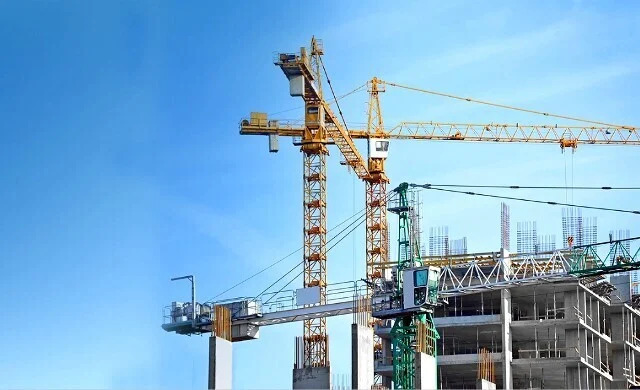
หากราคาเหล็กยังคงสูงขึ้น ธุรกิจต่างๆ จะต้องพิจารณาปรับราคาสินค้าเพื่อชดเชยต้นทุน (ภาพประกอบ)
นายเหงียน กว็อก เหียบ ประธานสมาคมผู้รับเหมาก่อสร้างเวียดนาม กล่าวกับสื่อมวลชนว่า ในโครงสร้างต้นทุนของโครงการก่อสร้าง เหล็กมักคิดเป็นประมาณ 20-30% ของต้นทุนวัสดุทั้งหมด ดังนั้น แม้ราคาเหล็กต่อตันจะเพิ่มขึ้นเพียงไม่กี่แสนดอง ก็สามารถเพิ่มต้นทุนโครงการโดยรวมได้อย่างมาก โดยเฉพาะอย่างยิ่งสำหรับโครงการขนาดใหญ่
นายเหียบกล่าวเพิ่มเติมว่า ปัจจุบันสัญญาการก่อสร้างส่วนใหญ่ทำขึ้นโดยใช้ราคาต่อหน่วยคงที่ ดังนั้นเมื่อราคาวัสดุเพิ่มขึ้นอย่างมาก ผู้รับเหมามักจะต้องแบกรับต้นทุนที่เพิ่มขึ้นเอง หากสถานการณ์นี้ยังคงดำเนินต่อไป กำไรของบริษัทก่อสร้างจะได้รับผลกระทบอย่างมาก
สมาคมผู้รับเหมาก่อสร้างเวียดนามยังเชื่อว่า เหล็กเป็นวัสดุพื้นฐานในหลายสาขา เช่น การก่อสร้างโครงสร้างพื้นฐาน อสังหาริมทรัพย์ วิศวกรรมเครื่องกล และการผลิตภาคอุตสาหกรรม ดังนั้น ความผันผวนของราคาเหล็กไม่เพียงแต่ส่งผลกระทบต่อผู้ผลิตเหล็กโดยตรงเท่านั้น แต่ยังอาจนำไปสู่ต้นทุนการลงทุนที่เพิ่มขึ้นสำหรับหลายโครงการในระบบเศรษฐกิจ
ผู้เชี่ยวชาญในอุตสาหกรรมกล่าวว่า หากแนวโน้มราคาเหล็กยังคงสูงขึ้นต่อไป ต้นทุนการลงทุนของโครงการก่อสร้างและการผลิตหลายโครงการอาจเผชิญกับแรงกดดันมากขึ้น ในบริบทนี้ การบริหารจัดการต้นทุนเชิงรุก การเพิ่มประสิทธิภาพกระบวนการผลิต และการเสริมสร้างความเชื่อมโยงในห่วงโซ่อุปทาน จะเป็นปัจจัยสำคัญที่จะช่วยให้ธุรกิจรักษาความสามารถในการแข่งขันและความมั่นคงในการดำเนินงาน