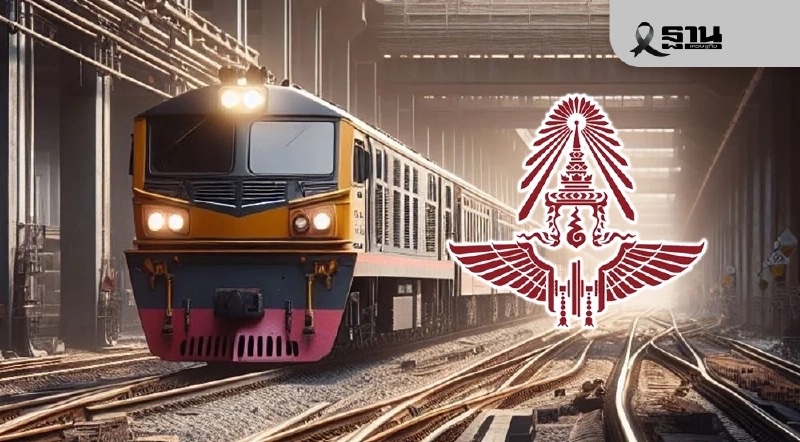
 European business group expresses strong interest in supporting Thailand’s expanding logistics and rail sectors
A working group of the European Association for Business and Commerce (EABC) has expressed strong interest in supporting Thailand’s expanding logistics and rail sectors, citing the country’s 2,400-kilometre double-track railway network as a key driver of lower regional transport costs and stronger supply-chain efficiency.
The interest was conveyed during a meeting yesterday between the Ministry of Transport and an EABC delegation led by Roderich Hoffmann, head of the working group on transport, rail systems and logistics.
Panya Chupanich, deputy permanent secretary for transport, said discussions focused on enhancing Thailand–Europe cooperation in rail development, logistics innovation and regulatory frameworks.
Senior officials from the Office of Transport and Traffic Policy and Planning, the Department of Rail Transport and related agencies also attended.
Thailand’s rail expansion forms part of a broader strategy to improve urban connectivity and support long-term growth.
Currently, 14 mass transit lines across Bangkok and adjacent provinces are in operation, covering more than 280km. Two additional lines — extensions of the Orange and Purple lines — are under construction.
Mr Panya said the ministry is preparing to begin construction in March on new Red Line extensions, from Rangsit to Thammasat University’s Rangsit campus in northern Bangkok, and from Taling Chan to Siriraj and onward to Salaya in the west.
Nationwide, Thailand continues to prioritise expansion of its double-track railway system to strengthen logistics competitiveness.
Phases 1 and 2 together cover about 2,472km, with Phase 2 awaiting cabinet approval. The upgraded network is expected to increase freight capacity, cut transit times and improve reliability.
Regional connectivity remains a strategic focus, Mr Panya said.
Phase 1 of the Thai–Chinese high-speed railway linking Bangkok and Nakhon Ratchasima is 51.73% complete and scheduled for completion in 2028. Phase 2, extending to Nong Khai, is in the bidding document preparation stage.
The 220km high-speed rail project linking Don Mueang, Suvarnabhumi and U-Tapao airports remains a flagship initiative.
In parallel, Thailand has enacted the Rail Transport Act 2025, which will take effect on March 27, introducing stronger regulatory oversight and higher industry standards.
The ministry reaffirmed its readiness to facilitate investment under the country’s legal framework, including opportunities arising from EU–Thailand free trade agreement negotiations.
Source: https://www.bangkokpost.com/thailand/general/3206733/european-business-group-eyes-thai-rail
Google Translation:
กลุ่มธุรกิจยุโรปแสดงความสนใจอย่างยิ่งในการสนับสนุนภาคโลจิสติกส์และระบบรางของไทยที่กำลังขยายตัว
คณะทำงานของสมาคมธุรกิจและการพาณิชย์แห่งยุโรป (EABC) ได้แสดงความสนใจอย่างมากในการสนับสนุนภาคโลจิสติกส์และระบบรางของไทยที่กำลังขยายตัว โดยอ้างถึงเครือข่ายทางรถไฟรางคู่ระยะทาง 2,400 กิโลเมตรของประเทศว่าเป็นปัจจัยสำคัญในการลดต้นทุนการขนส่งในระดับภูมิภาคและเพิ่มประสิทธิภาพของห่วงโซ่อุปทาน
ความสนใจดังกล่าวเกิดขึ้นระหว่างการประชุมเมื่อวานนี้ระหว่างกระทรวงคมนาคมและคณะผู้แทน EABC นำโดยนายโรเดอริช ฮอฟฟ์มันน์ หัวหน้าคณะทำงานด้านการขนส่ง ระบบราง และโลจิสติกส์
นายปัญญา ชูพานิช รองปลัดกระทรวงคมนาคม กล่าวว่า การหารือมุ่งเน้นไปที่การเสริมสร้างความร่วมมือระหว่างไทยและยุโรปในการพัฒนาระบบราง นวัตกรรมด้านโลจิสติกส์ และกรอบการกำกับดูแล
เจ้าหน้าที่ระดับสูงจากสำนักงานนโยบายและแผนการขนส่งทางบก กรมการขนส่งทางราง และหน่วยงานที่เกี่ยวข้องเข้าร่วมการประชุมด้วย
การขยายระบบรางของไทยเป็นส่วนหนึ่งของยุทธศาสตร์ที่กว้างขึ้นเพื่อปรับปรุงการเชื่อมต่อในเมืองและสนับสนุนการเติบโตในระยะยาว
ปัจจุบัน รถไฟฟ้าขนส่งมวลชน 14 สายทั่วกรุงเทพฯ และจังหวัดใกล้เคียง ครอบคลุมระยะทางกว่า 280 กิโลเมตร และกำลังก่อสร้างสายเพิ่มเติมอีก 2 สาย คือ สายสีส้มและสายสีม่วง ต่อขยาย
นายปัญญา กล่าวว่า กระทรวงกำลังเตรียมเริ่มก่อสร้างสายสีแดงต่อขยายในเดือนมีนาคม จากรังสิตไปยังมหาวิทยาลัยธรรมศาสตร์วิทยาเขตรังสิตทางตอนเหนือของกรุงเทพฯ และจากตลิ่งชันไปยังศิริราชและต่อไปยังศาลายาทางทิศตะวันตก
ทั่วประเทศ ไทยยังคงให้ความสำคัญกับการขยายระบบรถไฟรางคู่เพื่อเสริมสร้างศักยภาพในการแข่งขันด้านโลจิสติกส์
เฟส 1 และ 2 รวมกันครอบคลุมระยะทางประมาณ 2,472 กิโลเมตร โดยเฟส 2 อยู่ระหว่างรอการอนุมัติจากคณะรัฐมนตรี คาดว่าเครือข่ายที่ได้รับการปรับปรุงจะเพิ่มขีดความสามารถในการขนส่งสินค้า ลดเวลาการขนส่ง และเพิ่มความน่าเชื่อถือ
นายปัญญา กล่าวว่า การเชื่อมต่อระดับภูมิภาคยังคงเป็นจุดเน้นเชิงกลยุทธ์
โครงการรถไฟฟ้าความเร็วสูงไทย-จีน ระยะที่ 1 เชื่อมกรุงเทพฯ กับนครราชสีมา เสร็จสมบูรณ์แล้ว 51.73% และมีกำหนดแล้วเสร็จในปี 2561 ระยะที่ 2 ต่อไปยังหนองคาย อยู่ในขั้นตอนการเตรียมเอกสารประกวดราคา
โครงการรถไฟฟ้าความเร็วสูงระยะทาง 220 กิโลเมตร เชื่อมสนามบินดอนเมือง สุวรรณภูมิ และอู่ตะเภา ยังคงเป็นโครงการสำคัญ
ในขณะเดียวกัน ประเทศไทยได้ประกาศใช้พระราชบัญญัติการขนส่งทางราง พ.ศ. 2568 ซึ่งจะมีผลบังคับใช้ในวันที่ 27 มีนาคม โดยจะมีการกำกับดูแลที่เข้มงวดขึ้นและกำหนดมาตรฐานอุตสาหกรรมที่สูงขึ้น
กระทรวงฯ ยืนยันความพร้อมที่จะอำนวยความสะดวกในการลงทุนภายใต้กรอบกฎหมายของประเทศ รวมถึงโอกาสที่เกิดขึ้นจากการเจรจาข้อตกลงการค้าเสรีระหว่างสหภาพยุโรปและไทย