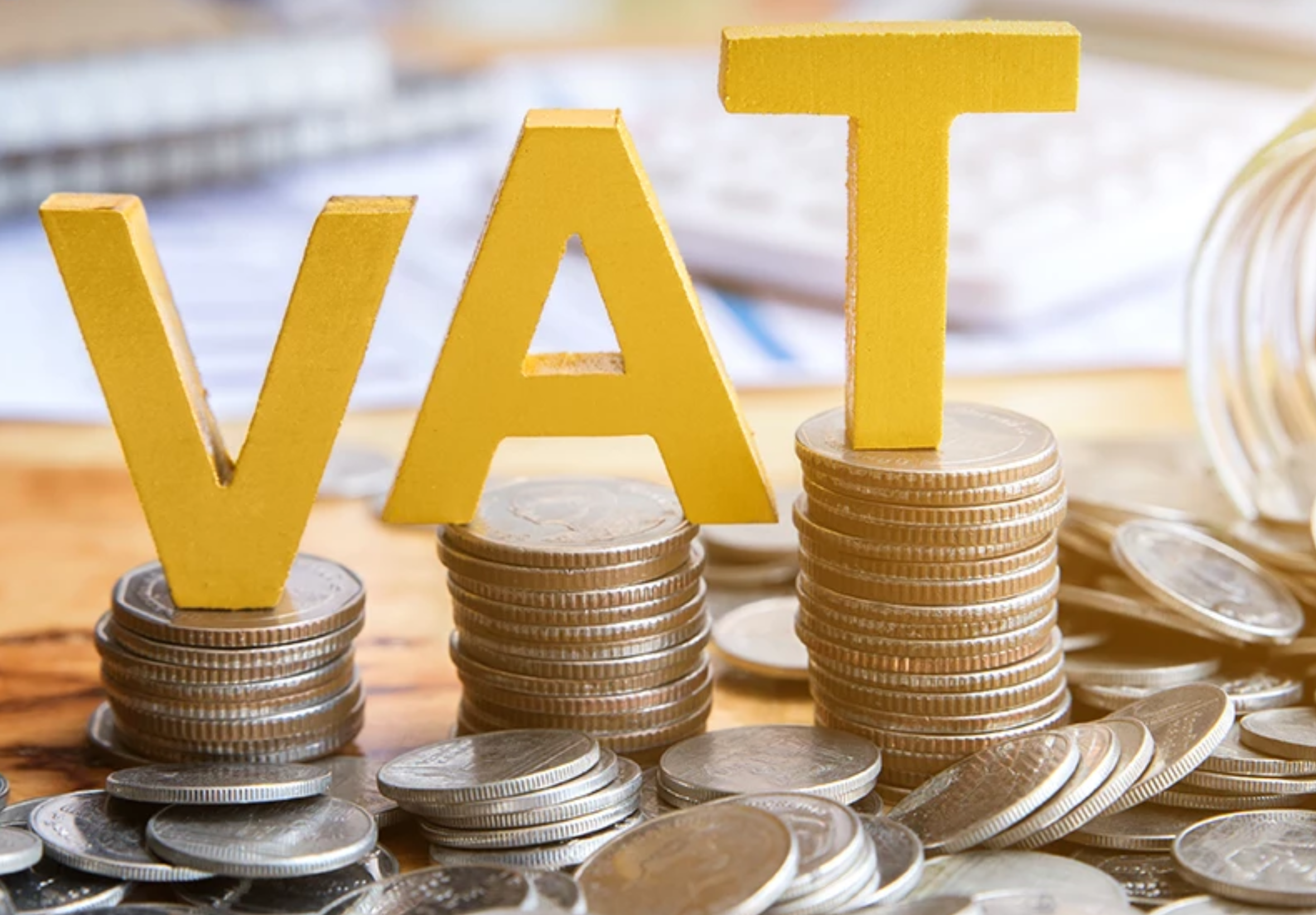
 VAT Rise to 10% Proposed in Thailand to Fund Elderly Benefits
A proposal to increase Thailand’s value-added tax (VAT) to 10% aims to boost government revenue and enhance welfare benefits for senior citizens. The plan, reported on Saturday, February 14, 2026, suggests the higher rate could generate an additional 200–300 billion baht annually. The extra funds would help raise monthly pensions for elderly citizens from the current 600–1,000 baht to 3,000 baht.
VAT currently accounts for around 30% of total government income, generating approximately 900 billion baht each year. Under the proposal, the additional revenue would be placed in a special savings account, allowing individuals to invest in government bonds to support increased welfare spending. The measure forms part of broader efforts to strengthen public finances amid rising fiscal pressures.
The sub-committee has also proposed expanding the tax base and tackling tax evasion. One key measure would introduce a 0.11% tax on stock sales, ending a more than 40-year exemption and potentially generating 16–18 billion baht annually. Another proposal under consideration is taxing gold transactions, which average around 65 billion baht per day, compared with approximately 42 billion baht in daily stock trades.
In addition, the committee recommends reinstating an exit tax for outbound travel. The proposed charge would be 1,000 baht per person for air travel and 500 baht for land or sea departures, potentially raising an extra 2.8 billion baht per year.
Warit Pipitpojjanakarn, secretary of the sub-committee on finance, raised concerns that public debt is projected to reach 69.78% of GDP by 2028, nearing the 70% ceiling. He noted that persistent budget deficits, particularly during the Covid-19 crisis, pushed the shortfall beyond the fiscal sustainability limit of 3% of GDP, with projections showing a rise to 4.4% by 2026. He also proposed structural tax reforms to promote savings and ease living costs.
Among these reforms is an increase in the child tax deduction from 30,000 baht to 500,000 baht per child. Plans include establishing savings funds for children and parents, with tax deductions of up to 100,000 baht per year, through a “Thai Junior Fund” and a “Parents Fund”. Dividend tax rules would also be adjusted for individuals earning more than 10 million baht annually, shifting them to a progressive rate.
The Nation reported that all the proposals remain under consideration, with further deliberations expected before any measures are implemented.
Cover picture courtesy of Nation
Key Takeaways
• Raising VAT to 10% could generate an additional 200–300 billion baht annually to fund higher elderly pensions.
• New taxes on stock sales, gold trading and outbound travel are proposed to expand revenue sources.
• Public debt is projected to reach 69.78% of GDP by 2028, nearing the 70% ceiling.
Adapted by ASEAN Now Nation 15 Feb 2026
Source: https://aseannow.com/thailand-news/vat-rise-to-10-proposed-to-fund-elderly-benefits-r93
Google Translation:
รัฐบาลไทยเสนอเพิ่มภาษีมูลค่าเพิ่มเป็น 10% เพื่อเพิ่มสวัสดิการผู้สูงอายุ
ข้อเสนอในการเพิ่มภาษีมูลค่าเพิ่มของไทยเป็น 10% มีเป้าหมายเพื่อเพิ่มรายได้ของรัฐบาลและยกระดับสวัสดิการสำหรับผู้สูงอายุ แผนดังกล่าวซึ่งรายงานเมื่อวันเสาร์ที่ 14 กุมภาพันธ์ 2569 ระบุว่า อัตราภาษีที่สูงขึ้นอาจสร้างรายได้เพิ่มขึ้น 200-300 พันล้านบาทต่อปี เงินส่วนเกินนี้จะช่วยเพิ่มเงินบำนาญรายเดือนสำหรับผู้สูงอายุจากปัจจุบัน 600-1,000 บาท เป็น 3,000 บาท
ปัจจุบัน ภาษีมูลค่าเพิ่มคิดเป็นประมาณ 30% ของรายได้ทั้งหมดของรัฐบาล สร้างรายได้ประมาณ 900 พันล้านบาทต่อปี ภายใต้ข้อเสนอนี้ รายได้ส่วนเกินจะถูกนำไปฝากในบัญชีออมทรัพย์พิเศษ ทำให้บุคคลทั่วไปสามารถลงทุนในพันธบัตรของรัฐบาลเพื่อสนับสนุนการใช้จ่ายด้านสวัสดิการที่เพิ่มขึ้น มาตรการนี้เป็นส่วนหนึ่งของความพยายามที่กว้างขึ้นในการเสริมสร้างความมั่นคงทางการเงินของภาครัฐท่ามกลางแรงกดดันทางการคลังที่เพิ่มขึ้น
คณะอนุกรรมการยังได้เสนอให้ขยายฐานภาษีและแก้ไขปัญหาการหลีกเลี่ยงภาษีด้วย มาตรการสำคัญประการหนึ่งคือการเก็บภาษี 0.11% จากการขายหุ้น ซึ่งเป็นการยกเลิกการยกเว้นภาษีที่มีมานานกว่า 40 ปี และอาจสร้างรายได้เพิ่มขึ้น 16-18 พันล้านบาทต่อปี อีกข้อเสนอหนึ่งที่อยู่ระหว่างการพิจารณาคือการเก็บภาษีจากการทำธุรกรรมทองคำ ซึ่งมีมูลค่าเฉลี่ยประมาณ 65 พันล้านบาทต่อวัน เทียบกับการซื้อขายหุ้นประมาณ 42 พันล้านบาทต่อวัน
นอกจากนี้ คณะกรรมการยังแนะนำให้กลับมาเก็บภาษีขาออกสำหรับการเดินทางออกนอกประเทศ โดยเสนออัตราภาษี 1,000 บาทต่อคนสำหรับการเดินทางทางอากาศ และ 500 บาทสำหรับการเดินทางทางบกหรือทางทะเล ซึ่งอาจสร้างรายได้เพิ่มขึ้น 2.8 พันล้านบาทต่อปี
นายวริต พิพิธพัชญานาการ เลขานุการคณะอนุกรรมการด้านการคลัง แสดงความกังวลว่าหนี้สาธารณะคาดว่าจะสูงถึง 69.78% ของ GDP ภายในปี 2028 ซึ่งใกล้เคียงกับเพดาน 70% แล้ว เขากล่าวว่าการขาดดุลงบประมาณอย่างต่อเนื่อง โดยเฉพาะอย่างยิ่งในช่วงวิกฤตโควิด-19 ทำให้การขาดดุลเกินขีดจำกัดความยั่งยืนทางการคลังที่ 3% ของ GDP โดยมีการคาดการณ์ว่าจะเพิ่มขึ้นเป็น 4.4% ภายในปี 2026 เขายังเสนอการปฏิรูปโครงสร้างภาษีเพื่อส่งเสริมการออมและลดค่าครองชีพ
การปฏิรูปเหล่านี้รวมถึงการเพิ่มการหักลดหย่อนภาษีสำหรับบุตรจาก 30,000 บาทเป็น 500,000 บาทต่อบุตรหนึ่งคน แผนการนี้ยังรวมถึงการจัดตั้งกองทุนออมทรัพย์สำหรับเด็กและผู้ปกครอง โดยหักลดหย่อนภาษีได้สูงสุด 100,000 บาทต่อปี ผ่าน “กองทุนไทยจูเนียร์” และ “กองทุนผู้ปกครอง” นอกจากนี้กฎระเบียบภาษีเงินปันผลจะได้รับการปรับปรุงสำหรับผู้ที่มีรายได้มากกว่า 10 ล้านบาทต่อปี โดยเปลี่ยนไปใช้ระบบอัตราก้าวหน้า
หนังสือพิมพ์เดอะเนชั่นรายงานว่าข้อเสนอทั้งหมดอยู่ระหว่างการพิจารณา และคาดว่าจะมีการอภิปรายเพิ่มเติมก่อนที่จะมีการนำมาตรการใดๆ ไปใช้
ภาพหน้าปกได้รับความอนุเคราะห์จาก Nation
ประเด็นสำคัญ
• การขึ้นภาษีมูลค่าเพิ่มเป็น 10% อาจสร้างรายได้เพิ่มขึ้น 200-300 พันล้านบาทต่อปี เพื่อใช้เป็นงบประมาณสำหรับเงินบำนาญผู้สูงอายุที่สูงขึ้น
• มีการเสนอให้เก็บภาษีใหม่จากการขายหุ้น การซื้อขายทองคำ และการท่องเที่ยวต่างประเทศ เพื่อขยายแหล่งรายได้
• คาดการณ์ว่าหนี้สาธารณะจะสูงถึง 69.78% ของ GDP ภายในปี 2028 ใกล้ถึงเพดาน 70% แล้ว
เรียบเรียงโดย ASEAN Now Nation 15 กุมภาพันธ์ 2026