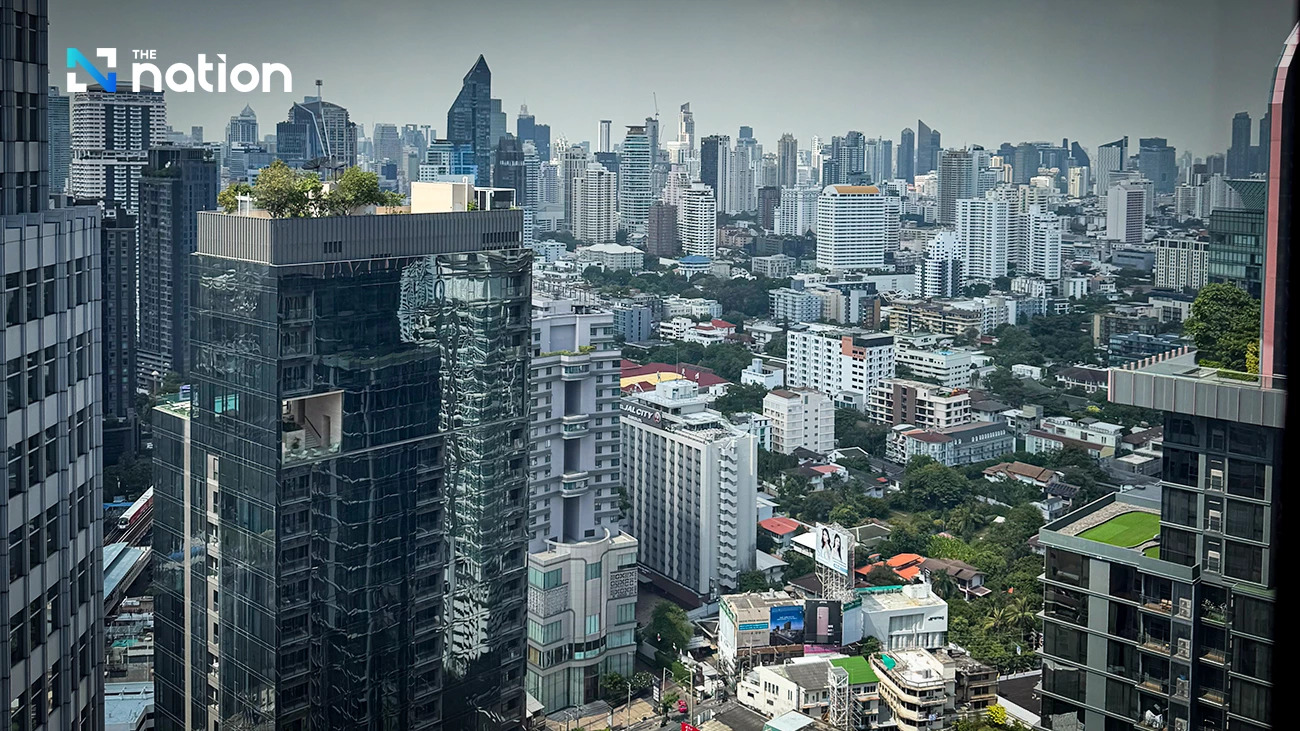
 Thai property slumps to 7-year low, luxury homes pile up
Property market sinks to a 7-year low; experts warn luxury homes and condos face oversupply, urge developers to target “specific demand”
Thailand’s property market in 2025–2026 is entering what experts describe as its most challenging test in a decade. Economic and real estate specialists say the sector is clearly in a correction phase, with any recovery expected to be gradual. They forecast the slowdown could persist for another two to three years, as current sales remain far below pre-Covid levels (2019), when Greater Bangkok recorded around 120,000 units a year.
A key warning sign is nationwide ownership transfers in 2025, projected at around 300,000 units—the lowest level in seven years—down from a “normal” pace of roughly 400,000 units annually. New project launches in Greater Bangkok have also fallen significantly, down more than 33%, or about 20,000 units compared with the previous year.
Luxury detached homes and condos flash oversupply warnings
Segment-level data suggests the most concerning area is luxury detached houses priced 25–50 million baht. Over the past one to two years, developers launched too many units, leaving an accumulated unsold stock of about 3,000 units. Based on current absorption rates, it could take five to six years to clear the backlog. Broader economic weakness spreading into exports and industrial business is also weighing directly on high-income buyers in industrial estate areas.
 The condominium segment has seen the steepest sales contraction, down 28%, reflecting a structural shock to incomes and purchasing power among middle- and lower-income consumers. Meanwhile, townhouses priced 2–5 million baht hold the largest remaining stock—about 115,000 units, or 57% of all unsold units—raising the risk of a near-term price war.
Foreign demand and “specific potential” locations
Foreign transfers are estimated to be down around 4% overall. In major destinations such as Chonburi and Chiang Mai, transfers are said to have fallen by 15–28%. However, Bangkok and Prachuap Khiri Khan recorded increases, suggesting foreign buyers continue to prioritise core economic hubs and premium leisure destinations.
 Experts say areas benefiting from new infrastructure could still offer growth opportunities, including locations along new rail lines such as the Purple Line South, Pink Line, and Orange Line. Provinces with strong real demand are also highlighted—particularly Phuket, where transfers have continued to rise, supported by leasehold buyers and families seeking homes near international schools.
Credit outlook and the “survival strategy”: specific demand
On the financial side, research suggests new project loan approvals in 2025–2026 could decline by around 20%, as lenders tighten standards and align lending with economic conditions. Banks are expected to prioritise developers with long track records and locations with proven demand.
The recommended survival strategy for developers includes:
Choose locations and target “specific demand”: focus on areas near major employment hubs, schools, or shopping centres to capture genuine end-user demand.
Reduce project size: to manage risk and control construction budgets.
Shift towards green and sustainable living standards: using low-carbon materials, passive design to save energy, and smart-living technology—seen as key competitive tools as environmental rules become stricter.
Source: Kiatnakin Phatra Bank Plc.
Source: https://www.nationthailand.com/business/property/40061353
Google Translation:
ตลาดอสังหาริมทรัพย์ไทยร่วงลงต่ำสุดในรอบ 7 ปี บ้านหรูล้นตลาด
ตลาดอสังหาริมทรัพย์ตกต่ำที่สุดในรอบ 7 ปี ผู้เชี่ยวชาญเตือนว่าบ้านหรูและคอนโดมิเนียมเผชิญกับภาวะอุปทานล้นตลาด และกระตุ้นให้ผู้พัฒนาอสังหาริมทรัพย์มุ่งเป้าไปที่ “ความต้องการเฉพาะกลุ่ม”
ตลาดอสังหาริมทรัพย์ของไทยในปี 2025-2026 กำลังเข้าสู่สิ่งที่ผู้เชี่ยวชาญอธิบายว่าเป็นบททดสอบที่ท้าทายที่สุดในรอบทศวรรษ ผู้เชี่ยวชาญด้านเศรษฐกิจและอสังหาริมทรัพย์กล่าวว่าภาคส่วนนี้อยู่ในช่วงปรับตัวอย่างชัดเจน โดยคาดว่าการฟื้นตัวจะเป็นไปอย่างค่อยเป็นค่อยไป พวกเขาคาดการณ์ว่าภาวะชะลอตัวอาจคงอยู่ต่อไปอีกสองถึงสามปี เนื่องจากยอดขายในปัจจุบันยังคงต่ำกว่าระดับก่อนโควิด-19 (ปี 2019) ซึ่งกรุงเทพฯ และปริมณฑลมียอดขายประมาณ 120,000 ยูนิตต่อปี
สัญญาณเตือนที่สำคัญคือการโอนกรรมสิทธิ์ทั่วประเทศในปี 2025 ซึ่งคาดการณ์ไว้ที่ประมาณ 300,000 ยูนิต ซึ่งเป็นระดับต่ำสุดในรอบเจ็ดปี ลดลงจากอัตรา “ปกติ” ที่ประมาณ 400,000 ยูนิตต่อปี การเปิดตัวโครงการใหม่ในกรุงเทพมหานครและปริมณฑลลดลงอย่างมากเช่นกัน ลดลงมากกว่า 33% หรือประมาณ 20,000 ยูนิต เมื่อเทียบกับปีที่แล้ว
บ้านเดี่ยวและคอนโดมิเนียมหรูส่งสัญญาณเตือนอุปทานล้นตลาด
ข้อมูลระดับกลุ่มชี้ให้เห็นว่ากลุ่มที่น่าเป็นห่วงที่สุดคือบ้านเดี่ยวหรูราคา 25-50 ล้านบาท ในช่วงหนึ่งถึงสองปีที่ผ่านมา ผู้พัฒนาอสังหาริมทรัพย์เปิดตัวยูนิตมากเกินไป ทำให้มีสต็อกค้างขายสะสมประมาณ 3,000 ยูนิต จากอัตราการดูดซับในปัจจุบัน อาจต้องใช้เวลาห้าถึงหกปีในการระบายสต็อก ความอ่อนแอทางเศรษฐกิจในวงกว้างที่ลุกลามไปยังการส่งออกและธุรกิจอุตสาหกรรมก็ส่งผลกระทบโดยตรงต่อผู้ซื้อที่มีรายได้สูงในพื้นที่นิคมอุตสาหกรรม
กลุ่มคอนโดมิเนียมมีการหดตัวของยอดขายมากที่สุด ลดลง 28% สะท้อนให้เห็นถึงผลกระทบเชิงโครงสร้างต่อรายได้และกำลังซื้อของผู้บริโภคที่มีรายได้ปานกลางและต่ำ ในขณะเดียวกัน ทาวน์เฮาส์ราคา 2-5 ล้านบาทยังคงมีจำนวนยูนิตคงเหลือมากที่สุด ประมาณ 115,000 ยูนิต หรือ 57% ของยูนิตที่ยังขายไม่ออกทั้งหมด ซึ่งเพิ่มความเสี่ยงต่อสงครามราคาในระยะสั้น
ความต้องการจากต่างประเทศและทำเลที่มีศักยภาพเฉพาะ
คาดการณ์ว่าการย้ายถิ่นฐานของชาวต่างชาติลดลงประมาณ 4% โดยรวม ในจุดหมายปลายทางสำคัญ เช่น ชลบุรีและเชียงใหม่ มีรายงานว่าการย้ายถิ่นฐานลดลง 15-28% อย่างไรก็ตาม กรุงเทพฯ และประจวบคีรีขันธ์มีการเพิ่มขึ้น แสดงให้เห็นว่าผู้ซื้อชาวต่างชาติยังคงให้ความสำคัญกับศูนย์กลางเศรษฐกิจและแหล่งท่องเที่ยวระดับพรีเมียม
ผู้เชี่ยวชาญกล่าวว่าพื้นที่ที่ได้รับประโยชน์จากโครงสร้างพื้นฐานใหม่ยังคงมีโอกาสในการเติบโต รวมถึงทำเลที่อยู่ตามแนวเส้นทางรถไฟสายใหม่ เช่น สายสีม่วงใต้ สายสีชมพู และสายสีส้ม จังหวัดที่มีความต้องการที่แท้จริงสูงก็ได้รับการเน้นย้ำเช่นกัน โดยเฉพาะภูเก็ต ซึ่งการย้ายถิ่นฐานยังคงเพิ่มขึ้นอย่างต่อเนื่อง โดยได้รับการสนับสนุนจากผู้ซื้อแบบเช่าซื้อและครอบครัวที่กำลังมองหาบ้านใกล้โรงเรียนนานาชาติ
แนวโน้มสินเชื่อและ “กลยุทธ์การอยู่รอด”: ความต้องการเฉพาะกลุ่ม
ในด้านการเงิน ผลการวิจัยชี้ว่า การอนุมัติสินเชื่อโครงการใหม่ในปี 2025–2026 อาจลดลงประมาณ 20% เนื่องจากผู้ให้กู้เข้มงวดมาตรฐานและปรับการให้กู้ยืมให้สอดคล้องกับสภาวะเศรษฐกิจ ธนาคารคาดว่าจะให้ความสำคัญกับผู้พัฒนาโครงการที่มีประวัติการทำงานยาวนานและทำเลที่มีความต้องการที่พิสูจน์ได้
กลยุทธ์การอยู่รอดที่แนะนำสำหรับผู้พัฒนาโครงการ ได้แก่:
เลือกทำเลและกำหนดเป้าหมาย “ความต้องการเฉพาะกลุ่ม”: เน้นพื้นที่ใกล้ศูนย์กลางการจ้างงาน โรงเรียน หรือศูนย์การค้า เพื่อดึงดูดความต้องการของผู้ใช้ปลายทางอย่างแท้จริง
ลดขนาดโครงการ: เพื่อบริหารความเสี่ยงและควบคุมงบประมาณการก่อสร้าง
เปลี่ยนไปสู่มาตรฐานการอยู่อาศัยที่เป็นมิตรต่อสิ่งแวดล้อมและยั่งยืน: ใช้วัสดุคาร์บอนต่ำ การออกแบบเชิงรับเพื่อประหยัดพลังงาน และเทคโนโลยีการอยู่อาศัยอัจฉริยะ ซึ่งถือเป็นเครื่องมือสำคัญในการแข่งขัน เนื่องจากกฎระเบียบด้านสิ่งแวดล้อมเข้มงวดมากขึ้น
ที่มา: ธนาคารเกียรตินาคิน ภัทร จำกัด (มหาชน)